Artwork
Tablou reprezentând-o pe Elena Ceaușescu, atribuit lui Traian Brădeanu. Tablou comandat de Consiliul Culturii și Educației Socialiste și oferit în dar Elenei Ceaușescu la împlinirea vârstei de 60 de ani (ianuarie 1979).
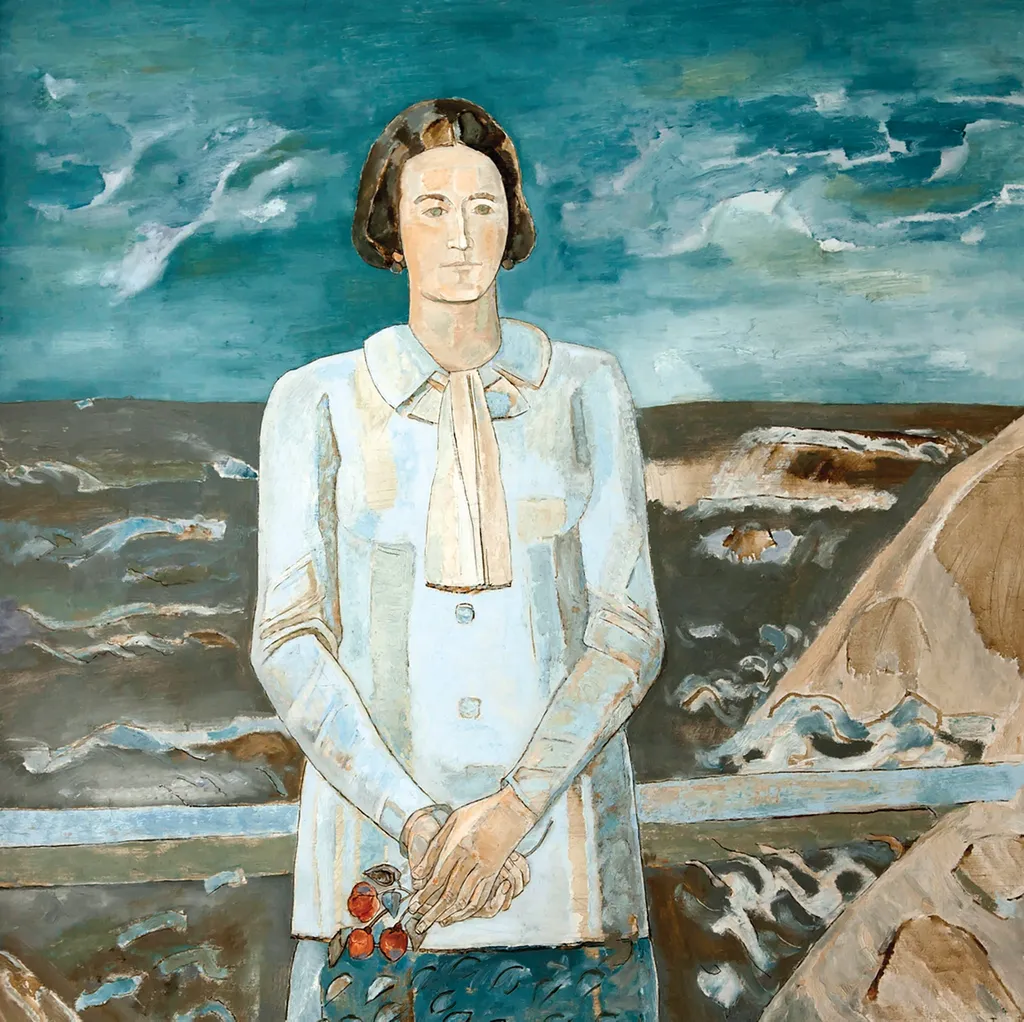
Tablou reprezentând-o pe Elena Ceaușescu, atribuit lui Traian Brădeanu. Tablou comandat de Consiliul Culturii și Educației Socialiste și oferit în dar Elenei Ceaușescu la împlinirea vârstei de 60 de ani (ianuarie 1979). is a print by Traian Brădeanu. It is held in the collection of the National Museum of Romanian History. This portrait depicts Elena Ceaușescu, wife of Romania’s communist leader, painted in 1979 to mark her 60th birthday.
About this work
Overview
This portrait depicts Elena Ceaușescu, wife of Romania’s communist leader, painted in 1979 to mark her 60th birthday.
This portrait depicts Elena Ceaușescu, wife of Romania’s communist leader, painted in 1979 to mark her 60th birthday. Commissioned by the Council for Socialist Culture and Education, the work was presented as a state gift. Rendered in thick, tactile brushwork, the painting blends formal portraiture with an idealized natural setting, reflecting the regime’s use of art for ceremonial and ideological purposes.
Subject & Meaning
Elena Ceaușescu is portrayed in a modest, light-colored dress, her posture composed and serene. The inclusion of a small bouquet of red flowers suggests purity and vitality, while the rugged cliff and distant sea evoke endurance and vastness—symbols aligned with state-promoted narratives of strength and permanence. Her neatly pinned hair and restrained demeanor reinforce an image of disciplined, maternal authority.
Technique & Style
The artist employed impasto to build texture across the dress and rocky backdrop, creating a tactile surface that draws attention to material presence over fine detail. The sea behind her is rendered in broad, undulating strokes of blue-green, contrasting with the heavier pigment of the land. This technique emphasizes physicality, aligning with a populist aesthetic favored in state-sponsored art of the period.
History & Provenance
Commissioned by the state in early 1979, the painting was presented to Elena Ceaușescu as a birthday tribute during a period of intensified personality cult. It remained in state custody until the 1989 revolution, after which it entered institutional collections. Its attribution to Traian Brădeanu, a state-approved artist, reflects the centralized control over artistic production under the Ceaușescu regime.
Context
The painting emerged during a phase of heightened state propaganda, when portraits of the Ceaușescus were routinely produced to legitimize their rule. Natural landscapes and symbolic objects like flowers were common tropes, designed to merge personal authority with national identity. Unlike Western portraiture, this work prioritized ideological messaging over psychological depth.
Legacy
After the fall of the regime, the painting became a relic of a discredited era, preserved more for historical documentation than aesthetic value. It is now studied as an example of how art was instrumentalized in authoritarian systems. Its stylistic choices reflect the tension between official demands for grandeur and the limited resources of state artists under economic strain.
Artist & collection
Artist
This guy painted portraits for a living in a country where the government picked your subjects for you.

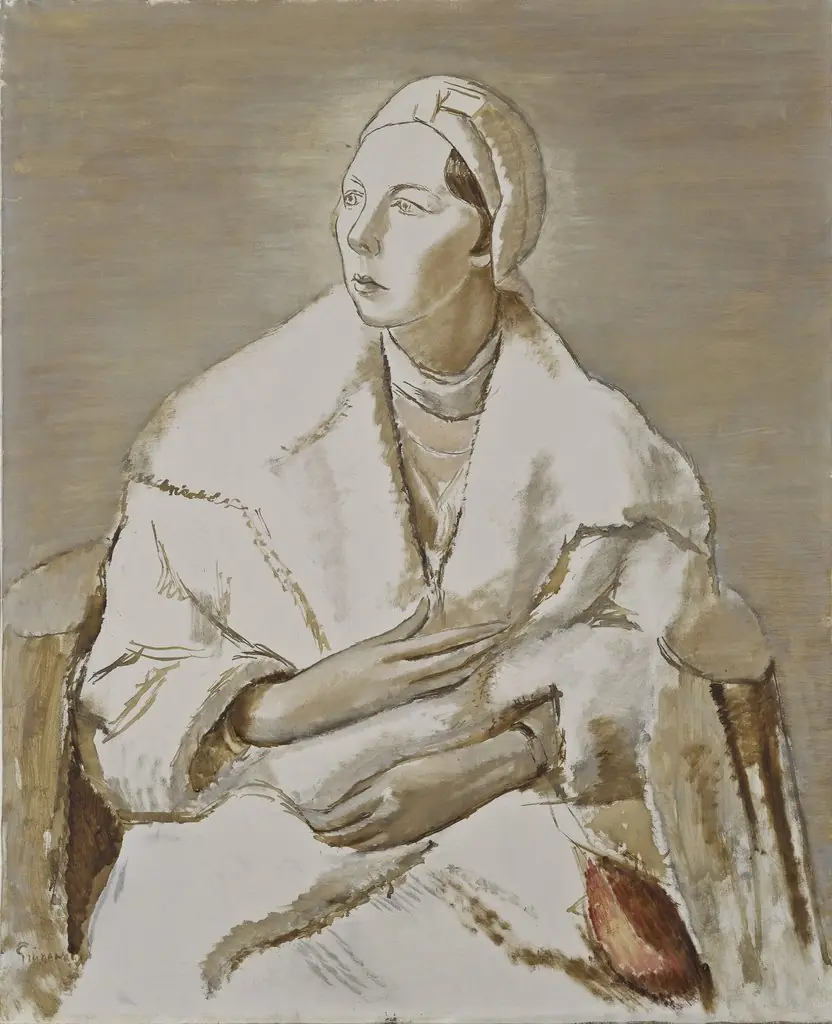
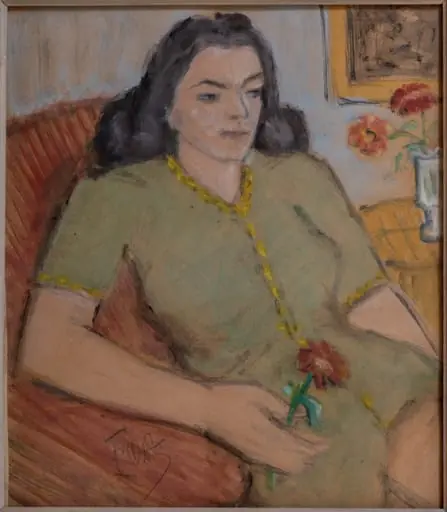
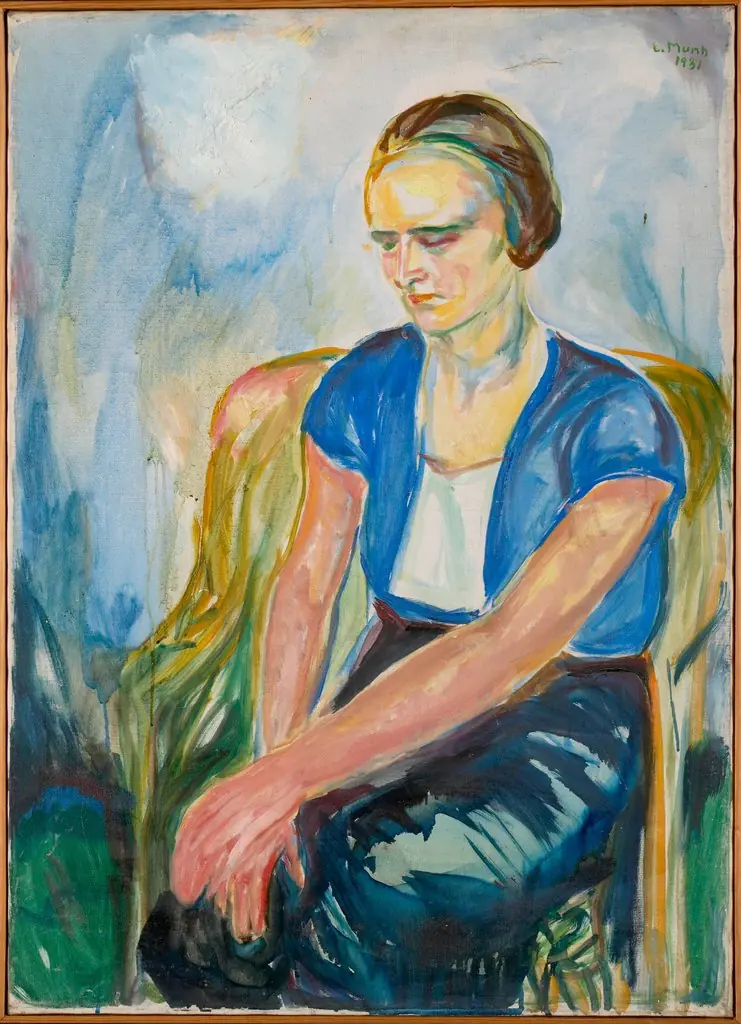
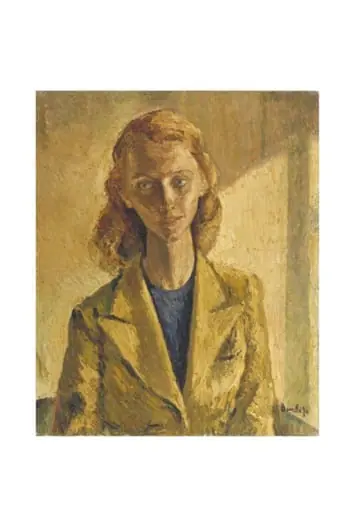
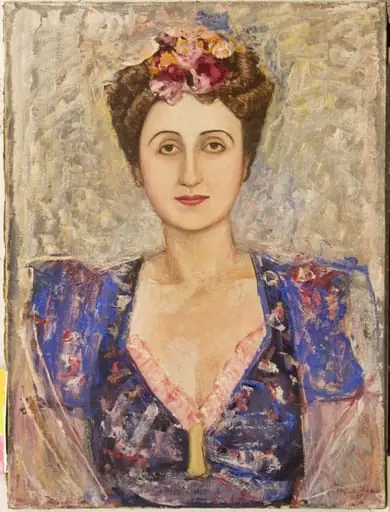
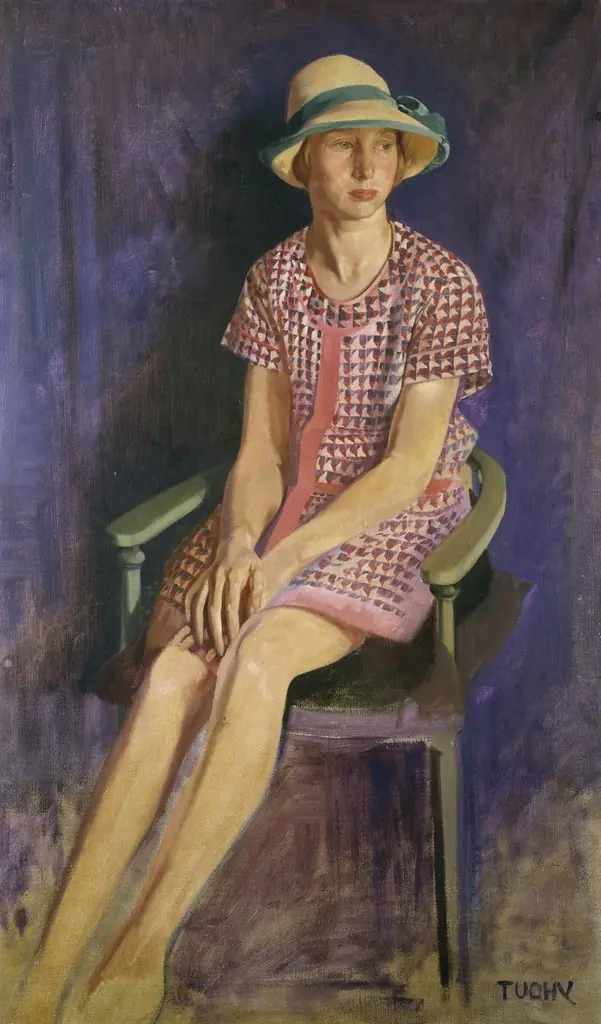
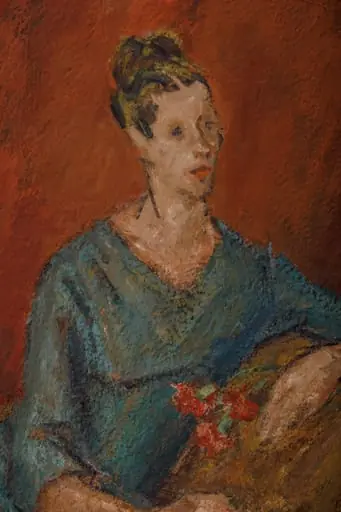
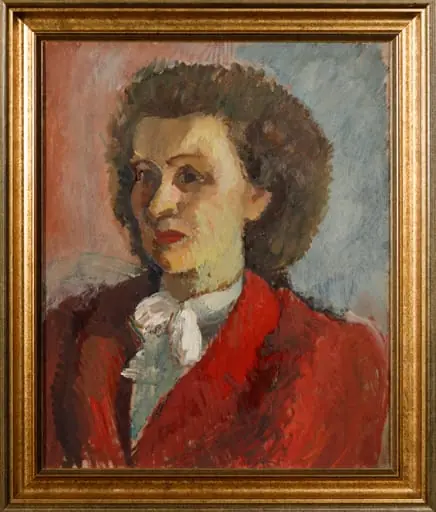
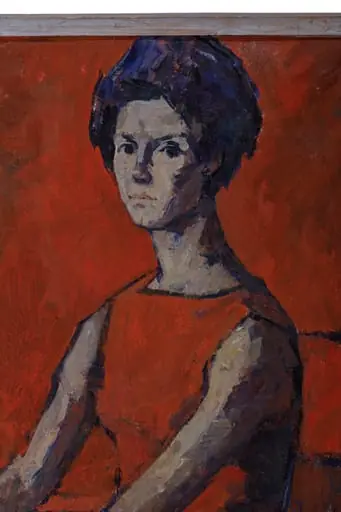
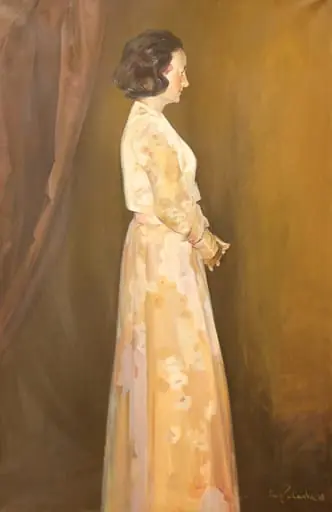 Tablou - portret întreg Elena Ceaușescu din profil, semnat și datat dreapta jos ”Eugen Palade 78”. Tablou comandat de Consiliul Culturii și Educației Socialiste și oferit în dar Elenei Ceaușescu la împlinirea vârstei de 60 de ani (ianuarie 1979).
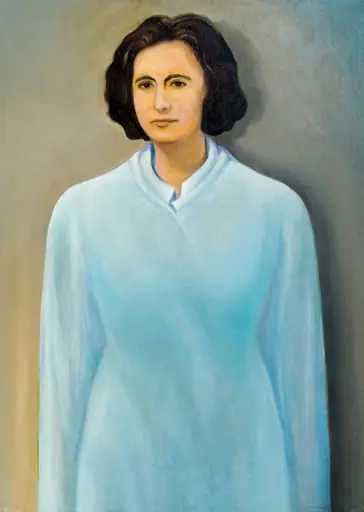 Tablou, ulei pe pânză, ”Portret Elena Ceaușescu”, nesemnat, atribui lui Nicolae Toma. Oferit de autor, cu ocazia zilei de naștere a Elenei Ceaușescu, Ploiești, ianuarie 1978.
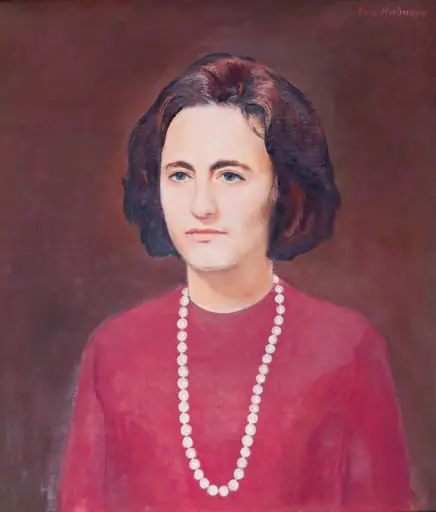 Tablou, ulei pe pânză, „Elena Ceaușescu”, semnat în partea dreaptă sus Dan Hatmanu. Oferit de autor, 6 ianuarie 1979.