Artwork
Saint Jerome in the Wilderness
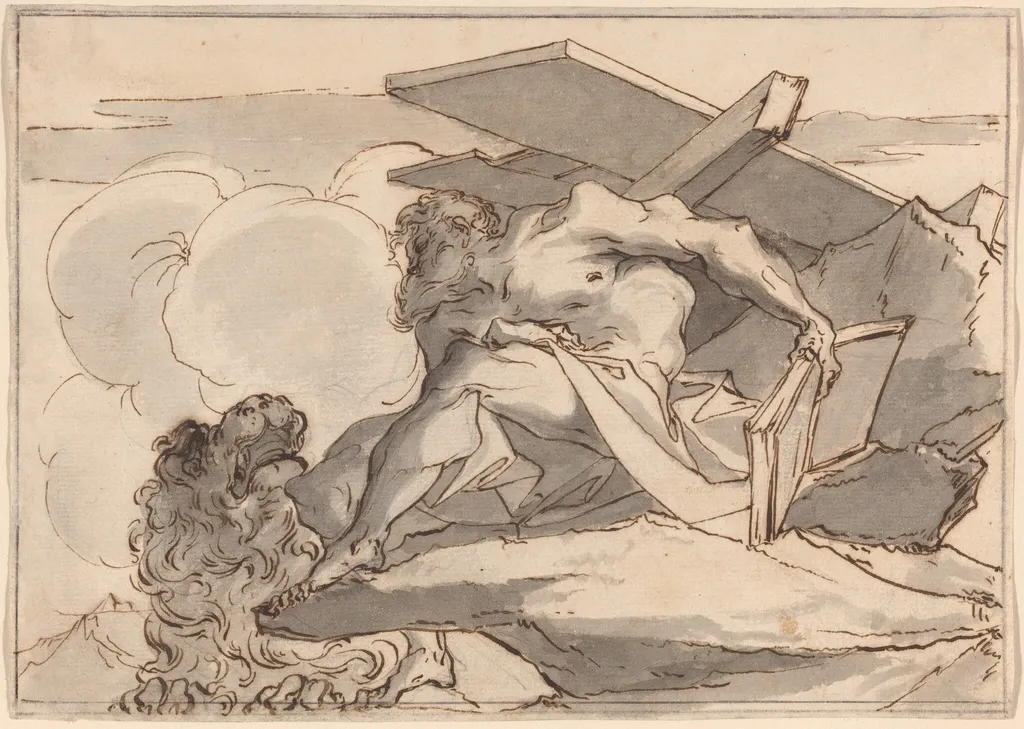
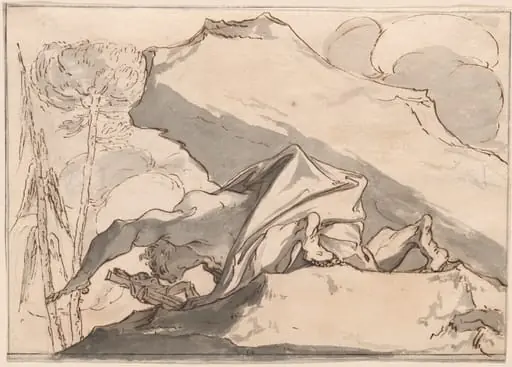
Saint Jerome in the Wilderness is an ink drawing by the Baroque artist Paul Troger. It dates from 1730 and is held in the collection of the National Gallery of Art.
About this work
Overview
Saint Jerome in the Wilderness is a 1730 drawing by Paul Troger, executed in pen and iron gall ink with gray wash over black chalk on laid paper.
Subject & Meaning
The drawing portrays Saint Jerome in a state of solitude, reflecting the religious themes characteristic of Troger's oeuvre.
Technique & Style
Troger's distinctive style is evident in the work's execution, combining pen, ink, gray wash, and black chalk to achieve a nuanced representation.
History & Provenance
Created in 1730, the drawing's provenance is not detailed here, focusing instead on its creation within Troger's late Baroque practice.
Context
While the drawing itself is not noted for dramatic movement or a light palette, these elements would later characterize Troger's influential frescoes in Austrian painting.
Legacy
Through his later works, particularly frescoes, Troger's influence extended into Austrian painting, though the direct legacy of this drawing is not specified.
Artist & collection
Artist
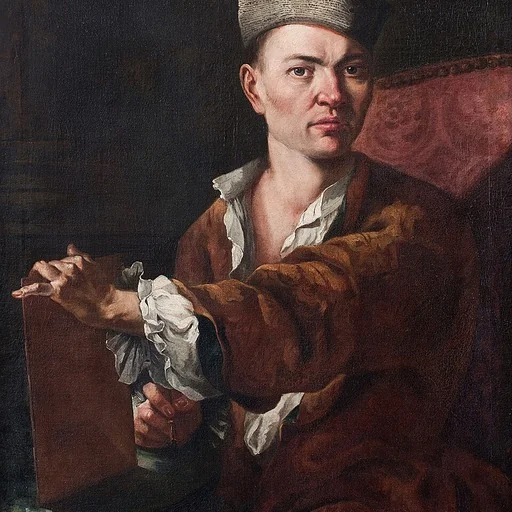
Paul Troger (30 October 1698 – 20 July 1762) was an Austrian painter, draughtsman, and printmaker of the late Baroque period.

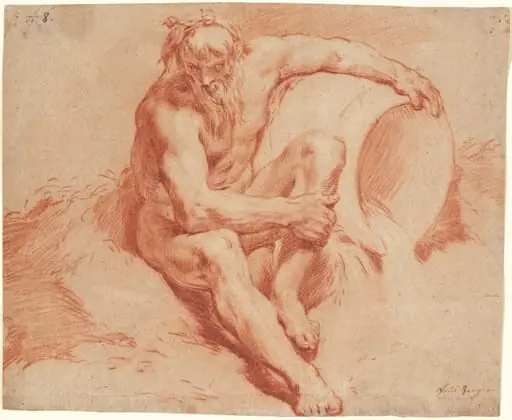
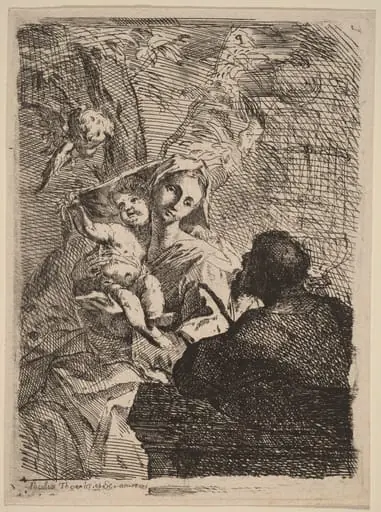
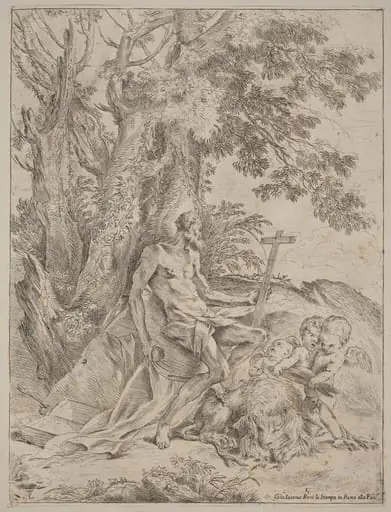 Saint Jerome
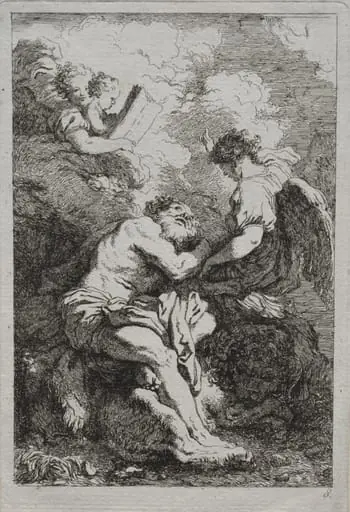 Saint Jerome
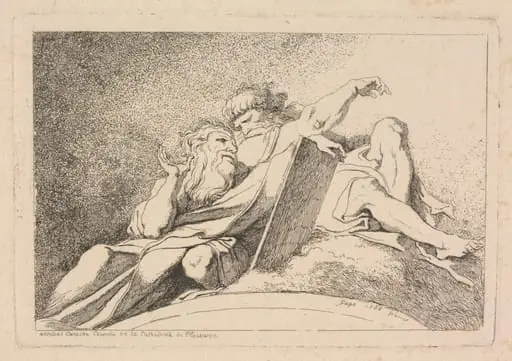 The Two Prophets
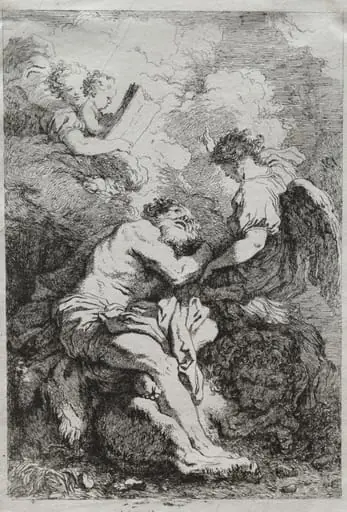 Saint Jerome
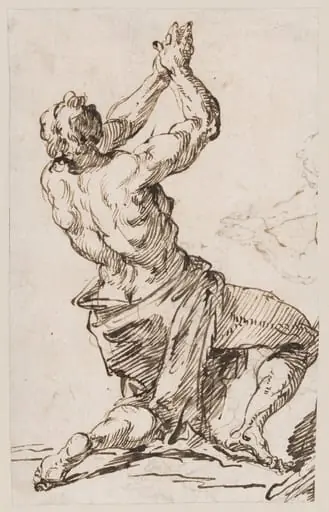 a) Study of a Man Kneeling, Looking Upward (recto); b) Studies of the Same Figure (verso)
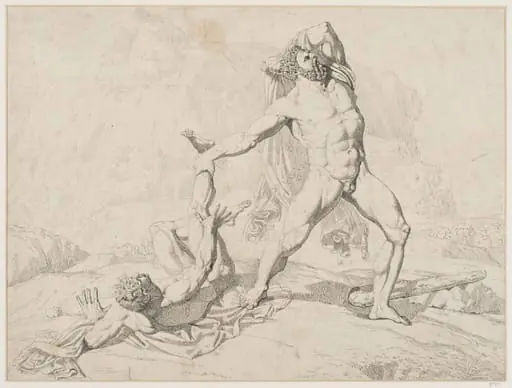 Hercules, in his death throes, hurling Lichas into the sea
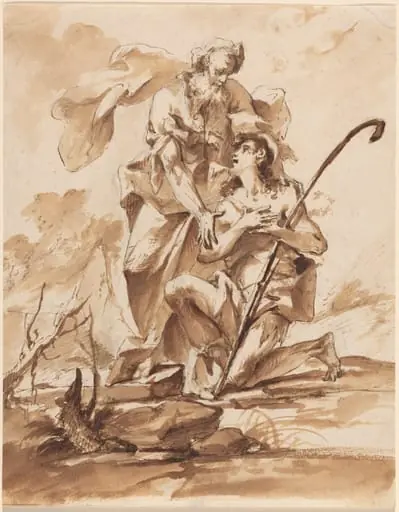 Return of the Prodigal Son
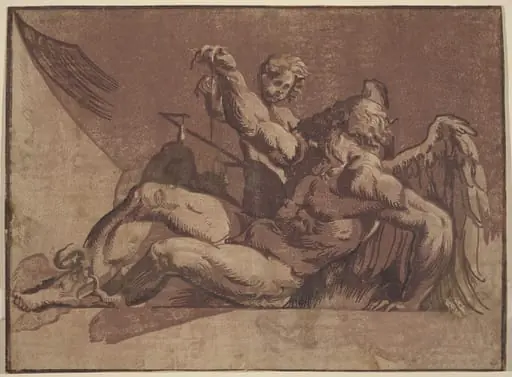 Saturn
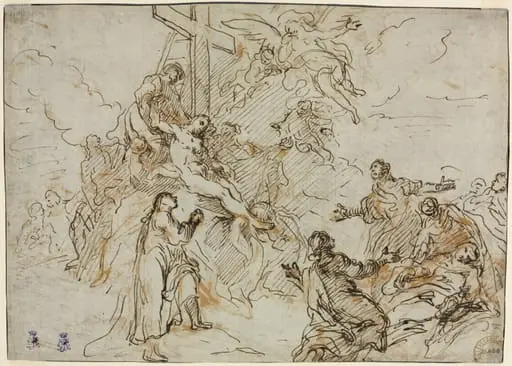 The Deposition (verso)
![Allegorical Female Figure in a Landscape [recto], by German 17th Century](https://artifactworldgallery.com/img/german-17th-century--allegorical-female-figure-in-a-landscape-recto--0263f304d6fc0dc9-w320.webp) Allegorical Female Figure in a Landscape [recto]
Allegorical Female Figure in a Landscape [recto]