Artwork
El canónigo José Olcina y Macía caballero de Montesa
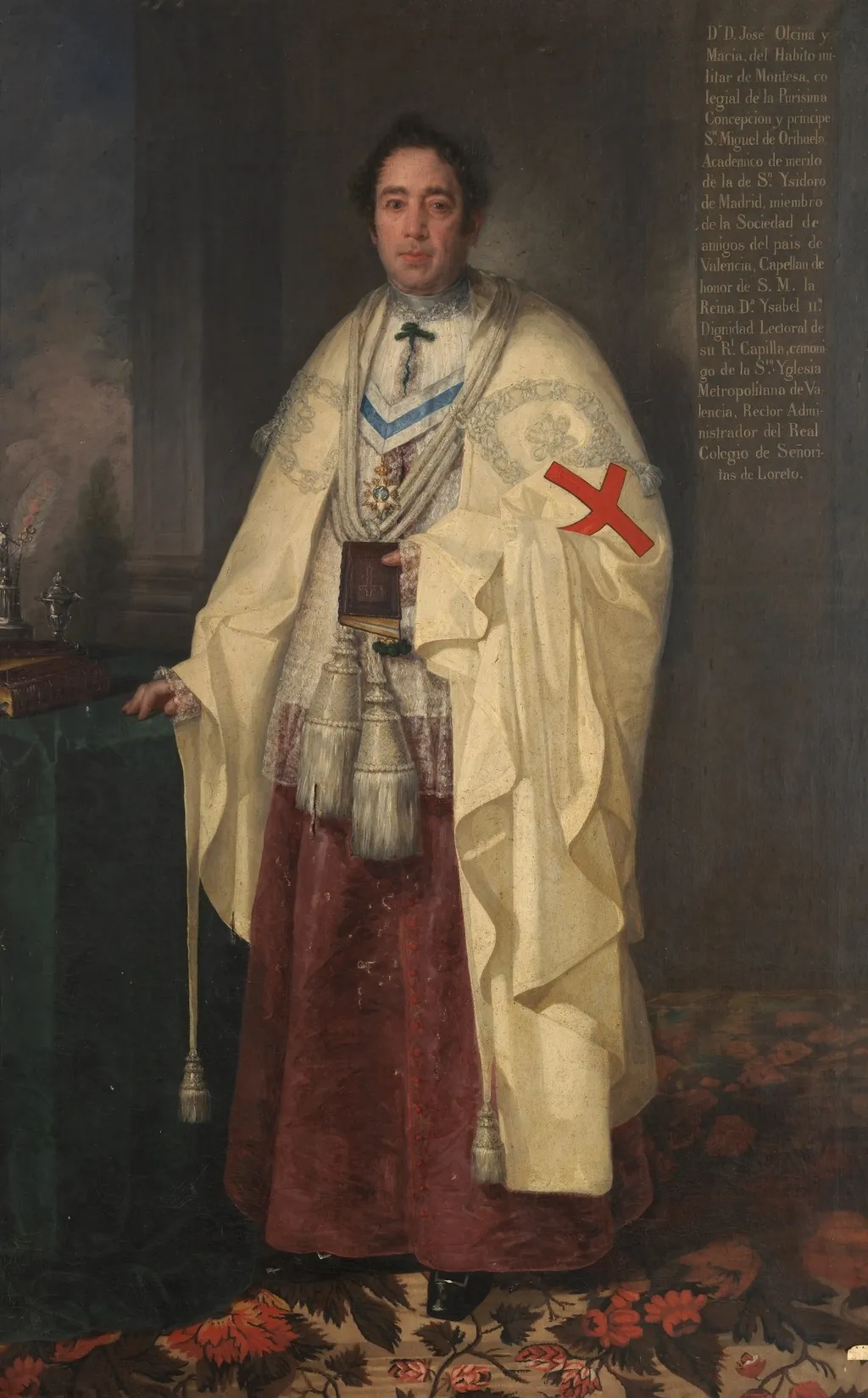
El canónigo José Olcina y Macía caballero de Montesa is an oil painting by José Gutiérrez de la Vega. It dates from 1845 and is held in the collection of the Museo del Prado.
About this work
Overview
José Gutiérrez de la Vega’s 1845 oil portrait presents the canon José Olcina y Macia, a knight of the Order of Montesa. Executed in the mid‑19th century, the work now belongs to the Museo del Prado’s collection and exemplifies the artist’s focus on formal portraiture of ecclesiastical figures.
Subject & Meaning
The sitter is shown holding a Bible and the insignia of the Montesa order, underscoring his dual role as a high‑ranking cleric and a member of a historic military‑religious fraternity. The inclusion of titles and regalia emphasizes his social and religious authority within 19th‑century Spanish society.
Technique & Style
Rendered in oil on canvas, the portrait employs a dark background that isolates the figure, allowing the luminous cream cape, red vestments, and gold trim to dominate the visual field. Precise brushwork captures the texture of the fabrics and the feathered staff, while subtle chiaroscuro models the canon’s features.
History & Provenance
Created in 1845, the painting entered the Prado’s holdings through the museum’s acquisition of works by Gutiérrez de la Vega, a painter noted for both portraiture and religious subjects. Its provenance traces directly from the artist’s studio to the national collection, where it remains on display.
Context
The Order of Montesa, founded in the 14th century, granted its members a distinctive red cross and ceremonial dress. By the 19th century, such insignia served as markers of noble lineage and ecclesiastical prestige, a visual language that Gutiérrez de la Vega incorporated to convey the canon’s status.
Artist & collection
Artist
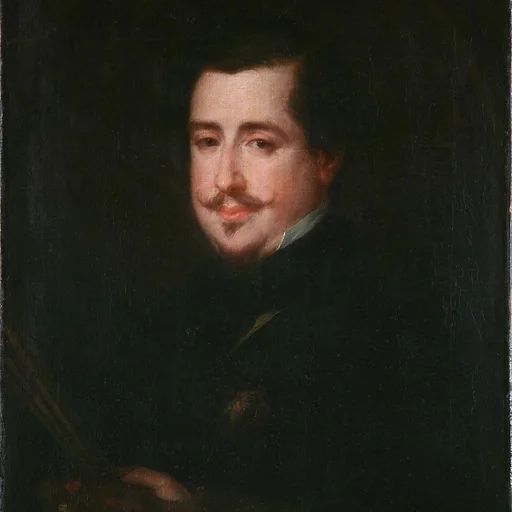
José Gutiérrez de la Vega y Bocanegra (26 December 1791 – December 1865) was a Spanish painter who specialized in portraits and religious subjects.

 Friedrich Wilhelm Wucherer
 Grand Duke Ferdinand III of Tuscany (1769-1824) in the regalia of the Tuscan Order of St. Stephen
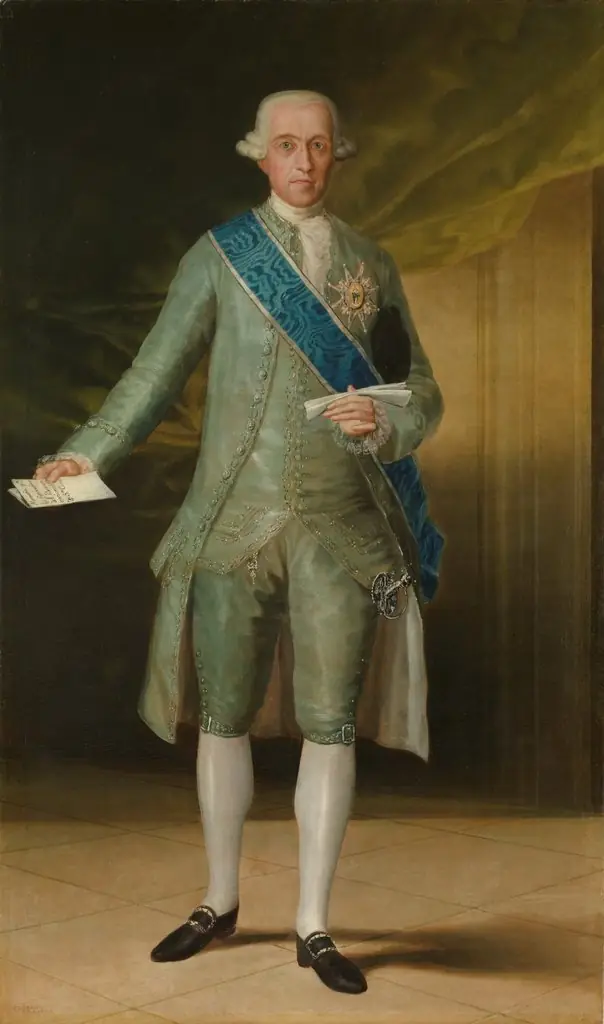 José Moñino y Redondo, count de Floridablanca
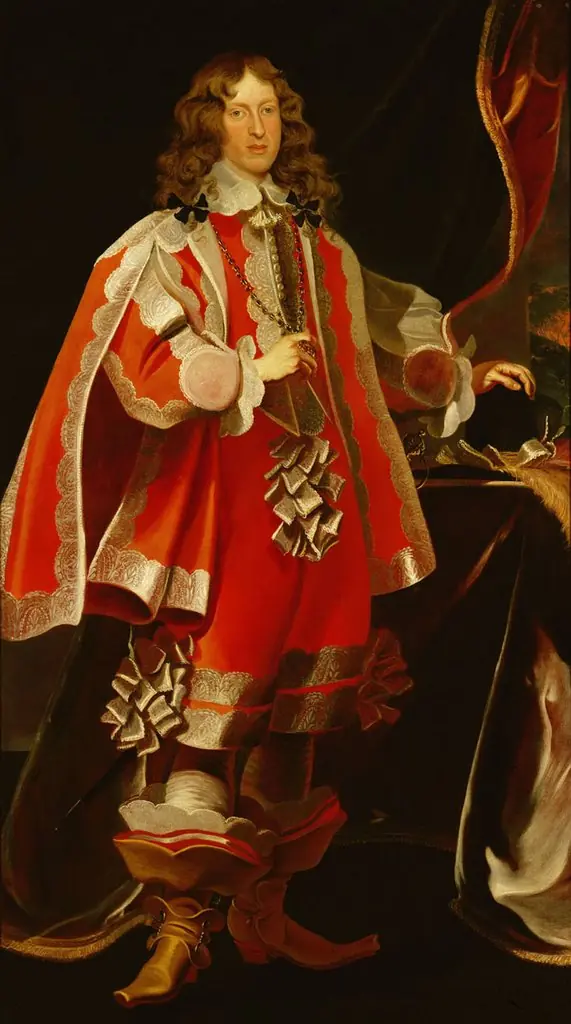 Ferdinand Charles, Archduke of Further Austria
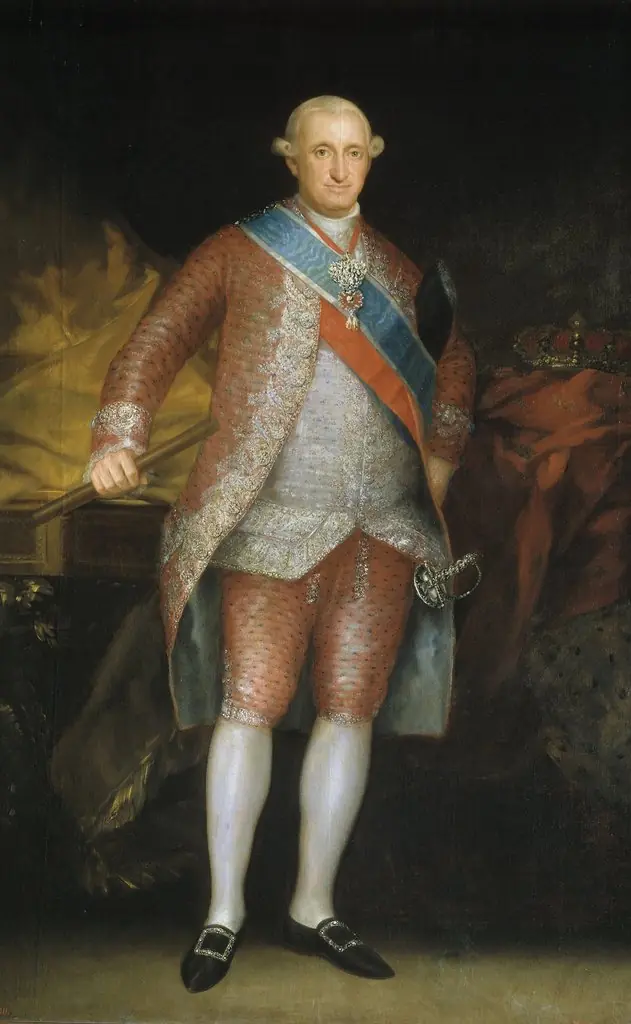 Charles IV in Court Dress
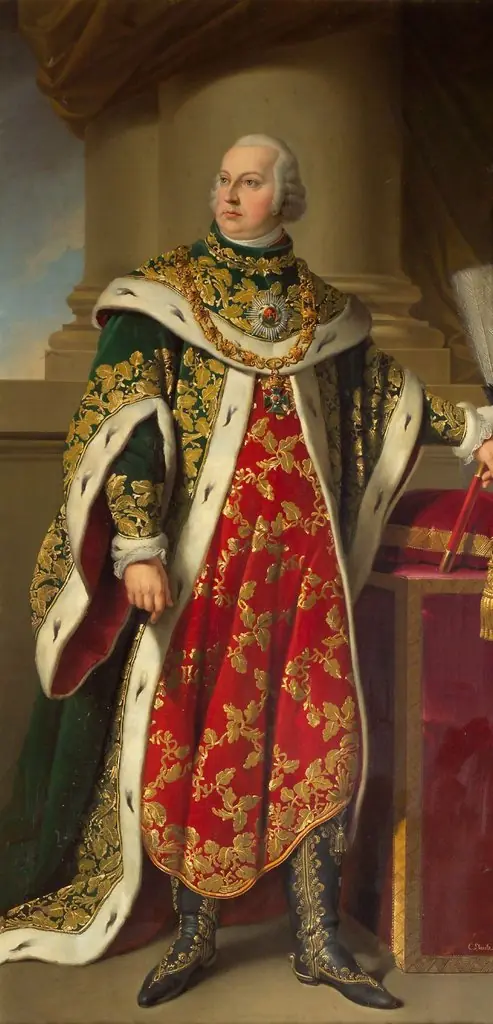 Archduke Ferdinand Karl d'Este (1754-1806) in St. Stephen's Cathedral
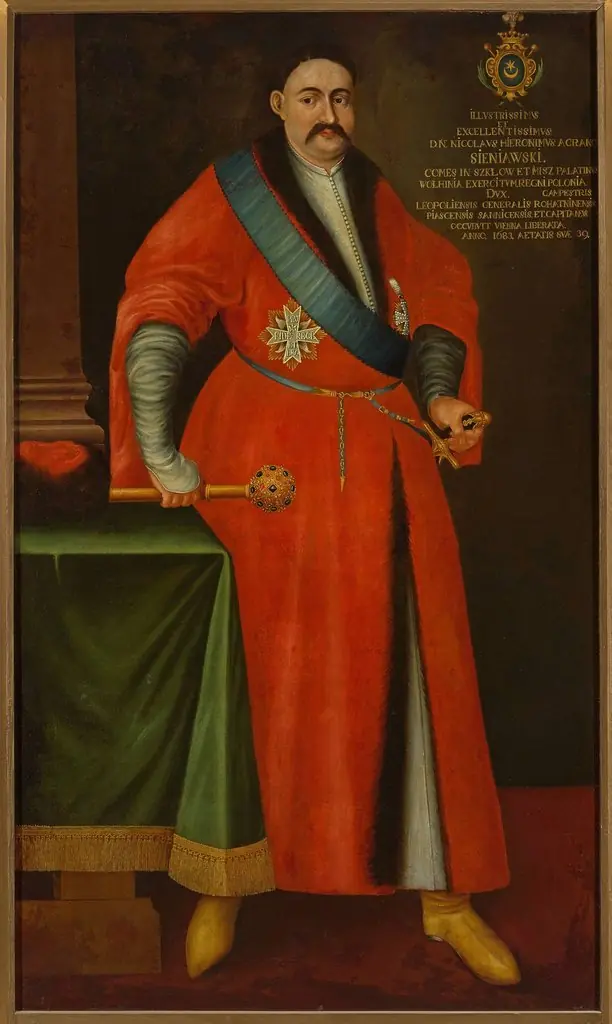 Portrait of Mikołaj Hieronim Sieniawski (d. 1683)
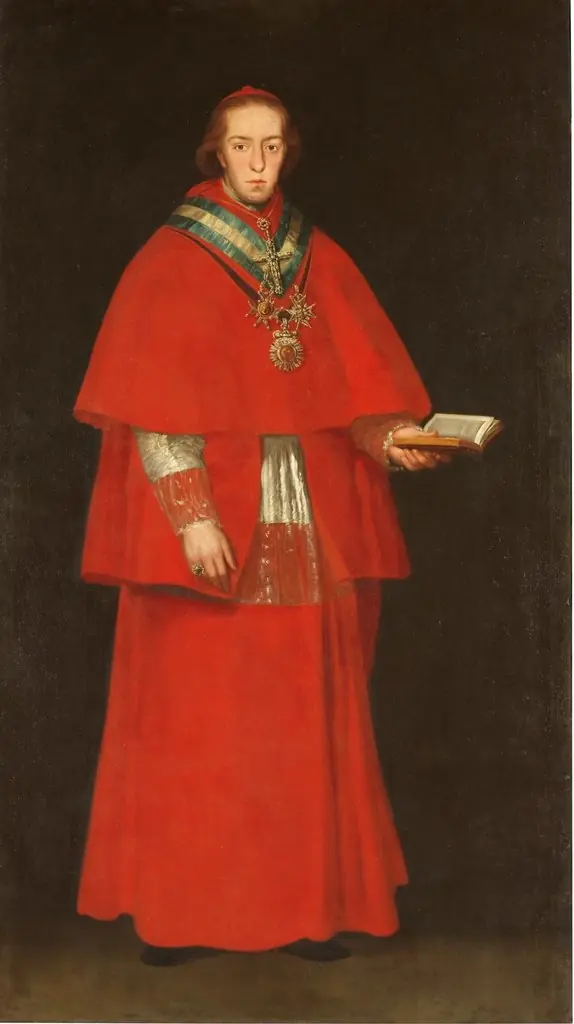 El cardenal don Luis María de Borbón y Vallabriga
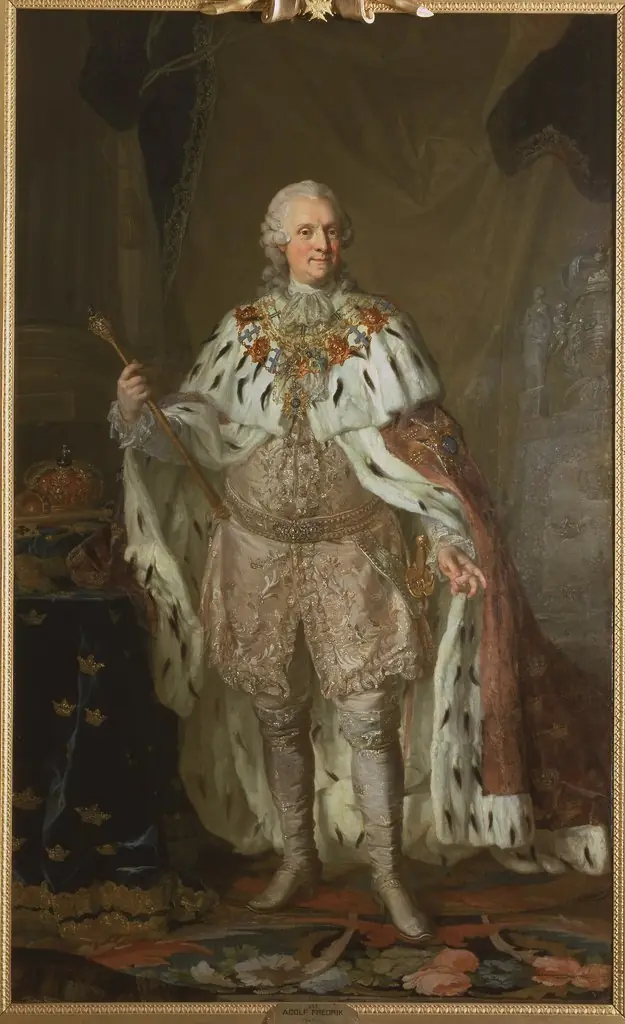 Adolf Fredrik, 1710-1771, konung av Sverige hertig av Holstein-Gottorp
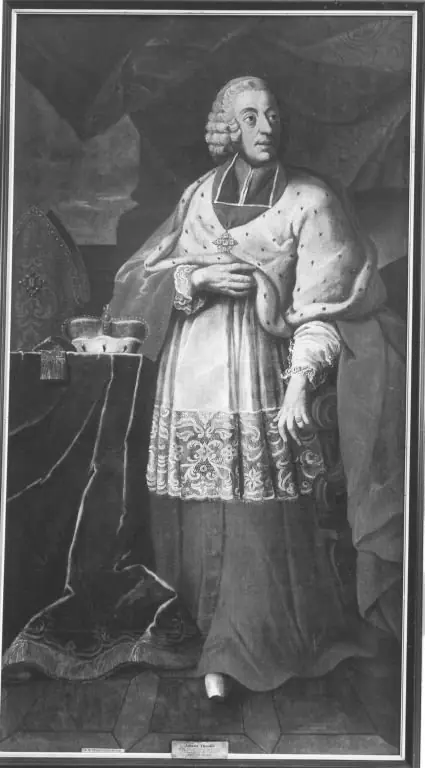 Bildnis des Johann Theodor von Bayern, Bischof von Regensburg und Freising, Fürstbischof von Lüttich (1703-1763)
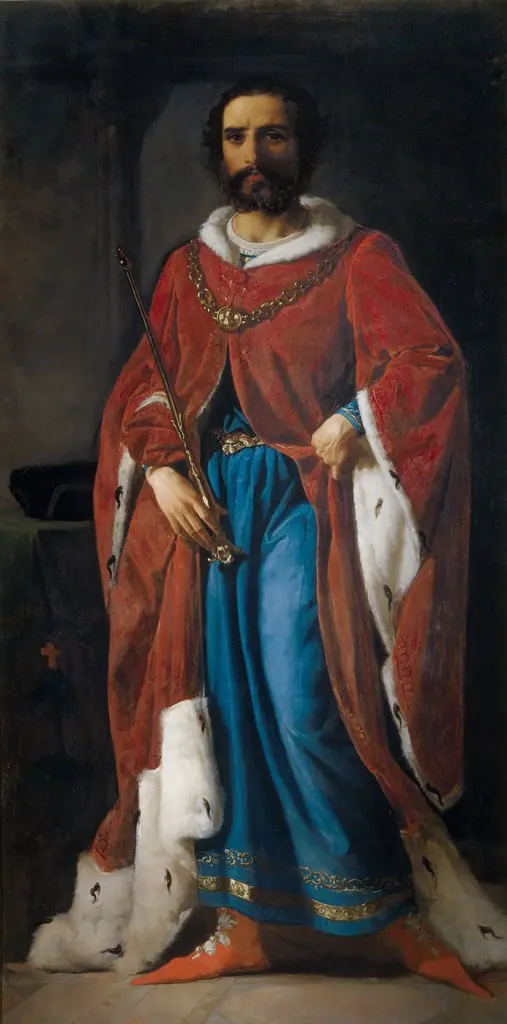 Don García Aznar; conde de Aragón
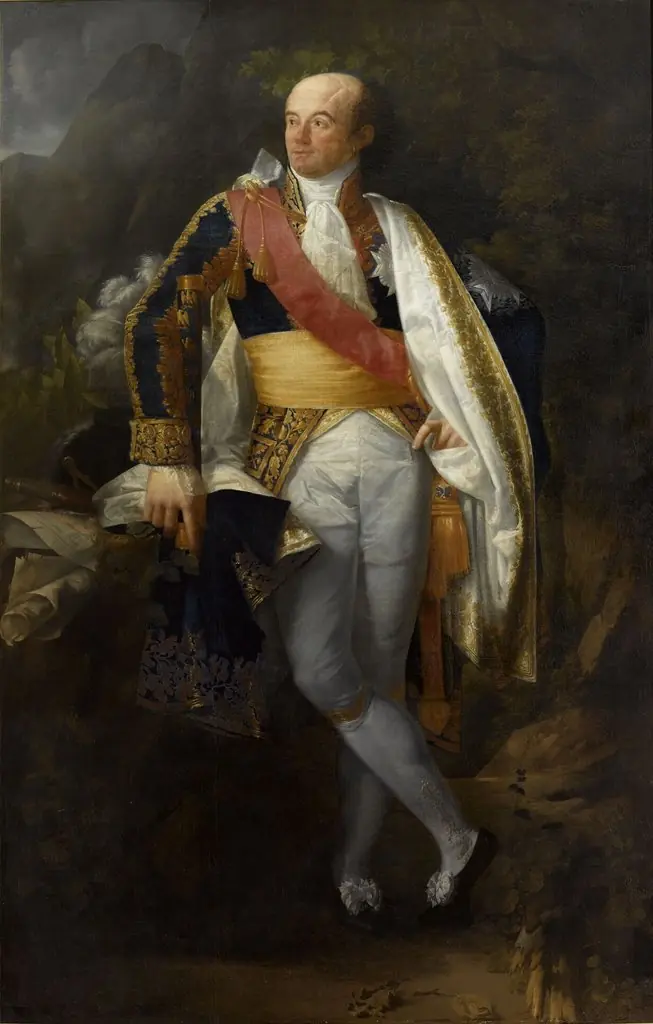 Dominique-Catherine, marquis Pérignon, maréchal de France (1754-1818)