Artwork
Bonaventura, Comte de Buquoy
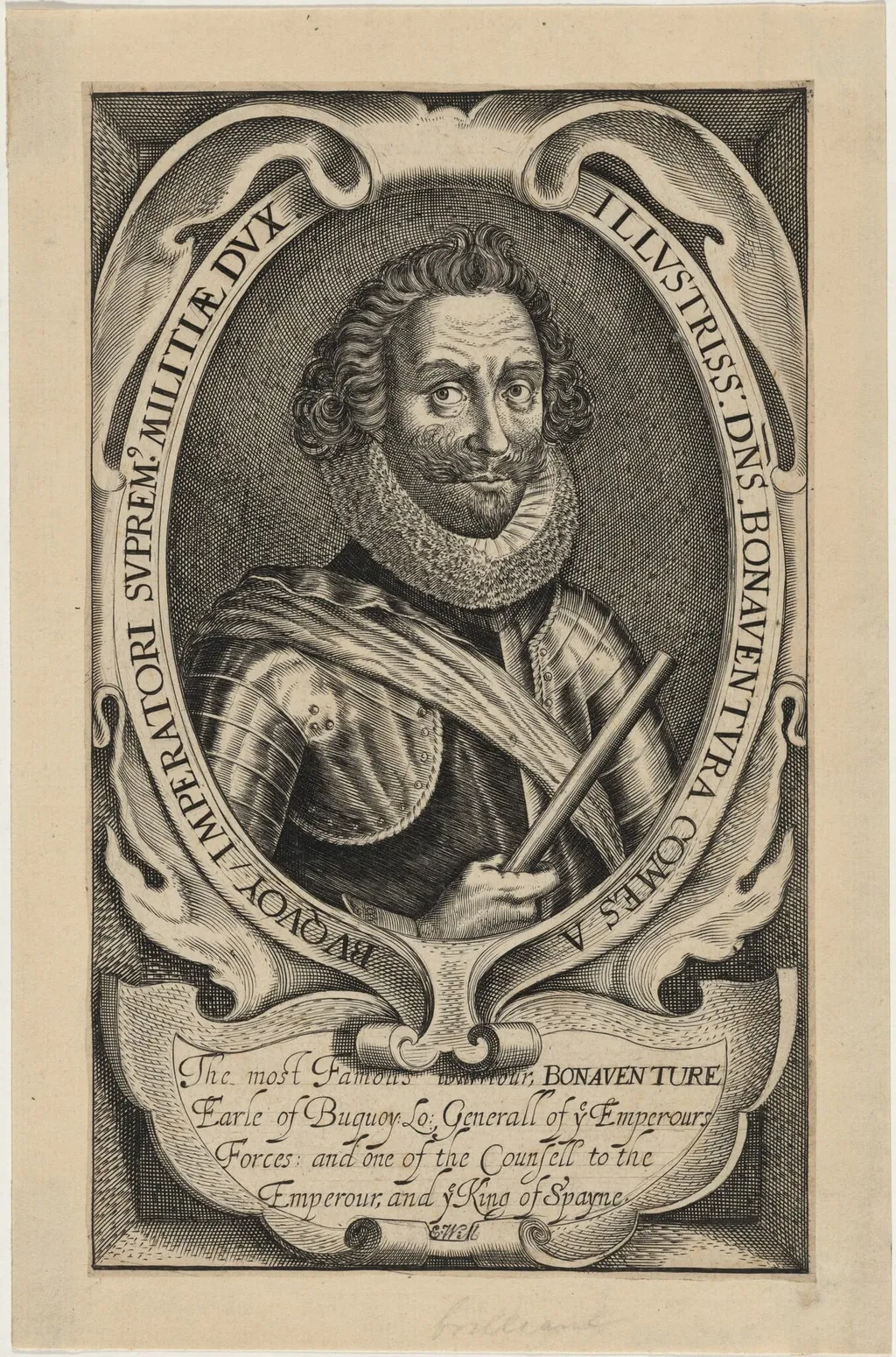
Bonaventura, Comte de Buquoy is an ink print by the Romanticist artist Unknown 19th Century. It dates from 1850 and is held in the collection of the National Gallery of Art.
About this work
Overview
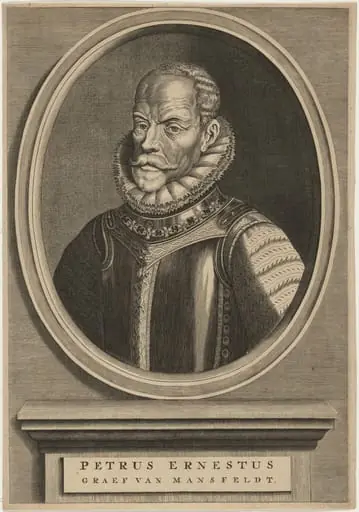
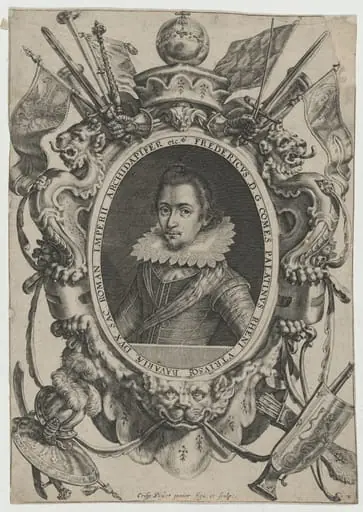
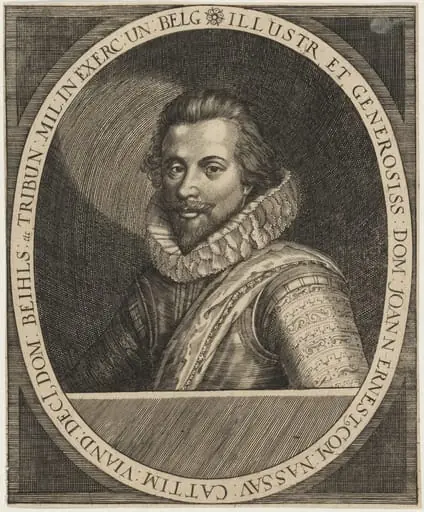
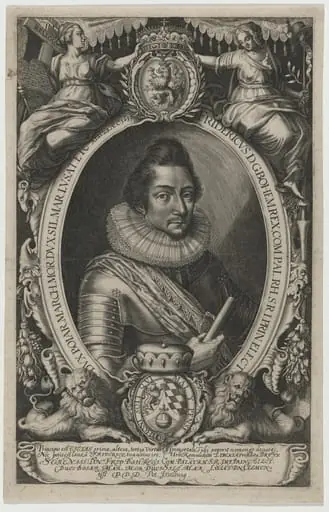
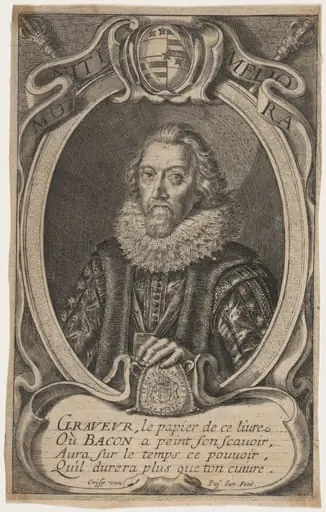
The use of fine cross-hatching and tonal gradation demonstrates the engraver’s technical precision, typical of high-status portraiture in the period.
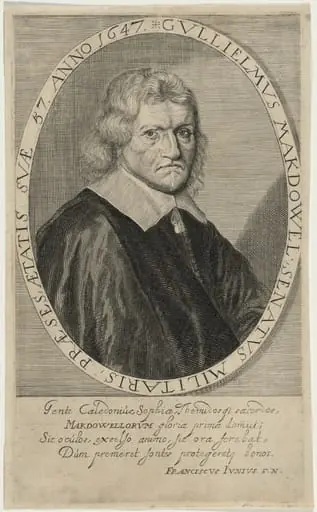
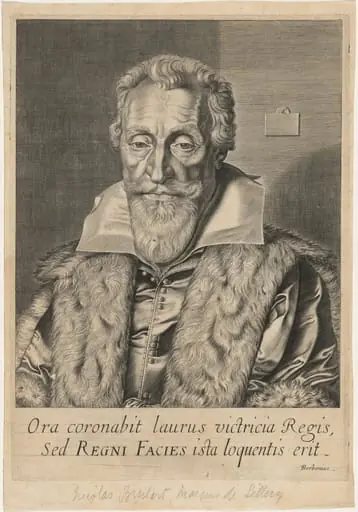
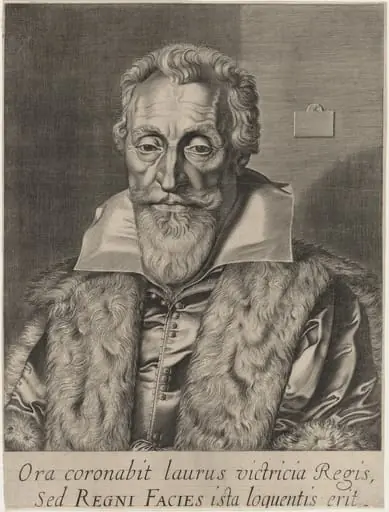
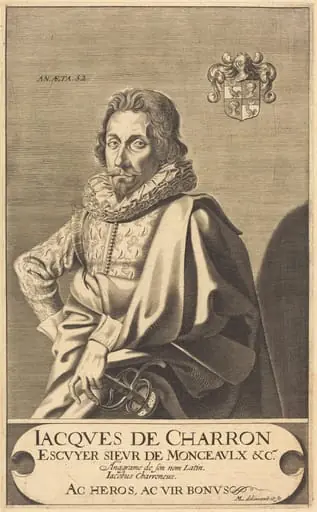
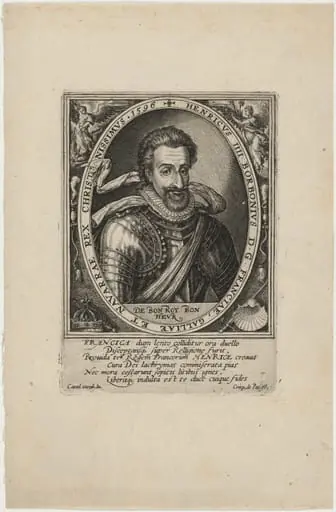
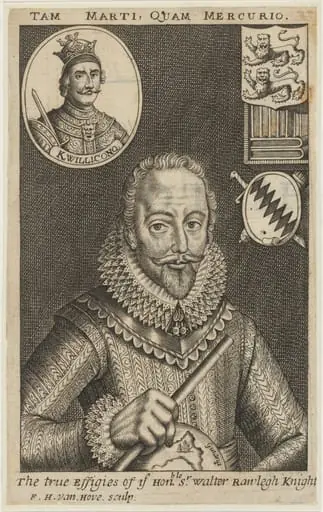
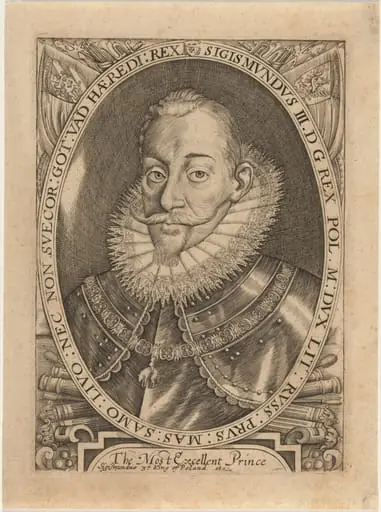
This engraving portrays Bonaventura, Comte de Buquoy, a nobleman of the early 17th century, rendered with meticulous detail. The image is framed by an elaborate decorative border and inscribed with text in a flowing script, likely Latin or French. The use of fine cross-hatching and tonal gradation demonstrates the engraver’s technical precision, typical of high-status portraiture in the period. The dark background isolates the figure, emphasizing his dignified presence.
Subject & Meaning
The subject, Bonaventura de Buquoy, was a military commander and imperial official. His attire—a ruffled collar, draped cloak, and the object held in his right hand—suggests both aristocratic status and martial authority. The pose and accoutrements convey leadership and composure, aligning with the conventions of noble portraiture in Habsburg territories. The inscription likely identifies him and may include titles or dates, reinforcing his social and political role.
Technique & Style
The engraving employs fine, controlled lines and dense cross-hatching to model form and texture, particularly in the fabric of the cloak and the curls of the beard. The contrast between the dark background and the illuminated figure enhances three-dimensionality. The ornate border, with its curved lettering, reflects the decorative traditions of printmaking in the early Baroque era, where craftsmanship and elegance were integral to the image’s function as a status object.
History & Provenance
Produced in the early 1600s, this print likely served as a portrait for circulation among court circles or as a commemorative piece. Engravings of nobles like Buquoy were often commissioned by families or the imperial court to affirm lineage and loyalty. Its survival suggests it was preserved in a private collection or archive, possibly linked to Habsburg administrative networks in the Low Countries or Bohemia.
Context
During the Thirty Years’ War, portraiture in print form became a tool for reinforcing political alliances and aristocratic identity. Engravers in cities like Prague, Brussels, or Antwerp produced such images for elite patrons. Buquoy’s role as a military leader placed him within this network, and his likeness in print would have circulated among officials, allies, and rivals as a symbol of imperial service.
Legacy
This engraving exemplifies the role of print in preserving the image of early modern nobility. While not widely known today, such works were essential in shaping public perception of power and lineage. The technical skill evident here influenced later generations of printmakers, and surviving examples remain valuable for understanding the visual culture of Habsburg-era elites.
Artist & collection

Artist