Artwork
Colonel John Lilburne
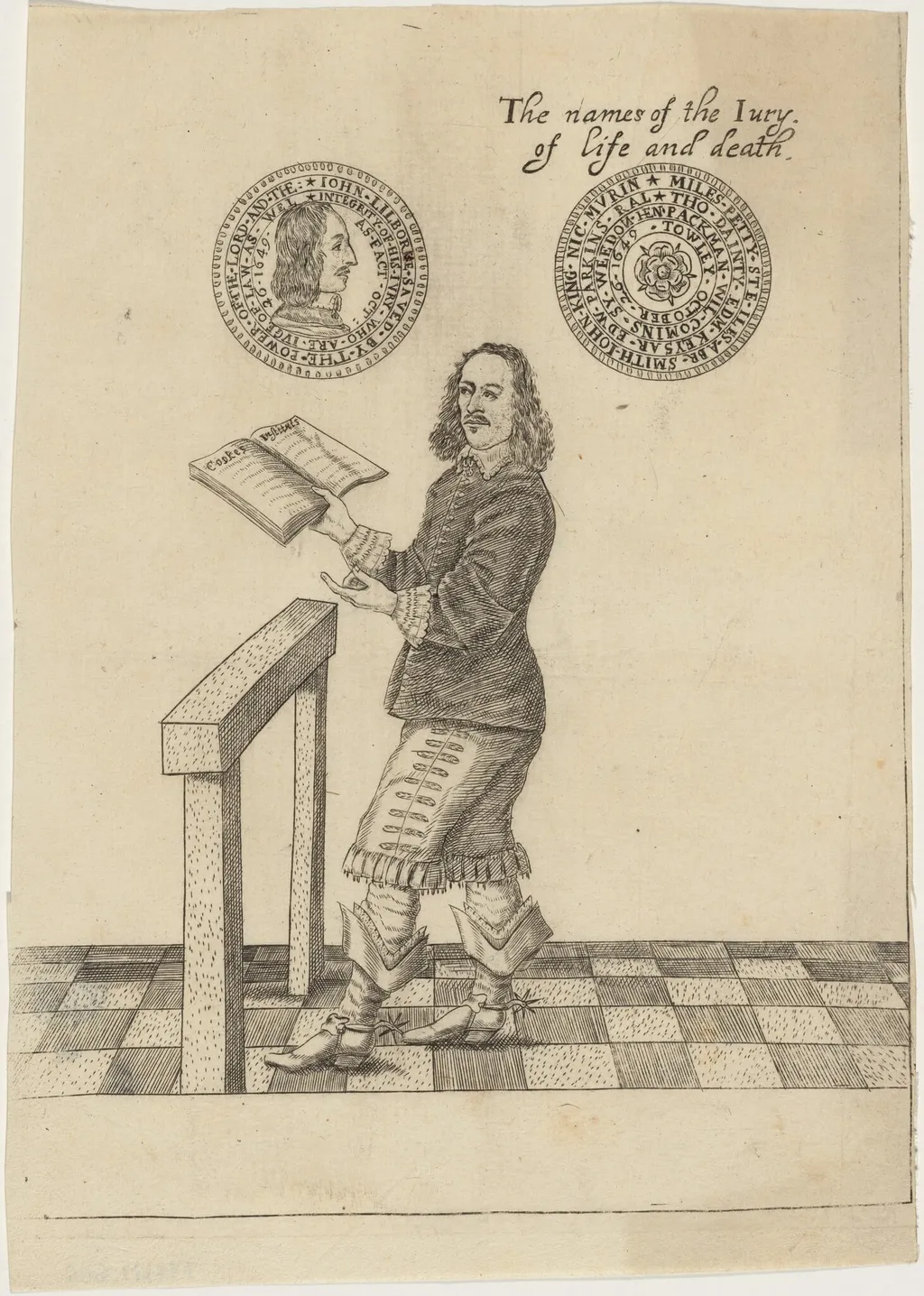
Colonel John Lilburne is an ink print by the Baroque artist Unknown 19th Century. It dates from 1649 and is held in the collection of the National Gallery of Art.
About this work
Overview
Above him, two circular seals bear inscriptions and symbols, accompanied by the phrase 'The names of the Jury of Life and Death.
This engraving depicts Colonel John Lilburne, a prominent Leveller leader, standing behind a wooden pulpit. He holds an open book marked 'Cocker' and gestures as if addressing an audience. Above him, two circular seals bear inscriptions and symbols, accompanied by the phrase 'The names of the Jury of Life and Death.' The composition suggests a legal or moral tribunal, aligning Lilburne with themes of justice and civic accountability.
Subject & Meaning
Lilburne, known for his advocacy of legal rights and parliamentary reform, is portrayed not as a soldier but as a moral arbiter. The book labeled 'Cocker' likely refers to a popular legal manual of the era, reinforcing his role as a defender of common law. The seals above may symbolize divine or state authority, while the phrase 'Jury of Life and Death' evokes the weight of judgment in a society grappling with justice after civil war.
Technique & Style
Executed in fine-line engraving, the image relies on precise incisions to render texture and form. The figure’s long coat and boots are defined by controlled hatching, while the seals above are rendered with symmetrical detail to convey institutional weight. The absence of shading emphasizes linearity, typical of 17th-century printmaking, where clarity and symbolic legibility outweigh naturalistic depth.
History & Provenance
The engraving was likely produced during or shortly after the English Civil War, when Lilburne’s radical views made him a polarizing figure. It may have been circulated by supporters to legitimize his legal arguments or by opponents to mock his self-styled authority. No definitive record of its original publisher survives, but similar prints were distributed in pamphlet form among political factions in London.
Context
In the 1640s and 1650s, printed images were vital tools in political discourse. Lilburne’s portrayal as a jurist reflects the Levellers’ push to ground governance in written law rather than royal prerogative. The use of seals and jury imagery mirrors contemporary debates over trial by peers and the limits of state power, embedding the portrait within a broader culture of legal and constitutional agitation.
Legacy
This engraving endures as a visual artifact of early modern political radicalism. It captures how dissenters used iconography to frame their causes as lawful and moral. Though not widely reproduced today, it contributes to the historical record of how visual media shaped public perception of political figures during a time when print was the primary medium for ideological contestation.
Artist & collection

Artist

 James Shirley
 William Lilly
 James Shirley
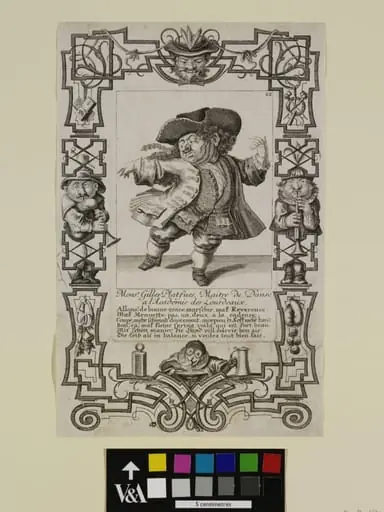 Monsr Gilles Platfues, maître de danse à l'Academie des Lourdeaux.
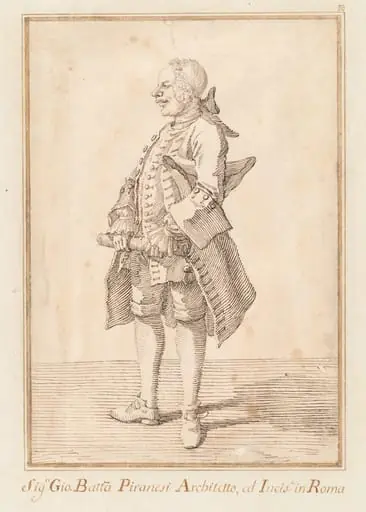 Giovanni Battista Piranesi
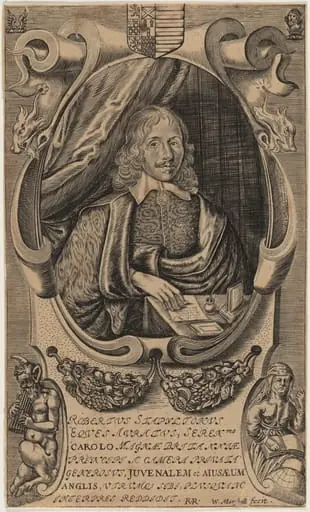 Sir Robert Stapylton, dramatic poet and translator
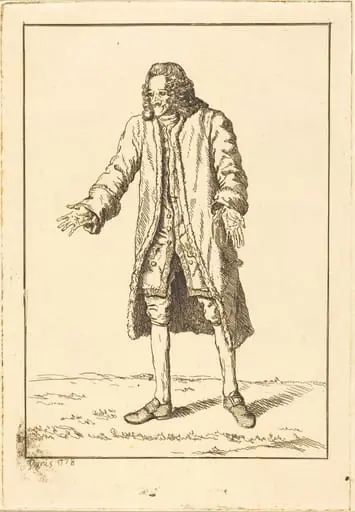 Voltaire
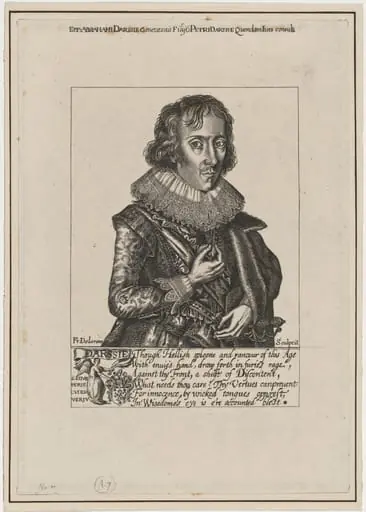 Abraham Darssie
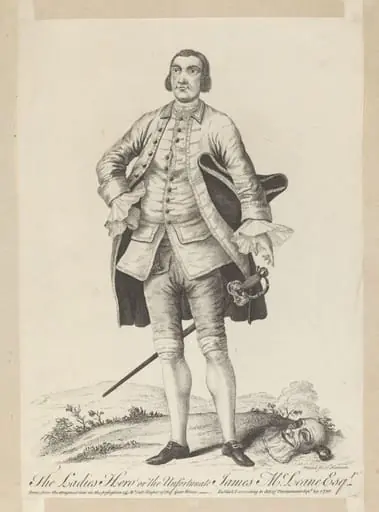 H Beard Print Collection
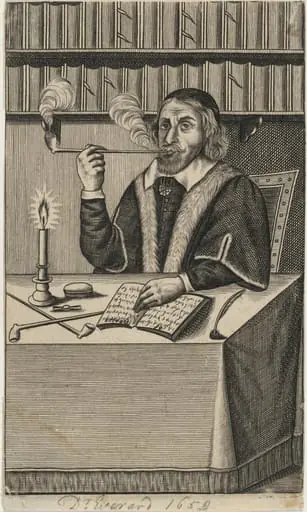 Dr. Giles Everard Seated at a Table Smoking aPipe
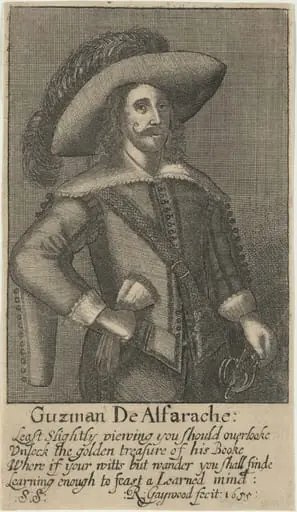 Guzman de Alfarache
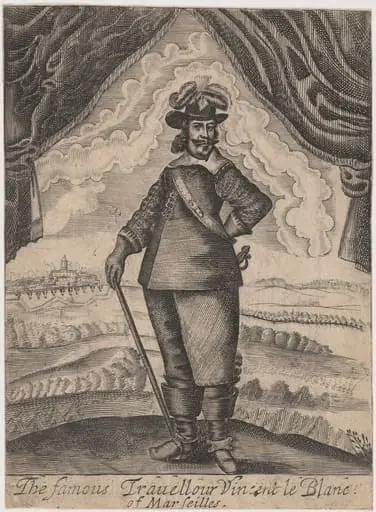 Vincent le Blanc of Marseilles