Artwork
Vincent le Blanc of Marseilles
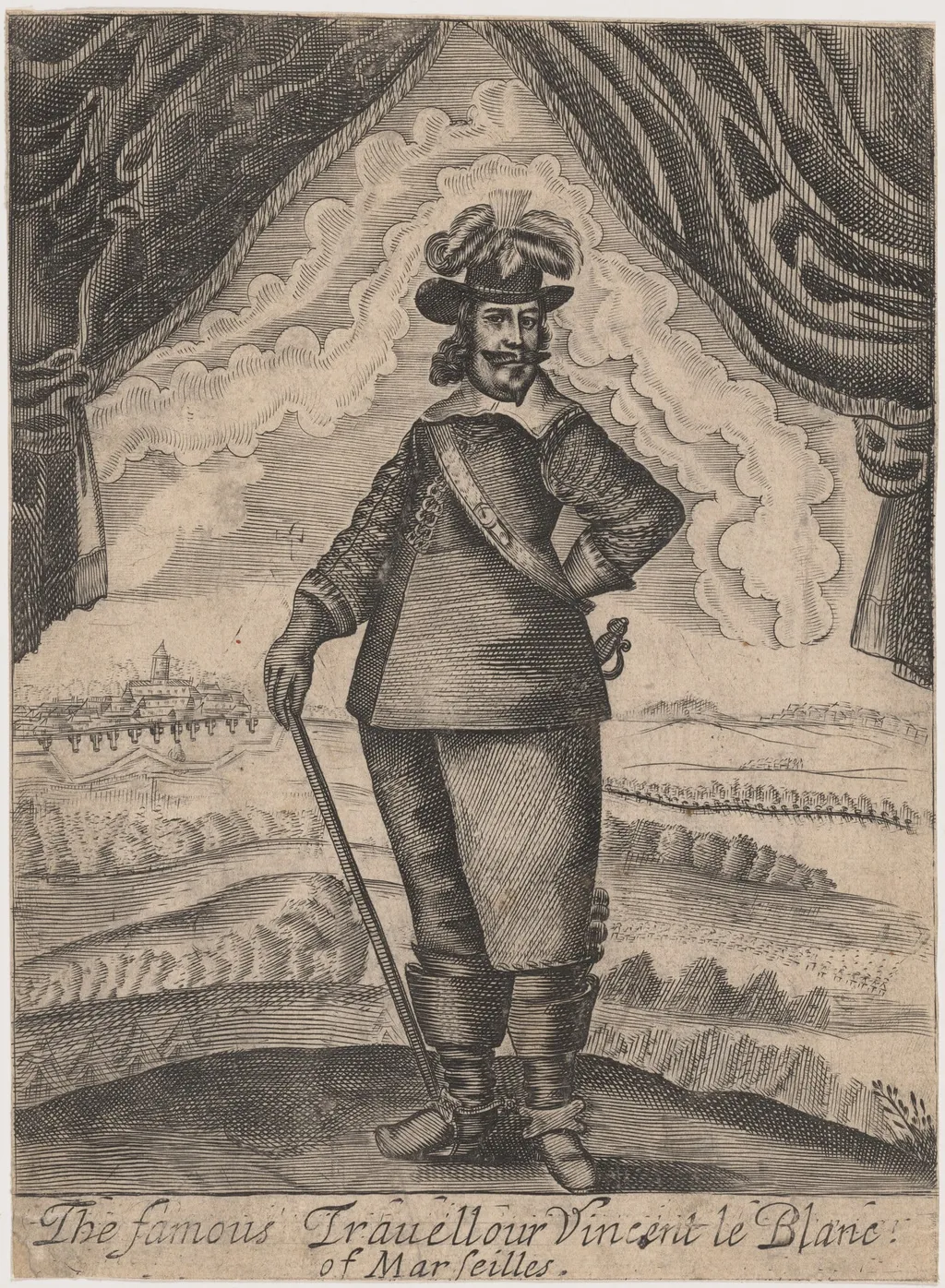
Vincent le Blanc of Marseilles is an ink print by the Romanticist artist Unknown 19th Century. It dates from 1850 and is held in the collection of the National Gallery of Art.
About this work
Overview
The background features a sparse, flat landscape with a distant structure and a winding path, grounding the portrait in a quiet, earthly setting.
Vincent le Blanc of Marseilles is an engraved print depicting a man in late 17th-century attire, rendered with meticulous line work. The figure stands upright, exuding composure, with a walking stick and broad-brimmed hat suggesting status or profession. The background features a sparse, flat landscape with a distant structure and a winding path, grounding the portrait in a quiet, earthly setting.
Subject & Meaning
The subject, identified as Vincent le Blanc, appears as a figure of quiet authority, possibly a local official, merchant, or landowner from Marseilles. His posture—hand on hip, staff in hand—conveys self-assurance without ostentation. The plain surroundings suggest a focus on personal dignity rather than wealth, aligning with civic or bourgeois ideals of the period.
Technique & Style
The engraving employs fine cross-hatching to model form and depth, with densely packed parallel lines building shadow and texture. This method creates a tactile quality in fabric, leather, and terrain, lending the image a sculptural presence. The precision of the lines reflects the technical discipline of printmaking, prioritizing clarity and detail over expressive brushwork.
History & Provenance
The print originates from a tradition of portraiture in southern France, likely produced in the late 1600s. While Vincent le Blanc’s identity remains largely unverified in broader historical records, the work may have served as a personal or familial keepsake, or a local commission. Its survival suggests it was valued within a private or regional context.
Context
During the late 17th century, engraved portraits were common among the French middle class as affordable alternatives to painted likenesses. Marseilles, as a bustling port city, had a thriving artisan class that supported such prints. This work reflects the era’s interest in documenting individual identity through print, distinct from aristocratic portraiture.
Legacy
The engraving stands as an example of regional printmaking that prioritized realism and technical control. Though not widely exhibited, it contributes to the understanding of how ordinary individuals were visually represented in pre-modern France. Its use of cross-hatching remains instructive for studying the evolution of graphic techniques in early modern Europe.
Artist & collection

Artist

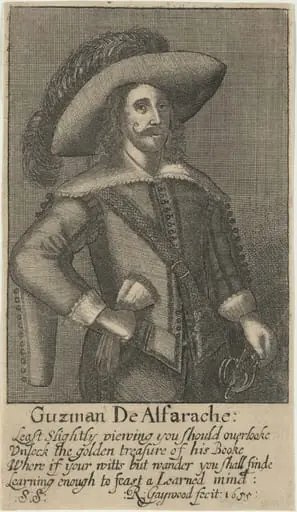 Guzman de Alfarache
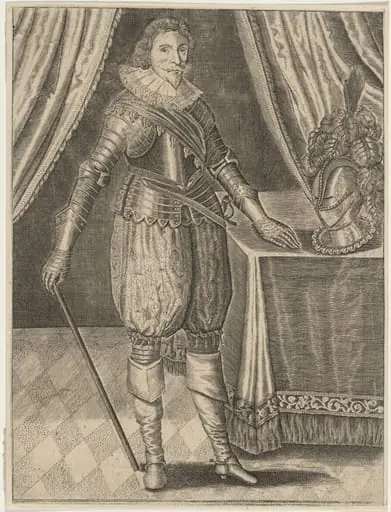 James, Second Marquis of Hamilton
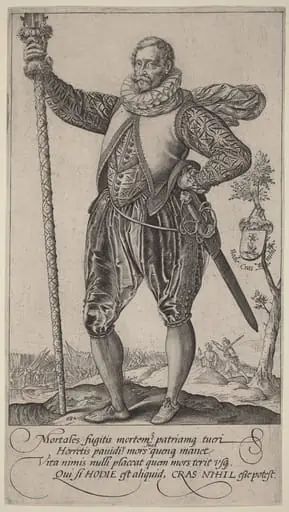 A Pike-Man Turned to the Left
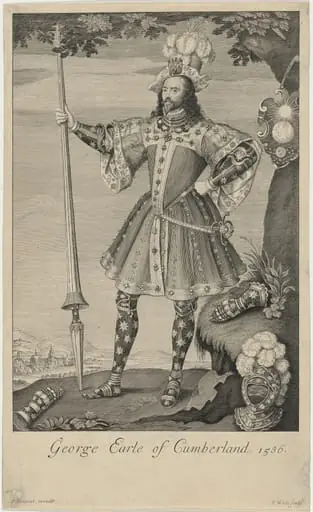 George, Earl of Cumberland
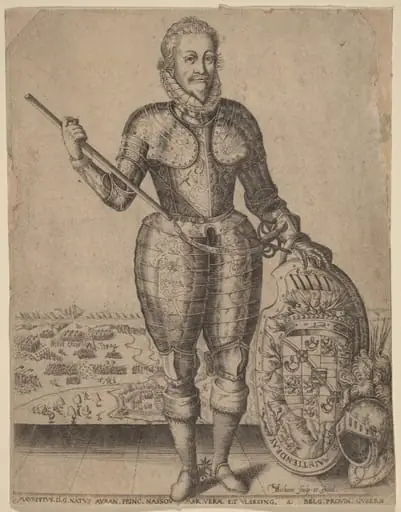 Maurice of Nassau, Prince of Orange
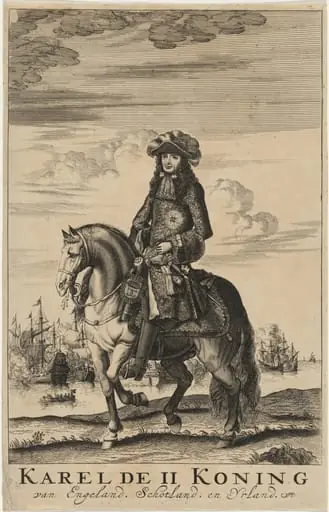 Charles II on Horseback
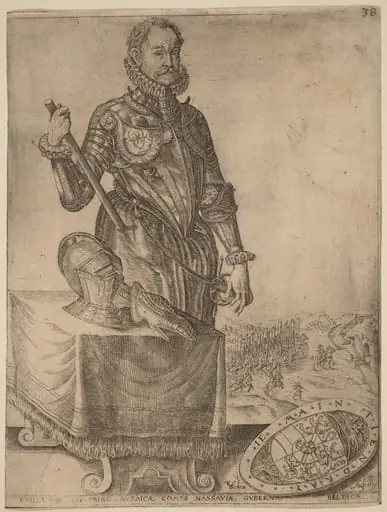 William of Nassau, Prince of Orange
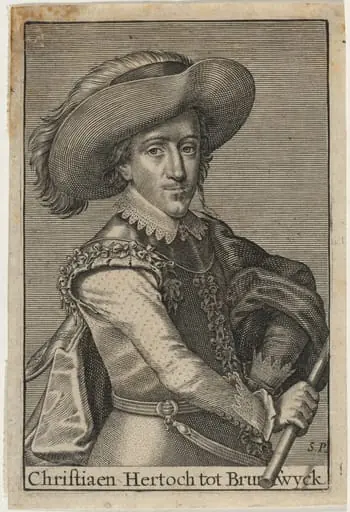 Christian, Duke of Brunswick
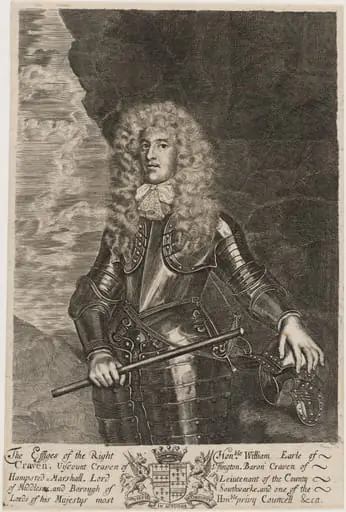 William, Earl of Craven
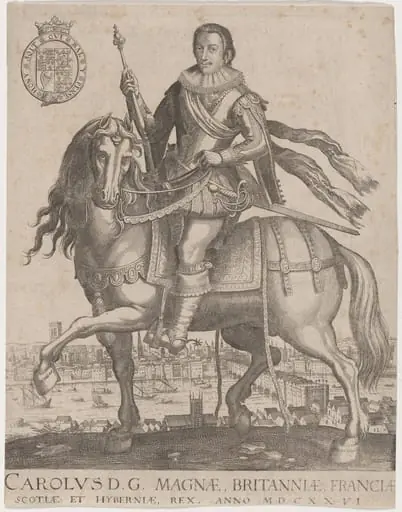 Charles I
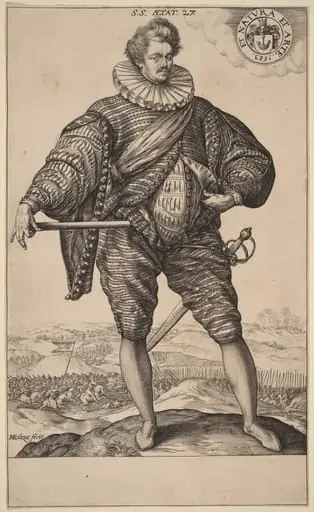 Stanislaw Sobocki (?)
 Louis XIII of France