Artwork
Philip II, King of Spain
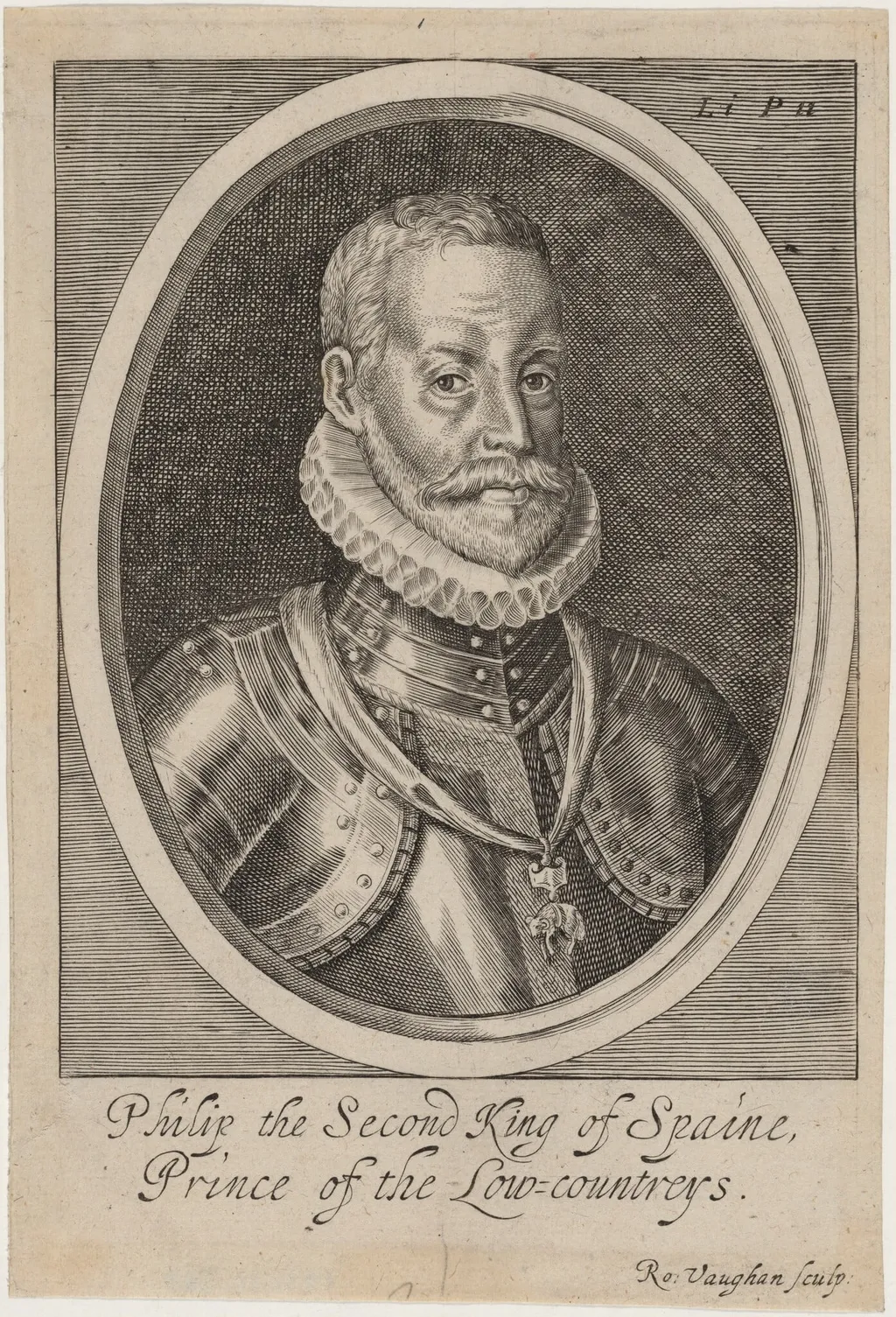
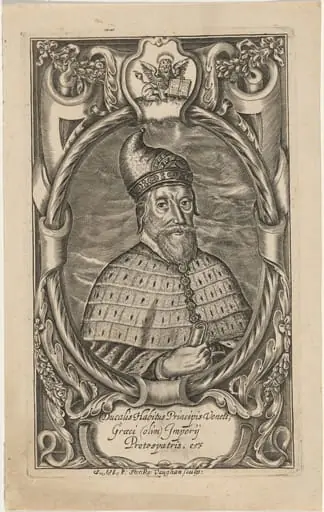
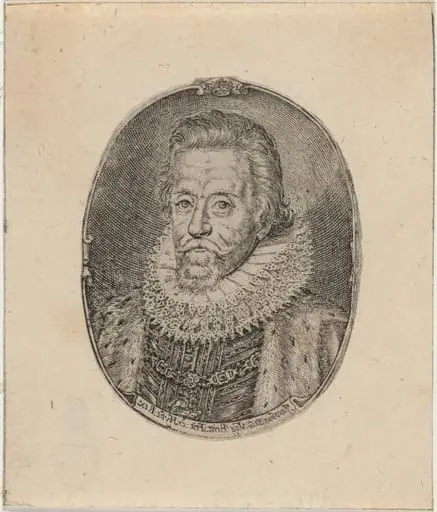
Philip II, King of Spain is an ink print by the Renaissance artist Robert Vaughan. It dates from 1640 and is held in the collection of the National Gallery of Art.
About this work
Overview
Executed in black ink on paper, the image presents a frontal view of the monarch with minimal background detail.
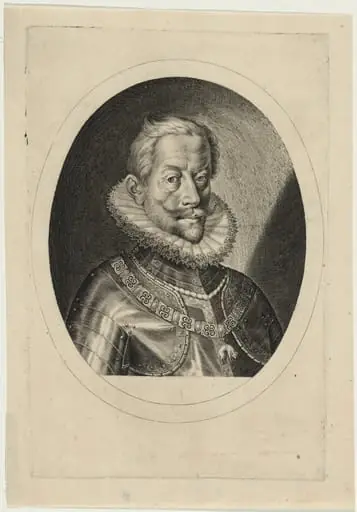
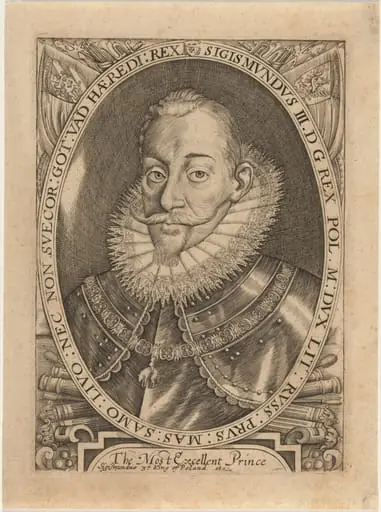
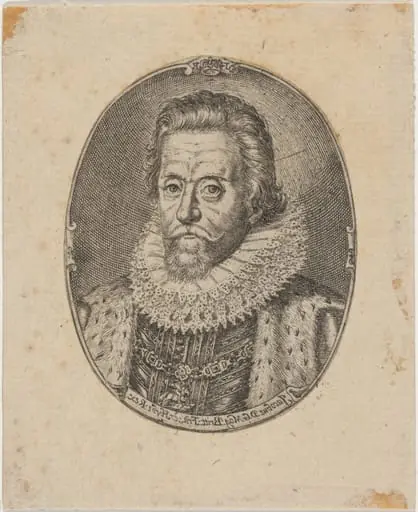
This 1640 engraving by Robert Vaughan depicts Philip II of Spain in formal portraiture. Executed in black ink on paper, the image presents a frontal view of the monarch with minimal background detail. The composition is restrained, emphasizing the subject’s attire and facial features through precise linear work. A narrow border surrounds the portrait, with an inscription beneath identifying the sitter and his titles.
Subject & Meaning
Philip II, ruler of Spain and its global empire, is portrayed with solemn dignity, reflecting his role as a sovereign deeply invested in religious and political authority. The ruff collar and ornate chain signify his status and connection to chivalric orders. The plain backdrop and formal pose convey gravitas, aligning with the tradition of royal portraiture meant to project legitimacy and control rather than personal warmth.
Technique & Style
Vaughan employed fine, controlled lines typical of engraving on copper plates to render texture and volume. Shading is achieved through cross-hatching and delicate parallel strokes, particularly around the beard, collar, and facial contours. The absence of tone or color emphasizes linearity and precision, characteristic of 17th-century printmaking aimed at clarity and reproducibility for wider distribution.
History & Provenance
Created in 1640, the engraving emerged during a period when printed portraits of European rulers circulated among elites and institutions. Vaughan, an English engraver, likely produced this image for a British audience interested in continental monarchs. Its survival suggests it was valued as a record of royal likeness, though its specific early ownership remains undocumented.
Context
This print reflects the broader European practice of using engraved portraits to disseminate the image of monarchs beyond court circles. Philip II, who died in 1598, was still a potent symbol decades after his death, especially in Protestant regions where his legacy as a defender of Catholicism remained influential. Such images served both as historical records and political statements.
Legacy
The engraving contributes to the visual archive of Habsburg rule, preserving a standardized representation of Philip II for later generations. While not artistically innovative, it exemplifies the role of print in shaping public perception of monarchy. Its straightforward style and textual identification mark it as a functional, rather than decorative, artifact of early modern visual culture.
Artist & collection