Artwork
Ferdinand Gonzaga
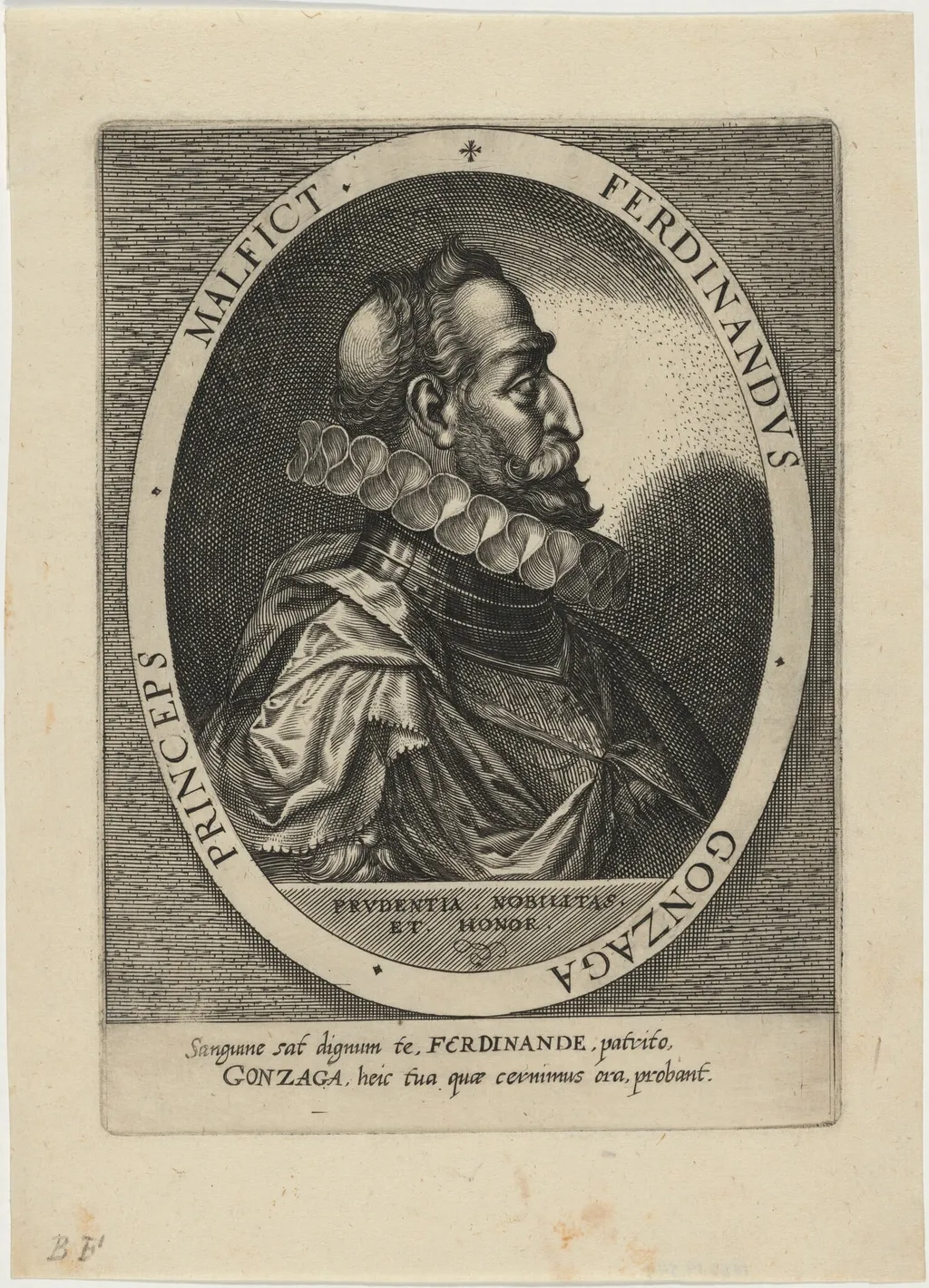
Ferdinand Gonzaga is an ink print by the Romanticist artist Unknown 19th Century. It dates from 1850 and is held in the collection of the National Gallery of Art.
About this work
Overview
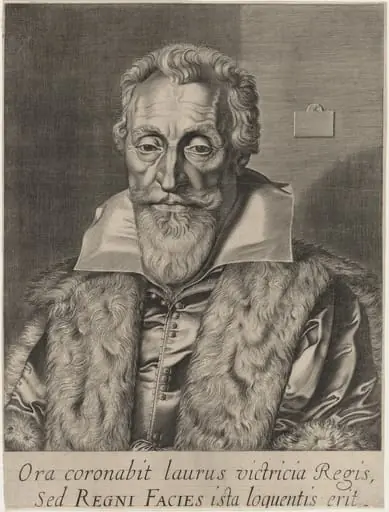
Rendered in fine linear detail, the portrait presents him in formal attire with a high, ruffled collar and curled hair.
This black-and-white engraving depicts Ferdinand Gonzaga, a member of the Italian noble Gonzaga family. Rendered in fine linear detail, the portrait presents him in formal attire with a high, ruffled collar and curled hair. The composition is contained within a decorative border, and his name encircles the image in a circular inscription. Below, a brief Latin inscription completes the formal presentation typical of early modern portraiture.
Subject & Meaning
Ferdinand Gonzaga, likely a cardinal or nobleman of the early 17th century, is portrayed with solemnity and dignity. His gaze, directed slightly away from the viewer, conveys introspection rather than confrontation. The circular inscription of his name reinforces his status and lineage, while the plain background focuses attention on his attire and bearing, emphasizing his position within the ecclesiastical or aristocratic hierarchy.
Technique & Style
Executed in engraving, the portrait relies on precise incised lines to model form and texture. The folds of the collar and fabric are rendered with delicate cross-hatching, creating a sense of volume and material weight. The patterned border and circular framing reflect conventions of printed portraiture from the period, where craftsmanship and clarity were prioritized over expressive flourish.
History & Provenance
The print likely originated in Italy during the early 1600s, produced to circulate the image of a prominent Gonzaga family member. Engravings like this were often commissioned for diplomatic gifts or private collections. Though the exact printer and date are unrecorded, the style aligns with workshop practices in Mantua or Rome, centers of noble portraiture and print production at the time.
Context
In early modern Europe, engraved portraits served as tools of identity and influence, especially among ruling families. The Gonzaga, as rulers of Mantua, used such images to assert their prestige across courts. This print reflects the broader trend of using print media to extend the visibility of nobility beyond their immediate territories, blending personal representation with dynastic messaging.
Legacy
As a specimen of early Baroque printmaking, this engraving contributes to the historical record of how noble identities were visually constructed and disseminated. While not widely known today, it remains a representative example of the intersection between print technology, aristocratic culture, and the formal conventions of portraiture in 17th-century Italy.
Artist & collection

Artist

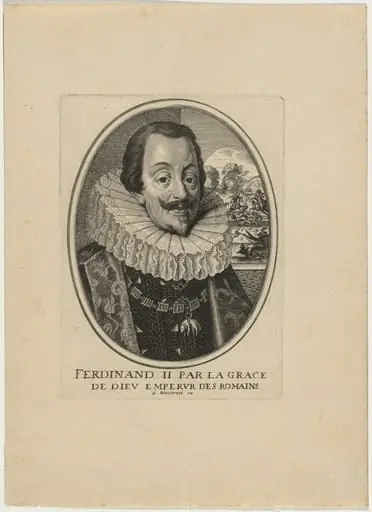 Ferdinand II, Par la Grace de Dieu Emperur des Romains
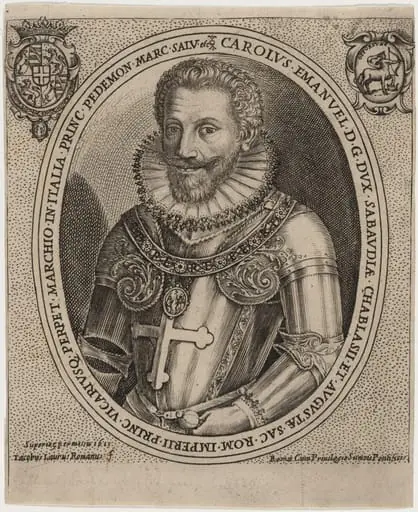 Charles Emmanuel I, Prince of Piedmont
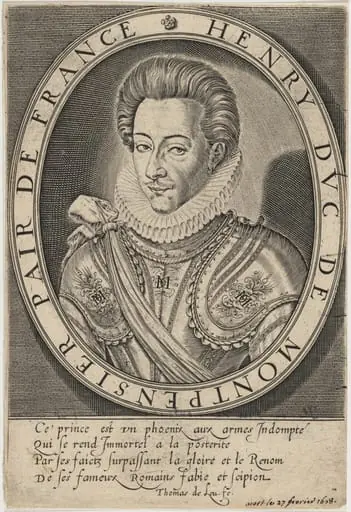 Henry, Duc de Moutpensier
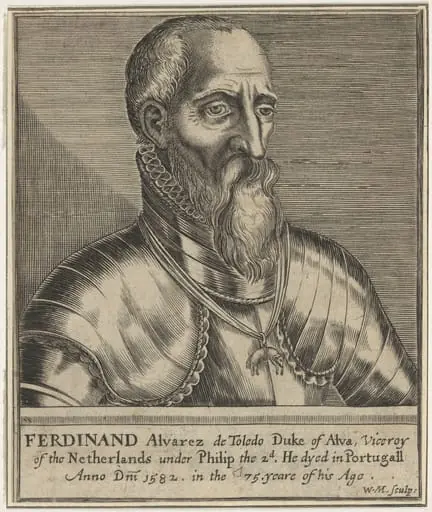 Duke of Alva
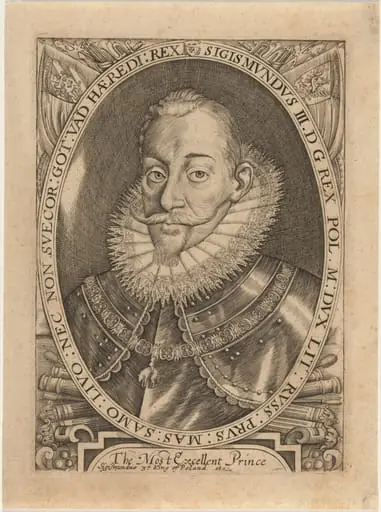 Sigismund III, King of Poland and Sweden
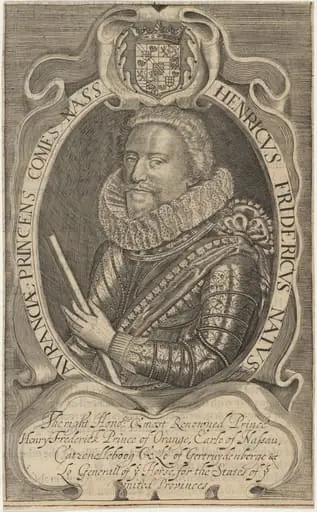 Frederick Henry, Prince of Orange
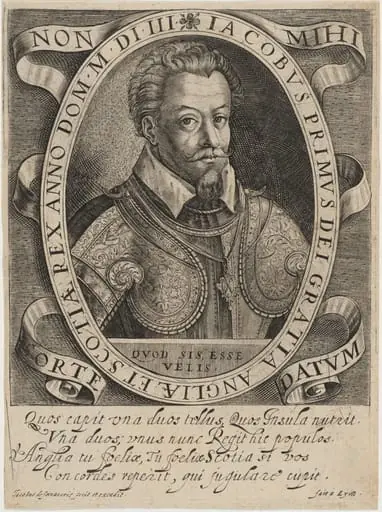 James I
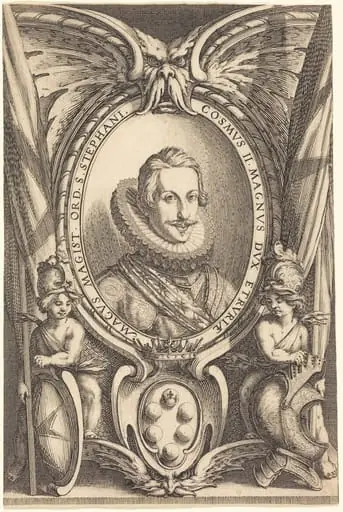 Cosimo II de' Medici, Grand Duke of Tuscany
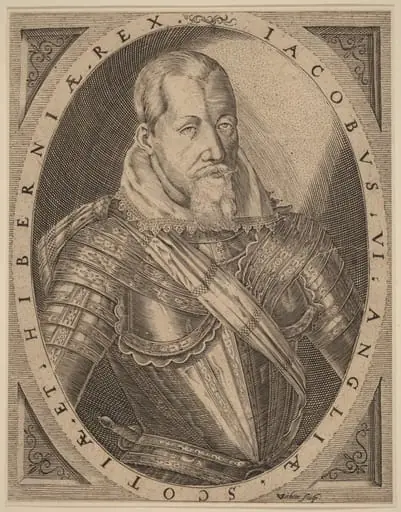 James I, King of Great Britain
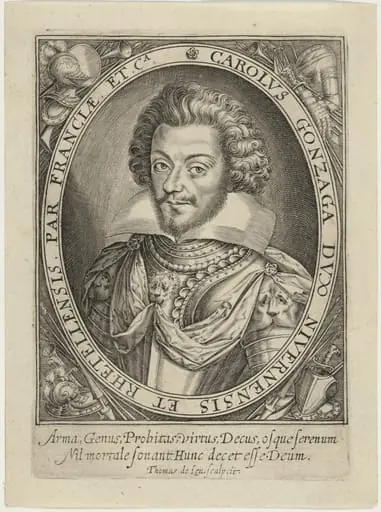 Carolus Gonzaga, Duc de Nevers-Rethel
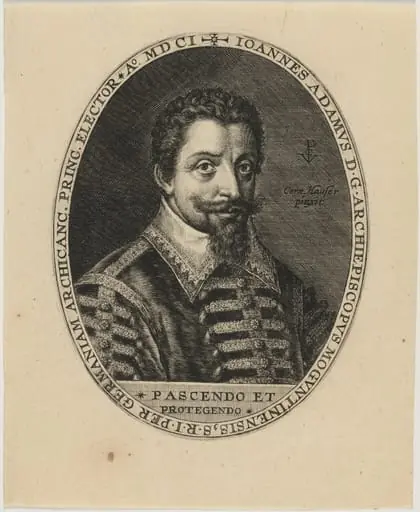 Joannes Adams