Artwork
James I, King of Great Britain
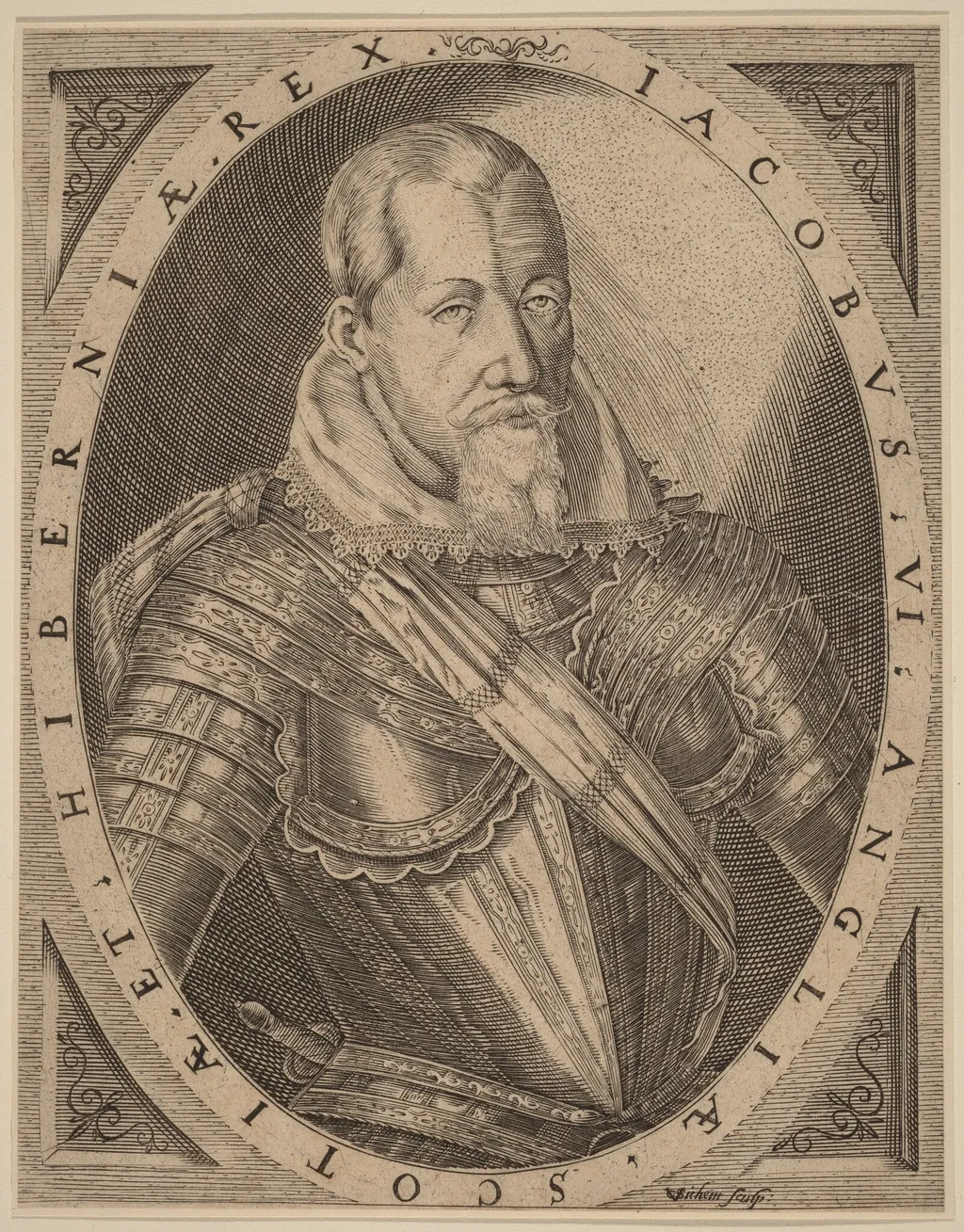
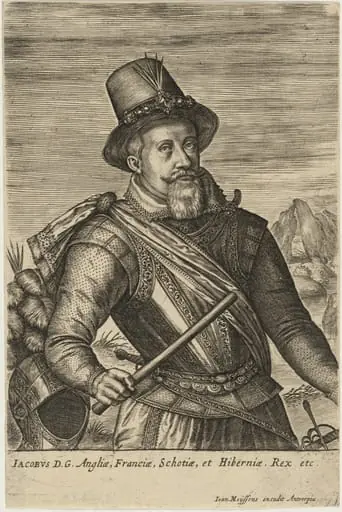
James I, King of Great Britain is an ink print by the Renaissance artist Christoffel van Sichem I. It dates from 1585 and is held in the collection of the National Gallery of Art.
About this work
Overview
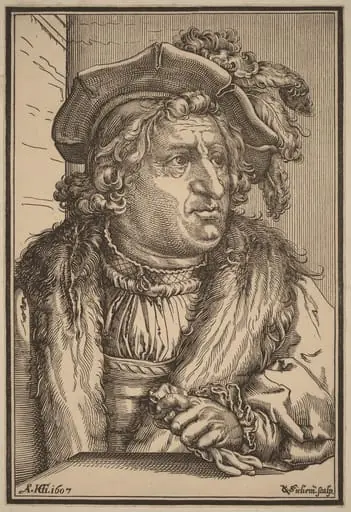
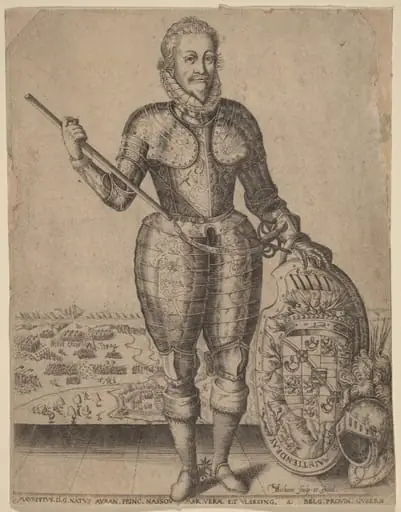
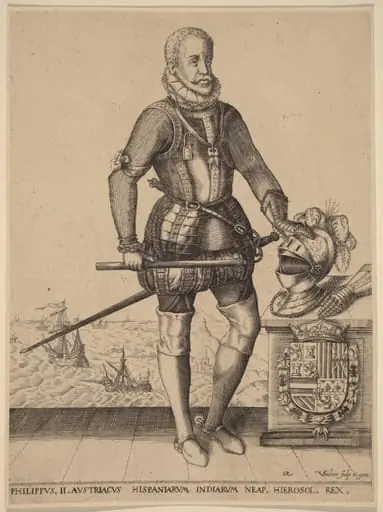
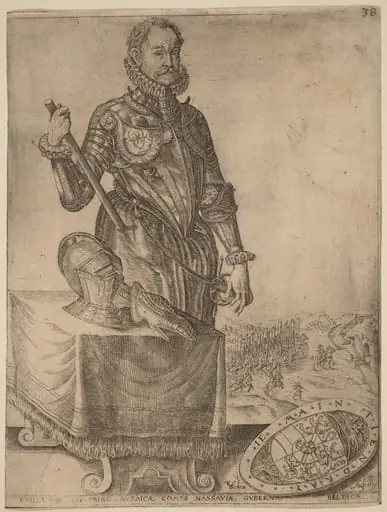
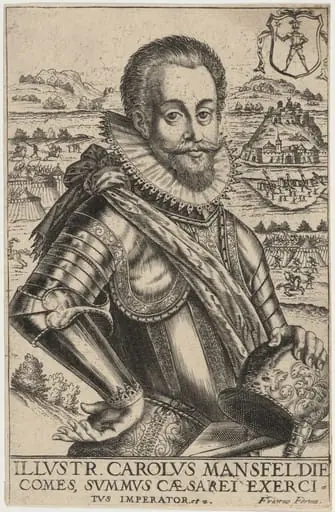
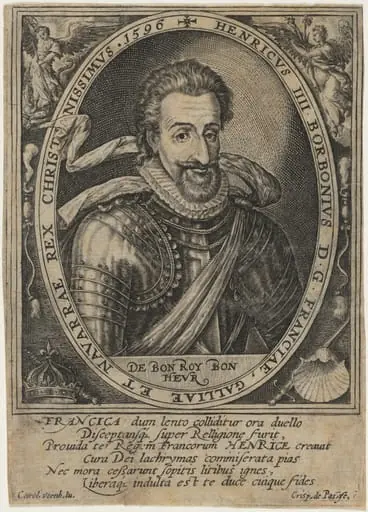
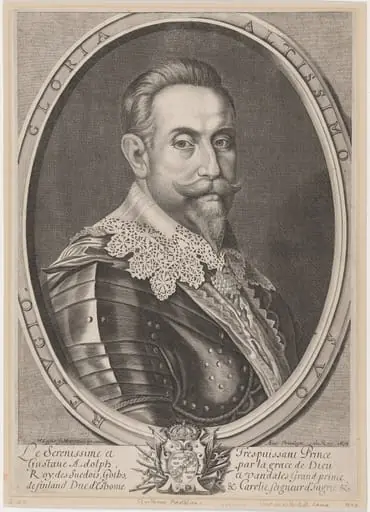
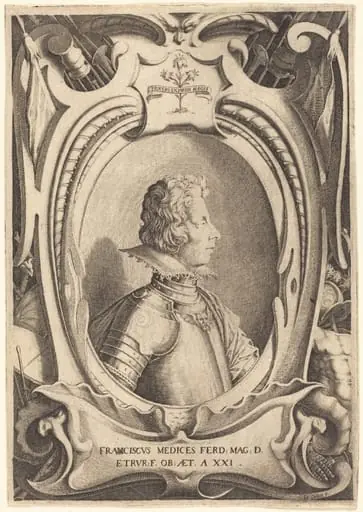
Christoffel van Sichem I’s 1585 engraving presents a portrait of James I, styled as King of Great Britain. Rendered in monochrome, the image shows the monarch with a full beard, short hair, and a ruffled collar, set against a plain background that is subtly framed by curved edges bearing his name and title.
Subject & Meaning
The work depicts James I in a dignified pose, his steady gaze and sharply defined facial features emphasizing royal authority. The inclusion of the inscription “JAMES I” and “KING OF GREAT BRITAN” reinforces his political identity and serves as a visual proclamation of his sovereignty during the early Stuart period.
Technique & Style
Van Sichem employs fine parallel hatching to model light and shadow, a hallmark of Renaissance printmaking. The delicate lines convey texture in the fabric of the collar and the contours of the skin, creating depth without the use of colour. The curved border functions both as a decorative frame and a textual element.
History & Provenance
Created in 1585, the engraving reflects the growing demand for printed portraits of monarchs in the late sixteenth century. While specific ownership records are scarce, prints of this type were commonly distributed among courtiers and collectors, contributing to the visual dissemination of the king’s image across Europe.
Context
The portrait belongs to a broader tradition of royal portraiture that sought to legitimize and publicize sovereign power through reproducible media. Engravings like this allowed for wider circulation than painted portraits, aligning with the expanding print culture of the Renaissance and the political need for recognizable royal iconography.
Legacy
Although not as widely cited as later state portraits, van Sichem’s engraving exemplifies early modern techniques for rendering authority in print. It provides scholars with insight into the visual strategies employed to construct monarchical identity before the advent of mass‑produced imagery.
Artist & collection