Artwork
Francis Manners, Earl of Rutland
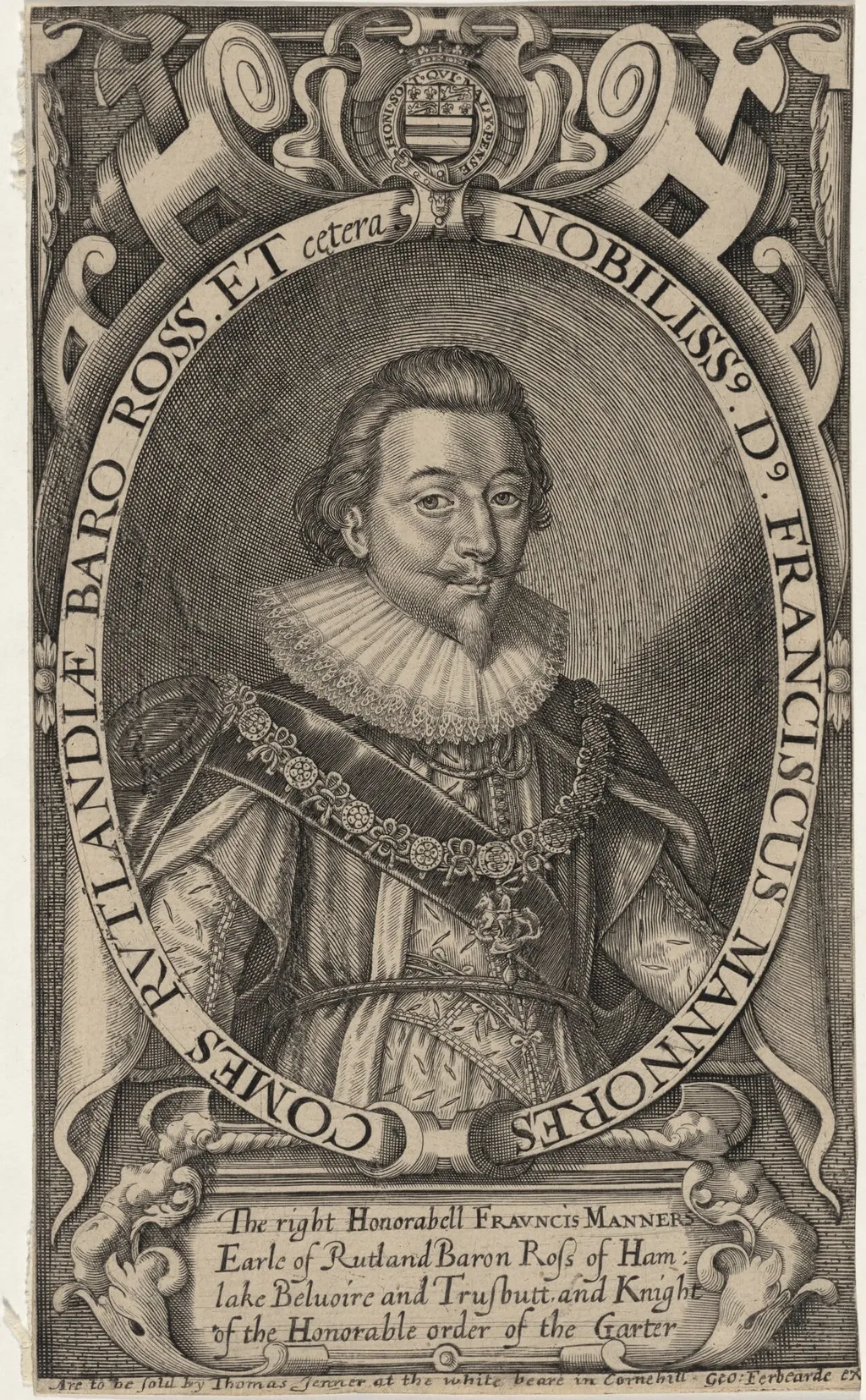
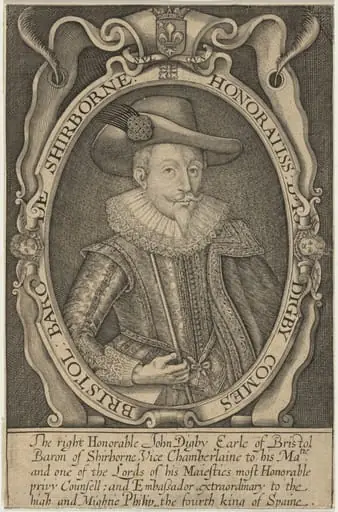
Francis Manners, Earl of Rutland is an ink print by the Romanticist artist Unknown 19th Century. It dates from 1850 and is held in the collection of the National Gallery of Art.
About this work
Overview
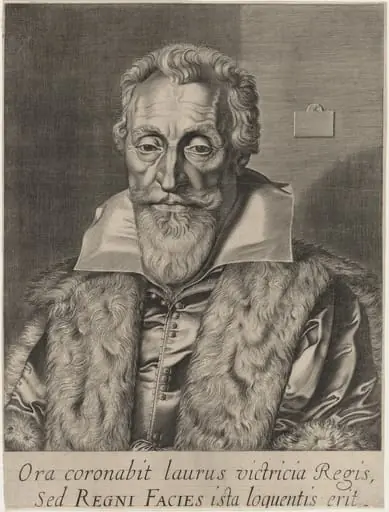
This black-and-white engraving depicts Francis Manners, Earl of Rutland, as a nobleman of early 17th-century England.
This black-and-white engraving depicts Francis Manners, Earl of Rutland, as a nobleman of early 17th-century England. Rendered in fine linear detail, the portrait emphasizes his status through formal attire and heraldic symbols. The absence of color is compensated by intricate cross-hatching, which models volume and texture with precision. The composition is framed by an ornate border inscribed with his full titles, reinforcing his aristocratic identity.
Subject & Meaning
Francis Manners is portrayed with solemn dignity, his high ruff and ornate chain of office signaling his rank and membership in the Order of the Garter. The shield bearing his family’s coat of arms anchors his lineage and territorial authority. The surrounding text, densely packed with titles, functions as both identification and ceremonial affirmation, transforming the portrait into a printed document of social standing rather than a mere likeness.
Technique & Style
The artist employs cross-hatching to build tonal depth and three-dimensionality, particularly in the folds of the ruff and the contours of the face. Fine, intersecting lines create shadow without pigment, relying on density and direction to suggest light and form. This method, common in engraved portraiture of the period, prioritizes clarity and precision over expressive brushwork, reflecting the print’s function as a reproducible record of nobility.
History & Provenance
Created during the early 1600s, the engraving likely served as a formal portrait for distribution among allies or as a keepsake within the Rutland family. Such prints were often commissioned to commemorate titles, marriages, or royal appointments. While the engraver’s identity is unrecorded, the work aligns with the tradition of English heraldic portraiture produced by skilled printmakers in London.
Context
In Jacobean England, engraved portraits of nobility were tools of political and familial assertion. They circulated among court circles and were collected as symbols of loyalty and lineage. The inclusion of the Garter insignia and elaborate titles reflects the era’s emphasis on hereditary privilege and the visual language of power, where every detail was calibrated to affirm status in a rigid social hierarchy.
Legacy
This engraving remains a representative example of how aristocratic identity was preserved and disseminated before photography. Its technical discipline and formal conventions influenced later portraiture in print, and it continues to serve as a primary source for understanding the visual culture of early modern English nobility. Few such works survive in original condition, making this a valuable artifact of its time.
Artist & collection

Artist

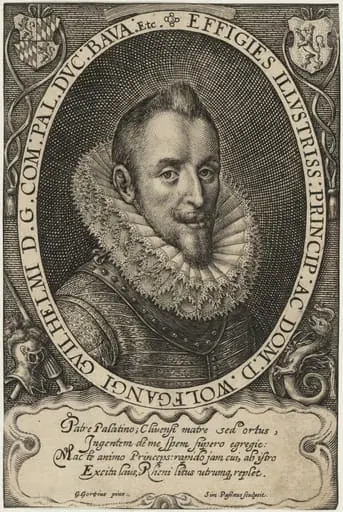 Wolfgang William, Count Palatine
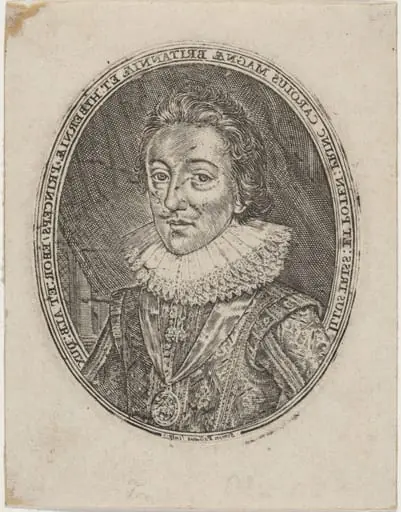 Charles I, King of England
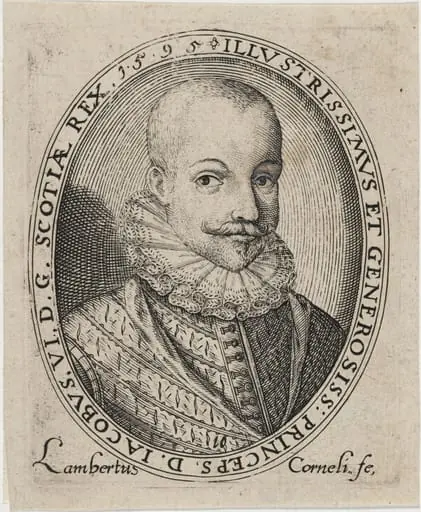 James I, as James VI of Scotland
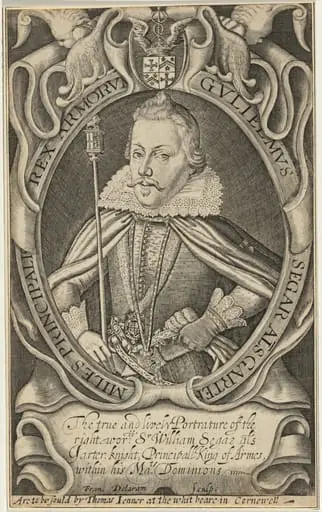 Guliemus Segar (Sir William Segar)
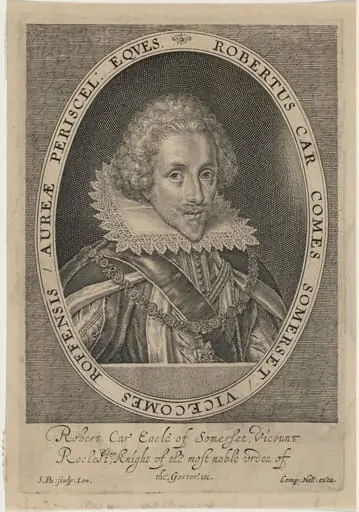 Robert Carr, Earl of Somerset
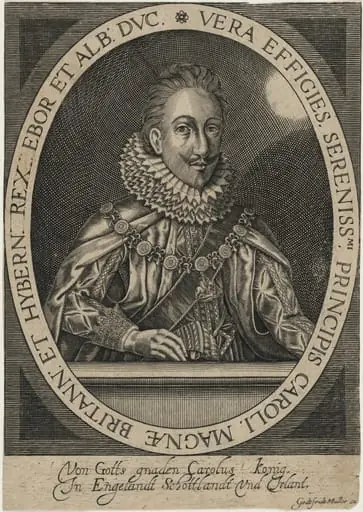 Charles I
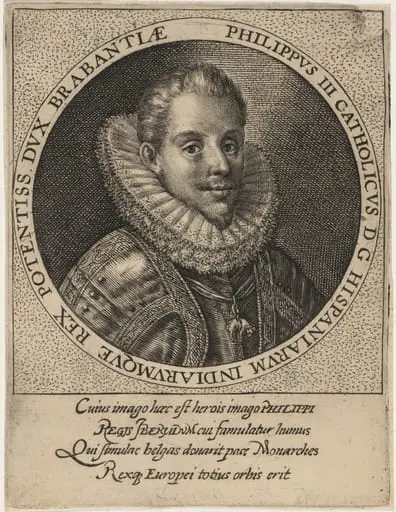 Philip III, King of Spain
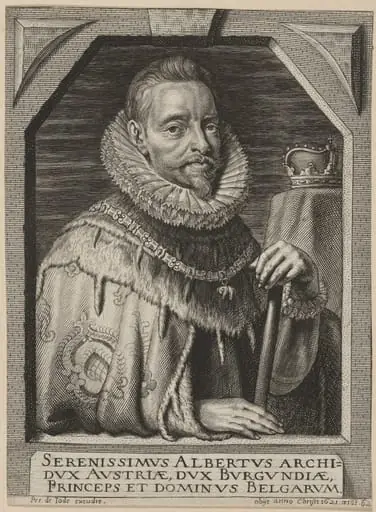 Albert VII, Archduke of Austria
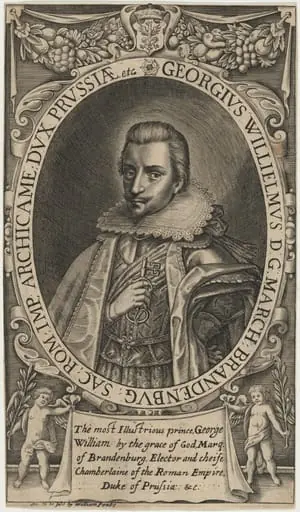 George William, Marqui of Brandenburg
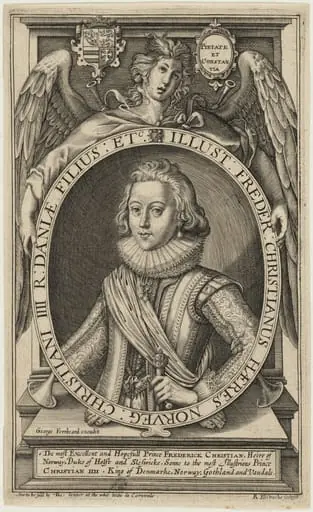 Frederick Christian of Denmark
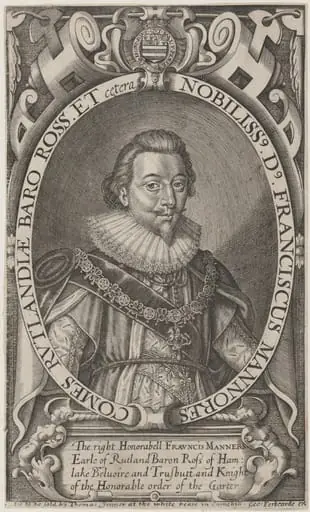 Francis Manners, First Earl of Rutland
 John Digby, Earl of Bristol, Ambassador to Spain