Artwork
James, Duke of Monmouth and Buccleuch
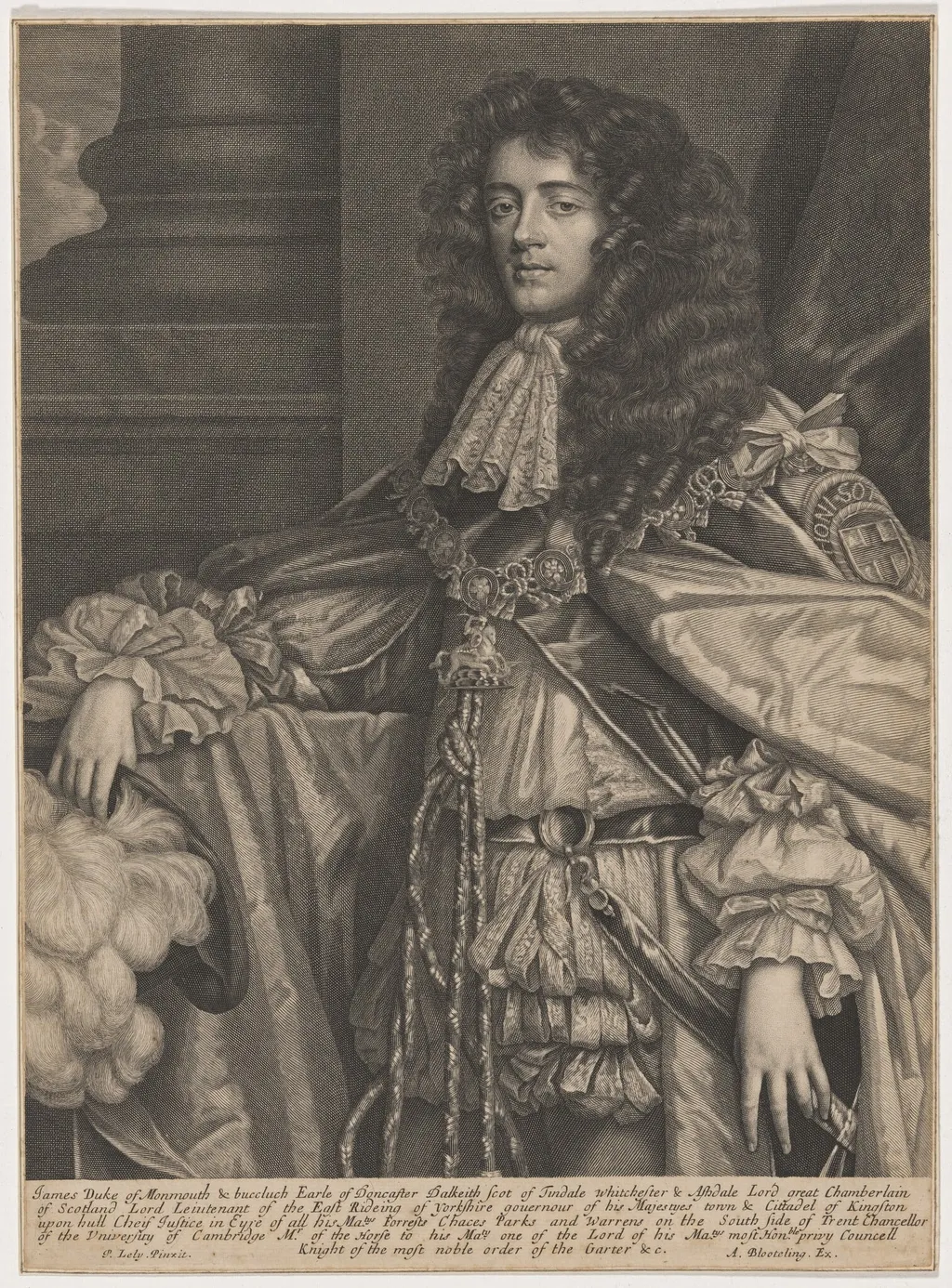
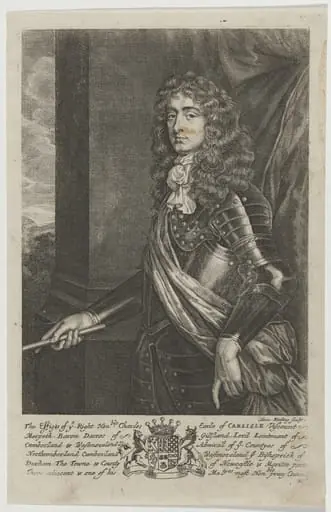
James, Duke of Monmouth and Buccleuch is an ink print by the Baroque artist Abraham Blooteling. It dates from 1665 and is held in the collection of the National Gallery of Art.
About this work
Overview
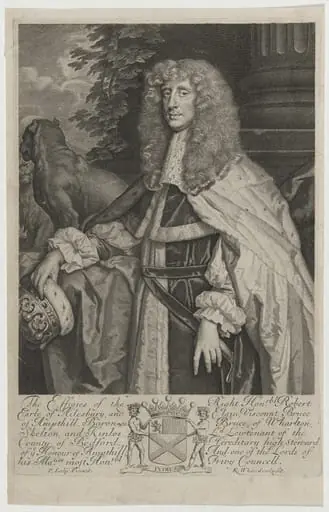
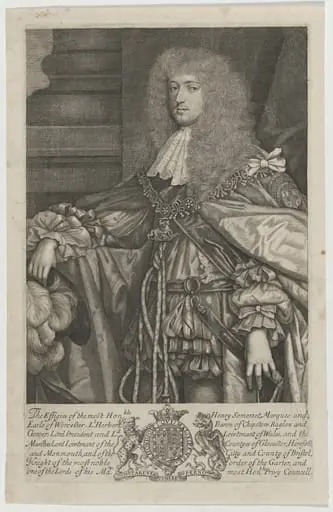
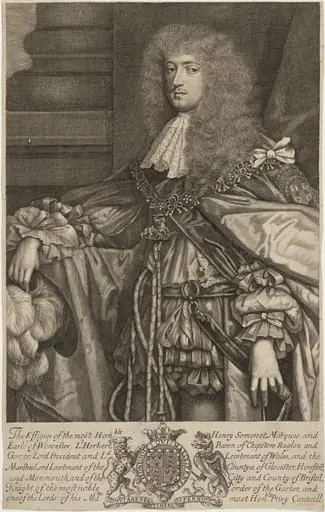
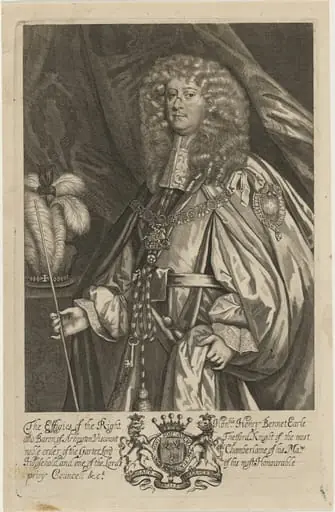
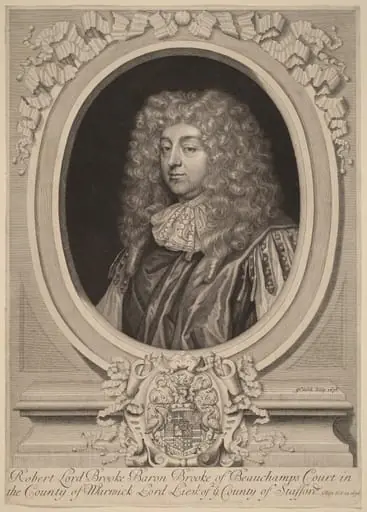
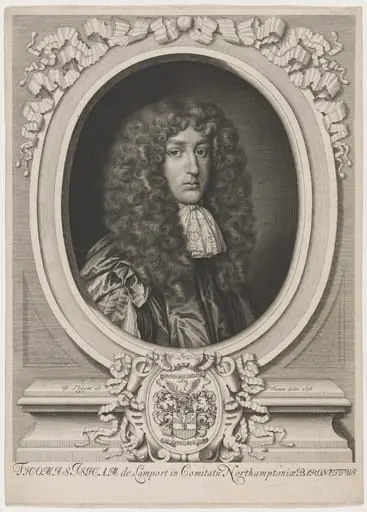
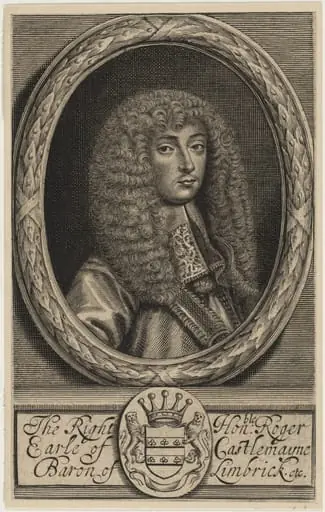
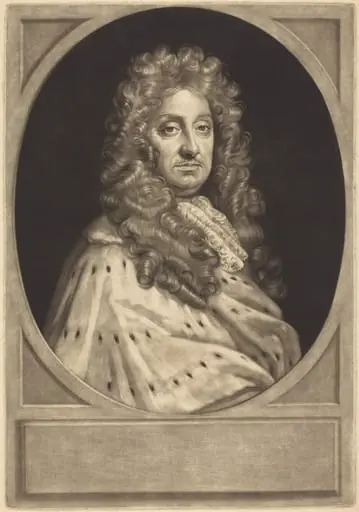
Abraham Blooteling’s 1665 engraving portrays James, Duke of Monmouth and Buccleuch, a prominent figure of the Restoration era. Rendered in black ink on paper, the image focuses on the duke’s elaborate attire and poised demeanor, set against an unadorned background that emphasizes his presence.
Subject & Meaning
The portrait presents the duke in full court dress, complete with a voluminous wig, a richly embroidered robe trimmed with ruffles and ribbons, and a cane in one hand. A flower, likely a rose or peony, rests in the other, serving as a conventional symbol of status and refinement.
Technique & Style
Blooteling employed fine line engraving to model the textures of fabric, hair, and accessories. Cross‑hatching and stippling create subtle gradations of tone, giving the heavy garments a sense of depth despite the medium’s monochrome limitation. The composition relies on precise line work rather than tonal washes.
History & Provenance
Created in 1665, the print was produced during Blooteling’s active period in Amsterdam, where he was known for portrait engravings of European nobility. The work likely circulated among collectors of aristocratic portraiture and may have been issued as part of a series of prints celebrating the English court.
Context
The duke, James Scott, was the illegitimate son of Charles II and a key political figure in the late 17th century. Portraits such as this reinforced his public image, aligning him with the fashion and authority of the Restoration court while also serving as a visual record for contemporaries and later audiences.
Artist & collection