Artwork
Henry III, King of France, When Duc d'Anjou
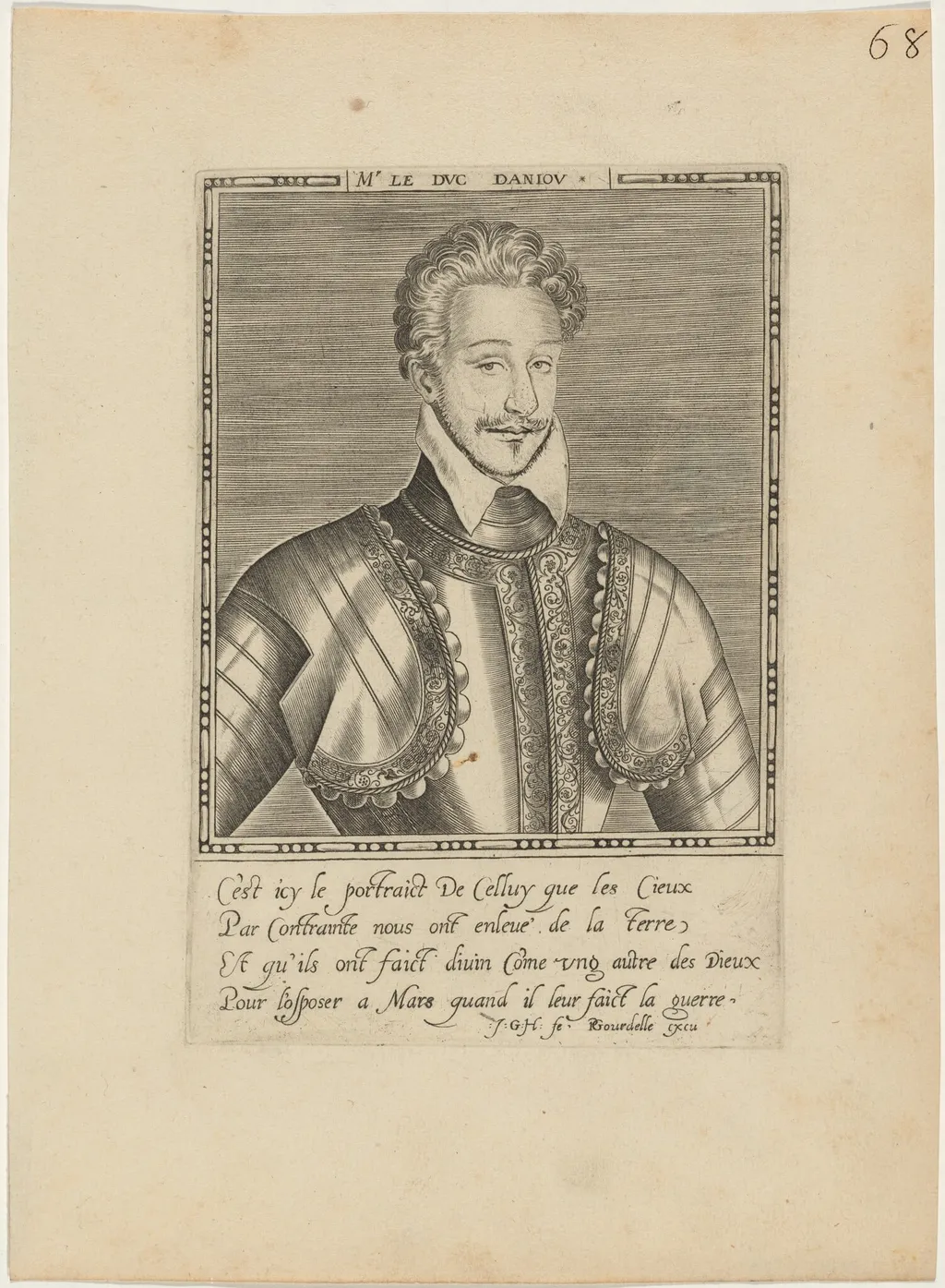
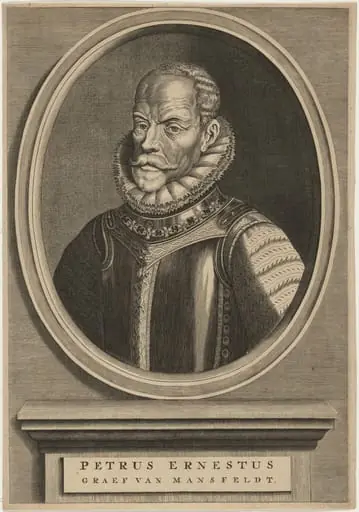
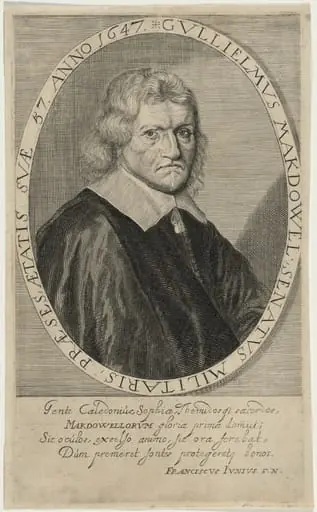
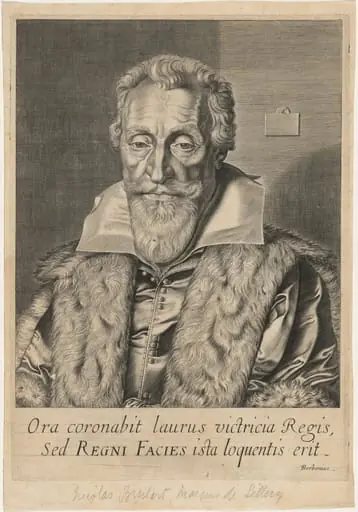
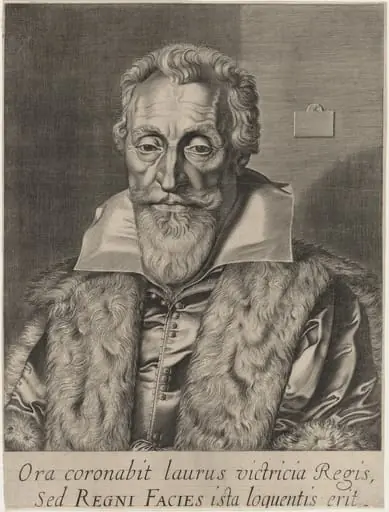
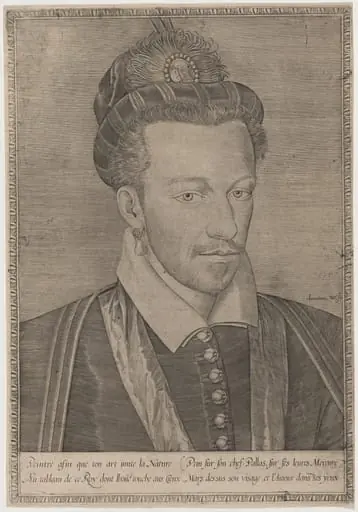
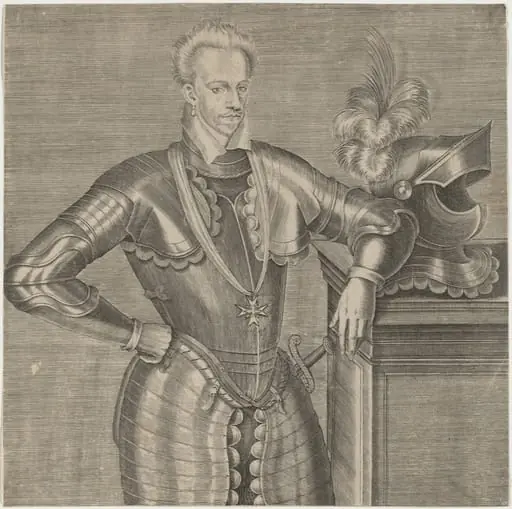
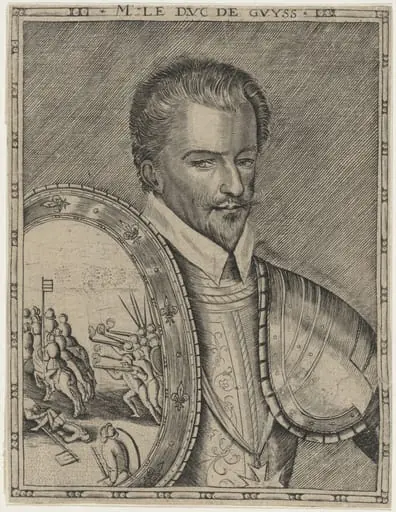
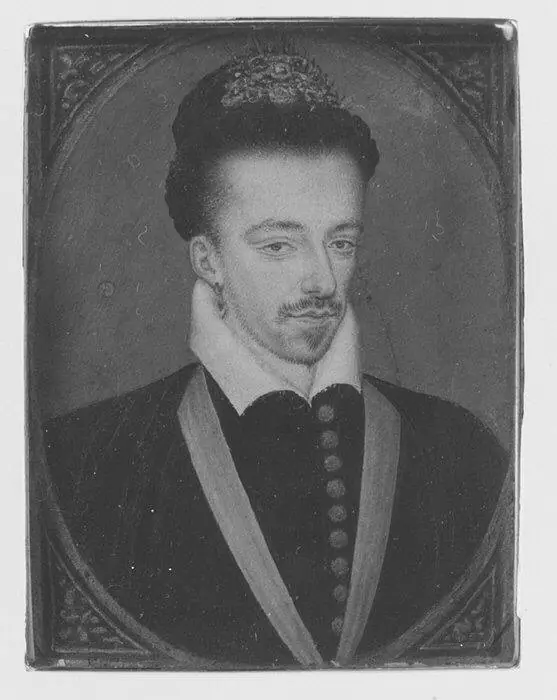
Henry III, King of France, When Duc d'Anjou is an ink print by the Romanticist artist Unknown 19th Century. It dates from 1850 and is held in the collection of the National Gallery of Art. This black-and-white engraving depicts Henry III of France during his time as Duc d'Anjou, before ascending the throne.
About this work
Overview
Executed with fine, controlled lines typical of late 16th-century printmaking, the portrait captures his formal attire and composed demeanor.
This black-and-white engraving depicts Henry III of France during his time as Duc d'Anjou, before ascending the throne. Executed with fine, controlled lines typical of late 16th-century printmaking, the portrait captures his formal attire and composed demeanor. The medium—engraving on metal—allowed for intricate rendering of textures, from lace collars to the sheen of dark fabric, reflecting the precision valued in courtly portraiture of the period.
Subject & Meaning
The subject is Henry III in his earlier role as Duke of Anjou, emphasizing his noble status and impending royal destiny. His attire, rich in lace and structured silhouettes, signals aristocratic refinement. The calm, direct gaze conveys authority without overt aggression, aligning with the image of a calculated ruler navigating France’s volatile religious and political climate of the time.
Technique & Style
The portrait was created using metal engraving, a technique involving incised lines on a copper plate inked and pressed onto paper. Fine, deliberate strokes define the texture of lace, the fall of fabric, and the contours of the face. The absence of color focuses attention on line and tone, characteristic of Northern European print traditions that prioritized detail and clarity over painterly effects.
History & Provenance
Created during Henry’s tenure as Duke of Anjou (1566–1574), the engraving likely served as a diplomatic or propagandistic tool to circulate his image among European courts. While the artist remains unidentified, the style suggests a connection to French or Flemish print workshops active in the 1570s. Its survival indicates continued interest in his likeness before his coronation as king in 1574.
Context
In the 1570s, France was deeply divided by religious conflict between Catholics and Huguenots. Portraits like this were used to project stability and legitimacy. Henry’s refined appearance, though personal, was also a political statement—emphasizing courtly elegance amid chaos. Engravings enabled wider dissemination than paintings, making them vital for shaping public and noble perception of royalty.
Legacy
As a printed image, this engraving contributed to the visual record of French monarchy during a turbulent era. Though not widely reproduced today, it exemplifies how print technology democratized access to royal imagery. Its preservation in collections underscores its role as a historical document, offering insight into the aesthetics and propaganda of late Valois rule.
Artist & collection

Artist