Artwork
Henry VIII
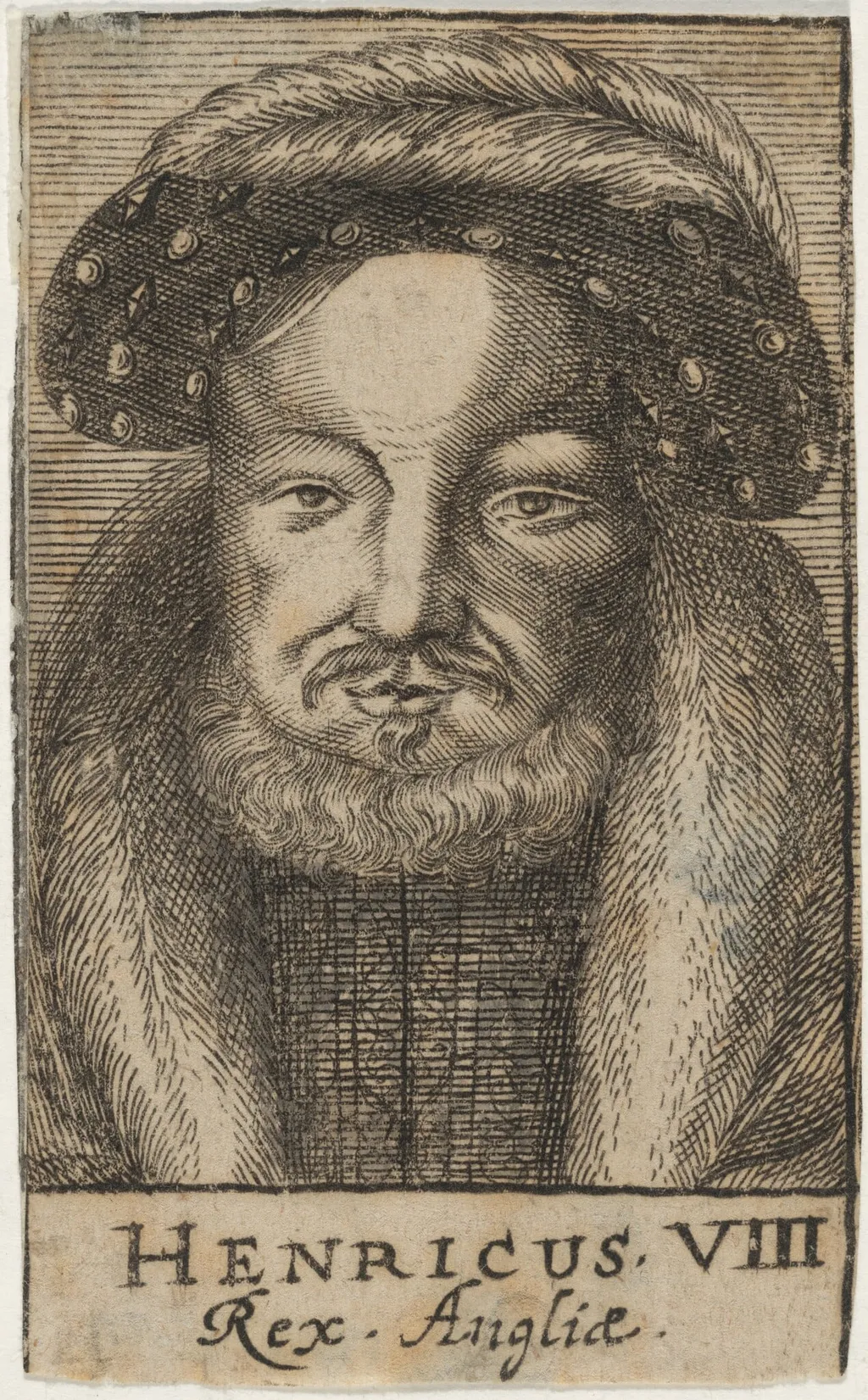
Henry VIII is an ink print by the Romanticist artist Unknown 19th Century. It dates from 1850 and is held in the collection of the National Gallery of Art.
About this work
Overview
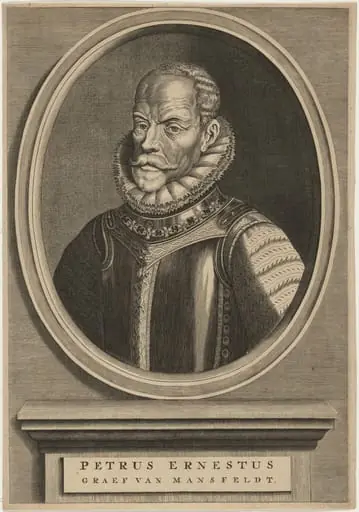
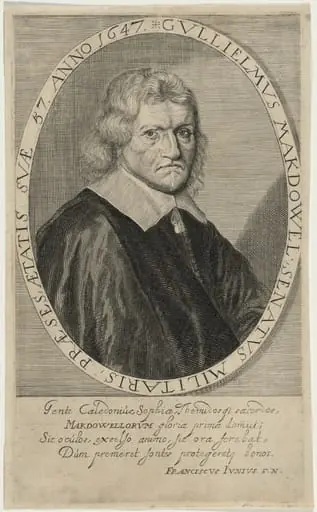
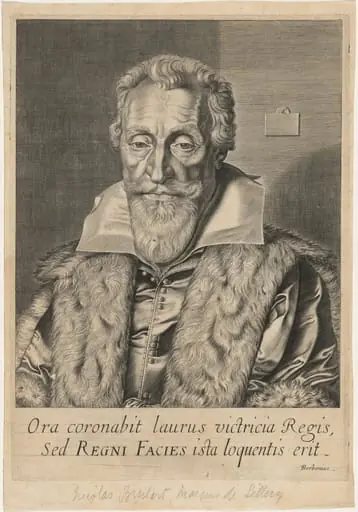
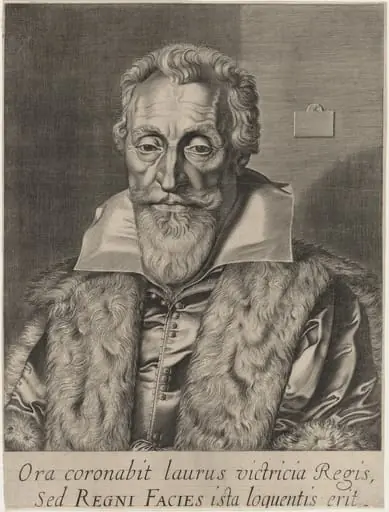
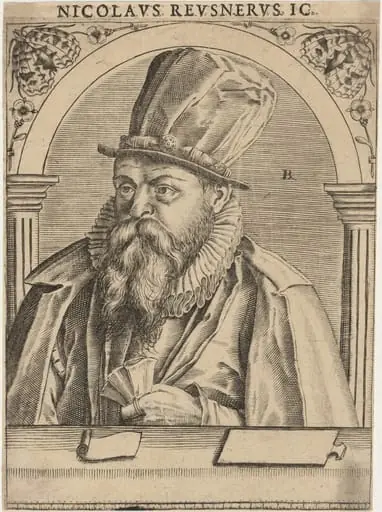
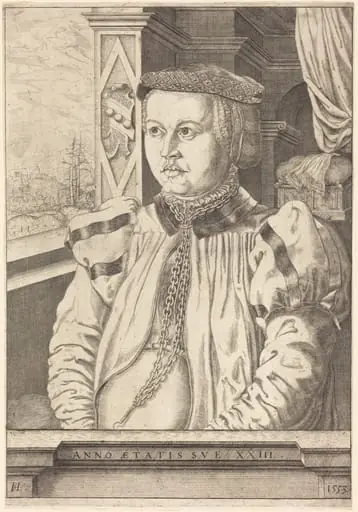
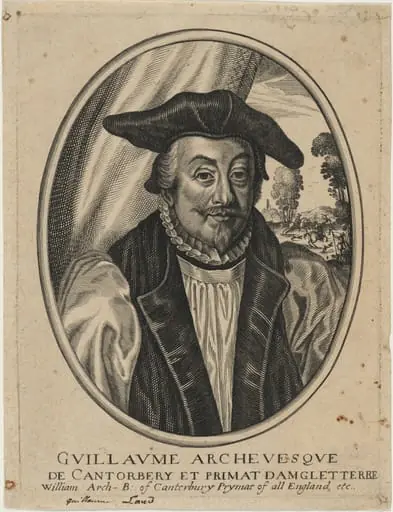
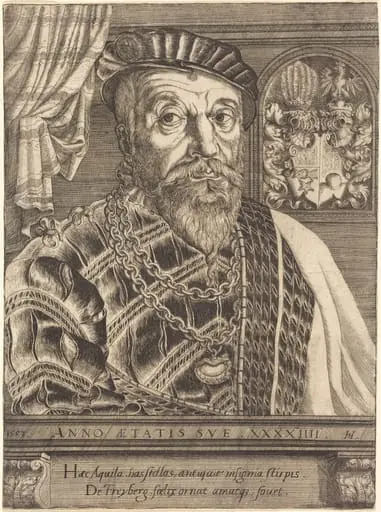
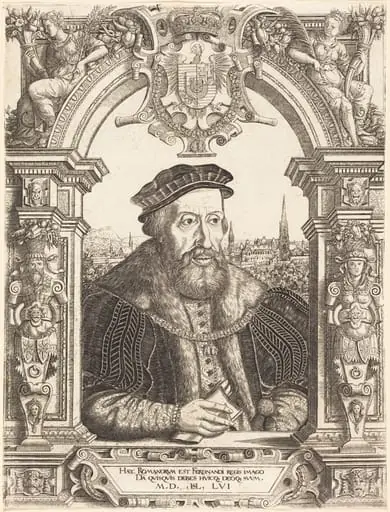
This black-and-white engraving depicts King Henry VIII of England, rendered in fine linear detail typical of 16th-century printmaking.
This black-and-white engraving depicts King Henry VIII of England, rendered in fine linear detail typical of 16th-century printmaking. The portrait is framed by a decorative border and accompanied by a Latin inscription identifying him as king. The image relies entirely on ink lines to convey form, with no tonal gradations or color, reflecting the technical constraints and aesthetic priorities of engraved portraiture at the time.
Subject & Meaning
The portrait presents Henry VIII with a stern, authoritative demeanor, emphasizing his royal status through formal composition and solemn expression. The inclusion of his Latin title reinforces his legitimacy and connection to European monarchical tradition. The bearded face, a common feature in royal iconography of the period, conveys maturity and power, aligning with the king’s public image as a decisive and unyielding ruler.
Technique & Style
The artist employed cross-hatching—layered, intersecting lines—to model the contours of the face, hair, and beard, creating the illusion of volume and texture without shading. This method was standard in engraving for achieving depth and contrast on metal plates. The precision of the lines suggests a skilled hand, likely trained in the tradition of Northern European printmakers who specialized in detailed portraiture.
History & Provenance
This engraving likely dates from the mid-16th century, produced during or shortly after Henry VIII’s reign to circulate his likeness among nobility and officials. Such prints were often used for political messaging or as collectible portraits. While the specific engraver remains unidentified, the style aligns with workshops active in London or Antwerp, centers of print production during the Tudor era.
Context
In an era before photography, engraved portraits were vital for disseminating the likenesses of monarchs across Europe. Henry VIII’s image, widely reproduced, served to reinforce his authority and the stability of the Tudor dynasty. The Latin inscription reflects the continued use of Latin in official contexts, even as vernacular languages gained prominence in daily life.
Legacy
This engraving contributes to a broader visual record of Tudor royalty, preserving a standardized image of Henry VIII that influenced later depictions in painting and print. Though not an original painting, its widespread reproduction helped cement his iconic appearance in the public imagination, shaping historical perceptions of his reign for centuries.
Artist & collection

Artist