Artwork
William Laud, Archbishop of Canterbury
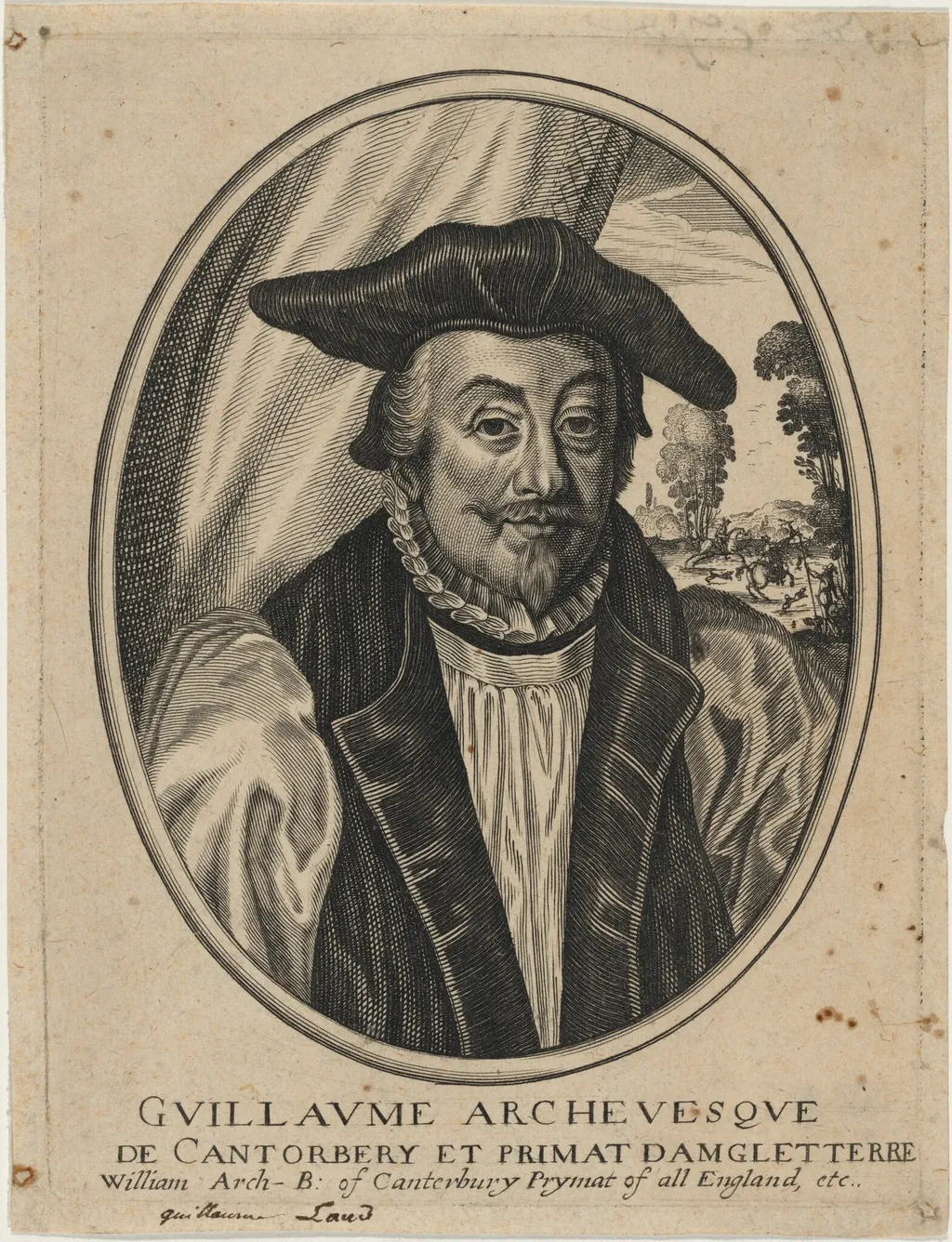
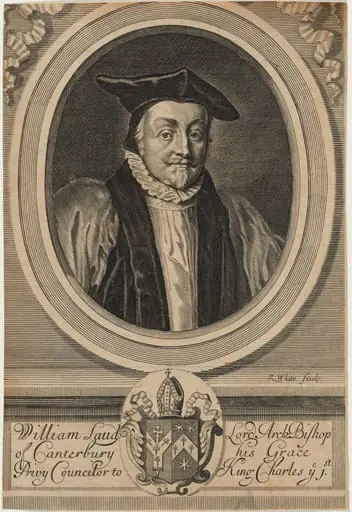
William Laud, Archbishop of Canterbury is an ink print by the Romanticist artist Unknown 19th Century. It dates from 1850 and is held in the collection of the National Gallery of Art.
About this work
Overview
The technique relies entirely on inked lines to convey form, avoiding tone or color, characteristic of 17th-century printmaking traditions.
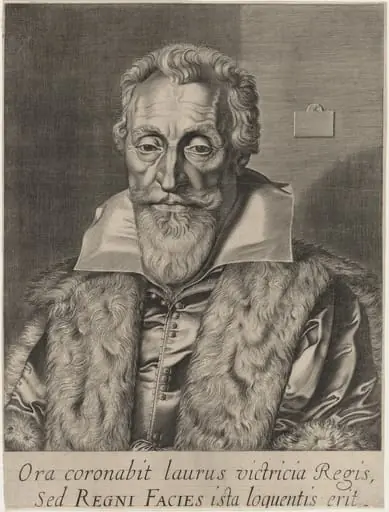
This black-and-white engraving depicts William Laud, Archbishop of Canterbury, in formal ecclesiastical attire. Rendered with fine linear detail, the portrait emphasizes his stern expression and distinctive facial features. The image is contained within a circular border, set against a lightly textured paper surface. The technique relies entirely on inked lines to convey form, avoiding tone or color, characteristic of 17th-century printmaking traditions.
Subject & Meaning
Laud, a central religious figure in early Stuart England, is portrayed with gravity and authority. His wide-brimmed hat and elaborate ruff collar signify his high ecclesiastical rank, while the thick beard reinforces his aged, solemn demeanor. The minimal background—trees and a distant structure—suggests a quiet, contemplative setting, reinforcing his role as a spiritual leader rather than a political actor, though his influence extended beyond the church.
Technique & Style
The artist employed cross-hatching—layered, intersecting lines—to model volume and shadow across Laud’s face and garments. This method, standard in engraved portraiture, allowed for subtle gradations of light and depth without ink washes or tone. The precision of the lines reflects the technical discipline required in metalplate engraving, where each stroke was incised by hand and reproduced through printing.
History & Provenance
Created during Laud’s tenure as Archbishop (1633–1645), the engraving likely served as a portrait for distribution among supporters or institutions. Its production coincided with rising tensions between the Crown and Puritan factions. Though the original engraver is unrecorded, such prints were commonly circulated to reinforce the image of established religious authority during a period of ideological conflict.
Context
In the 1630s, portraiture in print became a tool for shaping public perception of religious and political leaders. Laud’s image, circulated in this format, aligned with broader efforts to project stability and tradition amid growing dissent. The engraving’s restrained composition contrasts with more flamboyant royal portraits, reflecting the Church of England’s emphasis on order and doctrinal purity under his leadership.
Legacy
As one of the few surviving visual records of Laud, this engraving preserves his appearance for later generations. Though his legacy remains controversial due to his role in religious policies that fueled civil unrest, the print endures as a document of early modern visual culture. Its technical precision and formal composition exemplify the role of print in disseminating authority during a turbulent era.
Artist & collection

Artist

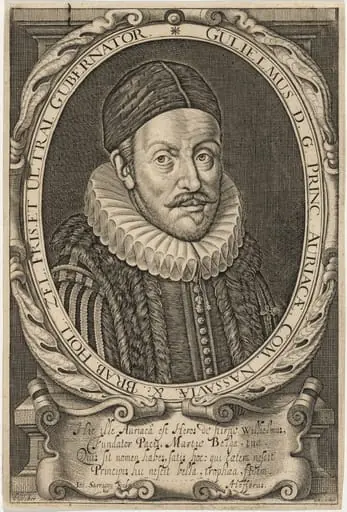 William I, Prince of Orange
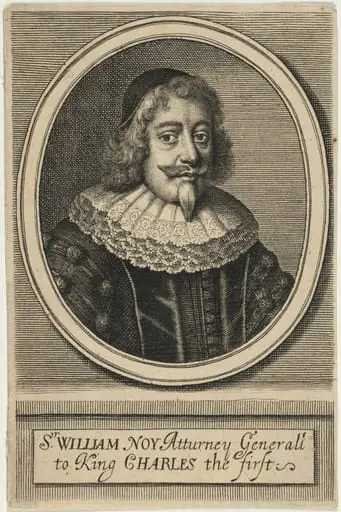 Sir William Noy
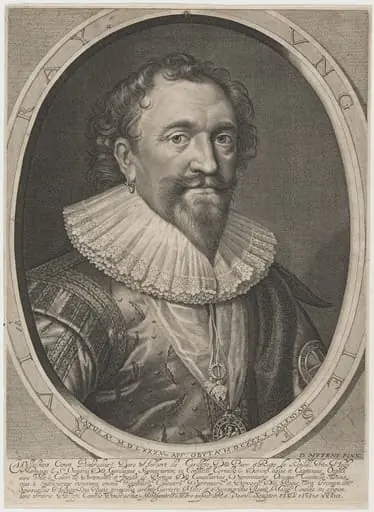 William, Earl of Pembroke
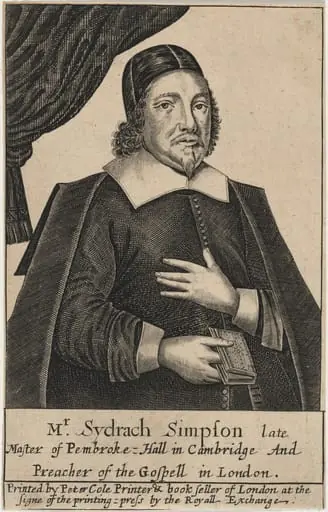 Sydrach Simpson, Preacher
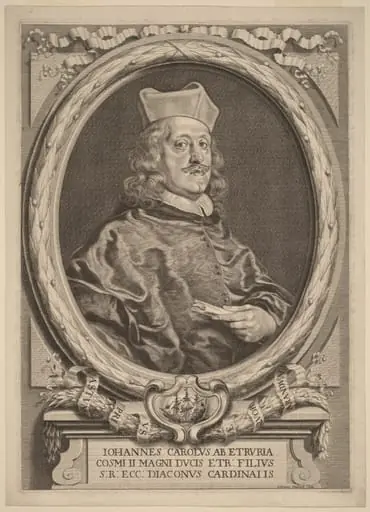 Cardinal Giovanni Carlo dei Medici
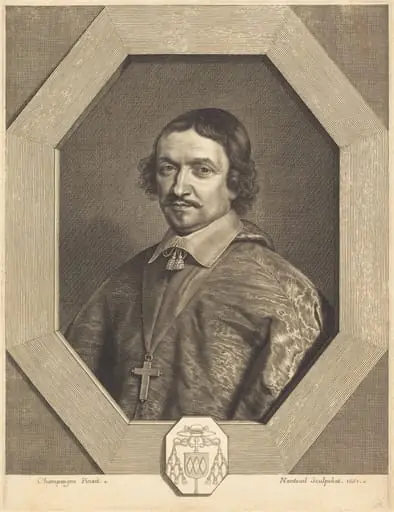 Victor Bouthillier
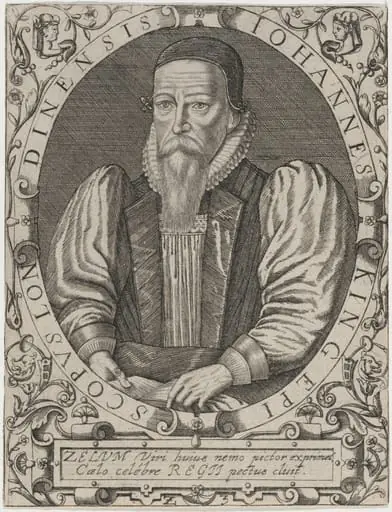 John King, Bishop of London
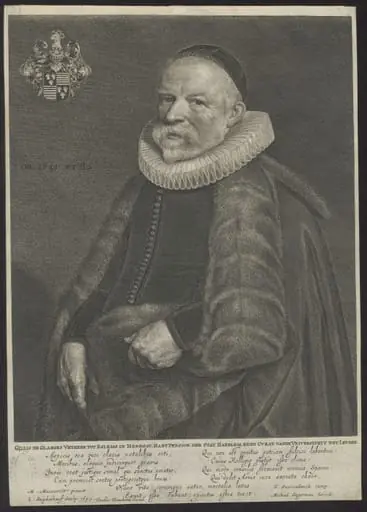 Portrait of Gillis de Clarges
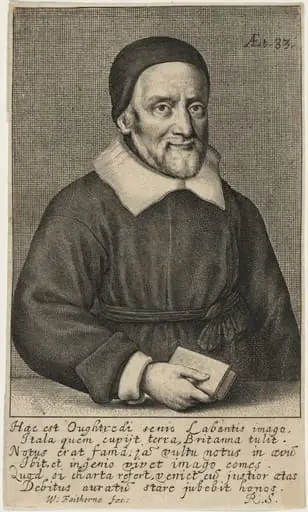 William Oughtred
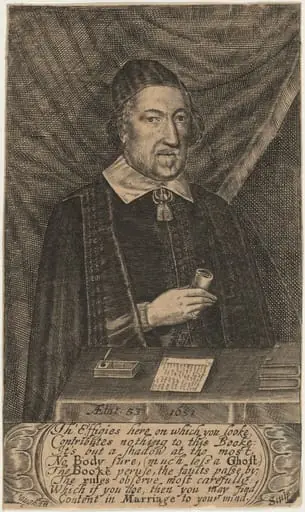 Thomas Hilde, Puritan Divine
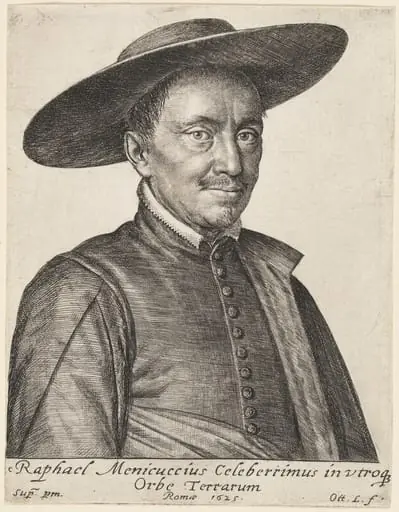 Raffaelo Menicucci
 William Laud, Archbishop of Canterbury