Artwork
Jacobus Arminius
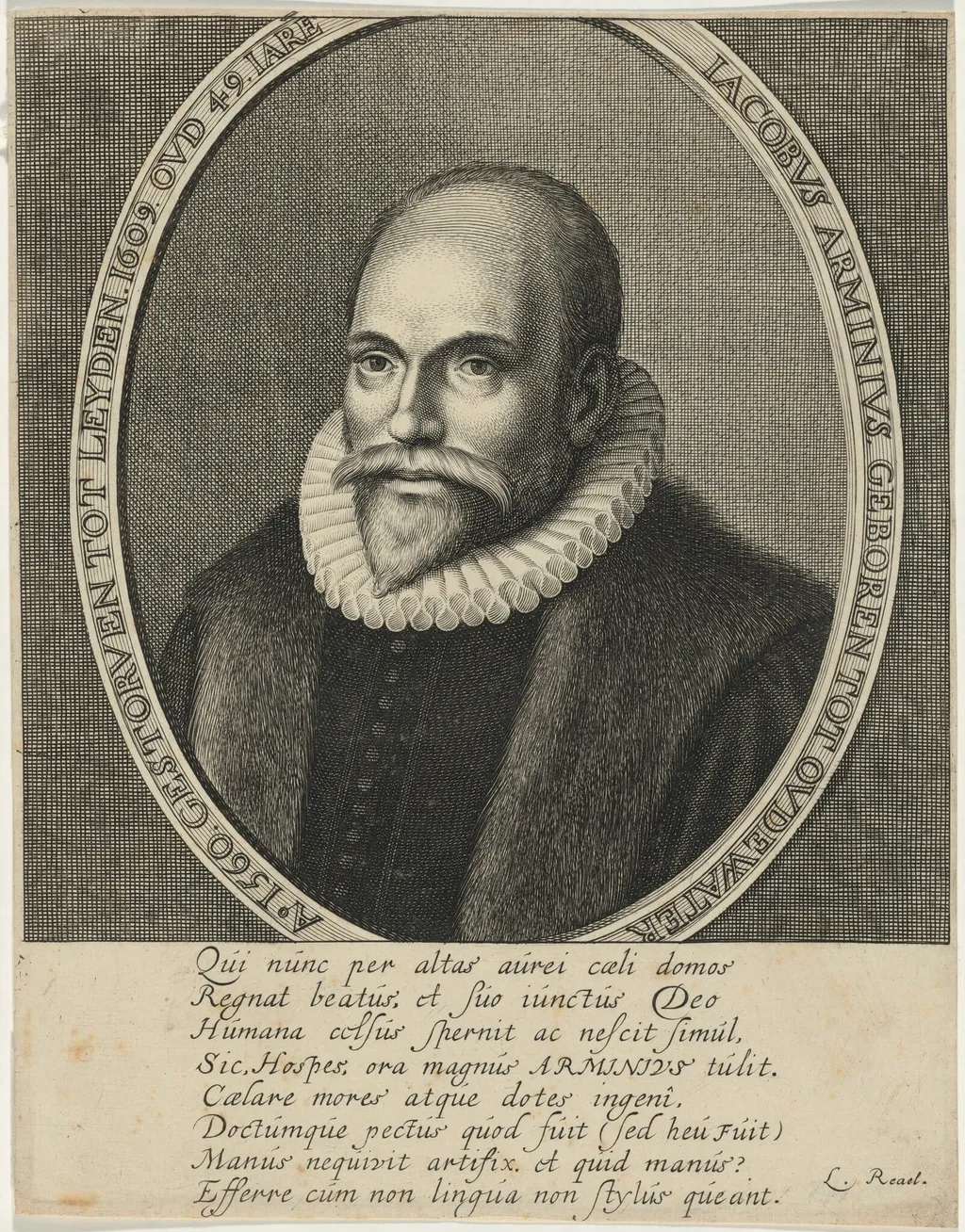
Jacobus Arminius is an ink print by the Romanticist artist Unknown 19th Century. It dates from 1850 and is held in the collection of the National Gallery of Art.
About this work
Overview
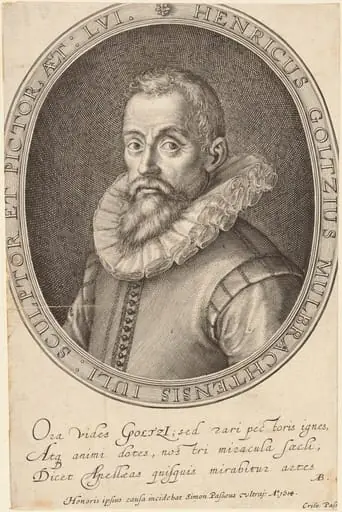
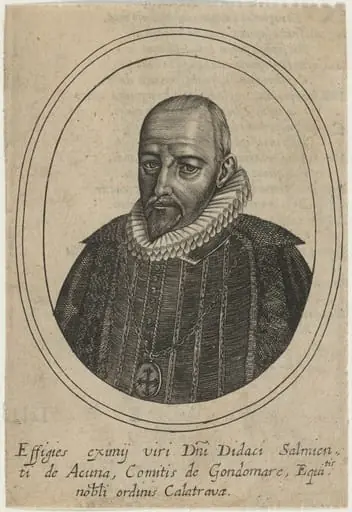
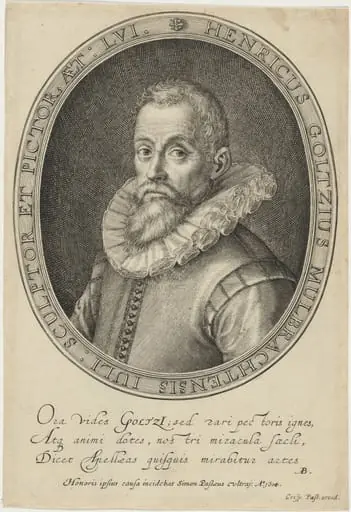
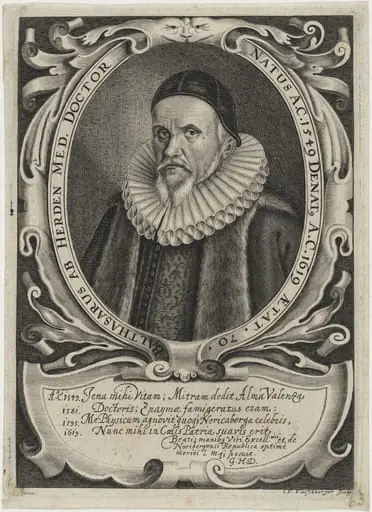
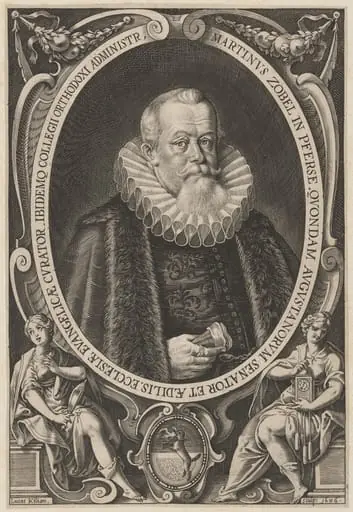
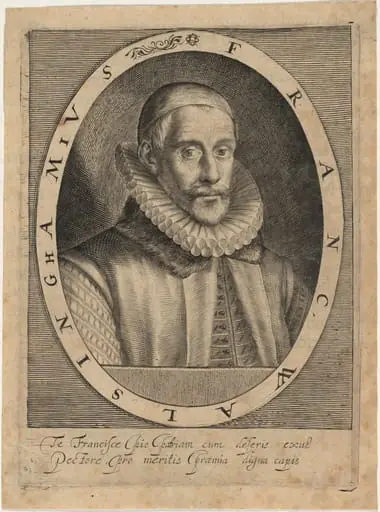
This black-and-white engraving depicts Jacobus Arminius, a Dutch theologian and key figure in the Arminian movement.
This black-and-white engraving depicts Jacobus Arminius, a Dutch theologian and key figure in the Arminian movement. Rendered in fine linear detail, the portrait is framed within an oval border inscribed with Latin text. The solid gray background focuses attention on the figure, while the circular inscription suggests a commemorative or devotional purpose typical of early modern printed portraiture.
Subject & Meaning
Jacobus Arminius is portrayed with a long white beard and ruffled collar, conventional markers of scholarly and clerical authority in the early 17th century. The Latin text encircling his image likely contains a doctrinal statement or eulogy, reinforcing his theological legacy. His direct gaze and composed expression convey intellectual gravitas, aligning with the tradition of portraying religious thinkers as moral and doctrinal authorities.
Technique & Style
The portrait is executed in a detailed engraving technique, using fine lines to define texture in the beard, fabric, and collar. The tonal range is limited to grayscale, emphasizing contrast and clarity. The oval frame and circular inscription reflect conventions of commemorative prints from the late Renaissance and early Baroque periods, prioritizing formal structure over expressive flourish.
History & Provenance
Created shortly after Arminius’s death in 1609, this engraving likely served to disseminate his image among followers and theological communities. Such prints were commonly produced in the Dutch Republic to honor influential religious figures. Its survival suggests continued interest in Arminian thought, though the exact printer and original publication context remain undocumented in available records.
Context
Arminius’s ideas challenged prevailing Calvinist doctrines, sparking theological debate across Protestant Europe. His portrait, circulated in print, became a visual symbol for those supporting his views on free will and divine grace. The medium of engraving allowed wide distribution, making his likeness accessible beyond academic circles and contributing to the visual culture of religious controversy in the early 1600s.
Legacy
This engraving preserves the visual identity of a theologian whose teachings influenced later movements, including Methodism. While Romanticism emerged centuries later and is unrelated to this work’s production, the portrait’s enduring presence in archives reflects its role in sustaining Arminian memory. It stands as a historical artifact of religious print culture rather than an artistic movement.
Artist & collection

Artist