Artwork
Louise de Coligny, Fourth Wife of William I of Orange
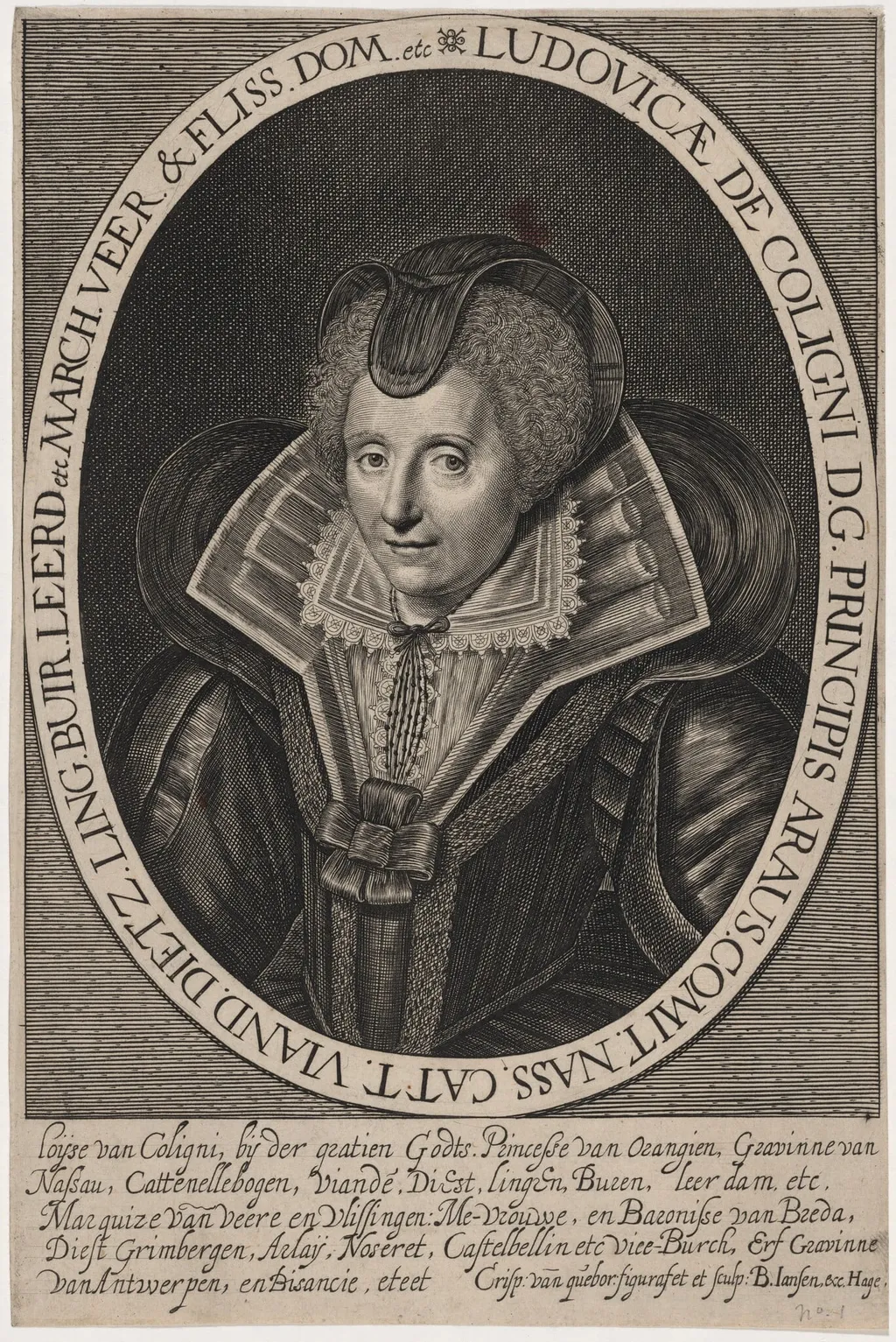
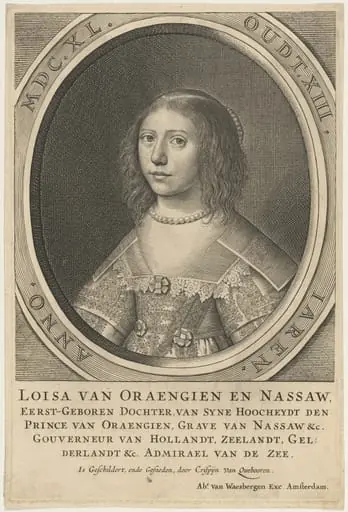
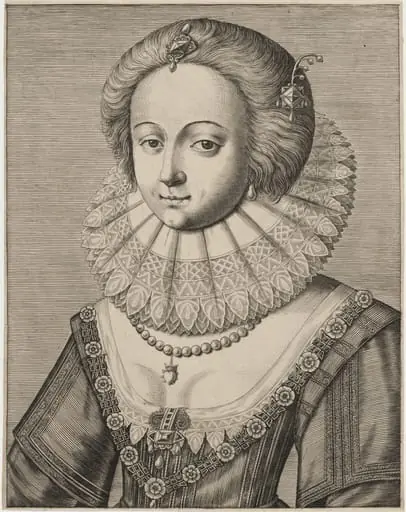
Louise de Coligny, Fourth Wife of William I of Orange is an ink print by the Baroque artist Crispyn van den Queboorn. It dates from 1628 and is held in the collection of the National Gallery of Art. Created in 1628, this black‑and‑white print depicts Louise de Coligny, the fourth spouse of William I of Orange.
About this work
Overview
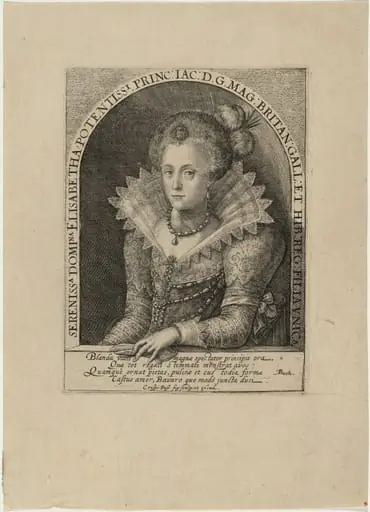
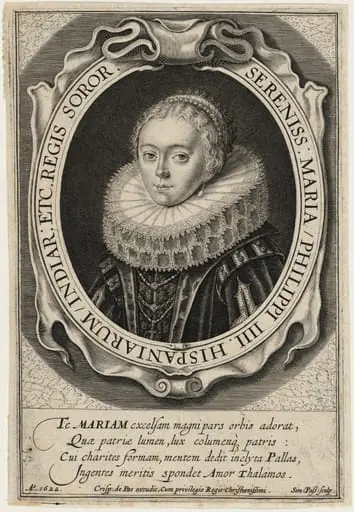
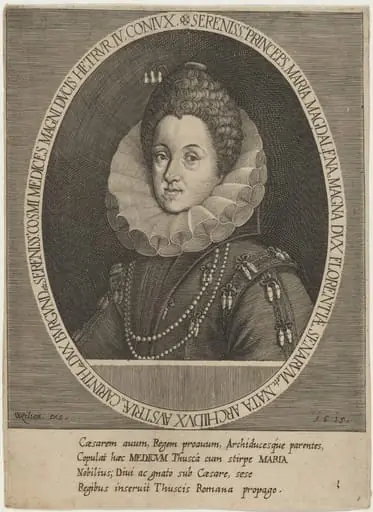
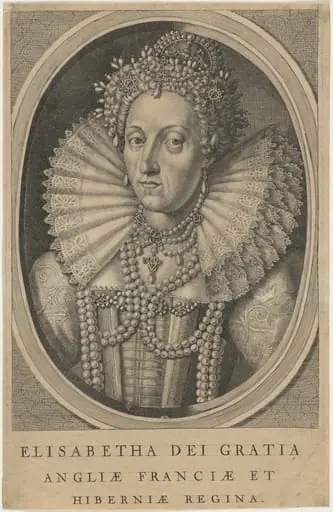
Created in 1628, this black‑and‑white print depicts Louise de Coligny, the fourth spouse of William I of Orange. Executed by the Dutch engraver Crispyn van den Queboorn, the image presents the noblewoman in elaborate early‑seventeenth‑century dress, framed by a plain background that draws attention to her facial features and accessories.
Subject & Meaning
Louise de Coligny is shown wearing a high, lace‑trimmed collar and a decorative bow at the neckline, holding a fan in one hand. Her hair is neatly arranged, reflecting contemporary standards of aristocratic grooming. The surrounding inscription enumerates her titles, including “Princess of Orange,” underscoring her political and dynastic significance within the Dutch Republic.
Technique & Style
The work is an engraving, a printmaking process in which the artist incised fine lines into a metal plate before inking and pressing onto paper. Van den Queboorn’s handling of line creates a crisp rendering of fabric texture, lace detail, and the subtle modeling of the sitter’s face, characteristic of Dutch portrait prints of the period.
History & Provenance
Produced shortly after Louise’s death in 1620, the print likely served as a commemorative image for courtly circles and diplomatic exchange. While the original plate’s whereabouts are unknown, copies have circulated in European collections, illustrating the continued interest in the Orange family’s visual representation during the early modern era.
Artist & collection