Artwork
Isabella Clara Eugenia
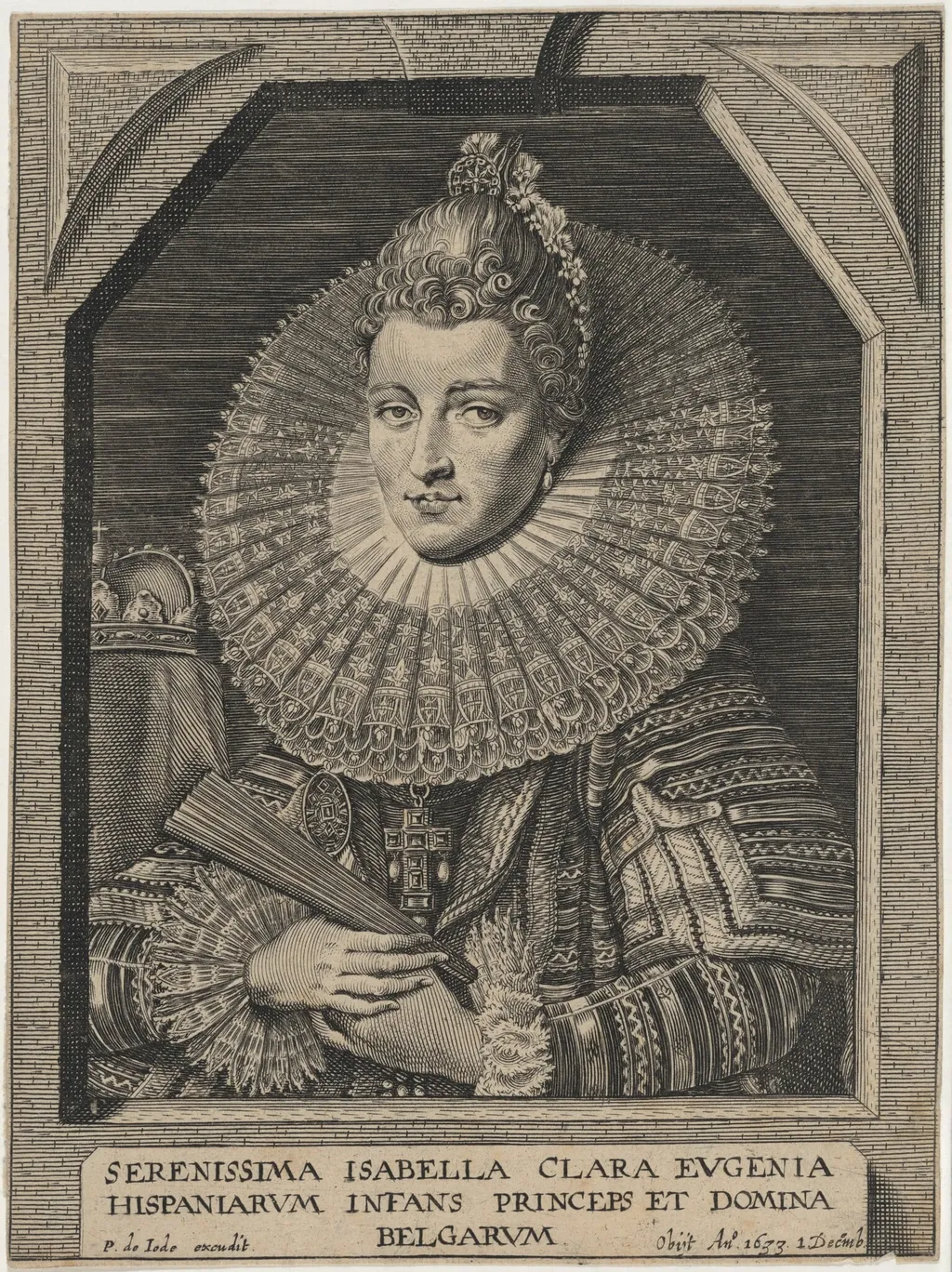
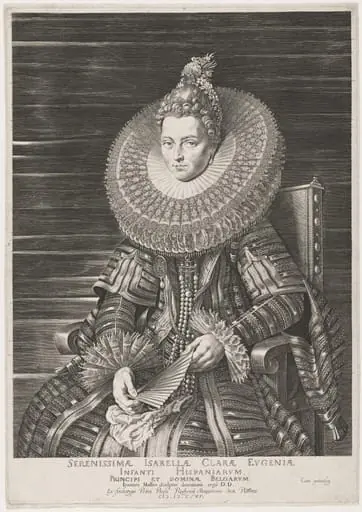
Isabella Clara Eugenia is an ink print by the Baroque artist Pieter de Jode II. It dates from 1641 and is held in the collection of the National Gallery of Art.
About this work
Overview
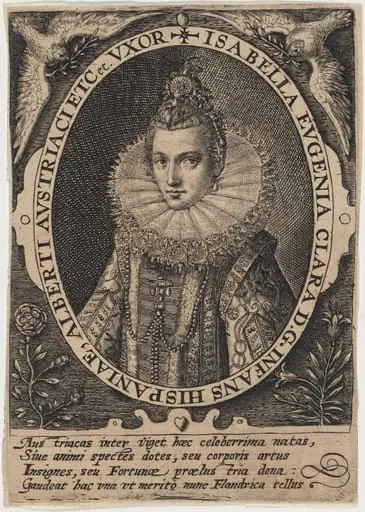
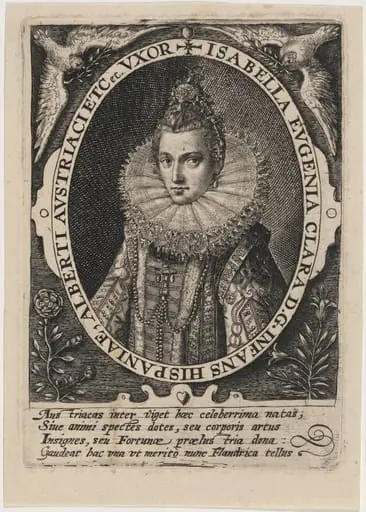
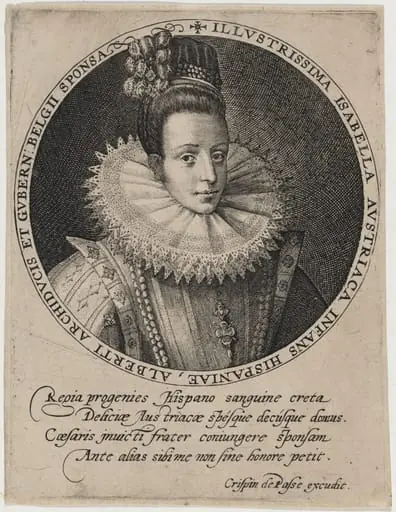
This 1641 engraving by Pieter de Jode II depicts Isabella Clara Eugenia, a Habsburg archduchess and former governor of the Spanish Netherlands.
This 1641 engraving by Pieter de Jode II depicts Isabella Clara Eugenia, a Habsburg archduchess and former governor of the Spanish Netherlands. Rendered in monochrome, the portrait emphasizes her noble bearing through precise line work. The composition is formal and restrained, with no decorative backdrop, focusing attention on her attire and gestures. The medium reflects the precision expected in portraiture of high-ranking figures during the early Baroque period.
Subject & Meaning
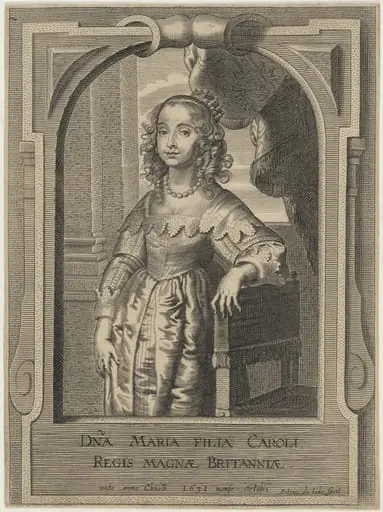
Isabella Clara Eugenia is portrayed with symbols of authority: a fan, often associated with courtly refinement, and a small object resembling a key or lock, suggesting control or stewardship. Her title, 'Princess of Belgium,' reflects her political role in the Southern Netherlands rather than a hereditary royal status. The elaborate lace collar and high, curled hairstyle denote her aristocratic identity, aligning her image with the dignity expected of a regent.
Technique & Style
The engraving employs fine, controlled lines to model texture and volume, particularly in the intricate lace of the collar and the layered curls of the hair. Shading is achieved through cross-hatching and parallel strokes, typical of Northern European printmaking traditions. The plain background isolates the figure, enhancing the focus on material detail and facial expression. The technique demonstrates mastery of the burin, requiring both technical skill and patience.
History & Provenance
Created in 1641, the print was made during Isabella’s later years, after her retirement from governance. It likely served as a commemorative portrait, circulated among elites to affirm her legacy. Pieter de Jode II, son of a prominent Antwerp engraver, was known for reproducing portraits of nobility. The work may have been part of a series or collected in albums, common among aristocratic patrons interested in dynastic imagery.
Context
Isabella Clara Eugenia was daughter of Philip II of Spain and a key political figure in the Spanish Netherlands. Her rule, alongside her husband Albert VII, was marked by efforts to stabilize the region during the Eighty Years’ War. Though she retired in 1621, her image remained potent in visual culture. This engraving reflects the continued use of portraiture to sustain the prestige of Habsburg women in a time of shifting political power.
Legacy
The engraving endures as a documented representation of Isabella’s public persona, contributing to the visual record of early modern female rulers. It exemplifies how printmaking extended the reach of portraiture beyond commissioned paintings, allowing wider dissemination of aristocratic imagery. While not widely known today, it remains a valuable artifact for understanding the intersection of gender, power, and visual representation in 17th-century Europe.
Artist & collection