Artwork
Petrus Hogerbeets Hornanus
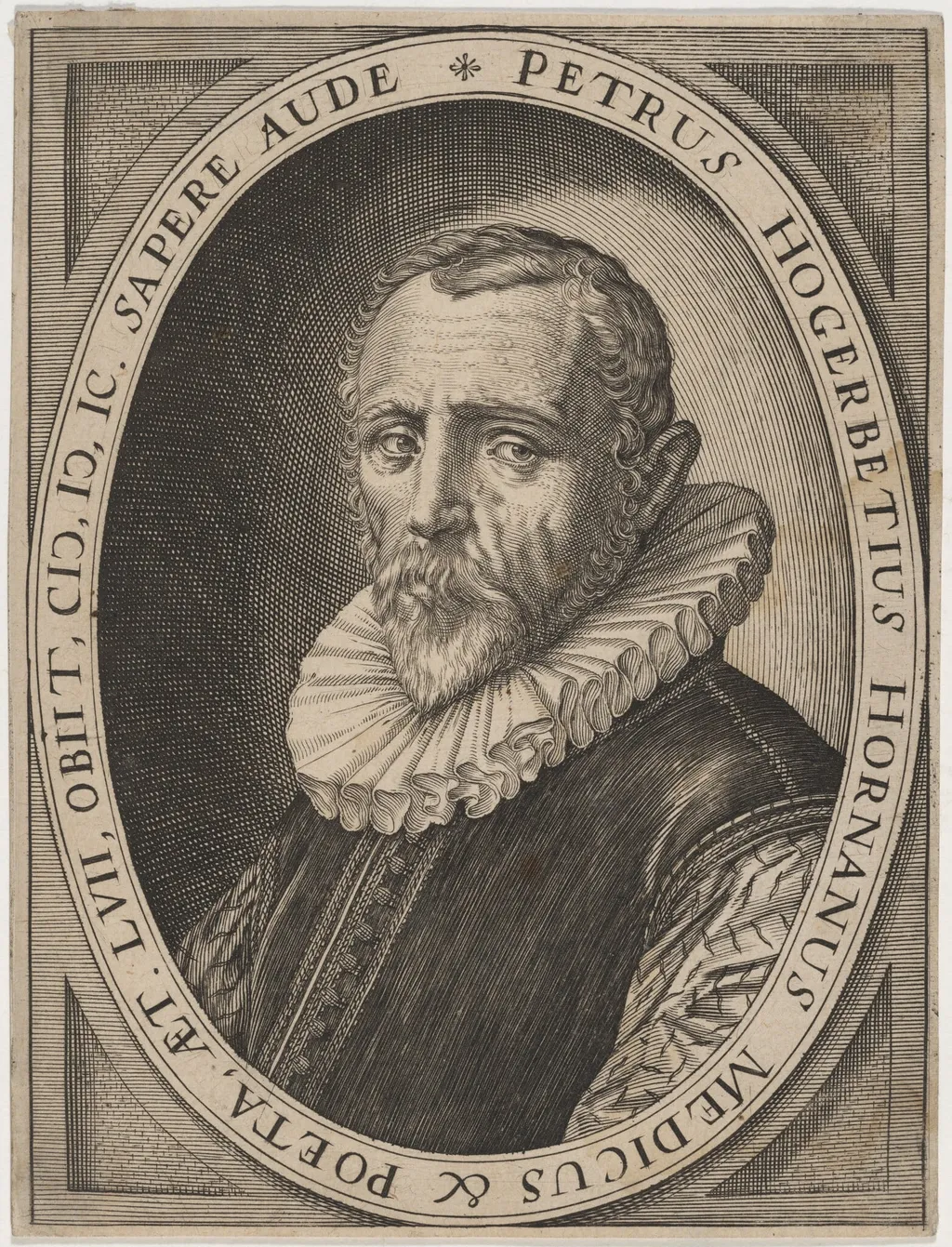
Petrus Hogerbeets Hornanus is an ink print by the Romanticist artist Unknown 19th Century. It dates from 1850 and is held in the collection of the National Gallery of Art.
About this work
Overview
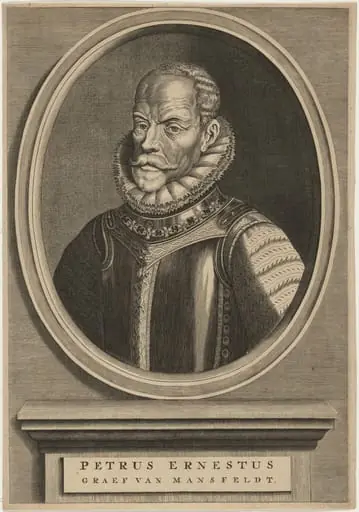
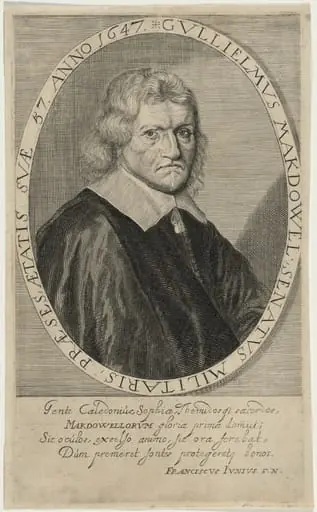
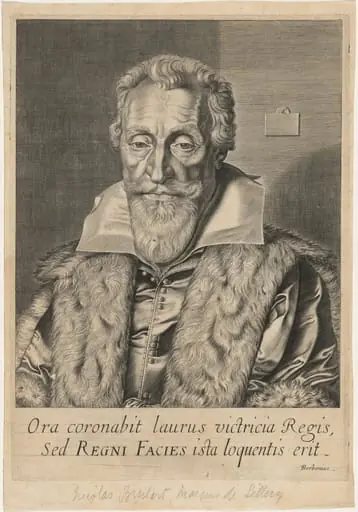
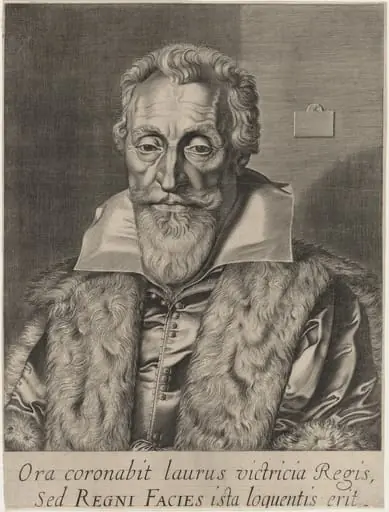
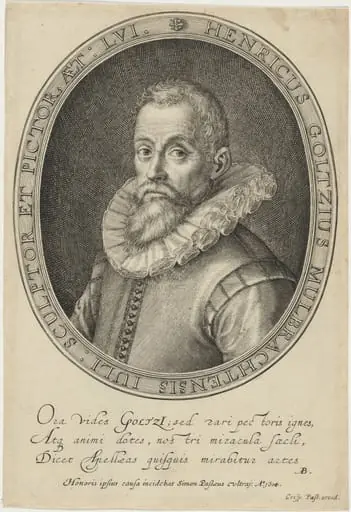
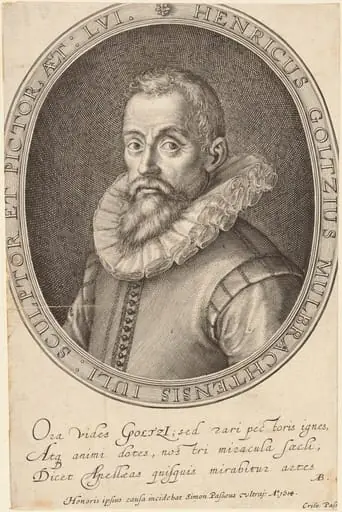
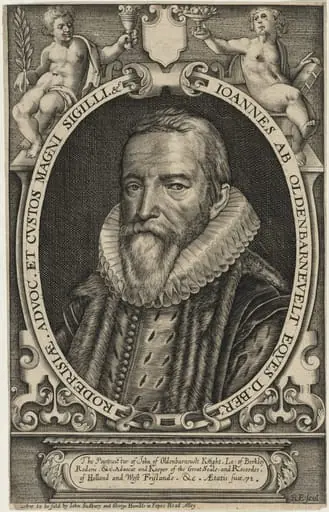
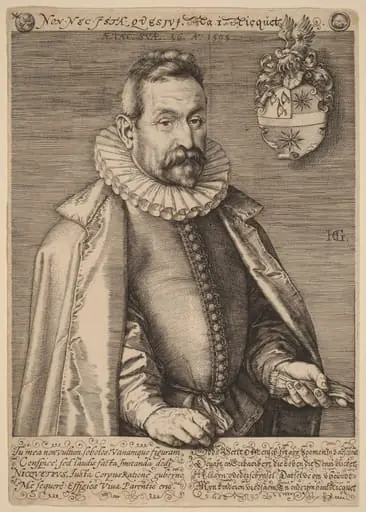
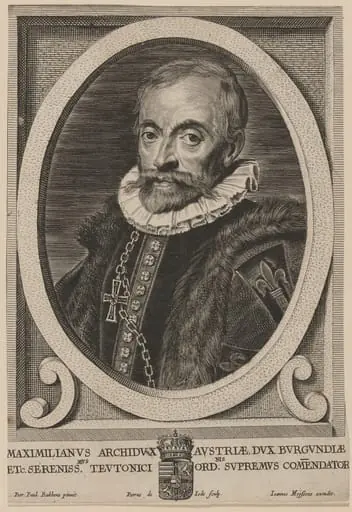
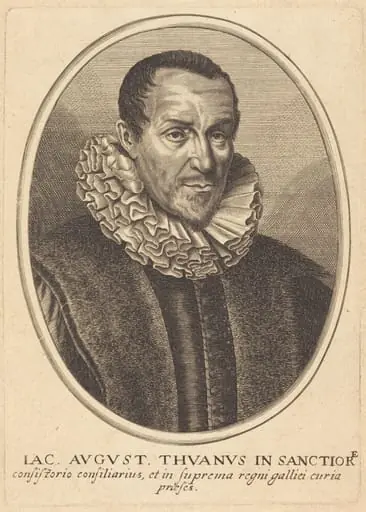
The plain background focuses attention on the figure, while the engraved lines convey texture in hair, beard, and the stiff ruff collar.
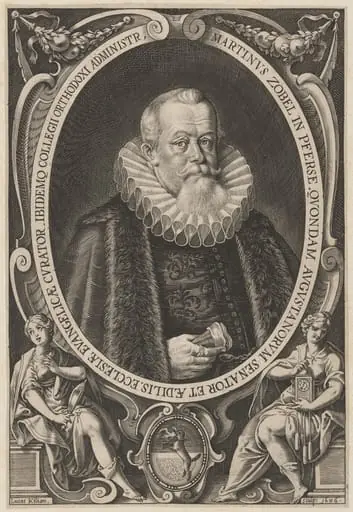
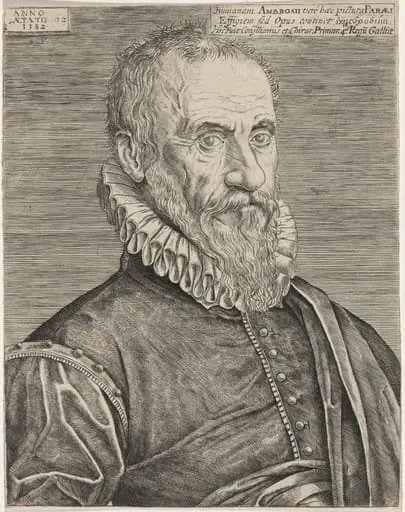
This black-and-white engraving depicts Petrus Hogerbeets Hornanus, a Dutch jurist and scholar, rendered in precise linear detail. The portrait is framed by a curved inscription band containing Latin text, including the phrase 'Dare to know' and the subject’s full name in stylized lettering. The plain background focuses attention on the figure, while the engraved lines convey texture in hair, beard, and the stiff ruff collar. The work belongs to the tradition of scholarly portraiture common in early modern Europe.
Subject & Meaning
Petrus Hogerbeets Hornanus was a legal scholar associated with Leiden University. The inclusion of 'Dare to know'—a motto linked to Enlightenment ideals—suggests an emphasis on intellectual courage and rational inquiry. His serious gaze and formal attire reflect the dignity expected of academic figures. The engraved inscription serves both as identification and as a philosophical statement, aligning the sitter with the values of learning and self-directed thought.
Technique & Style
Executed in fine-line engraving, the portrait relies on controlled incisions to model form and texture. The curls of hair and the layered folds of the ruff are rendered with delicate cross-hatching and parallel lines, typical of Northern European printmaking of the period. The absence of tonal gradation emphasizes clarity and precision. The surrounding text is integrated as a decorative border, enhancing the portrait’s scholarly character without distracting from the central figure.
History & Provenance
The engraving likely dates to the late 16th or early 17th century, coinciding with Hogerbeets’ active years. It was probably produced to accompany his published legal writings or to commemorate his academic role. Such portraits were often circulated among scholarly networks, serving as both personal mementos and institutional identifiers. Its survival suggests it was preserved in academic or private collections focused on legal or humanist traditions.
Context
In early modern Europe, engraved portraits of jurists and professors were common in university circles. They functioned as visual credentials, reinforcing the status of individuals within intellectual communities. The use of Latin mottos and formal dress aligned with humanist ideals that valued classical learning and moral seriousness. This print reflects a broader trend of using print media to disseminate the image and ideals of scholarly authority.
Legacy
As a representative example of academic portraiture, this engraving illustrates how visual culture supported the institutional identity of early modern universities. It preserves the likeness of a lesser-known jurist, offering insight into how intellectual authority was visually constructed. Though not widely known today, such prints formed part of the material culture of scholarship, linking individuals to enduring traditions of learning and civic responsibility.
Artist & collection

Artist