Artwork
Jon van Olden-Bernevelt
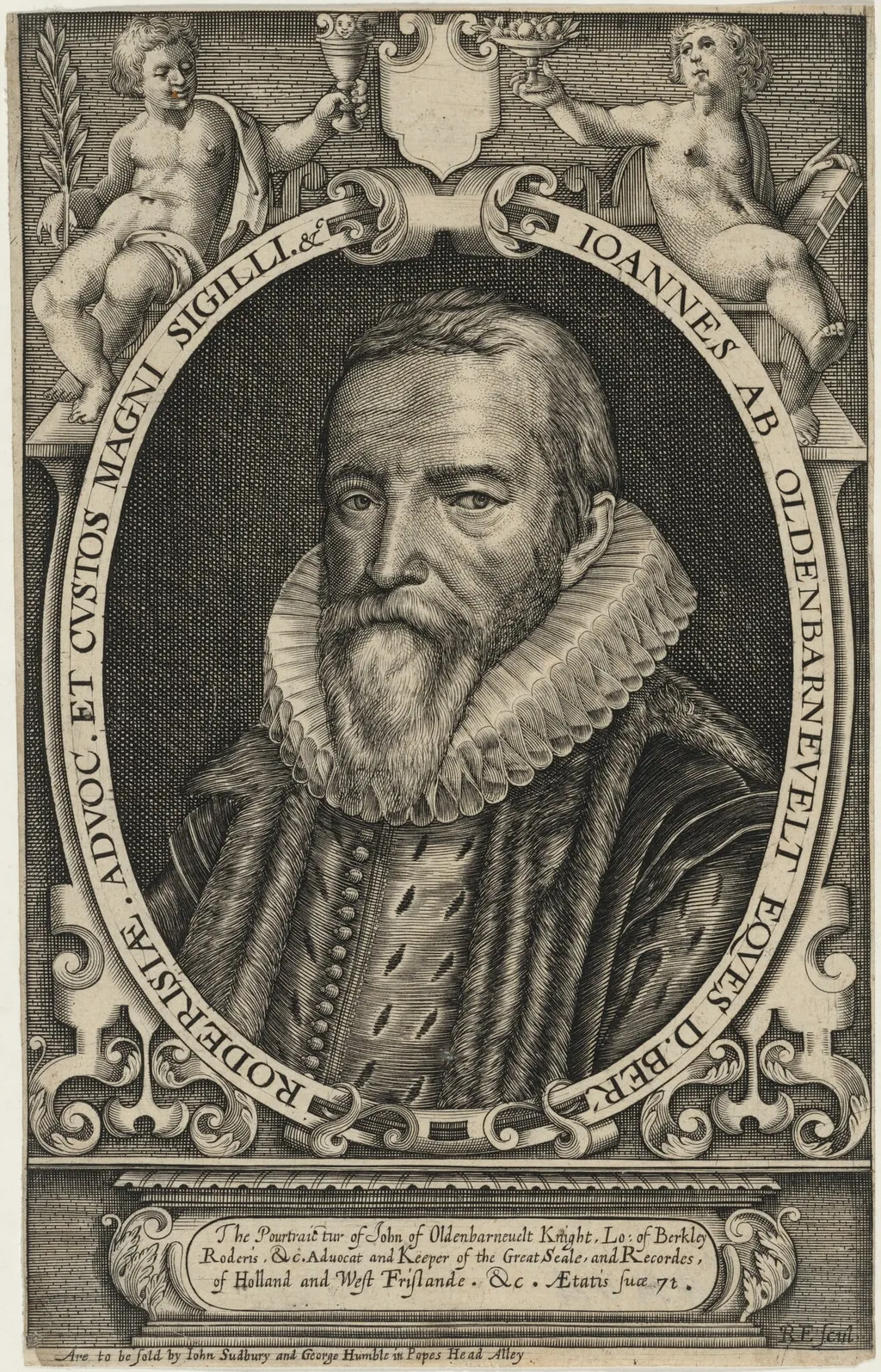
Jon van Olden-Bernevelt is an ink print by the Renaissance artist Renold Elstrack. It dates from 1598 and is held in the collection of the National Gallery of Art.
About this work
Overview
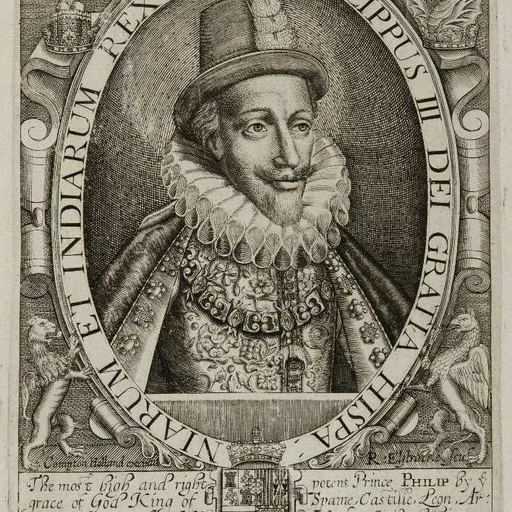
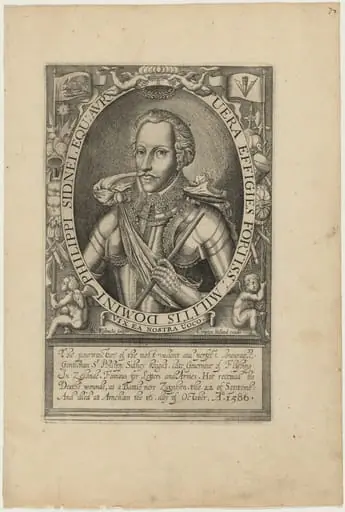
Rendered in fine line work on paper, the portrait presents the sitter from the chest upward, framed within an ornate oval border.
This 1598 engraving by Renold Elstrack depicts Jon van Olden-Bernevelt, a Dutch figure of the late Renaissance. Rendered in fine line work on paper, the portrait presents the sitter from the chest upward, framed within an ornate oval border. The composition emphasizes precision and formal dignity, typical of engraved portraiture in Northern Europe at the time. Latin inscriptions encircle the image, identifying the subject and anchoring the work in scholarly tradition.
Subject & Meaning
Jon van Olden-Bernevelt is portrayed with a full beard, mustache, and a high ruffled collar, attire signaling his social standing. His direct gaze and composed expression convey solemnity and self-possession. The absence of overt symbols or narrative context suggests the image functions primarily as a record of identity rather than a statement of profession or achievement. The cherubs flanking the frame may allude to virtue or divine favor, common in elite portraiture of the period.
Technique & Style
Elstrack employed fine, controlled engraving lines to model form and texture, capturing the crisp edges of the collar and the subtle gradations of facial hair. The dark background enhances the sitter’s presence, while faint, abstracted patterns behind him suggest depth without distraction. The ornate border, adorned with floral motifs and cherubs, reflects the period’s taste for decorative framing in printed portraits. The technique prioritizes clarity and detail over atmospheric effect.
History & Provenance
Created in 1598, the engraving was likely produced for private circulation among Dutch elites or as a commemorative object. Elstrack, an English engraver active in the Low Countries, specialized in portraits of prominent figures. While specific early ownership records are sparse, the work’s survival in institutional collections indicates its enduring value as a document of late 16th-century portraiture and print culture.
Context
This portrait emerged during a period when engraved likenesses became increasingly common among the educated and affluent in the Netherlands. Unlike painted portraits, engravings could be reproduced and distributed widely, serving both personal and public functions. The use of Latin inscriptions and classical framing elements reflects the humanist ideals shaping visual culture, aligning the sitter with broader European intellectual traditions.
Legacy
Elstrack’s engraving of van Olden-Bernevelt remains a representative example of late Renaissance print portraiture in Northern Europe. It illustrates how engraved images helped standardize the visual representation of status and identity beyond the reach of commissioned paintings. Though not widely known today, such works formed a crucial part of the era’s information network, preserving individual likenesses for posterity through reproducible media.
Artist & collection