Artwork
Philip IV of Spain
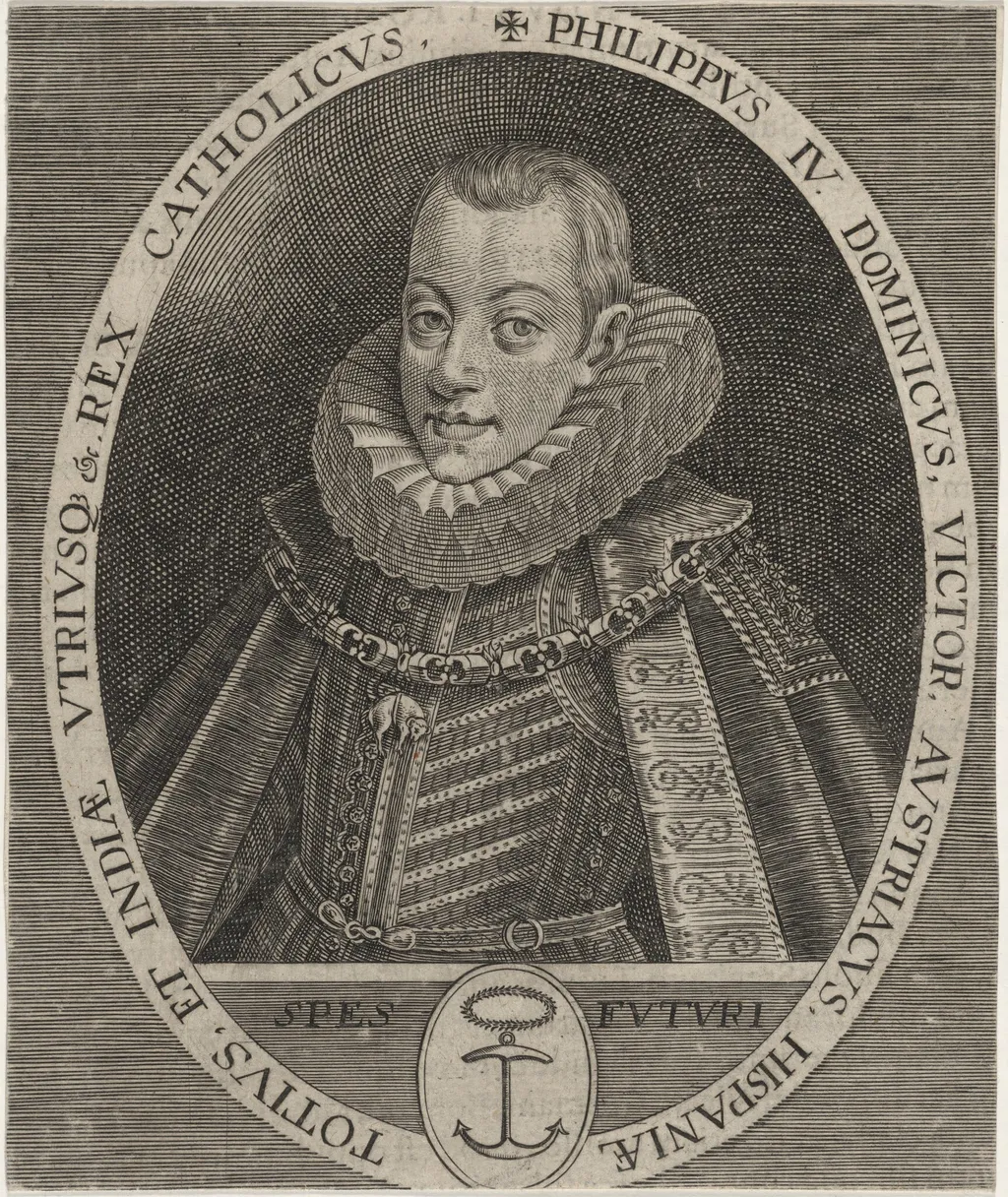
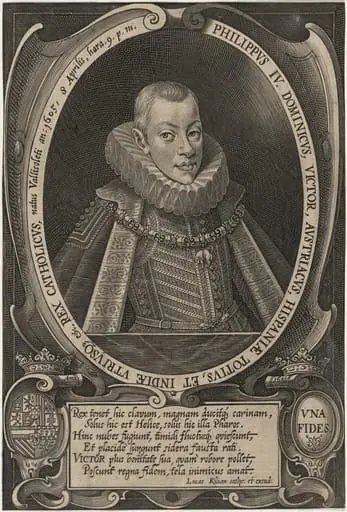
Philip IV of Spain is an ink print by the Romanticist artist Unknown 19th Century. It dates from 1850 and is held in the collection of the National Gallery of Art.
About this work
Overview
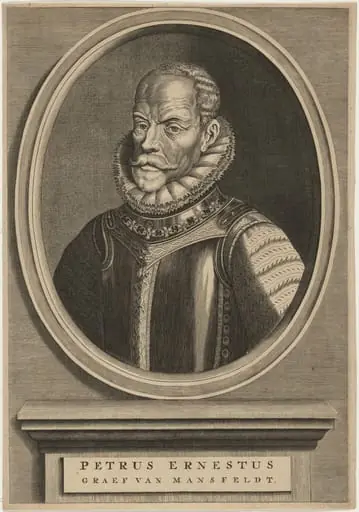
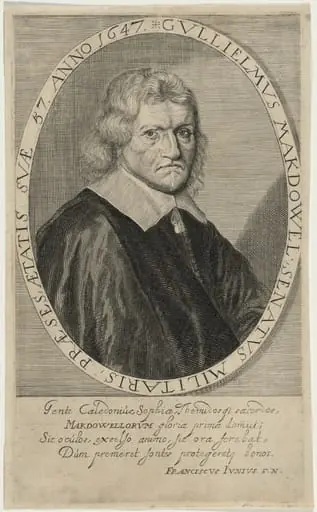
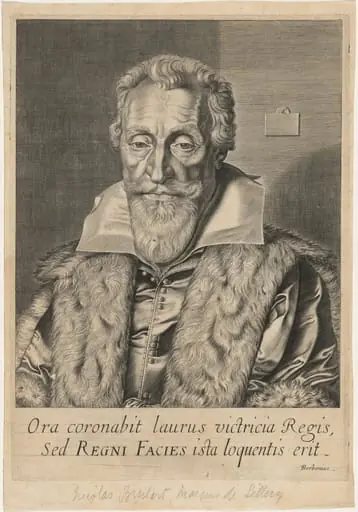
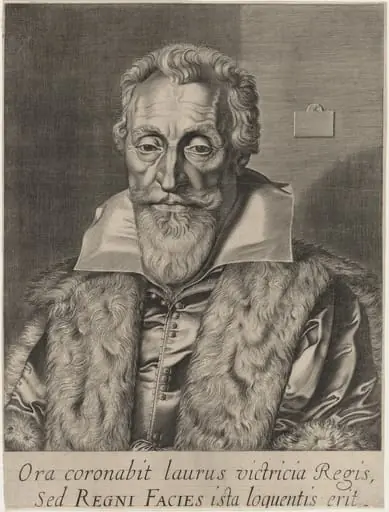
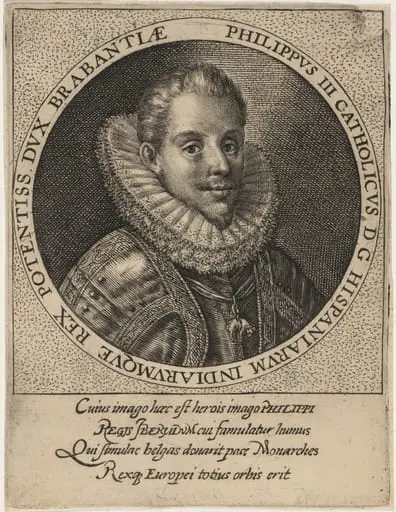
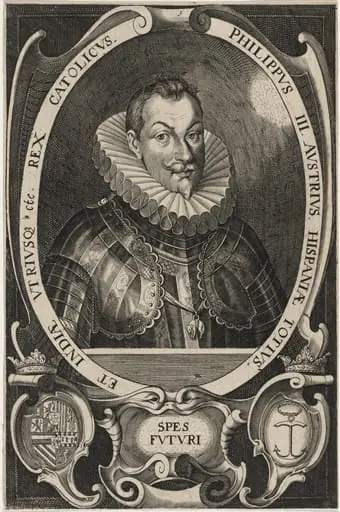
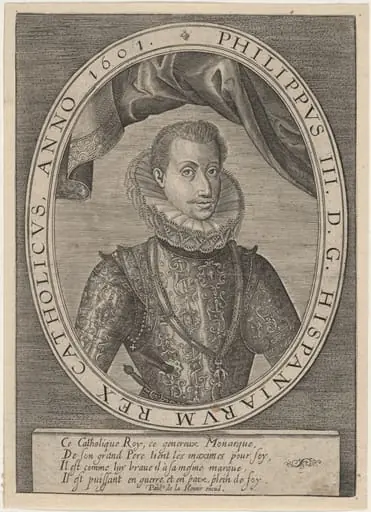
The print depicts Philip IV of Spain, rendered in black‑and‑white engraving. The monarch is presented with a dignified expression, wearing an ornate collar and robe that signify his royal status. His rounded visage, short curly hair, and steady gaze convey a sense of authority.
Subject & Meaning
The portrait emphasizes Philip IV’s political titles, encircling the image with a circular inscription that lists his claims such as “King of Spain” and “Lord of the Indies.” This textual frame reinforces his sovereign legitimacy and the expansive reach of his empire.
Technique & Style
The image is created through cross‑hatching, a method of intersecting fine lines and dots that builds tonal variation and depth without colour. This approach allows the engraver to model shadows and highlights, giving the portrait a three‑dimensional quality on a flat surface.
History & Provenance
The work is an engraved print, a common medium for disseminating royal likenesses in the 17th century. Such prints were often distributed to courtiers and foreign dignitaries as official representations of the monarch, though specific details of its commissioning and ownership remain undocumented.
Context
During Philip IV’s reign, Spain’s imperial authority was asserted through visual propaganda, including portraiture that highlighted regal titles and symbols. Engravings like this served both as political statements and as a means to circulate the monarch’s image across the vast territories under his rule.
Artist & collection

Artist