Artwork
Philip III, King of Spain
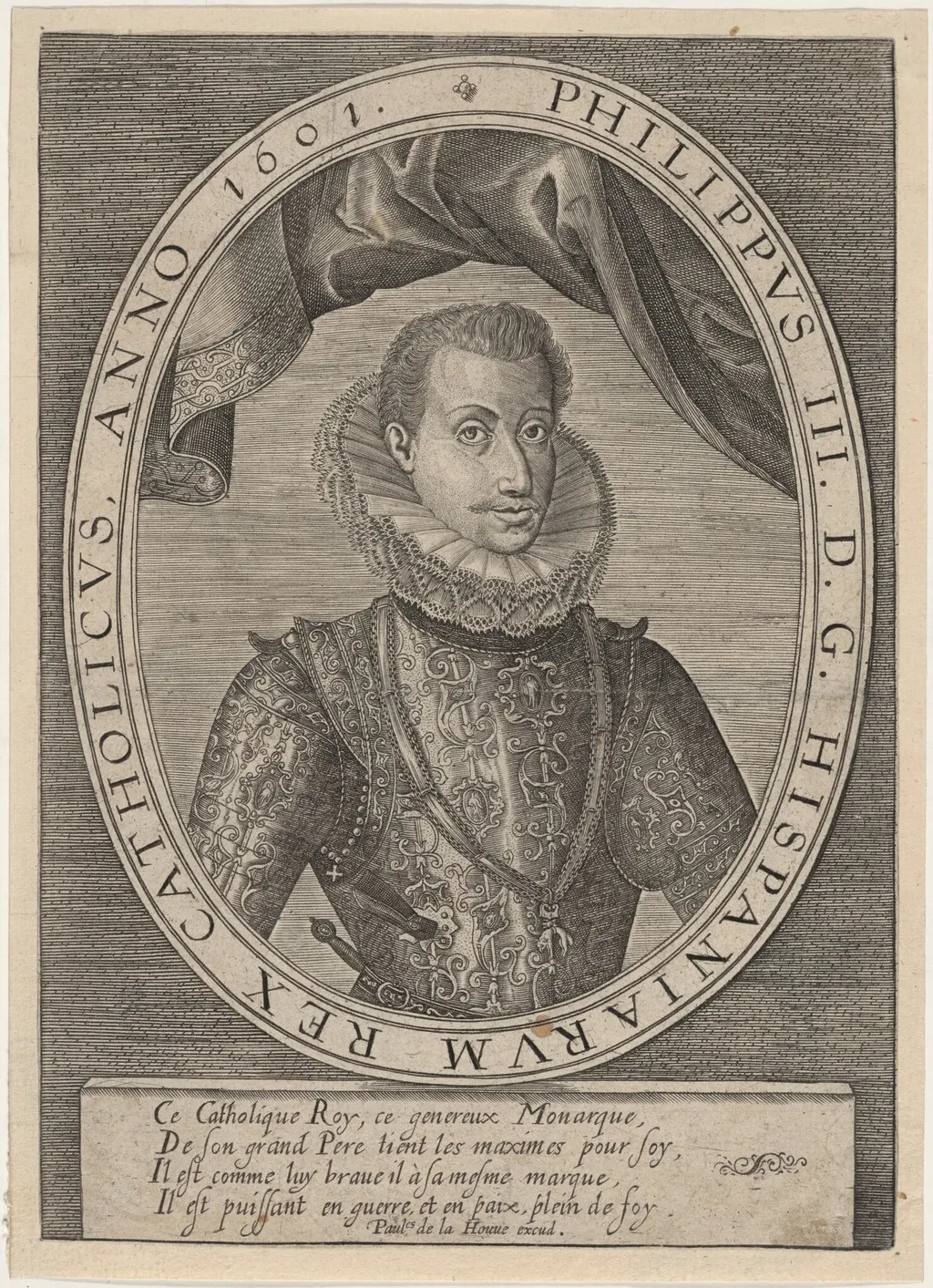
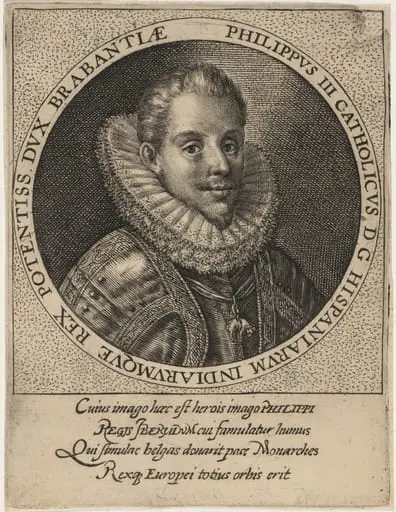
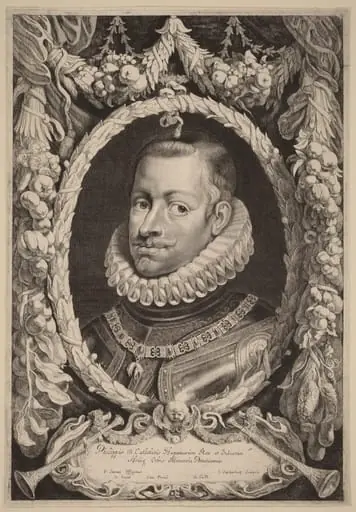
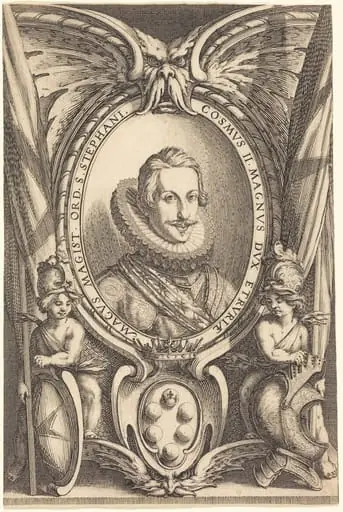
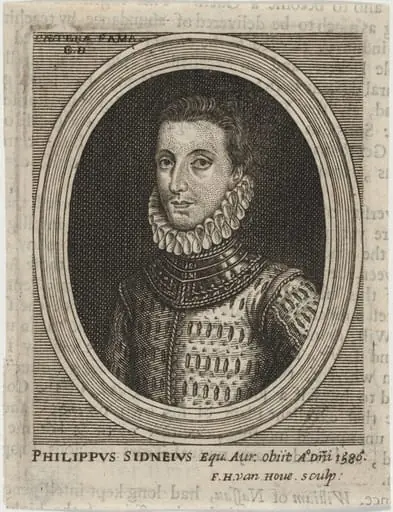
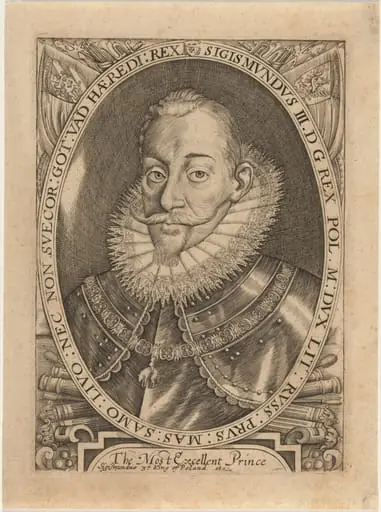
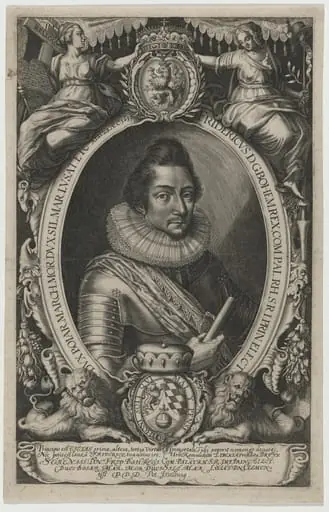
Philip III, King of Spain is an ink print by the Baroque artist Paul de la Houve. It dates from 1601 and is held in the collection of the National Gallery of Art. This 1601 copper engraving presents a formal portrait of a male ruler, identified as Philip III of Spain.
About this work
The engraving is rendered in a detailed, realistic style, with cross-hatching used to create shading and texture.
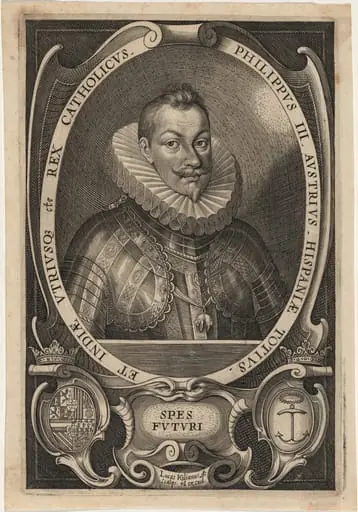
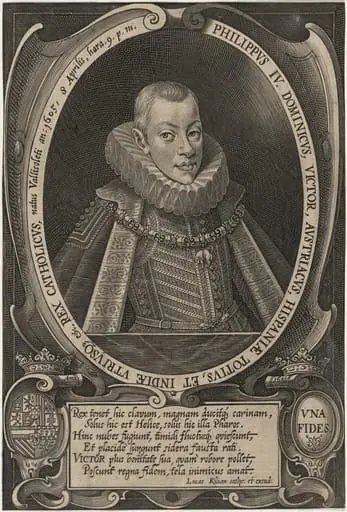
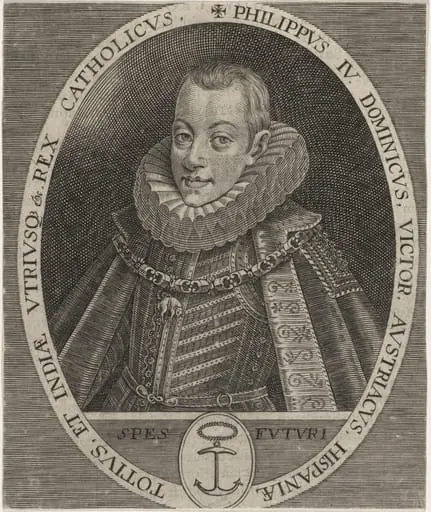
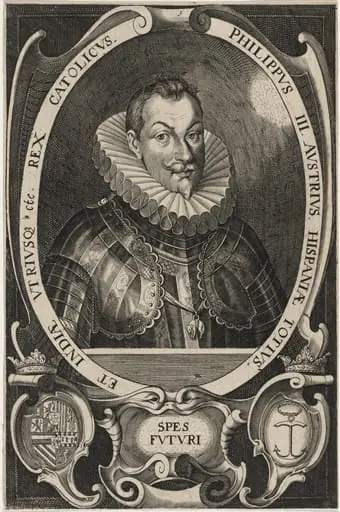
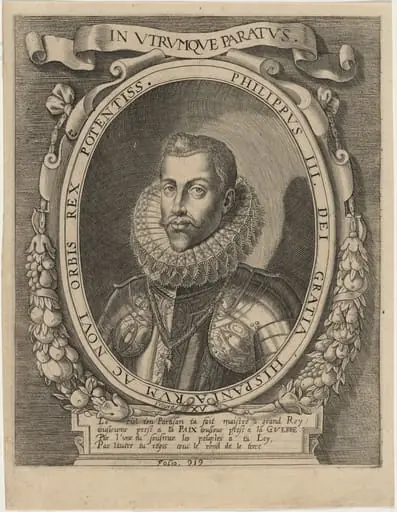
This engraving from 1601 features a portrait of a man, likely a king, with short hair and a ruffled collar. He wears ornate clothing adorned with intricate designs, and a sword hangs from his waist. The background is plain, with a curtain draped above the subject's head.
The engraving is rendered in a detailed, realistic style, with cross-hatching used to create shading and texture. The subject's facial expression is serious, and his gaze is directed straight ahead.
The level of detail and realism in this engraving suggests that it was created by a skilled artist. For more information on the artist who created this work, look up Houve, Paul de la.
Overview
This 1601 copper engraving presents a formal portrait of a male ruler, identified as Philip III of Spain. Rendered in a restrained composition, the figure stands before a plain backdrop topped by a draped curtain, emphasizing his status through elaborate attire and insignia rather than narrative setting.
Subject & Meaning
The sitter is depicted with short, neatly trimmed hair, a ruffled collar, and richly patterned garments that signal royal authority. A sword suspended at his side reinforces his martial role, while his direct, solemn gaze conveys the gravitas expected of a sovereign in early‑modern Spain.
Technique & Style
Paul de la Houve employs fine cross‑hatching to model flesh, fabric and metal, achieving a nuanced gradation of light and shadow. The engraving’s meticulous line work reflects the period’s interest in realistic portraiture, balancing decorative detail with a restrained, almost photographic fidelity.
History & Provenance
Created in 1601, the print coincides with the early years of Philip III’s reign, serving both as a visual record and a means of disseminating his image across the Spanish empire. The work is attributed to the French engraver Paul de la Houve, whose activity in the Low Countries linked him to the broader network of European printmakers.
Artist & collection