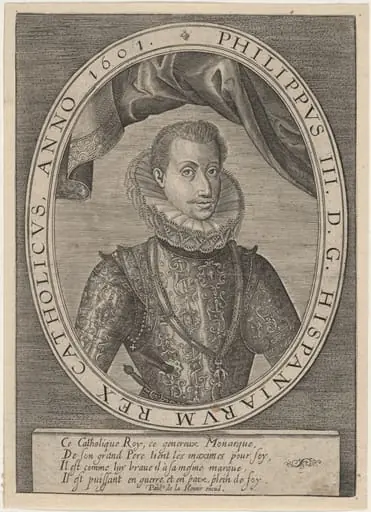
Artwork
Philip IV, King of Spain
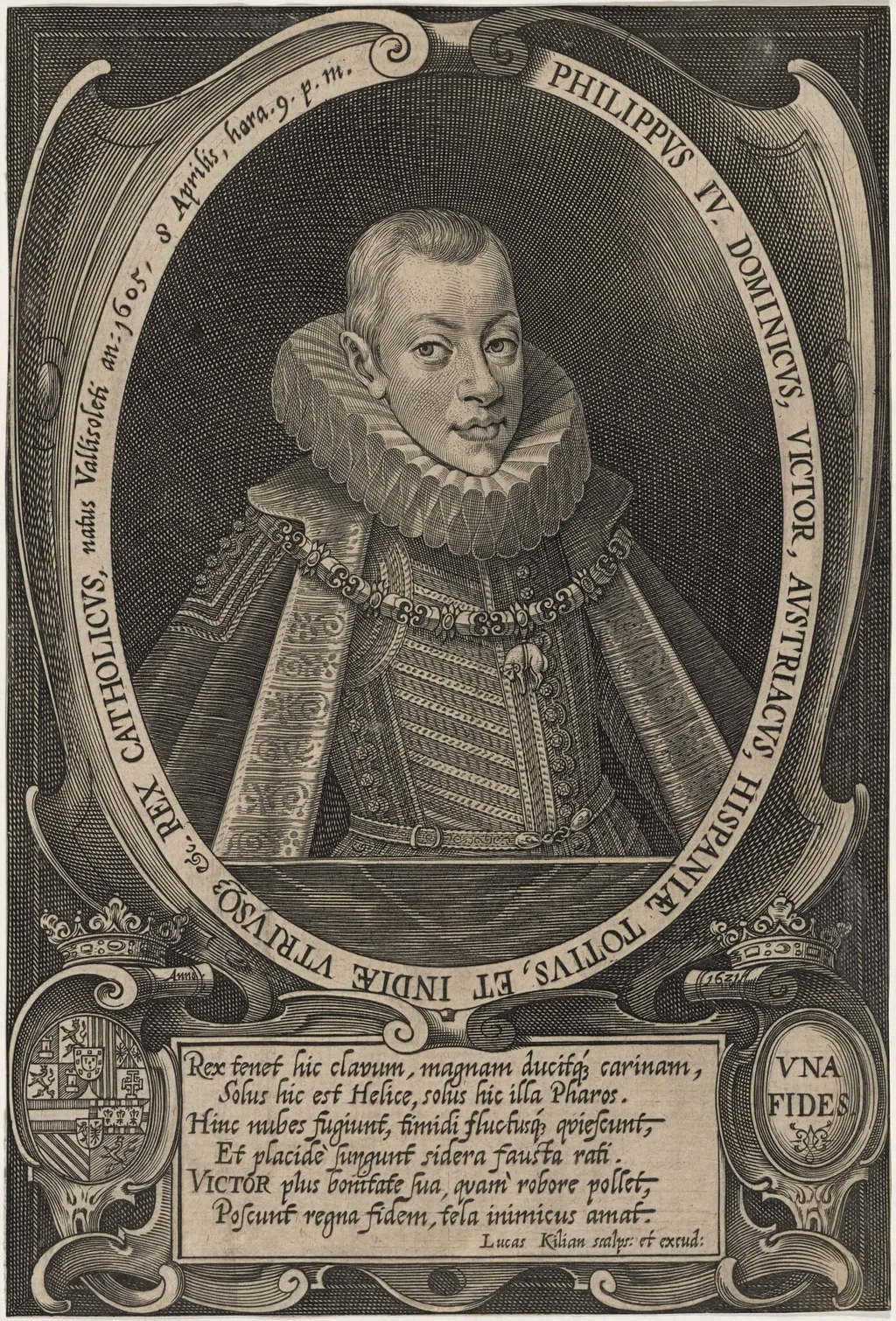
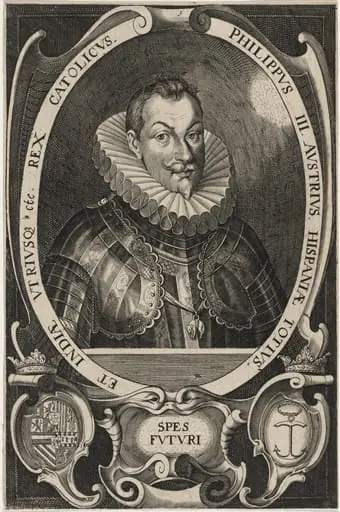
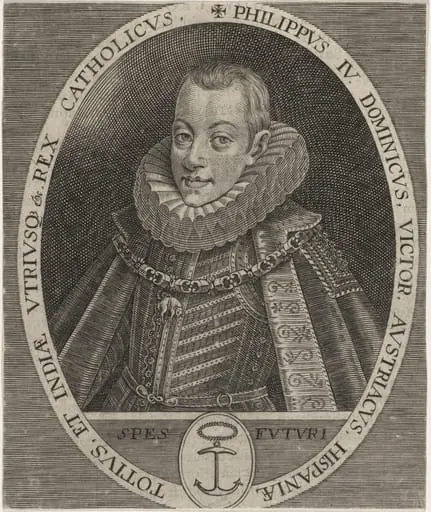
Philip IV, King of Spain is an ink print by the Baroque artist Lucas Kilian. It dates from 1624 and is held in the collection of the National Gallery of Art.
About this work
Overview
Lucas Kilian’s 1624 engraving presents Philip IV of Spain in a strict profile view. Executed in black‑and‑white, the image combines a decorative border bearing Latin inscriptions with a finely rendered portrait, emphasizing the monarch’s formal attire and solemn expression.
Subject & Meaning
The work identifies the sitter as Philip IV, ruler of Spain, by naming him and his title within the surrounding legend. The dignified pose and elaborate costume—ruffed collar, patterned cape—convey royal authority and the ceremonial aspects of early‑modern monarchy.
Technique & Style
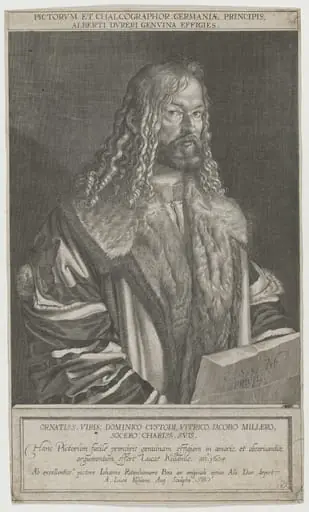
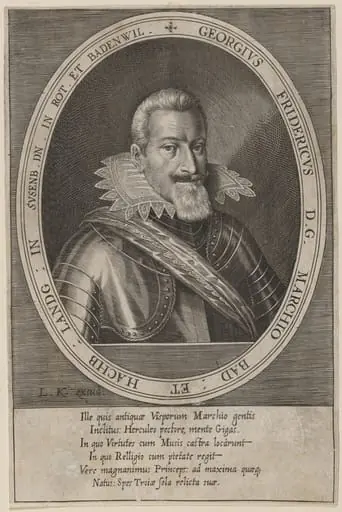
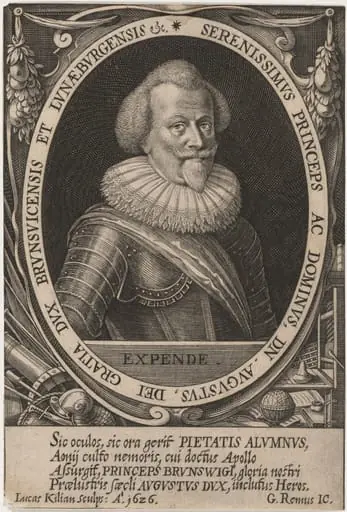
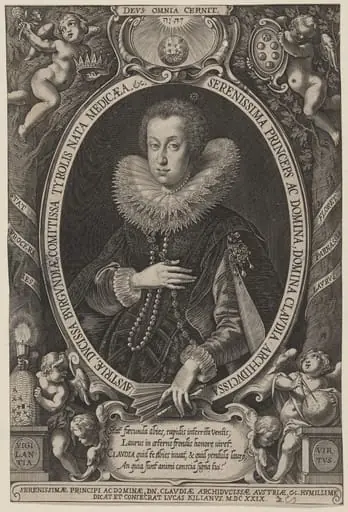
Created with copper engraving, the print relies on delicate, intersecting lines to model light, shadow, and texture. Kilian’s linear precision reflects the Germanic print tradition of the early seventeenth century, where meticulous hatching produces a realistic yet stylized likeness.
History & Provenance
Born in 1579, Kilian trained in Augsburg under the Custos workshop founded by his stepfather. By the 1620s he was recognized for portraiture as well as mythological and anatomical subjects. This portrait circulated as part of the broader European practice of disseminating royal images through prints.
Context
The engraving belongs to a period when Spain’s political power extended across Europe, prompting the production of portrait prints that could be widely distributed. Augsburg’s thriving engraving industry supplied such images, reinforcing the monarch’s presence beyond the court.
Artist & collection
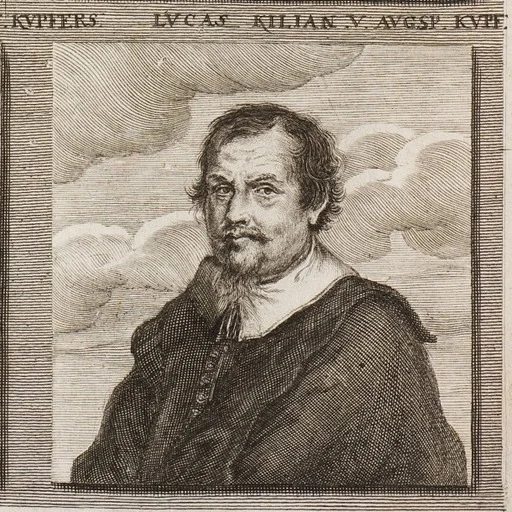
Artist
Lucas Kilian (Lucas Kilianus Augustanus; 1579–1637) was a German engraver and etcher from the Kilian family of engravers in Augsburg.