Artwork
Queen Elizabeth
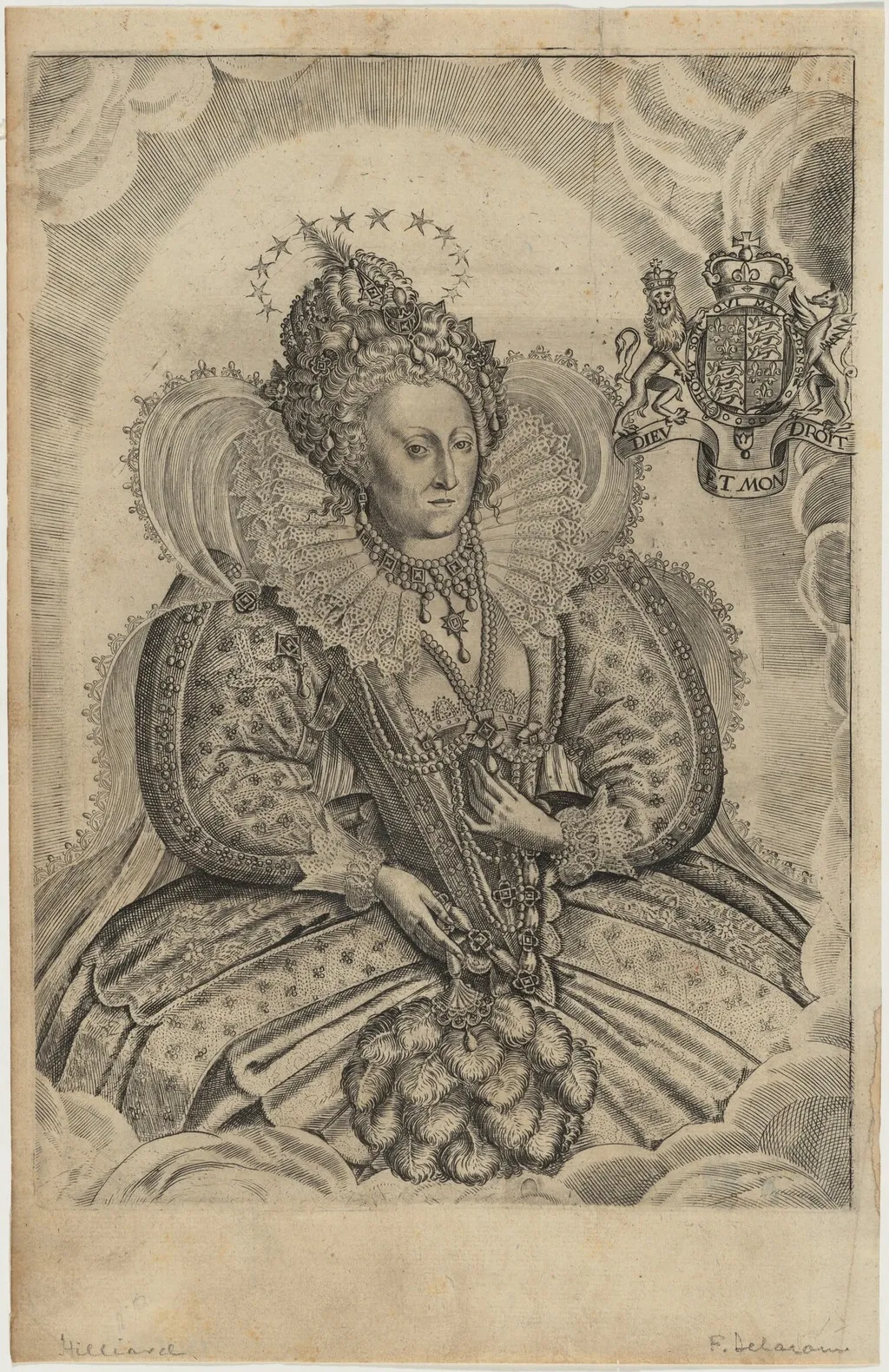
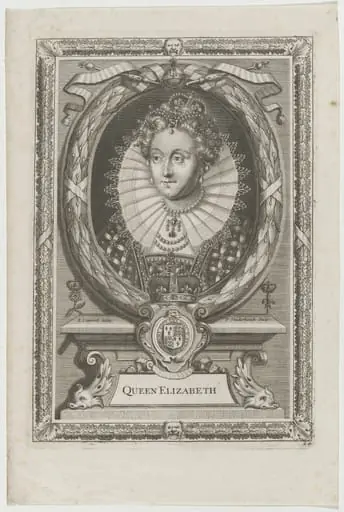
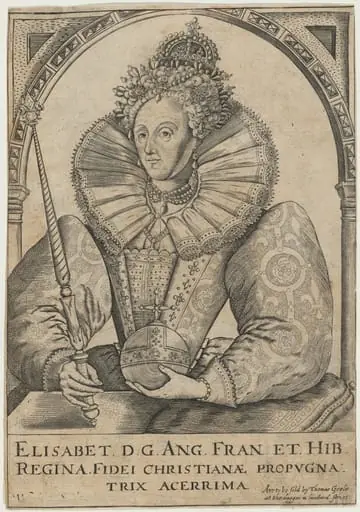
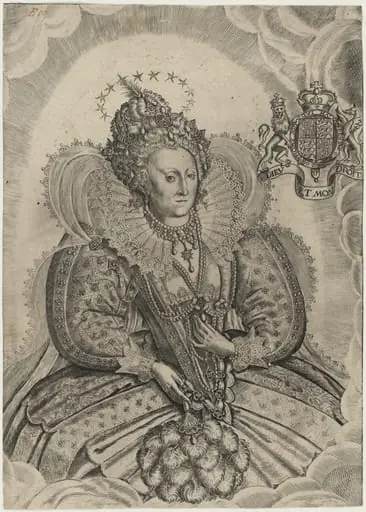
Queen Elizabeth is an ink print by the Baroque artist Francis Delaram. It is held in the collection of the National Gallery of Art.
About this work
Overview
Delaram, likely of Flemish origin, worked as an engraver in England during the early 17th century, producing portraits and illustrations for literary works.
This 1630 engraving by Francis Delaram depicts Queen Elizabeth I posthumously, created decades after her death. Delaram, likely of Flemish origin, worked as an engraver in England during the early 17th century, producing portraits and illustrations for literary works. The print was made using traditional intaglio techniques, with fine lines carved into a metal plate to transfer ink onto paper. Though executed after her lifetime, it reflects contemporary ideals of royal imagery.
Subject & Meaning
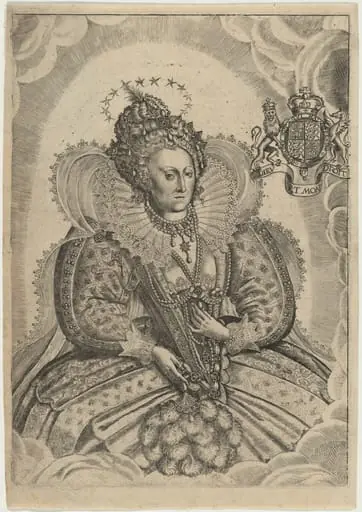
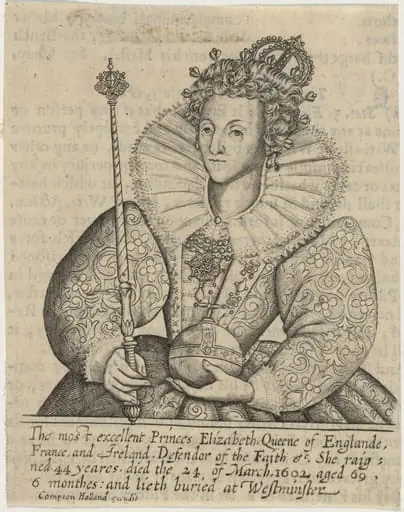
The portrait presents Elizabeth I in ceremonial attire, emphasizing her status through symbolic elements: a crown, a lion emblem, and a pearl necklace. She holds a fan, a gesture associated with poise and authority. Decorative cherubs frame the composition, drawing from continental traditions to elevate her image. The arrangement avoids naturalism, instead constructing an idealized, almost allegorical representation of monarchy, suited to posthumous veneration.
Technique & Style
Delaram employed fine cross-hatching to render the texture of fabric and the sheen of pearls, demonstrating skill in mimicking material richness through line alone. The background, however, lacks coherence, suggesting either haste or limited technical control. The cherubs and ornamental details reveal Flemish stylistic influences, contrasting with the more rigid English portraiture of the period. The print’s precision in facial features contrasts with its looser, less resolved surroundings.
History & Provenance
Created in 1630, the engraving emerged during a period when printed portraits of Elizabeth I remained popular, serving political and cultural memory. Delaram’s association with William Camden’s historical writings suggests the image may have been intended for scholarly or commemorative use. Some scholars speculate it was produced under the supervision of Cornelis Boel, known for his work on the King James Bible, linking it to broader print culture of the Jacobean court.
Context
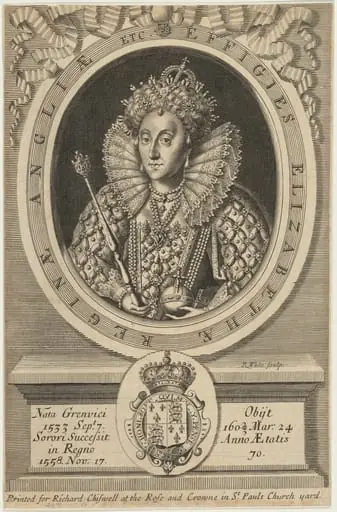
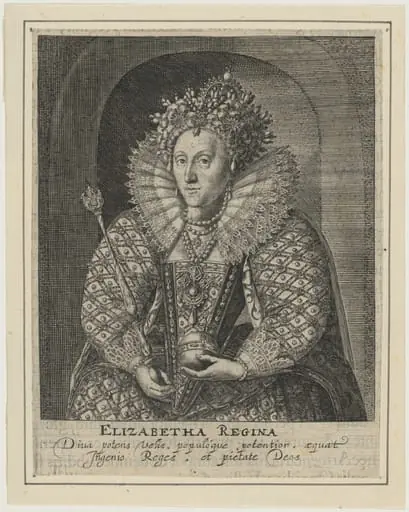
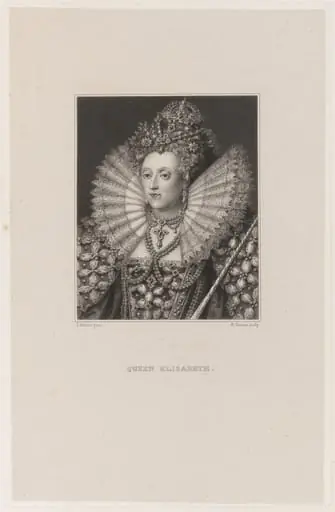
In the decades following Elizabeth’s death, her image was frequently reproduced to reinforce national identity and Tudor legitimacy. Engravings like this one circulated among elites and institutions, shaping public perception of the late queen. The fusion of English subject matter with Flemish decorative elements reflects the transnational nature of printmaking in early modern Europe, where artistic styles crossed borders through trained craftsmen and imported techniques.
Legacy
Though not a contemporary likeness, Delaram’s engraving contributed to the enduring visual archetype of Elizabeth I as a regal, almost mythic figure. Its stylistic inconsistencies highlight the challenges of posthumous portraiture without direct reference. The print remains a document of how royal imagery was maintained and adapted in print, influencing later representations and illustrating the role of engraving in shaping historical memory.
Artist & collection
Artist
Francis Delaram (born around 1590, fl. 1615–1624 or 1627), was an English engraver. Delaram left a substantial collection of engraved portraits, landscapes and book illustrations (specifically, William Camden's…

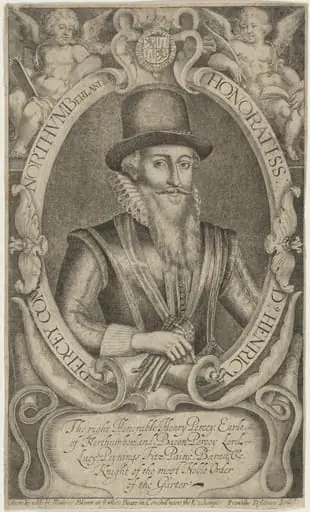 Henricus Percye (Henry Percy, Ninth Earl of Northumberland)
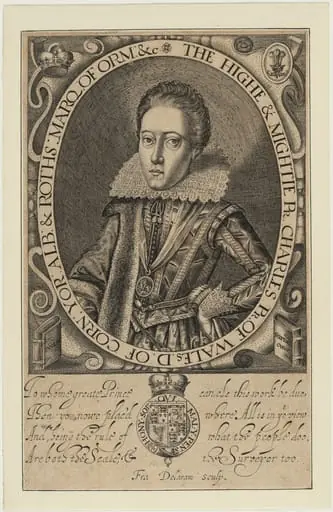 Charles I, as Prince of Wales
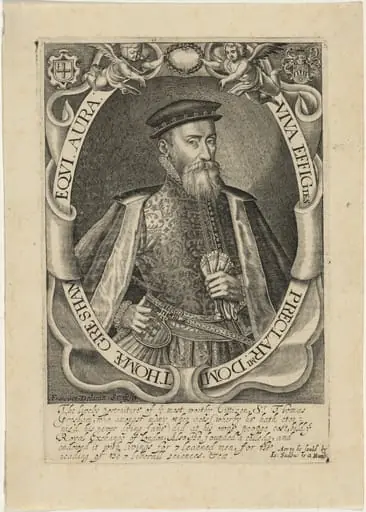 Sir Thomas Grisham
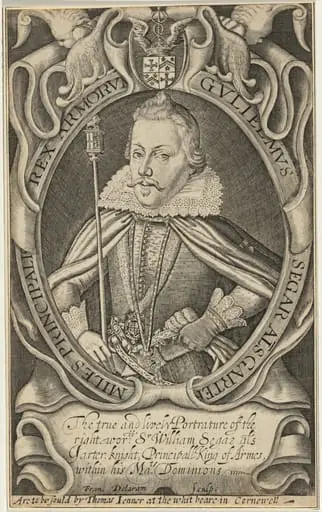 Guliemus Segar (Sir William Segar)
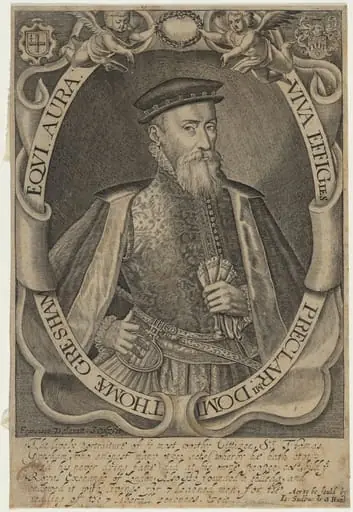 Thomae Gresham Equi. Aura (Sir Thomas Gresham)
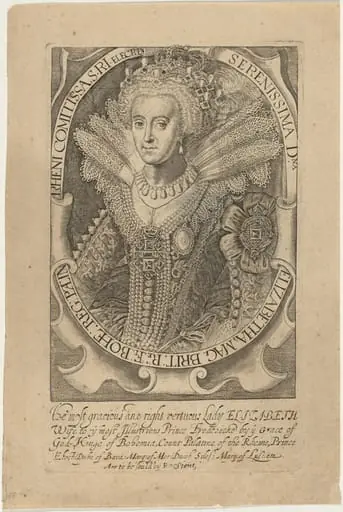 Elizabeth, Queen of Bohemia
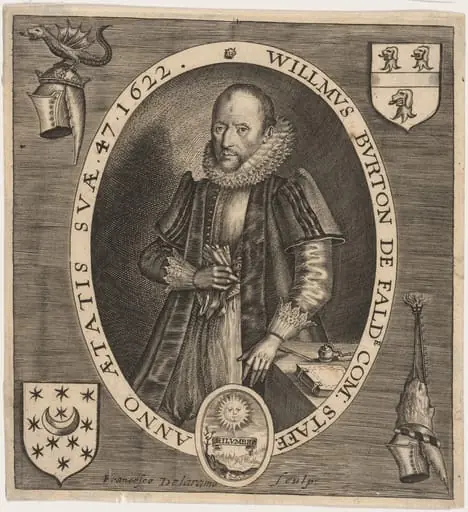 Willmus Burton de Falde (William Burton)
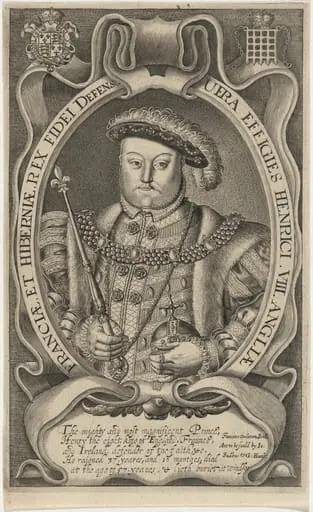 Henrici VIII Angliae, Franciae et Hiberniam Rex (King Henry VIII)