Artwork
Title Page to Hermes Theologus or New Descants Upon Old Records, Theoph. Woodnote
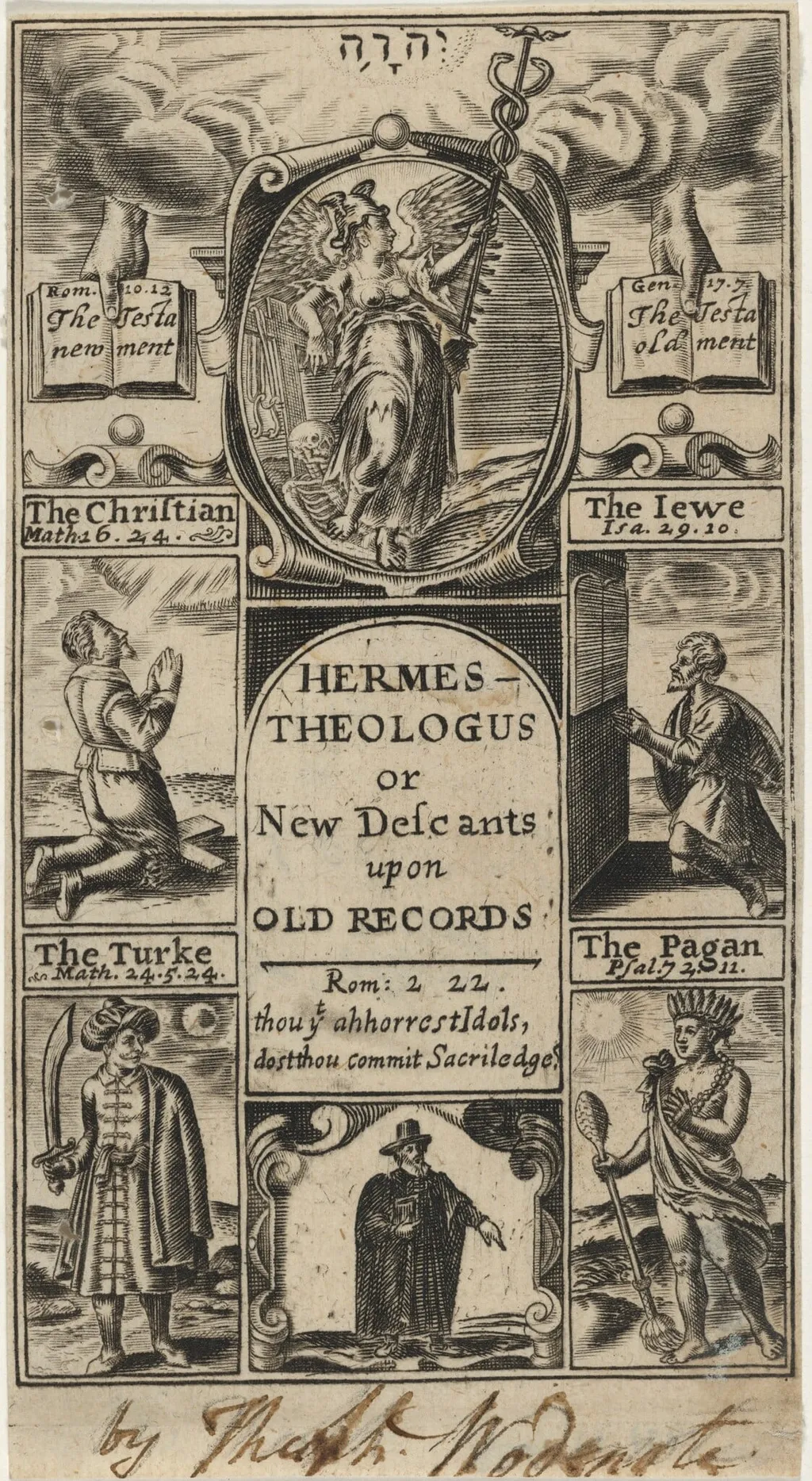
Title Page to Hermes Theologus or New Descants Upon Old Records, Theoph. Woodnote is an ink print by the Romanticist artist Unknown 19th Century. It dates from 1850 and is held in the collection of the National Gallery of Art. This engraving serves as the title page for *Hermes Theologus*, a 19th-century publication attributed to Theoph.
About this work
Overview
The precision of the lines reflects the technical demands of metal engraving, a common practice for high-end book production during the period.
This engraving serves as the title page for *Hermes Theologus*, a 19th-century publication attributed to Theoph. Woodnote. Created using the intaglio method, it features intricate decorative borders filled with floral motifs and scrolling vines. The precision of the lines reflects the technical demands of metal engraving, a common practice for high-end book production during the period. Its function was both ornamental and authoritative, signaling the book’s scholarly tone.
Subject & Meaning
The page carries no figurative imagery but relies on symbolic vegetation—leaves, tendrils, and blossoms—to evoke themes of natural wisdom and esoteric knowledge. These elements align with the Hermetic tradition, which linked botanical forms to hidden truths and cosmic order. The absence of human figures directs focus to the text’s authority, framing the book as a vessel for ancient, reverent learning rather than personal narrative.
Technique & Style
The design was executed through metal engraving, where fine lines were incised into a copper plate by hand. Cross-hatching and delicate stippling create texture and depth in the foliage, demonstrating mastery over tonal gradation without color. The uniformity of line weight and rhythmic repetition of motifs reflect a disciplined, almost architectural approach to ornamentation, typical of 19th-century book illustration aimed at durability and elegance.
History & Provenance
The engraving originates from a privately published or small-press edition of *Hermes Theologus*, likely produced in Britain or the United States during the early to mid-1800s. Such title pages were often commissioned from specialized engravers rather than the author, and few copies survive in original condition. Its survival suggests it was valued by collectors of occult or esoteric literature of the era.
Context
In the 19th century, printed books frequently employed elaborate title pages to convey legitimacy and intellectual prestige, especially in niche fields like hermetic philosophy. With the rise of industrial printing, hand-engraved designs became rarer, making this page a transitional artifact. It bridges the ornate traditions of early modern printing and the mechanized aesthetics of the later Victorian age.
Legacy
Though obscure in popular memory, this engraving exemplifies the craftsmanship once central to scholarly publishing. It remains a reference point for historians of the book and print culture, illustrating how visual design reinforced textual authority. Its survival in institutional collections ensures continued study of the intersection between typography, symbolism, and material print practices of the 1800s.
Artist & collection

Artist

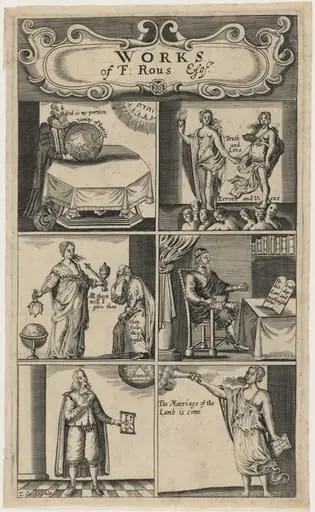 Title Page to F. Rous' Works
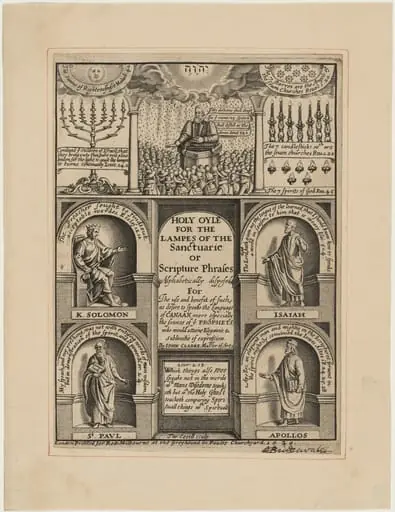 Title Page for Holy Oyle for the Lampes of the Sanctuarie, John Clarke
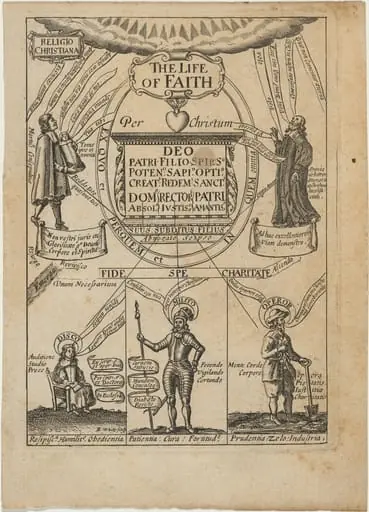 Title Page to The Life of Faith by Richard Baxter
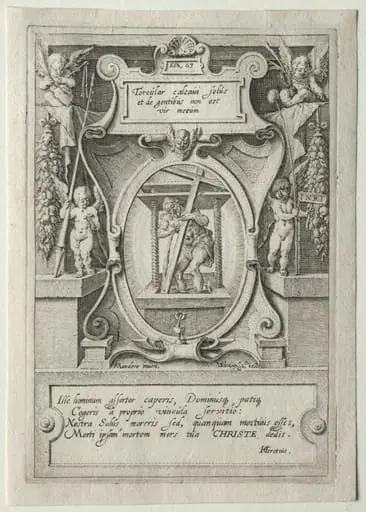 Passion Set
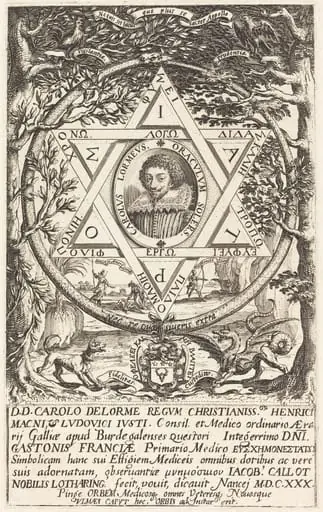 Charles De Lorme
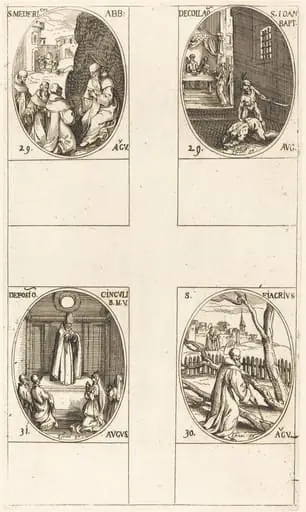 St. Mederic, Abbot; Beheading of John the Baptist; St. Fiacre; Festival of the Belt of the Virgin
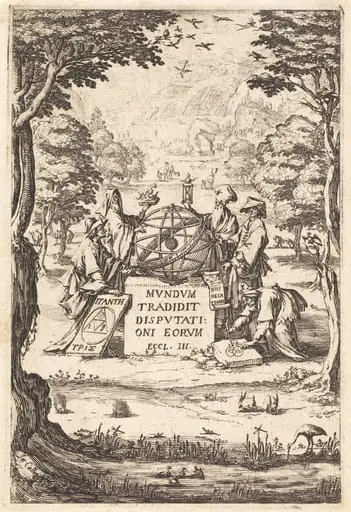 Frontispiece for the Sacred Cosmologia (Title with Astrologers)
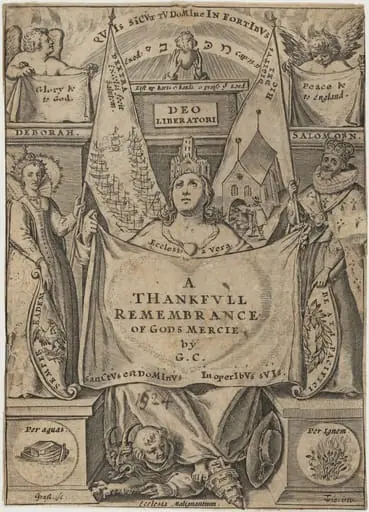 Title Page, A Thankful Remembrance of God's Mercie, by George Carleton
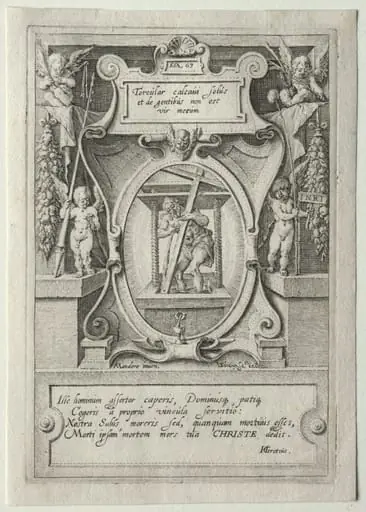 Passion Set: Title Page