Artwork
Charles De Lorme
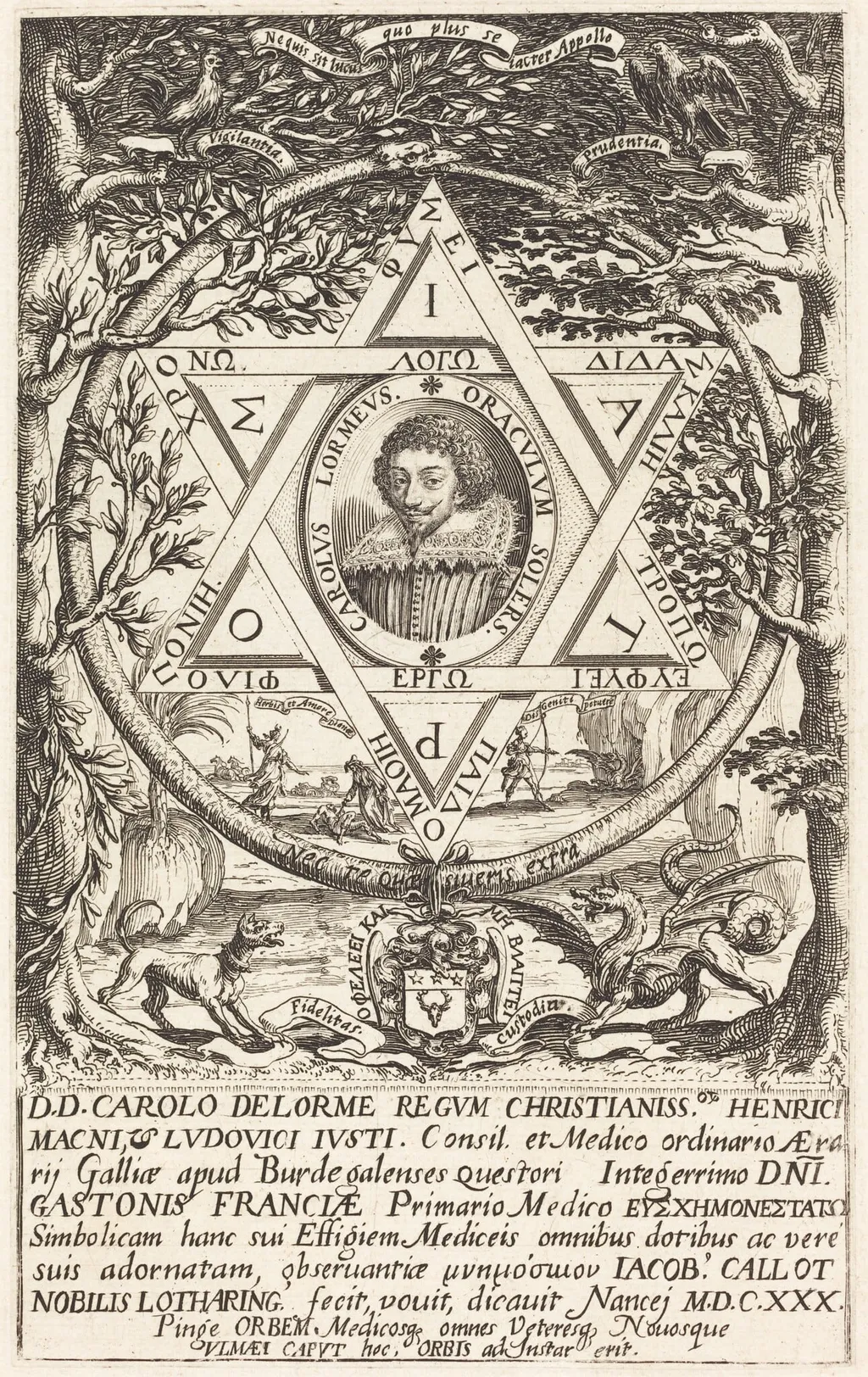
Charles De Lorme is an ink print by the Baroque artist Jacques Callot. It dates from 1630 and is held in the collection of the National Gallery of Art.
About this work
The artist used lines to create deep shadows and texture, almost like carving with a pen.
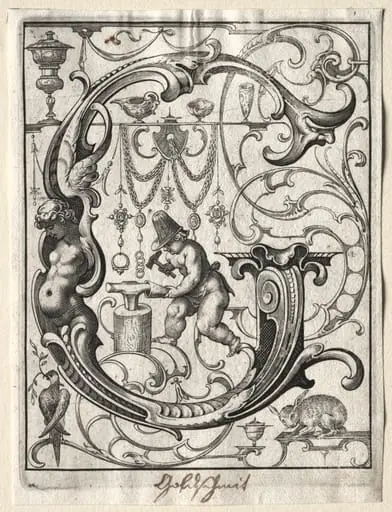
This image is a black-and-white drawing packed with symbols. At the center sits a man’s face inside a circle. Around him, shapes like shields and triangles hold words in different languages. Strange creatures—half-animal, half-human—hide in the corners. Tiny scenes show people at work or in battle. The whole thing looks like a puzzle.
The text at the bottom names the man as Charles De Lorme, a doctor. The drawing was made in 1630 as a way to honor him. The artist used lines to create deep shadows and texture, almost like carving with a pen.
Want to know more? Try looking up etching to see how artists like this made prints.
Overview
Jacques Callot, a French printmaker active in the early seventeenth century, produced an etching titled Charles De Lorme in 1630. Executed on laid paper, the work is a black‑and‑white image that combines portraiture with a dense network of symbolic elements, presenting the subject within a circular frame surrounded by heraldic and linguistic motifs.
Subject & Meaning
The central figure is identified as Charles De Lorme, a physician of the period, whose likeness is placed within a circle that emphasizes his status. Encircling the portrait are shields, triangles and multilingual inscriptions, suggesting a scholarly or commemorative purpose, while the inclusion of hybrid creatures and miniature scenes of labor and combat adds layers of allegorical meaning.
Technique & Style
Callot employs his characteristic fine line work to render intricate textures and deep shadows, creating a sculptural quality with pen‑like strokes. The etching demonstrates his skill in rendering complex compositions on a single sheet, using cross‑hatching and varied line density to model forms and suggest depth across the crowded visual field.
History & Provenance
Created in 1630, the print forms part of Callot’s prolific output of more than a thousand etchings that document contemporary figures and events. While the exact ownership trail is unclear, the work reflects the artist’s practice of honoring notable individuals through detailed, emblematic prints that served both portraiture and didactic functions.
Artist & collection
Artist
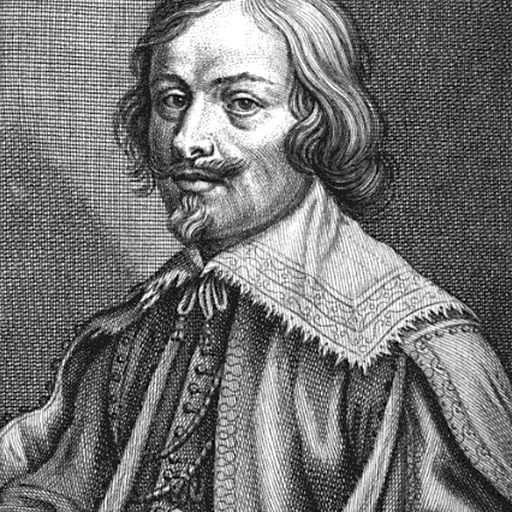
Jacques Callot was a baroque printmaker and draftsman from the Duchy of Lorraine.

 Holy Family at supper
 Restoration of the Aqueduct at Pisa
 Restoration of the Aqueduct at Pisa
 Square in Paris with Many Figures
 Square in Paris with Many Figures
 Horsemen Attacked by Robbers
 HOW WILL A COVERED PART BE CORRECTED?HOW WIKA A COVERED HEART DEED CORRECTED?
![Christ Walking on the Water [second plate], by Jacques Callot](https://artifactworldgallery.com/img/jacques-callot--christ-walking-on-the-water-second-plate--2069f3bfe4cb2126-w320.webp) Christ Walking on the Water [second plate]
Christ Walking on the Water [second plate]
 Charles I
 Vox Dei, by Thomas Scott
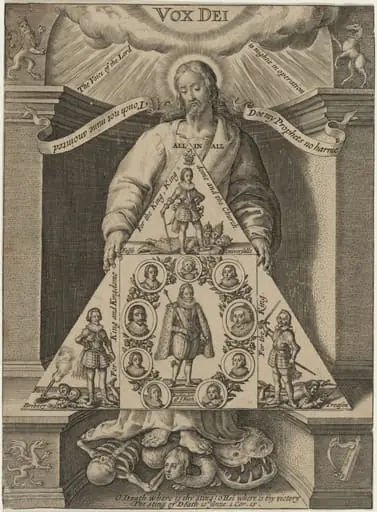 Vox Dei, by Thomas Scott
 Crest
Crest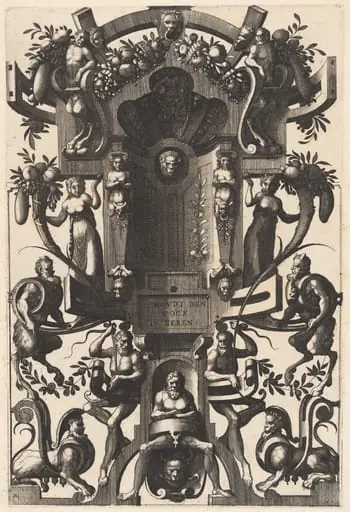 Grotesque with Strapwork in the Form of a Cartouche
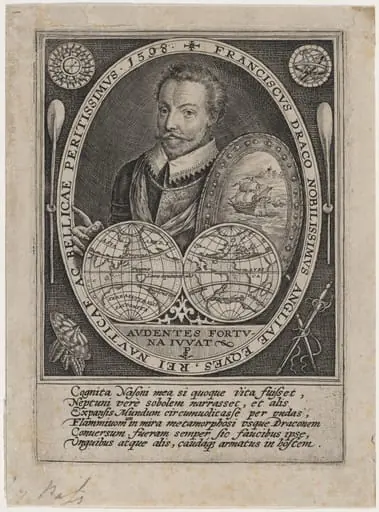 Francis Drake
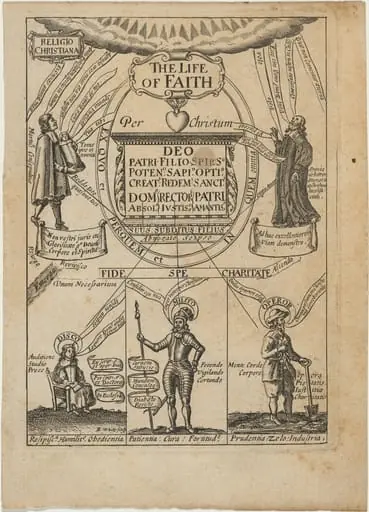 Title Page to The Life of Faith by Richard Baxter
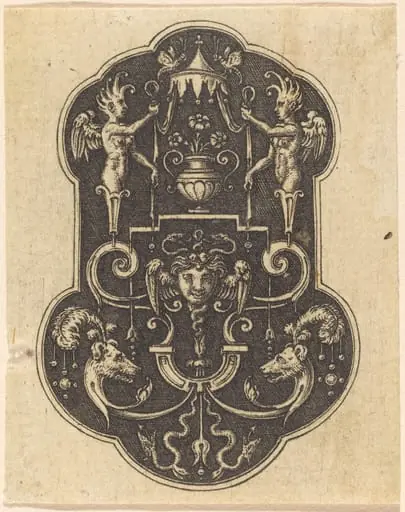 Head of Medusa
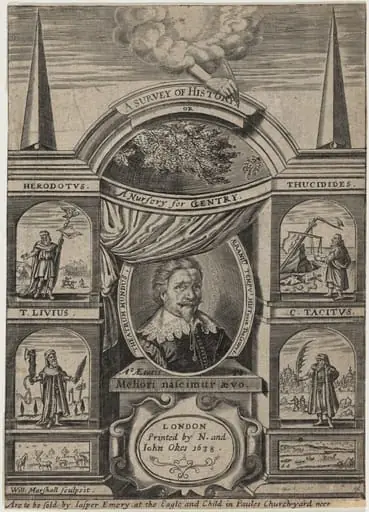 Title page to R. Brathwait, A Survey of History
![Archetypa studiaque patris Georgii Hoefnagelii [Part 4, Titlepage], by Jacob Hoefnagel](https://artifactworldgallery.com/img/jacob-hoefnagel--archetypa-studiaque-patris-georgii-hoefnagelii-part-4-titlep--a48938e411f894b0-w320.webp) Archetypa studiaque patris Georgii Hoefnagelii [Part 4, Titlepage]
Archetypa studiaque patris Georgii Hoefnagelii [Part 4, Titlepage]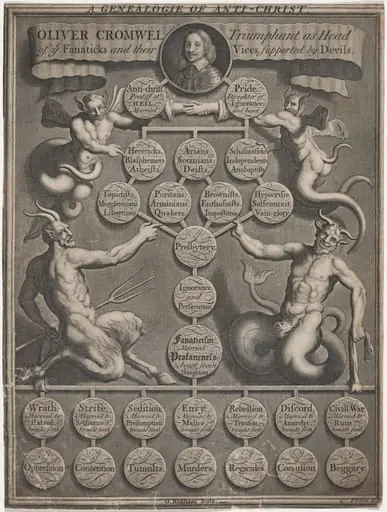 Oliver Cromwell
 New ABC Booklet: G