Artwork
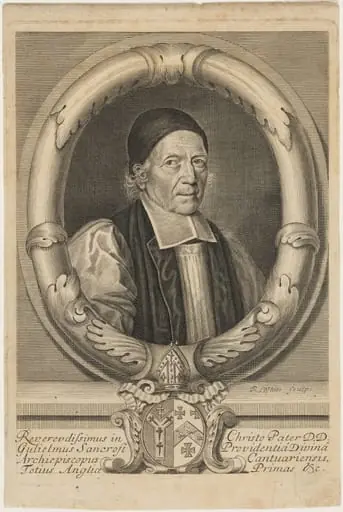
William Laud, Archbishop of Canterbury
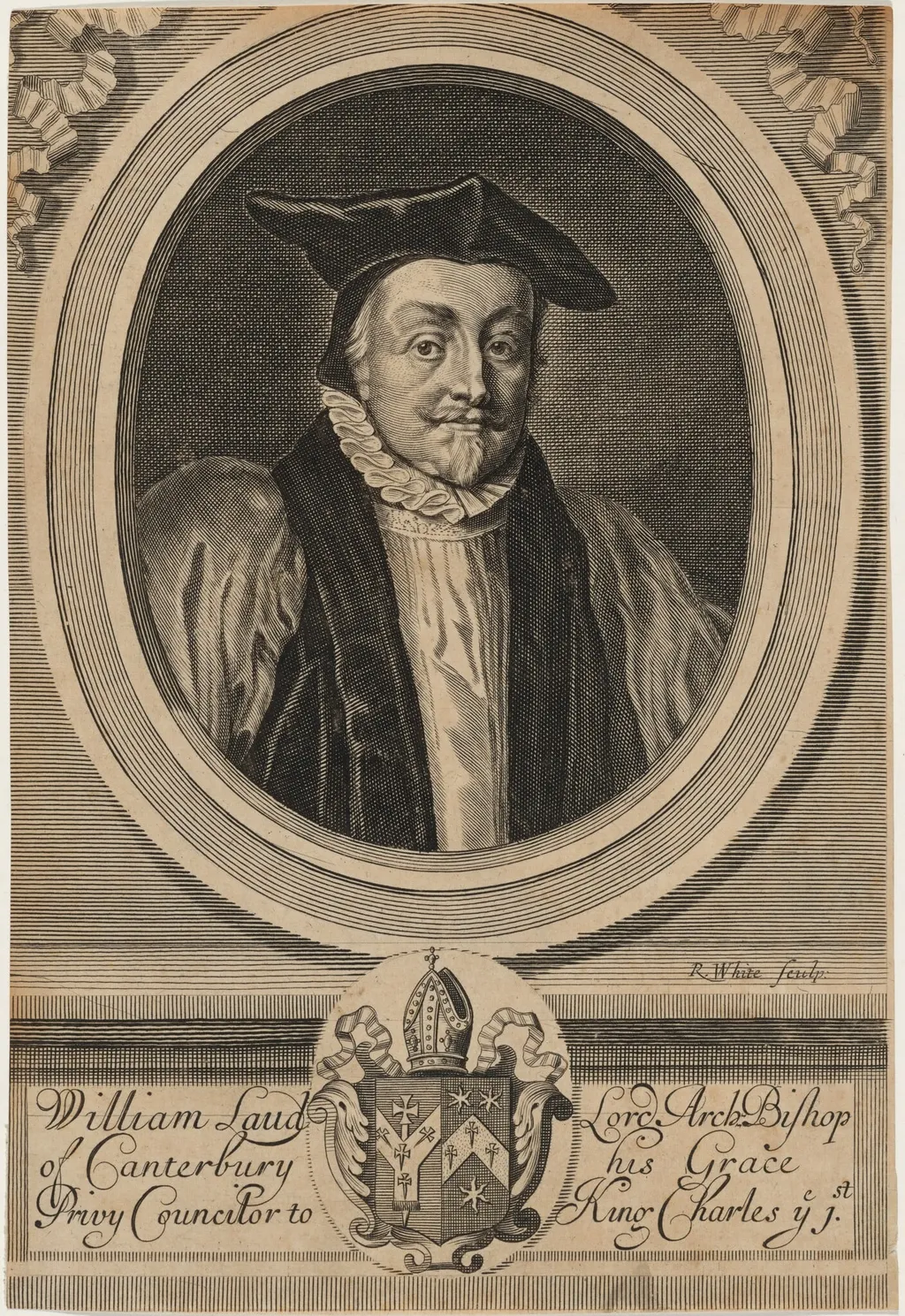
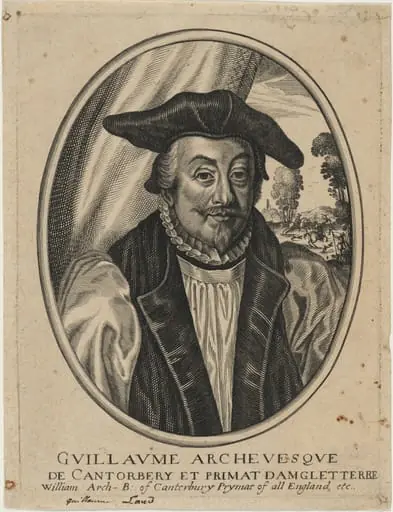
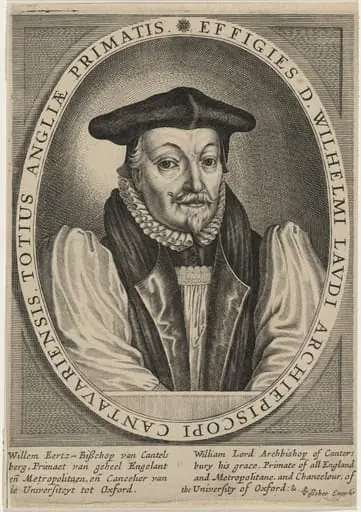
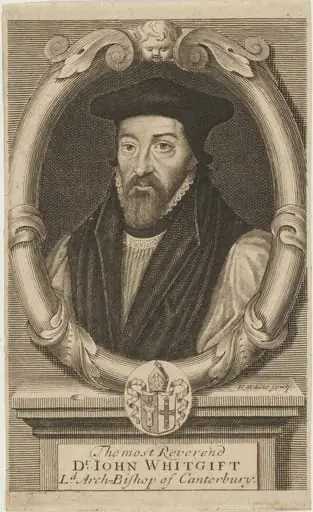
William Laud, Archbishop of Canterbury is an ink print by the Baroque artist Robert White. It dates from 1674 and is held in the collection of the National Gallery of Art.
About this work
Overview
Robert White, an English engraver active in the late 17th century, produced a portrait print of William Laud, the former Archbishop of Canterbury, in 1674. Executed as a black‑and‑white engraving, the image presents Laud in his ecclesiastical robes, framed by an ornamental border and accompanied by his heraldic symbols.
Subject & Meaning
The portrait identifies Laud as Archbishop of Canterbury and Privy Councillor, underscoring his high rank within both the Church of England and the royal government. The inclusion of the bishop’s mitre and crossed croziers in the adjacent coat of arms reinforces his ecclesiastical authority, while the solemn expression conveys the gravitas associated with his office.
Technique & Style
White employed the fine line work characteristic of English portrait engraving, using cross‑hatching and stippling to model the folds of Laud’s robe and the texture of his beard. The decorative border, composed of interlacing curves and linear motifs, frames the figure and reflects the ornamental conventions of the period’s printmaking.
History & Provenance
The 1674 engraving survives in several museum collections, attesting to its circulation among contemporary patrons.
A pupil of the noted draughtsman David Loggan, White established himself as a leading portrait engraver, especially known for pencil portraits on vellum rendered in Loggan’s manner. He continued his practice until his death in 1703, dying in modest circumstances in Bloomsbury Market, London. The 1674 engraving survives in several museum collections, attesting to its circulation among contemporary patrons.
Context
Created shortly after Laud’s execution in 1645, the engraving reflects the ongoing interest in his controversial legacy during the Restoration era. Portraits of high‑ranking clerics were common in the period, serving both commemorative and propagandistic purposes within a society negotiating the aftermath of civil war and religious upheaval.
Artist & collection
Artist
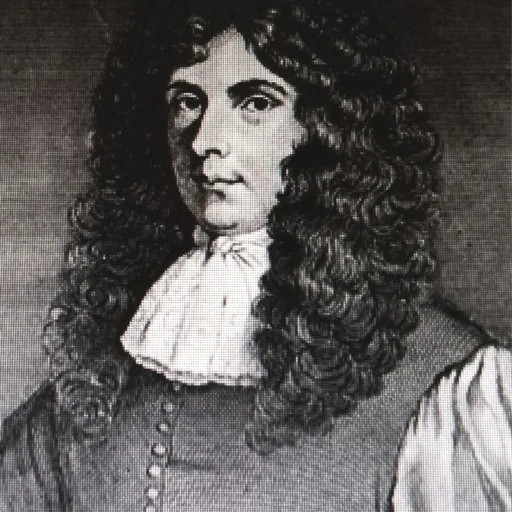
Robert White (1645 – 1703) was an English draughtsman and engraver. A Londoner, he was a pupil of David Loggan, and became a leading portrait engraver. White was celebrated for his original portraits, drawn in pencil on…