Artwork
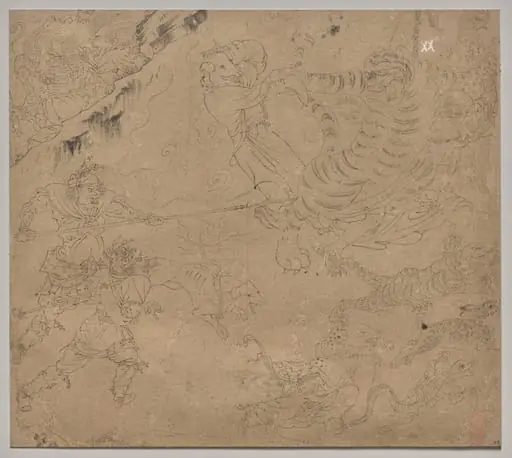
Album of Daoist and Buddhist Themes: Kings of Hells: Leaf 39
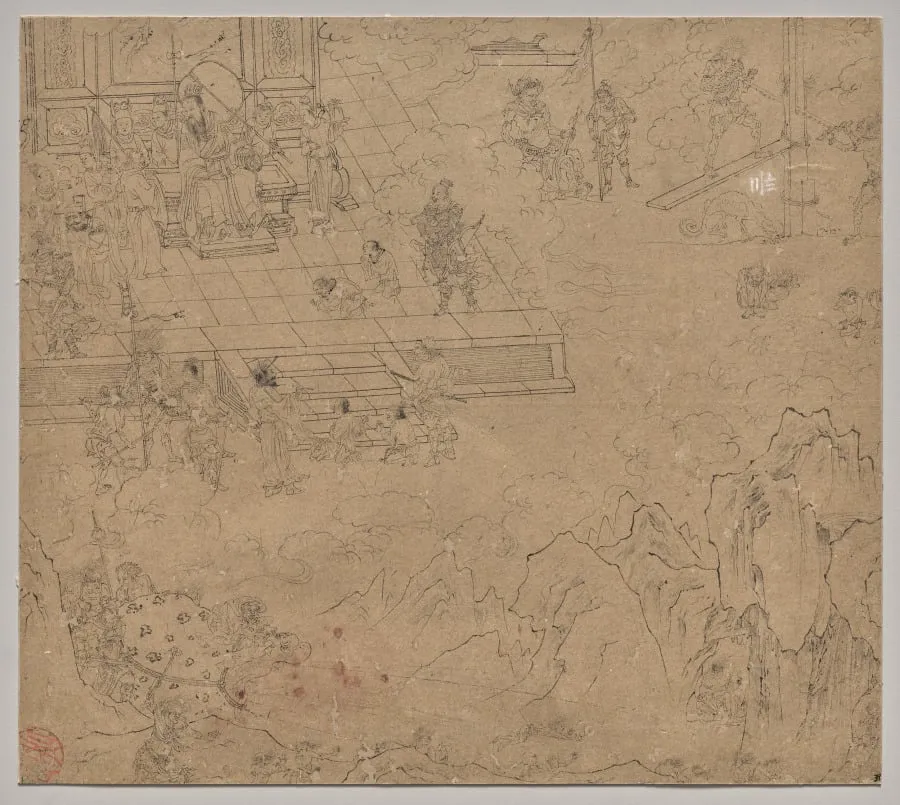
Album of Daoist and Buddhist Themes: Kings of Hells: Leaf 39 is an unspecified painting by the Ming dynasty painting artist Unknown. It dates from 1204 and is held in the collection of the Cleveland Museum of Art. This leaf is one of fifty paintings in a serialized album produced in 13th-century China, likely within a studio setting.
About this work
Each page showed a different god or hell scene, so apprentices could copy the faces, poses, and details for bigger temple murals.
You see a crowded scene of demons torturing naked souls in a fiery underworld. Flames lick the edges, and jagged mountains loom in the background.
This painting is one leaf from a 50-page album used to train young artists in 1200s China. Each page showed a different god or hell scene, so apprentices could copy the faces, poses, and details for bigger temple murals. The demons here have the same sharp teeth and wild eyes you’d see in temple paintings of the time.
To see more hell scenes like this, look up china, southern song dynasty (1127-1279).
Overview
This leaf is one of fifty paintings in a serialized album produced in 13th-century China, likely within a studio setting. Designed as a pedagogical tool, the album guided apprentices in replicating religious iconography for larger devotional murals. The series is divided into thematic sections, with this page belonging to the middle segment depicting the Buddhist Ten Kings of Hell and their judicial torments.
Subject & Meaning
The scene illustrates one of the Ten Kings of Hell presiding over the punishment of deceased souls. Naked figures endure torment amid flames and jagged terrain, symbolizing karmic retribution for moral transgressions. The demons, with exaggerated features and aggressive postures, embody the fearsome agents of divine justice, reinforcing Buddhist teachings on ethical conduct and the consequences of wrongdoing.
Technique & Style
The composition is densely packed, with figures arranged in dynamic, overlapping formations to convey chaos and urgency. Bold outlines define the forms, while fiery hues and stark contrasts emphasize the infernal setting. Facial expressions and bodily contortions are rendered with precise, formulaic detail—characteristic of studio-trained artists copying established prototypes for ritual accuracy.
History & Provenance
Created during the Southern Song dynasty (1127–1279), the album likely originated in a workshop associated with temple decoration. Its function as a model book suggests it was circulated among apprentices rather than displayed publicly. No definitive provenance is recorded, but its style aligns with surviving mural fragments from southern Chinese Buddhist sites of the period.
Context
The album reflects the syncretic religious culture of Southern Song China, where Daoist and Buddhist imagery coexisted in popular devotion. Hell scenes like this one were common in temple walls and funerary art, serving both as moral instruction and as visual aids for rituals aimed at guiding the dead. The inclusion of Erlang Shen in later leaves indicates the blending of Daoist warrior deities into Buddhist cosmological frameworks.
Legacy
The album represents a rare surviving example of a training corpus used in pre-modern Chinese religious art production. Its standardized figures and compositions influenced the visual language of temple murals for generations. Though the full album is dispersed, individual leaves remain in museum collections, offering insight into the transmission of iconographic knowledge before the rise of printed manuals.
Artist & collection

 Domestic Scene
 Giacomo and Cardinal Marco, investing Andrea, Abbot of San Zeno, with his Benefice
 The Nymph of Fontainebleau
 Portrait of a Woman
 Madonna and Child with Saints in the Enclosed Garden
 Venus and Minerva
 Family Group of Four on Sofa
 Wall painting from Room H of the Villa of P. Fannius Synistor at Boscoreale
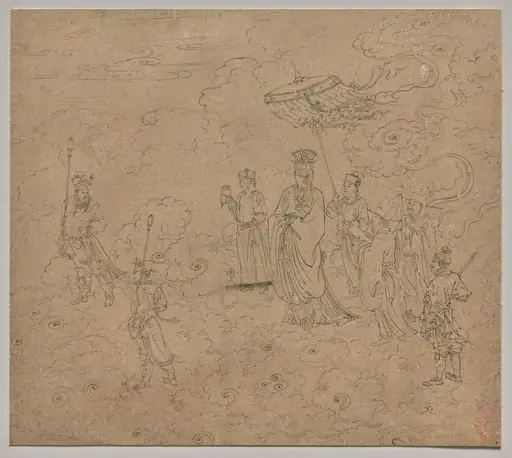 Album of Daoist and Buddhist Themes: Procession of Daoist Deities: Leaf 8
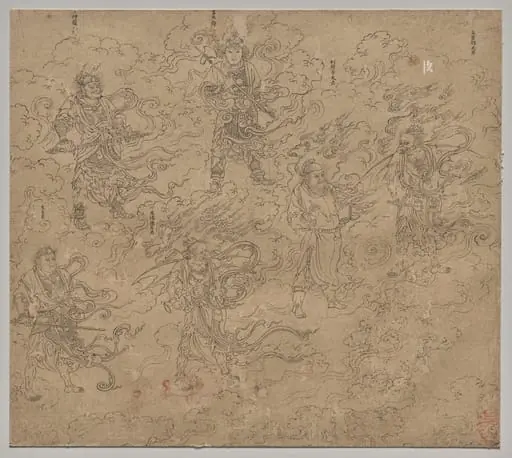 Album of Daoist and Buddhist Themes: Procession of Daoist Deities: Leaf 19
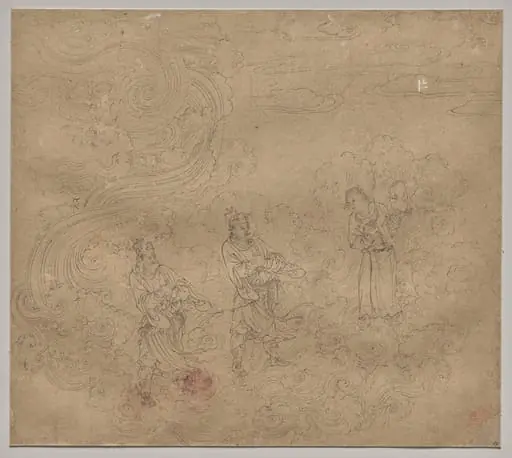 Album of Daoist and Buddhist Themes: Procession of Daoist Deities: Leaf 17
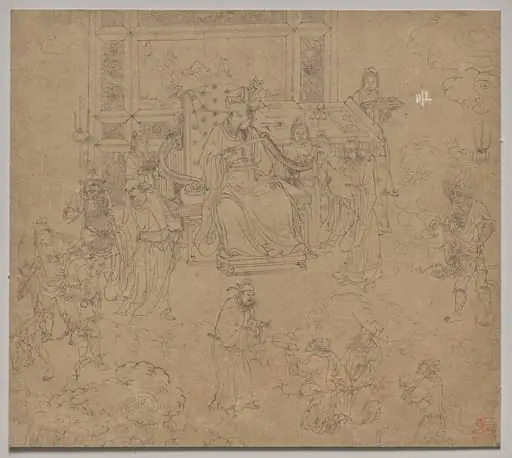 Album of Daoist and Buddhist Themes: Kings of Hells: Leaf 36
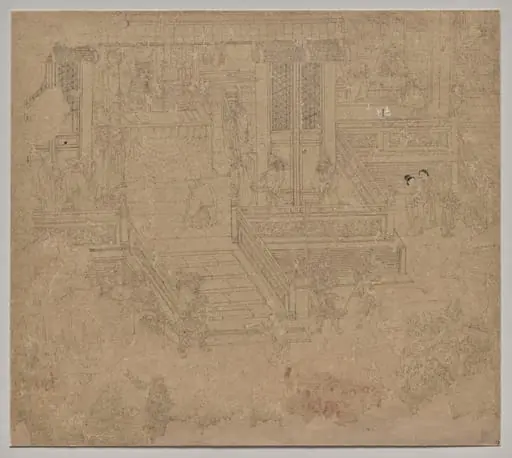 Album of Daoist and Buddhist Themes: Kings of Hells: Leaf 37
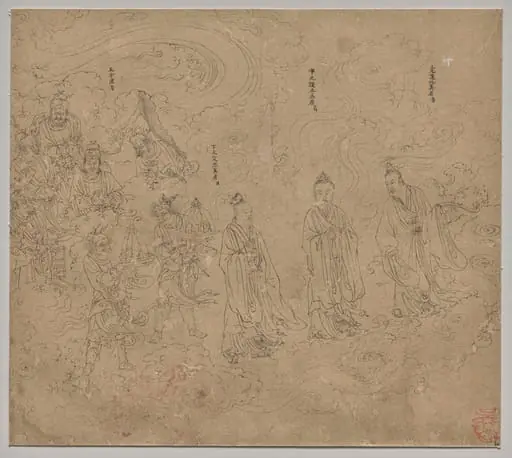 Album of Daoist and Buddhist Themes: Procession of Daoist Deities: Leaf 20
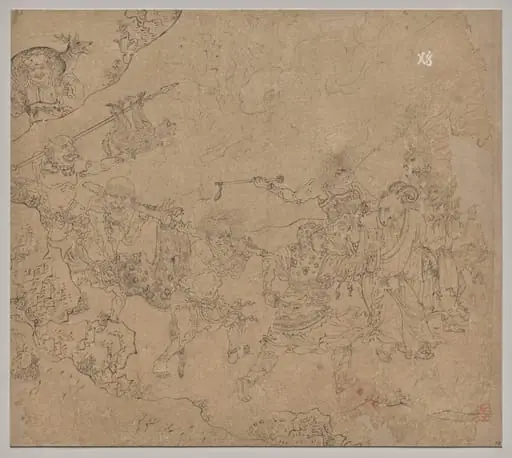 Album of Daoist and Buddhist Themes: Search the Mountain: Leaf 45
 Album of Daoist and Buddhist Themes: Search the Mountain: Leaf 44