Artwork
Bas-relief of a warrior, Louvre, Paris
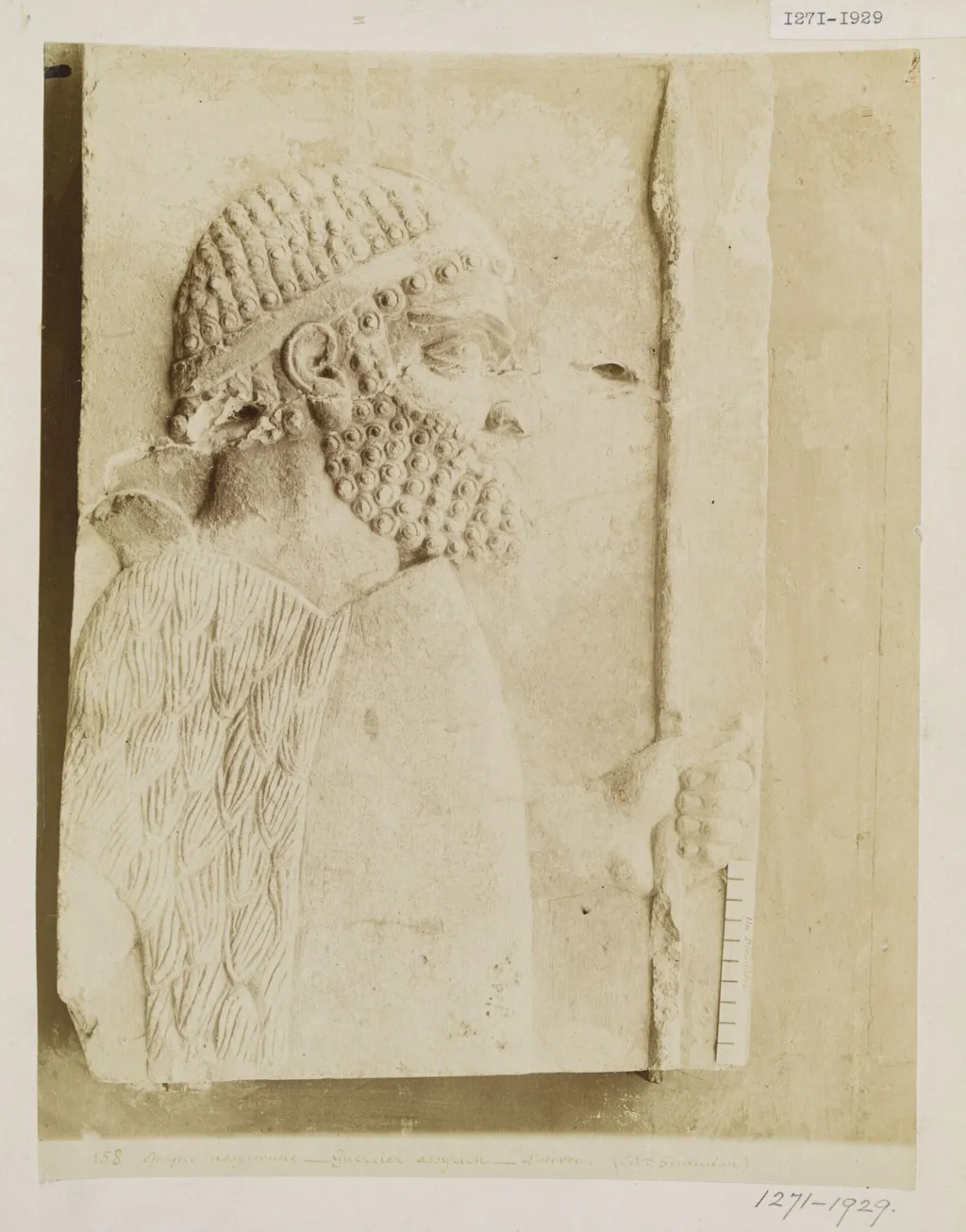
Bas-relief of a warrior, Louvre, Paris is a photographic photography by the Impressionist artist Unknown. It dates from 1884 and is held in the collection of the Victoria and Albert Museum. This photograph captures a stone bas-relief of a warrior, approximately two feet in height, depicted with a raised arm clutching a spear.
About this work
Overview
These images were not taken by Sargent himself but likely acquired from local professionals, serving as visual references rather than personal snapshots.
This photograph captures a stone bas-relief of a warrior, approximately two feet in height, depicted with a raised arm clutching a spear. The carving’s surface is weathered, yet the expression remains intense. The image is one of 611 photographs collected by John Singer Sargent during his extensive travels. These images were not taken by Sargent himself but likely acquired from local professionals, serving as visual references rather than personal snapshots.
Subject & Meaning
The warrior relief represents a figure from ancient or medieval military iconography, possibly drawn from Mediterranean or Near Eastern sources. Its focused gaze and dynamic posture suggest themes of vigilance or martial authority. Sargent, engaged in large-scale religious murals, may have studied such figures for compositional or symbolic inspiration. The carving’s endurance through time aligns with his interest in enduring artistic forms across cultures.
Technique & Style
The photograph reproduces a low-relief sculpture with careful attention to light and shadow, emphasizing the depth of carved contours and surface erosion. The tonal range suggests a deliberate photographic approach, likely using natural light to enhance texture. The image avoids embellishment, presenting the artifact with documentary clarity, consistent with Sargent’s utilitarian use of photography as a research tool rather than an artistic end.
History & Provenance
The photograph was part of a collection of 611 images amassed by John Singer Sargent during his travels. After his death in 1925, his sisters donated the entire set to the Victoria and Albert Museum. The museum cataloged the photographs by geographic origin and subject, integrating them into its library and sculpture archives. The collection had been previously used by Sargent to support his mural work in Boston, reflecting his methodical approach to artistic research.
Context
Sargent’s photographic collection emerged during a period when artists increasingly used photography to document art and architecture abroad. His travels spanned Europe, North Africa, and the Middle East, often linked to preparatory work for The Triumph of Religion. These images were not souvenirs but systematic records, helping him study form, proportion, and historical style across civilizations to inform his own monumental commissions.
Legacy
The photographs remain in the Victoria and Albert Museum’s collection, preserved as historical documents of late 19th- and early 20th-century artistic practice. They illustrate how painters engaged with global heritage through visual documentation. Though Sargent was not a professional photographer, his collection underscores the role of photography as a bridge between observation and creation in the pre-digital era.
Artist & collection

 Domestic Scene
 Giacomo and Cardinal Marco, investing Andrea, Abbot of San Zeno, with his Benefice
 The Nymph of Fontainebleau
 Portrait of a Woman
 Madonna and Child with Saints in the Enclosed Garden
 Venus and Minerva
 Family Group of Four on Sofa
 Wall painting from Room H of the Villa of P. Fannius Synistor at Boscoreale
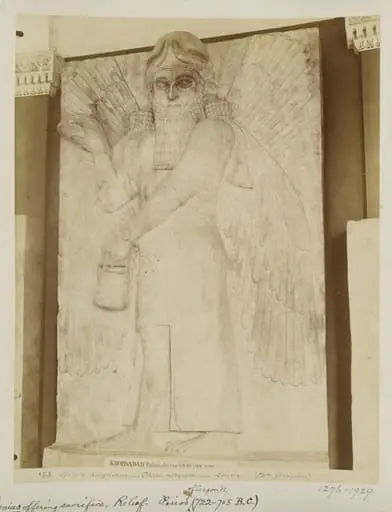 Relief of a genius offering sacrifice, period of Sargon II (722-705 B.C.) from Palace of Khorsabad. Paris: Louvre
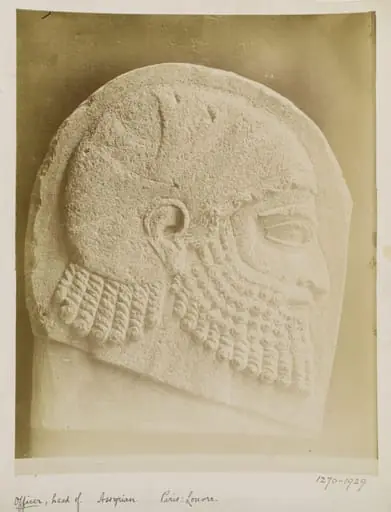 Relief of head of Assyrian officer. Paris: Louvre
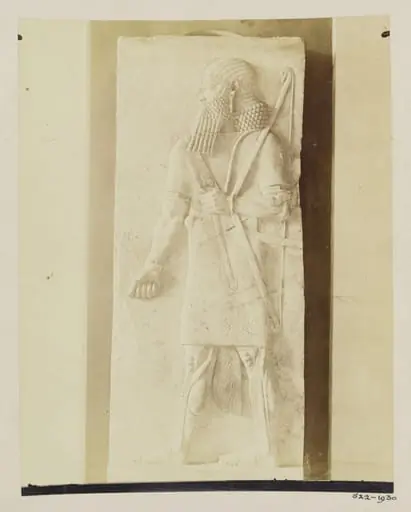 Sculpture of Assyrian archer, 9th century B.C., Louvre, Paris
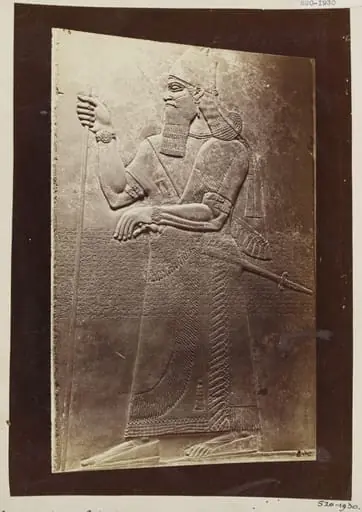 Relief depicting Assyring King Ashur-Nasir-Pal II (885-860 B.C.), Louvre, Paris
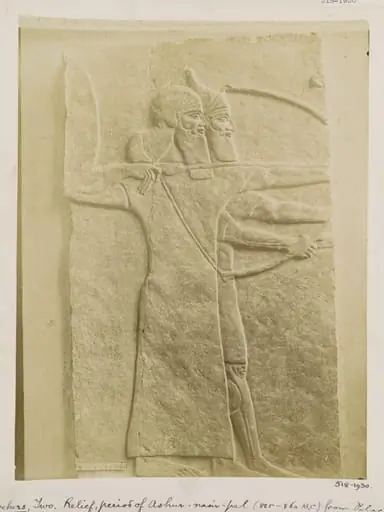 Relief depicting two Assyrian archers from the period of Ashur-Nasir-Pal II (885-860 B.C.) from the Palace of Nimrud. Louvre, Paris
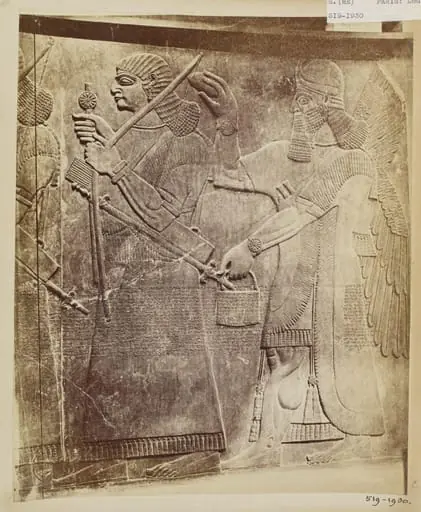 Sculpture depicting a royal Assyrian armsbearer with attendant genius from the period of Ashur-nasir-pal II (885-860 B.C.), Louvre, Paris
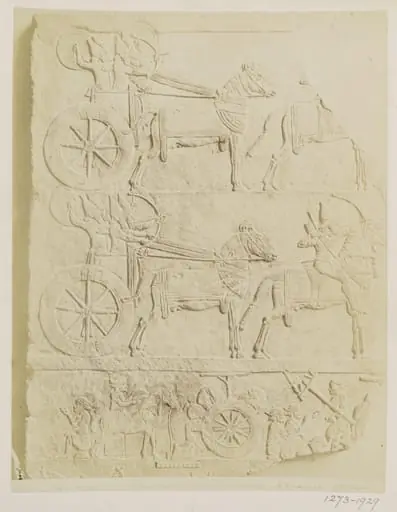 Bas-relief showing chariots, war and mounted warriors and a bivouac from Palace of Kuyunjik, period of Ashua-bari-pal (668-626 B.C.). Paris: Louvre
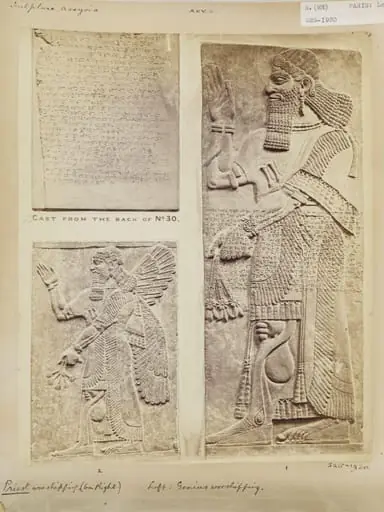 Assyrian sculpture, priest worshipping and genius worshipping, Paris: Louvre
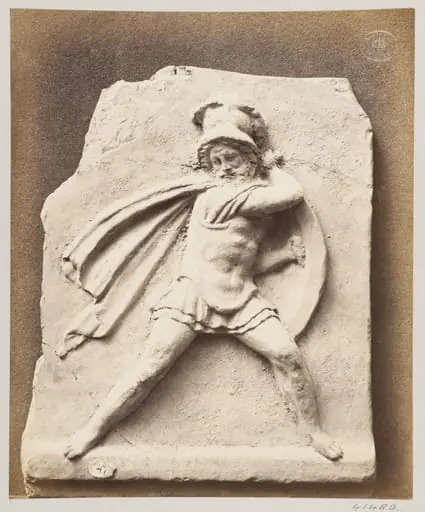 Fighting Warrior, bas-relief in terra cotta
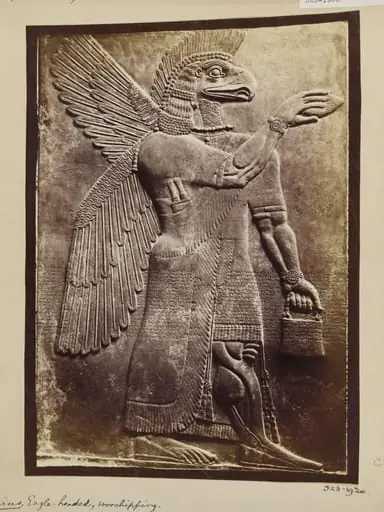 Assyrian sculpture of an eagle-headed genius, worshipping, Paris, Louvre
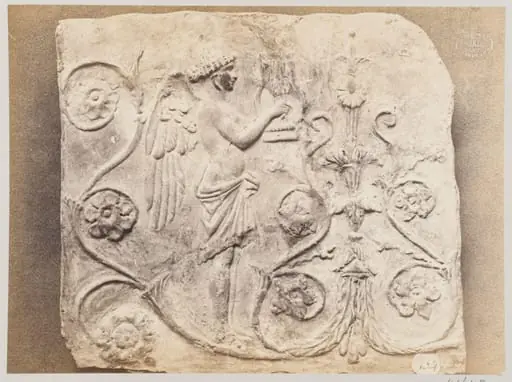 Bas-relief of a geni and a lyre in terra cotta