Artwork
Sculpture depicting a royal Assyrian armsbearer with attendant genius from the period of Ashur-nasir-pal II (885-860 B.C.), Louvre, Paris
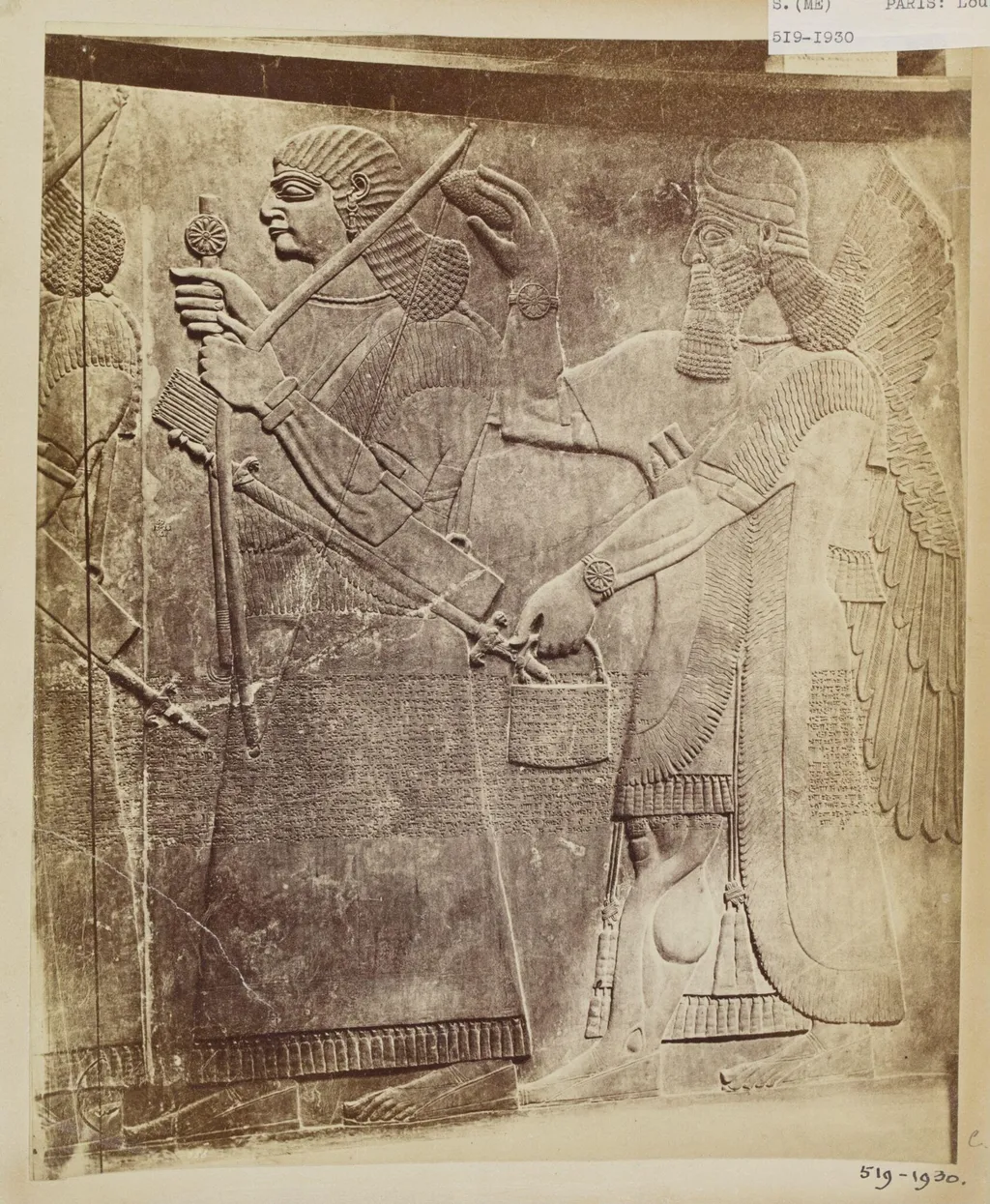
Sculpture depicting a royal Assyrian armsbearer with attendant genius from the period of Ashur-nasir-pal II (885-860 B.C.), Louvre, Paris is a photographic photography by the Impressionist artist Unknown. It dates from 1884 and is held in the collection of the Victoria and Albert Museum. The image presents a relief of an Assyrian royal arms‑bearer accompanied by a attendant figure, identified as a genius.
About this work
Overview
The image presents a relief of an Assyrian royal arms‑bearer accompanied by a attendant figure, identified as a genius. The work dates to the reign of Ashur‑nasir‑pal II, roughly 885–860 B.C., and exemplifies the courtly iconography of early Neo‑Assyrian art.
Subject & Meaning
In Assyrian royal propaganda, the armed attendant signifies the king’s military authority, while the accompanying genius—a winged, often bearded figure—serves as a protective spirit or divine messenger. Together they convey the power and divine sanction of the monarch’s rule.
Technique & Style
Carved from stone, the relief displays the characteristic high relief technique of the period, with sharply defined musculature and stylized drapery. The composition balances rigid, formal posture with intricate detailing of armor and ornamental accessories, typical of Neo‑Assyrian sculptural conventions.
History & Provenance
The photograph is one of 611 images once owned by American painter John Singer Sargent (1856–1925). After his death, his sisters, Emily Sargent and Violet Sargent Ormond, donated the collection to the Victoria and Albert Museum in August 1925, alongside a watercolour and a tapestry‑covered chair.
Context
Sargent’s photographic pursuits reflected his extensive travels and broad artistic interests. The images, largely of architecture, sculpture and decorative arts from Europe, the Near East and beyond, were gathered during trips that also informed his mural work for the Boston Public Library.
Legacy
The V&A regarded the donated photographs as valuable research material for its Library Photograph Collection and Sculpture Department. They were catalogued geographically, providing scholars with visual documentation of ancient artworks that are otherwise difficult to access.
Artist & collection

 Domestic Scene
 Giacomo and Cardinal Marco, investing Andrea, Abbot of San Zeno, with his Benefice
 The Nymph of Fontainebleau
 Portrait of a Woman
 Madonna and Child with Saints in the Enclosed Garden
 Venus and Minerva
 Family Group of Four on Sofa
 Wall painting from Room H of the Villa of P. Fannius Synistor at Boscoreale
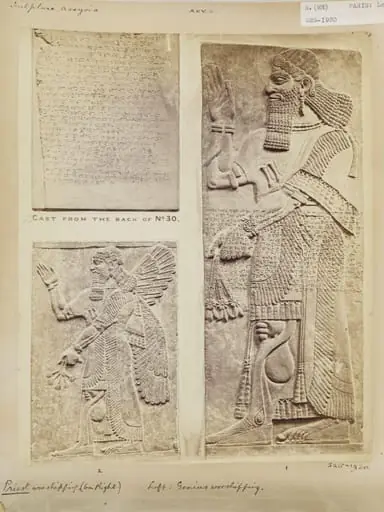 Assyrian sculpture, priest worshipping and genius worshipping, Paris: Louvre
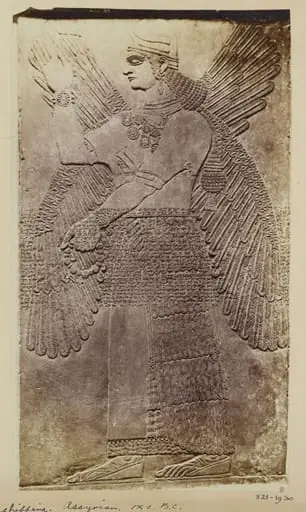 Assyrian sculpture of genius, worshipping, ninth century B.C., Louvre, Paris
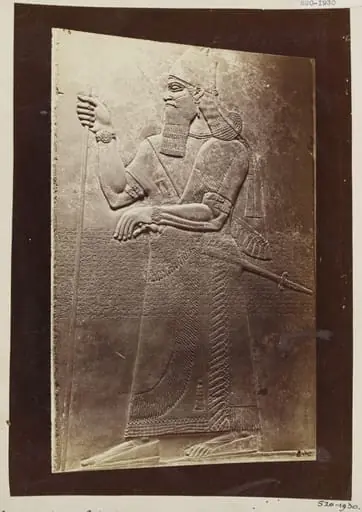 Relief depicting Assyring King Ashur-Nasir-Pal II (885-860 B.C.), Louvre, Paris
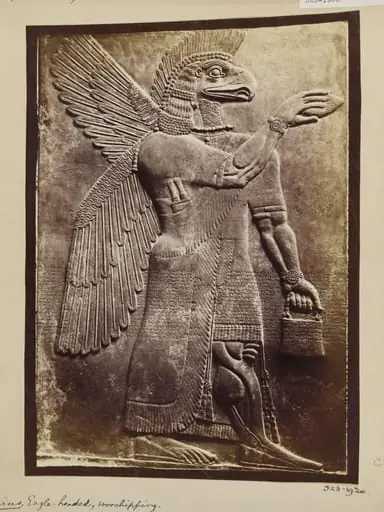 Assyrian sculpture of an eagle-headed genius, worshipping, Paris, Louvre
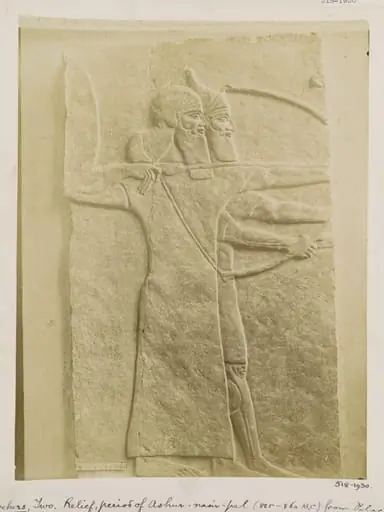 Relief depicting two Assyrian archers from the period of Ashur-Nasir-Pal II (885-860 B.C.) from the Palace of Nimrud. Louvre, Paris
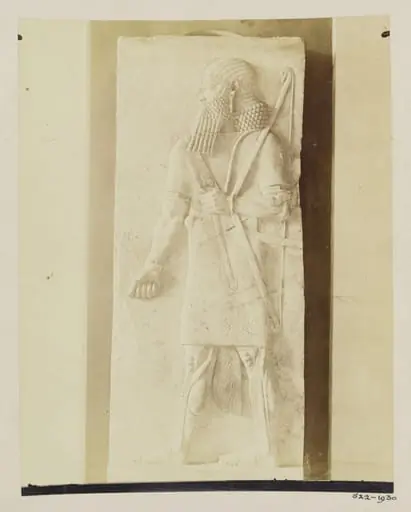 Sculpture of Assyrian archer, 9th century B.C., Louvre, Paris
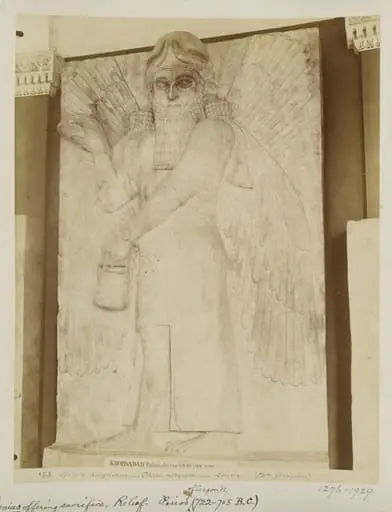 Relief of a genius offering sacrifice, period of Sargon II (722-705 B.C.) from Palace of Khorsabad. Paris: Louvre
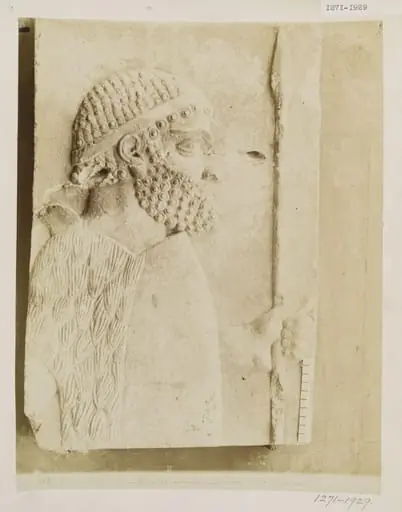 Bas-relief of a warrior, Louvre, Paris
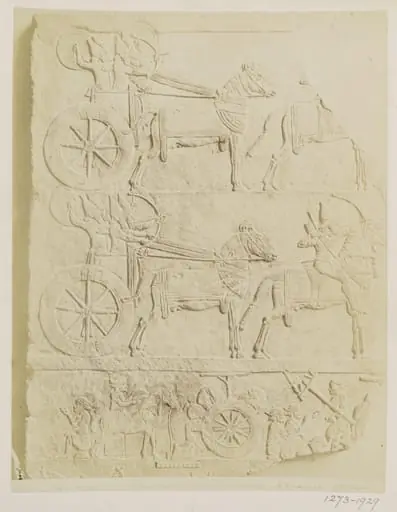 Bas-relief showing chariots, war and mounted warriors and a bivouac from Palace of Kuyunjik, period of Ashua-bari-pal (668-626 B.C.). Paris: Louvre
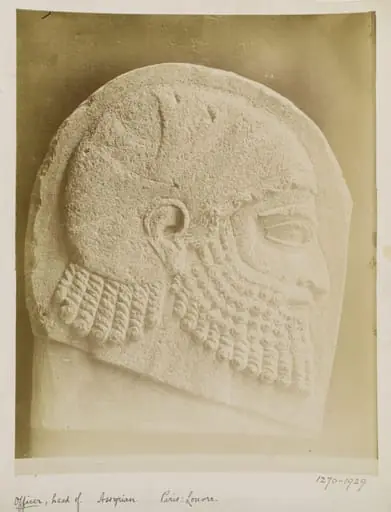 Relief of head of Assyrian officer. Paris: Louvre
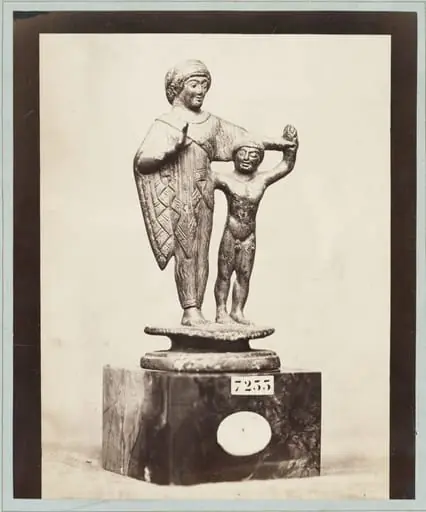 Antique bronze group of two figures