Artwork
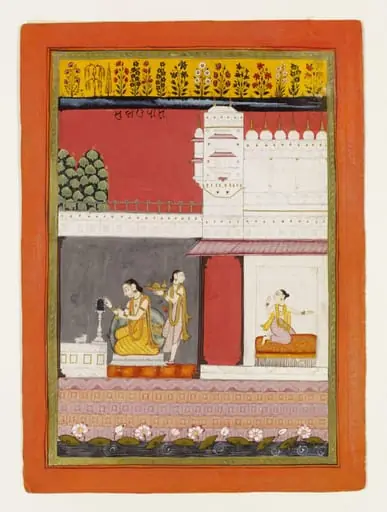
Bhupali Ragini
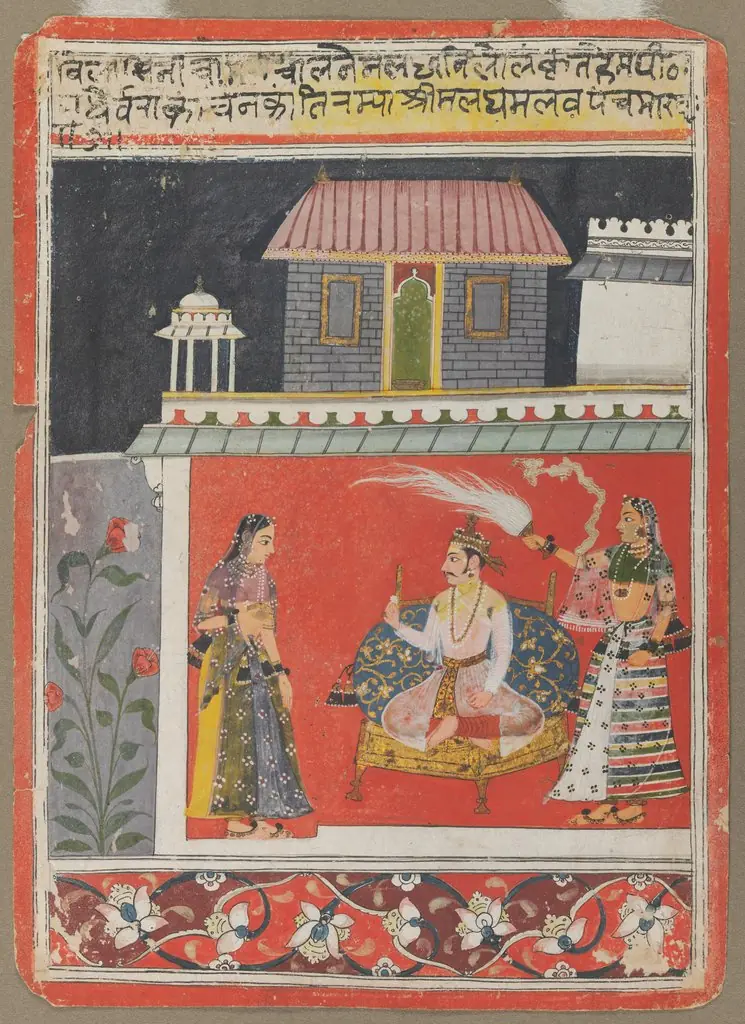
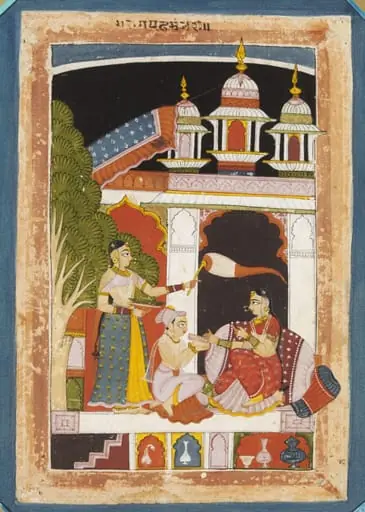
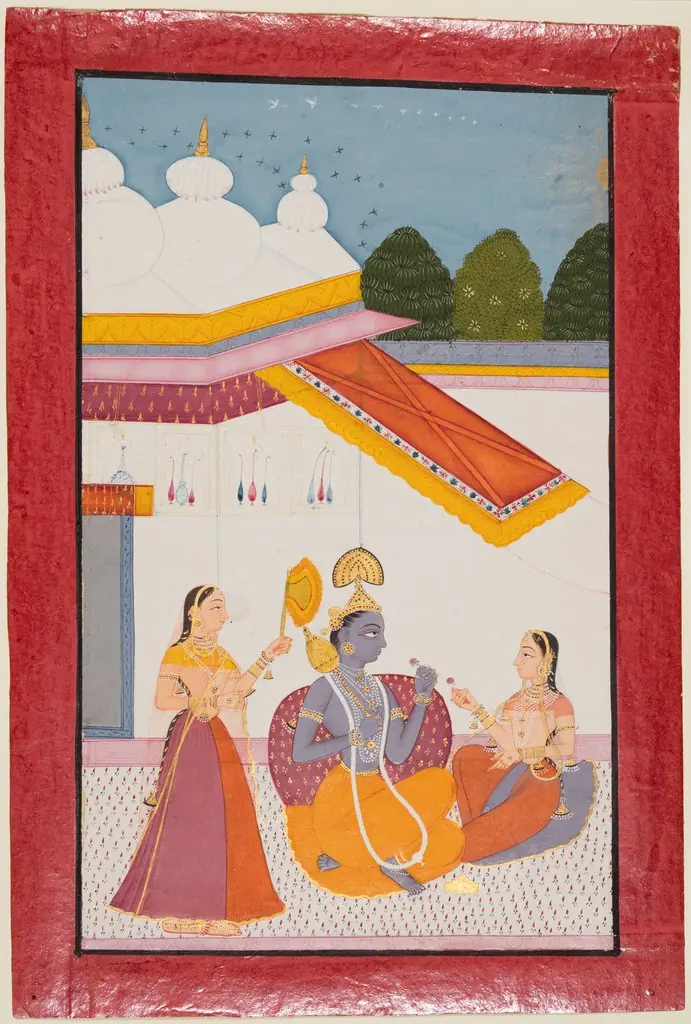
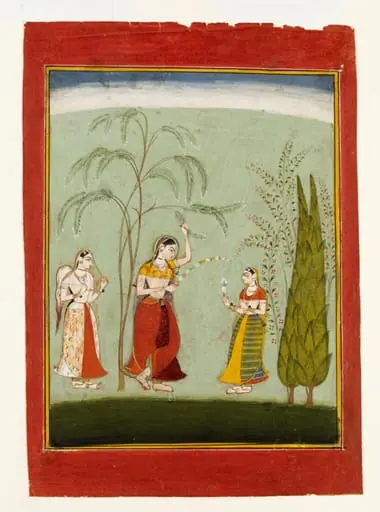
Bhupali Ragini is a paint painting by the Baroque artist Unknown. It dates from 1680 and is held in the collection of the Victoria and Albert Museum.
About this work
Overview
Executed with fine brushwork, it merges Indian miniature traditions with emerging European influences, particularly in the handling of light and texture.
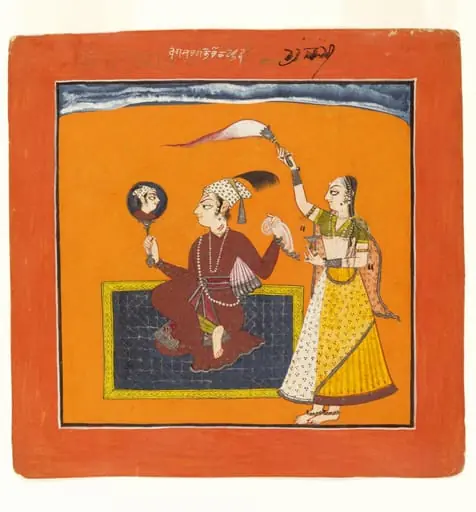
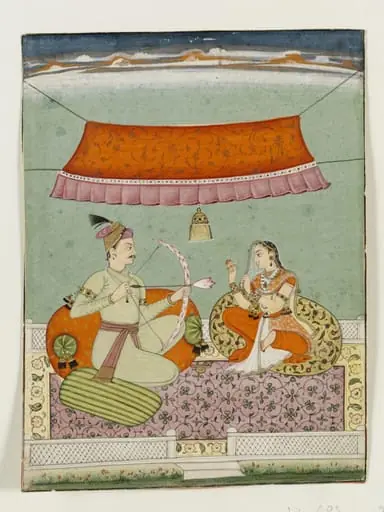
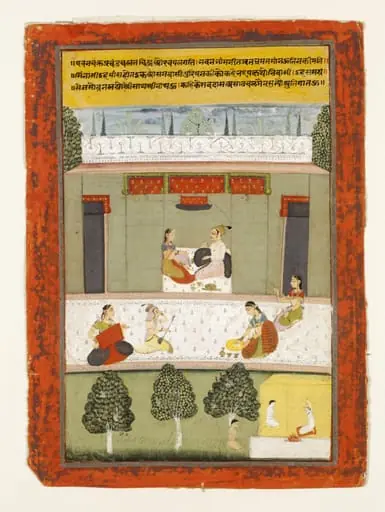
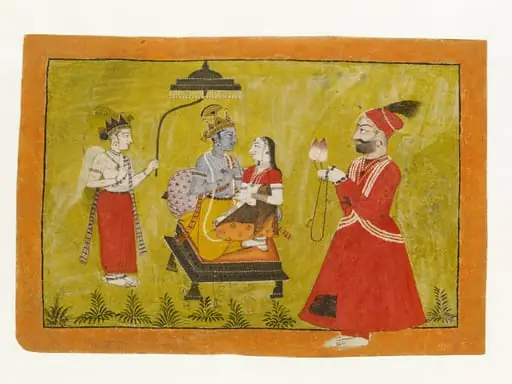
This opaque watercolor on paper originates from an early Pahari Ragamala series, illustrating the musical mode Bhupali Ragini. Executed with fine brushwork, it merges Indian miniature traditions with emerging European influences, particularly in the handling of light and texture. The composition centers on a solitary female figure, framed by muted tones and deliberate shadows, suggesting a contemplative mood aligned with the raga’s character.
Subject & Meaning
The figure, identified as a royal woman, is depicted seated with a veena, an instrument associated with spiritual and melodic expression. Her isolation and focused posture reflect the introspective nature of Bhupali Ragini, a mode traditionally linked to evening devotion. The absence of overt narrative elements emphasizes inner resonance over external drama, aligning the visual with the raga’s emotional essence.
Technique & Style
The painting combines Indian miniature conventions—gold outlining, flat planes of color—with European Baroque-inspired chiaroscuro, evident in the soft modeling of fabric and the directional light casting subtle shadows. The folds of the garment are rendered with naturalistic precision, a departure from earlier stylized forms, while the deep reds and blues ground the scene in a rich, atmospheric palette.
History & Provenance
Created in the late 17th century, likely in a Pahari court workshop, the work belongs to a commissioned set of Ragamala illustrations. Its stylistic hybridity suggests exposure to European prints or artists active in North Indian courts during the Mughal period. The piece remained within regional collections until its modern cataloging in museum archives.
Context
Produced contemporaneously with European Baroque art, the painting reflects cross-cultural artistic exchange in early modern India. While European painters explored dramatic lighting for emotional impact, Pahari artists adapted these techniques to serve Indian musical and poetic ideals. The result is a quiet synthesis: European realism in service of Indian aesthetic philosophy.
Legacy
This painting exemplifies the evolution of Pahari art through selective adoption of foreign techniques without abandoning indigenous symbolism. Its integration of veena imagery and refined chiaroscuro influenced later regional styles, contributing to a broader trend of hybridization in Indian miniature painting that persisted into the 19th century.
Artist & collection

 Domestic Scene
 Giacomo and Cardinal Marco, investing Andrea, Abbot of San Zeno, with his Benefice
 The Nymph of Fontainebleau
 Portrait of a Woman
 Madonna and Child with Saints in the Enclosed Garden
 Venus and Minerva
 Family Group of Four on Sofa
 Wall painting from Room H of the Villa of P. Fannius Synistor at Boscoreale