Artwork
Blazonul funerar a văduvei baronului László Kemény din Mănăstireni, născută baronesa Ágnes Bánffy de Losontz
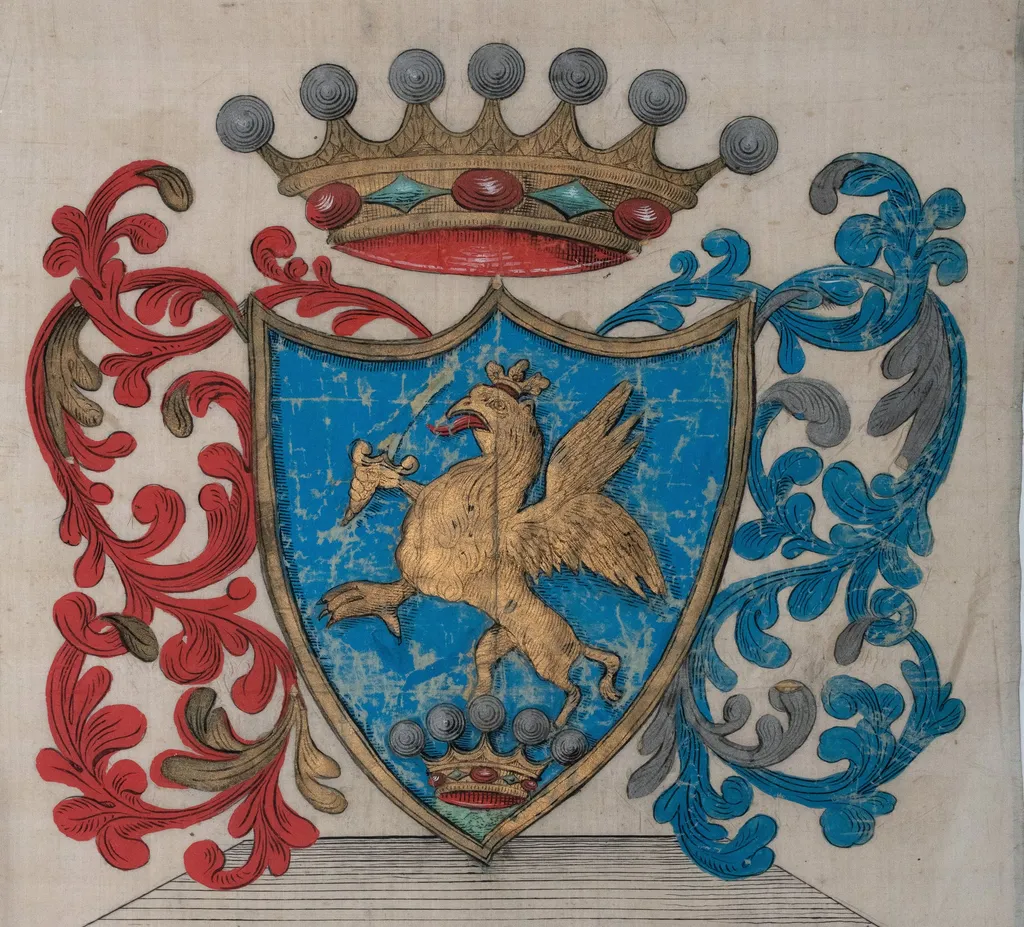
Blazonul funerar a văduvei baronului László Kemény din Mănăstireni, născută baronesa Ágnes Bánffy de Losontz is an unspecified painting by the Romanticist artist Unknown. It dates from 1837 and is held in the collection of the National Museum of Transylvanian History. The work is a painted funeral heraldic shield belonging to Ágnes Bánffy de Losontz, the widowed baroness of László Kemény of Mănăstireni.
About this work
This painting shows a funeral crest of Baroness Ágnes Bánffy de Losontz.
The crest is detailed and colorful, with symbols of her family and title. It's interesting that this painting is from 1837, a time when family crests were important for showing social status.
You can learn more about this type of art by looking into the technique of sfumato.
Overview
The work is a painted funeral heraldic shield belonging to Ágnes Bánffy de Losontz, the widowed baroness of László Kemény of Mănăstireni. Executed in 1837, the piece presents a richly coloured coat of arms that records the lineage and titles of the deceased. As a commemorative object, it was intended to accompany her burial and to affirm the family's noble standing.
Subject & Meaning
The central motif is the baroness’s personal crest, integrating the heraldic symbols of the Bánffy and Kemény families. Each charge—such as lions, fleurs‑de‑lis, or other traditional emblems—signifies specific ancestral claims and alliances. By displaying these elements together, the composition functions both as a memorial and as a visual affirmation of the family’s continuity after her death.
Technique & Style
The shield is rendered with fine brushwork that blends colours in a subtle gradation, a method reminiscent of sfumato that softens edges and creates a luminous depth. The palette combines vivid reds, golds, and blues, while the intricate detailing of the heraldic charges demonstrates a high level of craftsmanship typical of early‑nineteenth‑century Romanian noble commissions.
Context
In the early 1800s, heraldic displays remained a crucial marker of aristocratic identity in Transylvania and the broader Habsburg lands. Funeral crests such as this one were commonly produced to accompany burials, serving both liturgical and genealogical purposes. The 1837 date places the work amid a period of renewed interest in documenting noble lineages through visual means.
History & Provenance
The painting originated from the estate of the Kemény family in Mănăstireni, where it was likely placed in the family chapel or burial site. It has remained associated with the baroness’s descendants, passing through private collections before being recorded in museum inventories as an example of 19th‑century funerary heraldry.
Artist & collection

Museum
National Museum of Transylvanian History
Continue through works from the same source collection.
 Domestic Scene
 Giacomo and Cardinal Marco, investing Andrea, Abbot of San Zeno, with his Benefice
 The Nymph of Fontainebleau
 Portrait of a Woman
 Madonna and Child with Saints in the Enclosed Garden
 Venus and Minerva
 Family Group of Four on Sofa
 Wall painting from Room H of the Villa of P. Fannius Synistor at Boscoreale
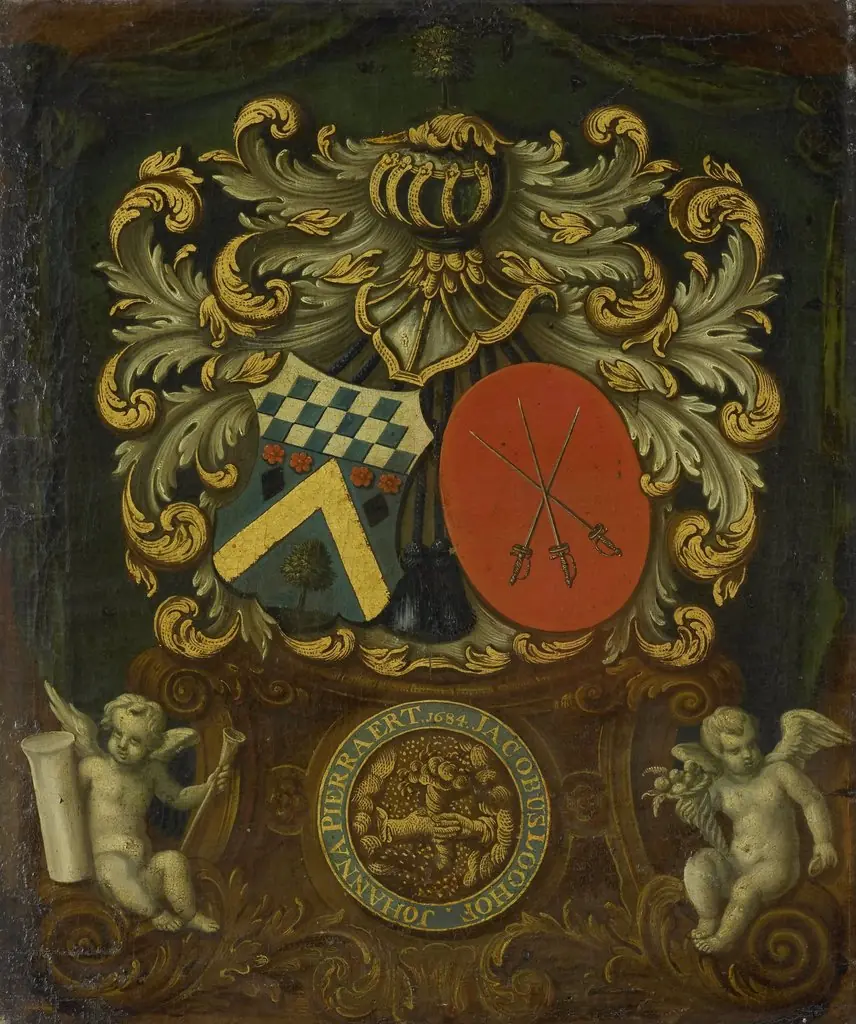 The family shields of Jacobus Loohoff and Johanna Pierraert, 1684
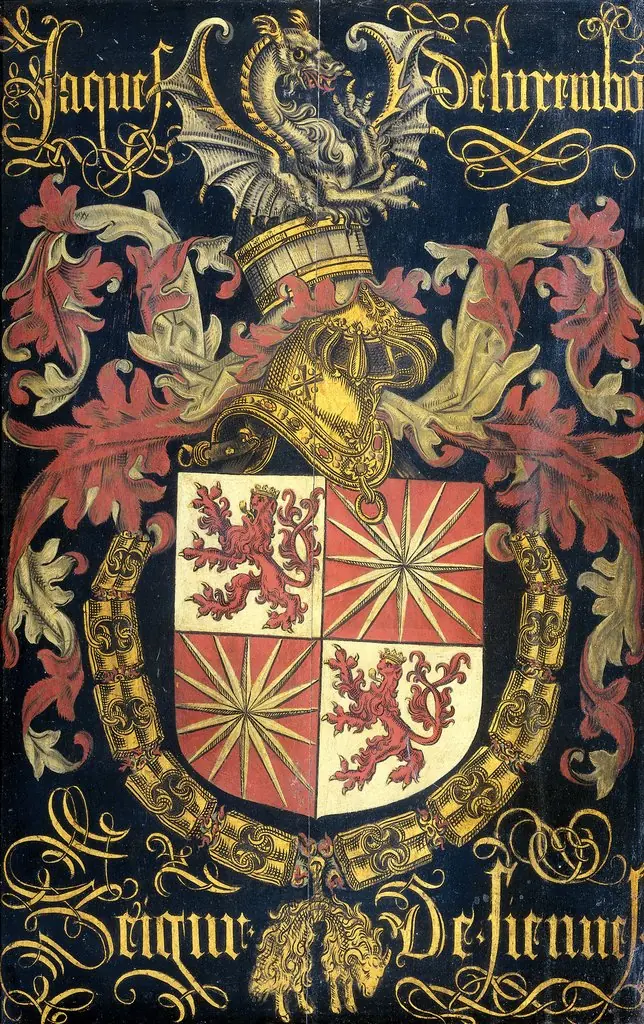 Shield of Jacob of Luxemburg (after 1441-1488), Lord of Fiennes, in his capacity as knight of the Order of the Golden Fleece
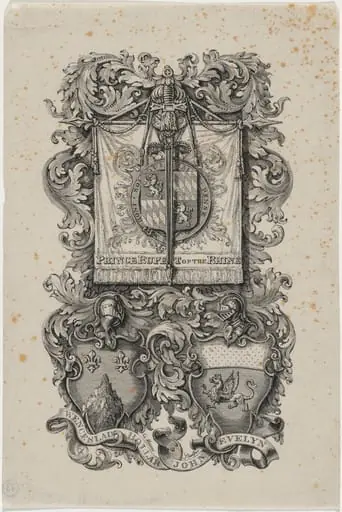 Coat of Arms of Prince Rupert, Hollar and Evelyn
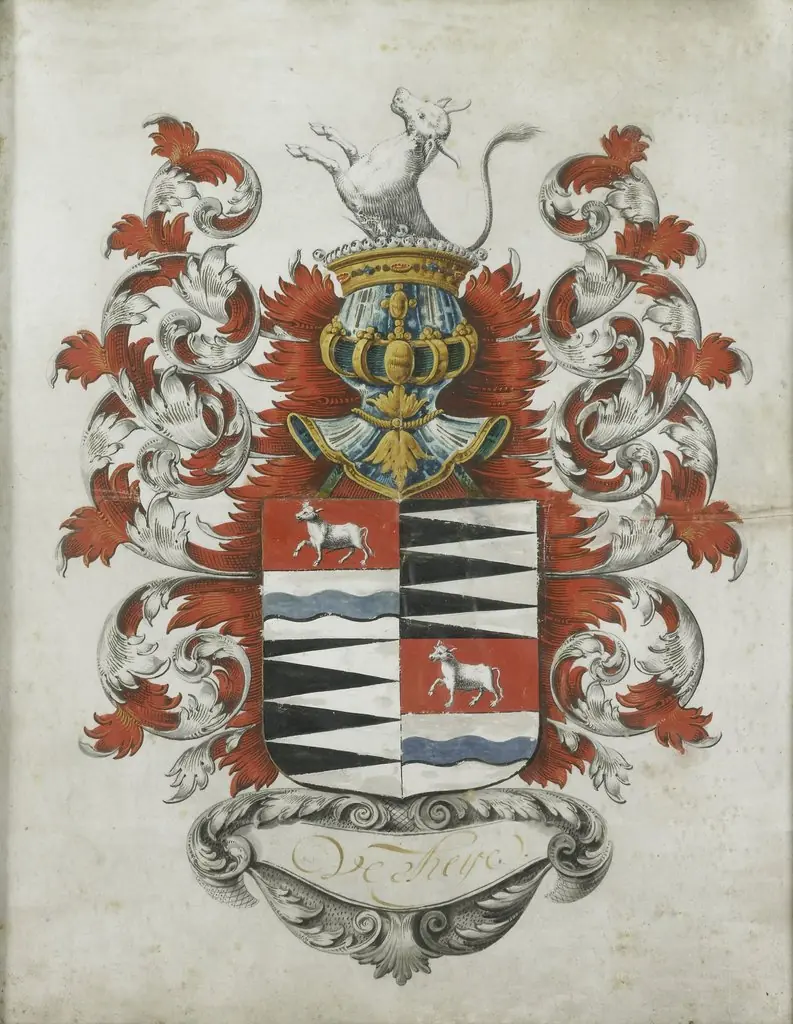 Het wapen Verheye
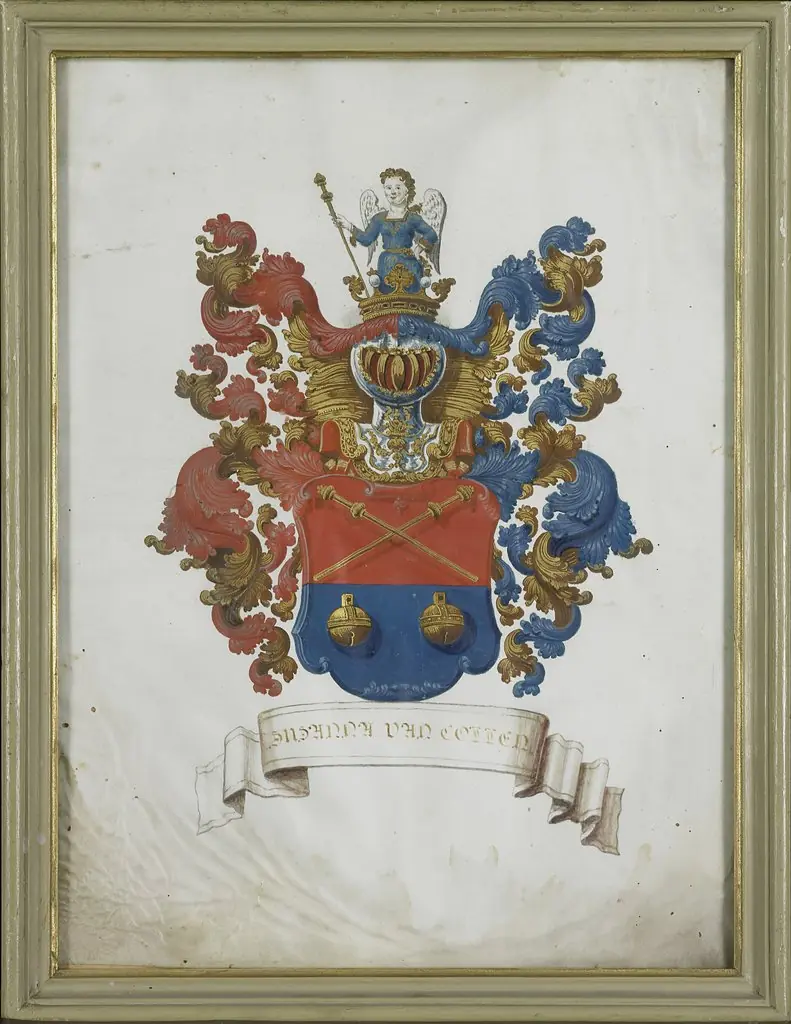 Het wapen van Susanna van Collen (1692-1745), echtgenote van Jacob Feitama
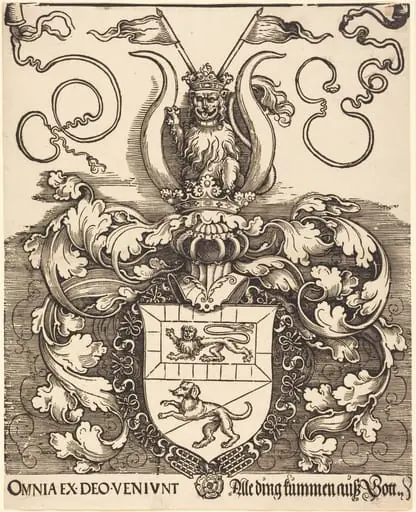 Coat of Arms of Lorenz Staiber
 Ornament Fillet
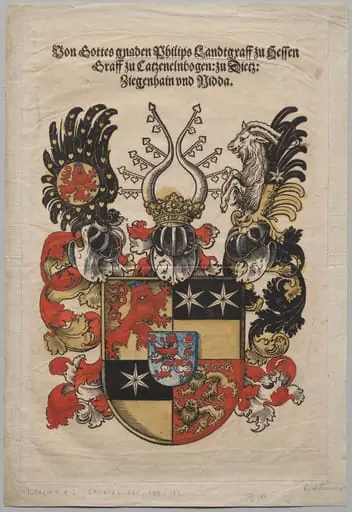 Coat of Arms of Philip, Landgrave of Hesse
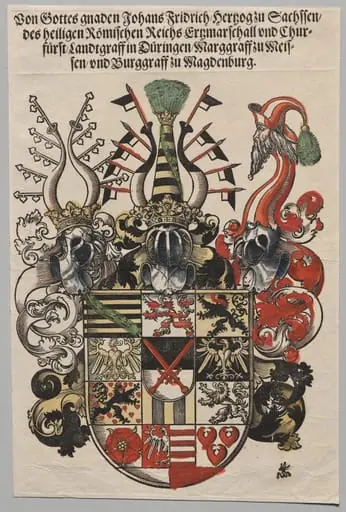 Coat of Arms of John Frederic, Elector of Saxony, called the Magnanimous
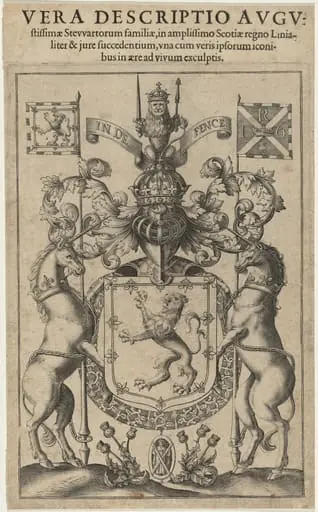 Stuart Coat of Arms from Vera Descriptio by John Jonston