Artwork
Blid mare
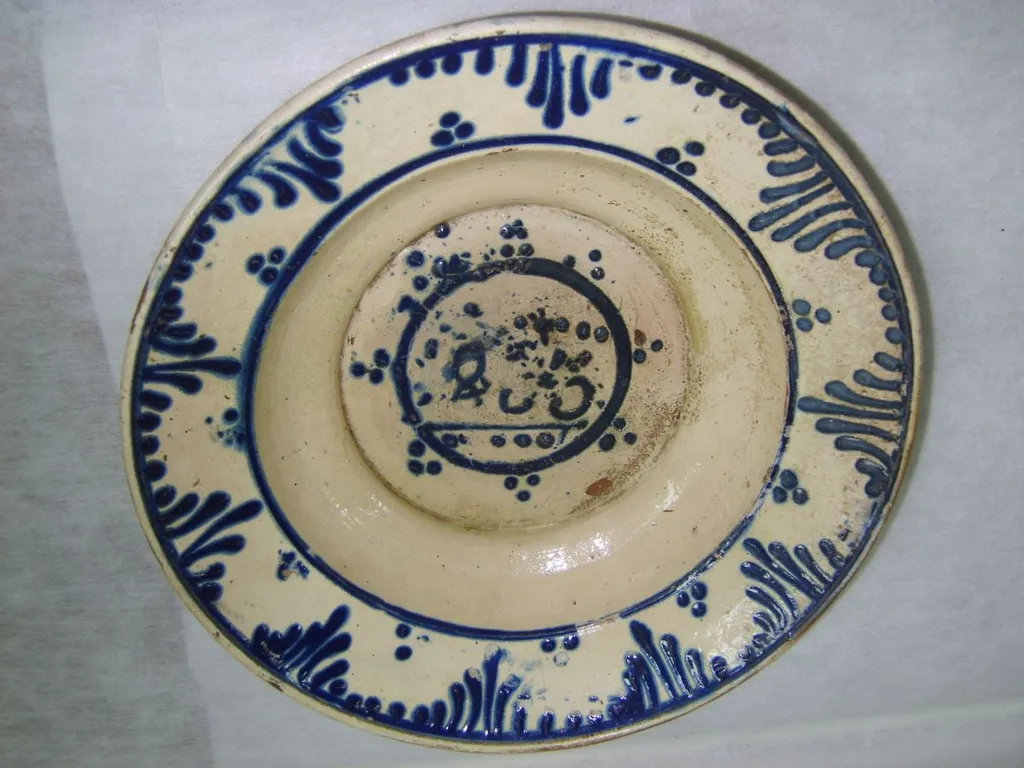
Blid mare is a photography by Unknown. It dates from 1850 and is held in the collection of the "Dimitrie Gusti" National Village Museum. A circular white ceramic plate with a slightly raised rim, this object features a hand-painted blue decorative pattern.
About this work
Overview
Placed against a neutral background, the plate’s form and decoration are presented without distraction, emphasizing its quiet aesthetic.
A circular white ceramic plate with a slightly raised rim, this object features a hand-painted blue decorative pattern. Surface wear, including fine cracks and uneven discoloration, suggests prolonged use and age. The design is restrained, composed of linear elements, dots, and organic curves. Placed against a neutral background, the plate’s form and decoration are presented without distraction, emphasizing its quiet aesthetic.
Subject & Meaning
The pattern lacks figurative elements, suggesting non-representational ornamentation common in utilitarian ceramics. Its repetition and symmetry may reflect regional or workshop traditions rather than symbolic narrative. The absence of overt iconography points to a focus on craftsmanship and daily function, where beauty arose from consistent, skilled execution rather than narrative content.
Technique & Style
The decoration was applied under glaze using a cobalt pigment, a technique common in early ceramic production. The brushwork is deliberate but not overly refined, indicating hand-painted execution rather than stamped or molded repetition. The blue tones vary slightly in intensity, consistent with hand-mixed pigments and uneven firing conditions, reinforcing its artisanal origin.
History & Provenance
The plate’s condition—cracks, surface abrasions, and fading—indicates it was used over time, likely in a domestic or communal setting. No maker’s mark or documented history accompanies the object. Its origins remain unidentified, though its form and decoration align with regional ceramic traditions from the 17th to 19th centuries in parts of Europe or the Near East.
Context
This plate belongs to a broader category of everyday ceramics produced in workshops that prioritized durability and affordability. Such objects were often made in series, with slight variations in decoration due to individual artisans’ hands. Their survival in modest condition reflects their function as working items, not ceremonial or elite objects.
Legacy
Though unsigned and unattributed, the plate exemplifies the quiet persistence of vernacular ceramic traditions. Its survival offers insight into pre-industrial craftsmanship, where aesthetic values were embedded in routine production. Today, such objects are valued not for authorship but for their testimony to daily life and material culture across centuries.
Artist & collection
Museum
"Dimitrie Gusti" National Village Museum
Continue through works from the same source collection.
 Domestic Scene
 Giacomo and Cardinal Marco, investing Andrea, Abbot of San Zeno, with his Benefice
 The Nymph of Fontainebleau
 Portrait of a Woman
 Madonna and Child with Saints in the Enclosed Garden
 Venus and Minerva
 Family Group of Four on Sofa
 Wall painting from Room H of the Villa of P. Fannius Synistor at Boscoreale
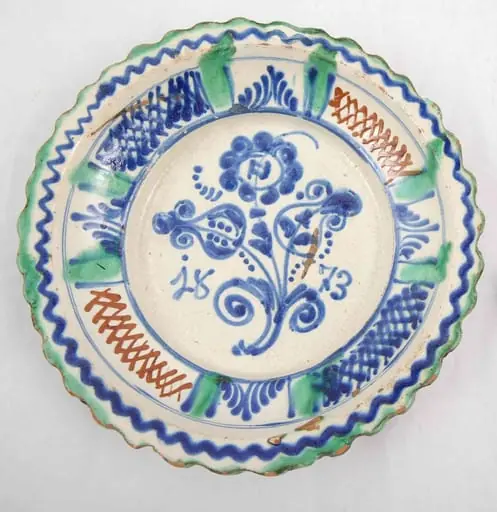 farfurie
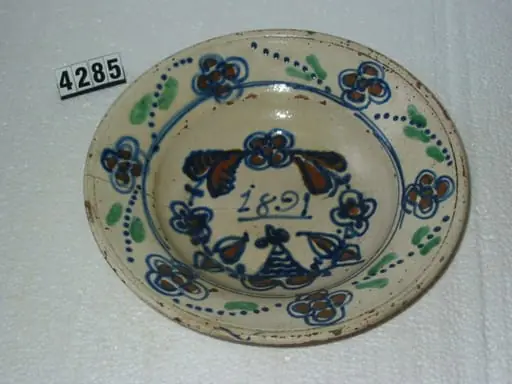 blid
blid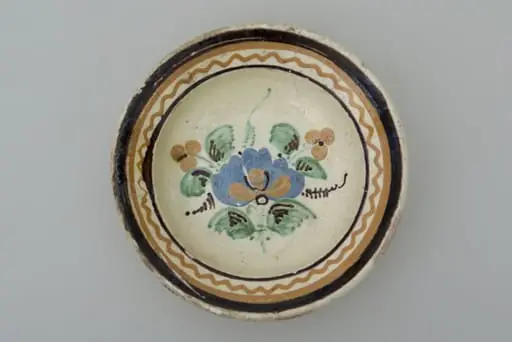 Blid de formă tronconică cu buza evazată. Smălțuit. Decorat cu motive florale: buchet, plasat pe fundul vasului și motive geoemtrice plasate pe gură: alternantă de cercuri și spirale ce se închid îm cerc. Cromatică: fond: alb; motive: maro; crem; verde; albastru.
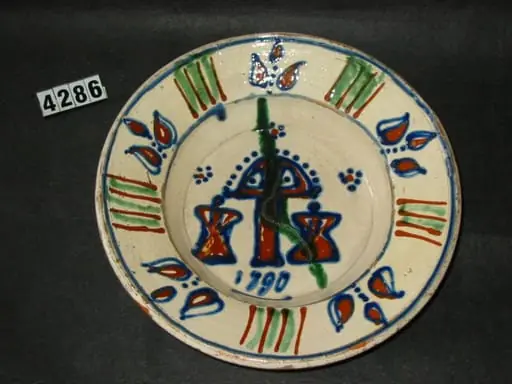 blid
blid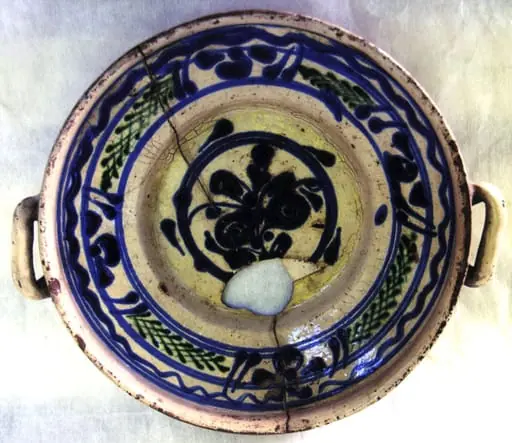 Blid cu toarte
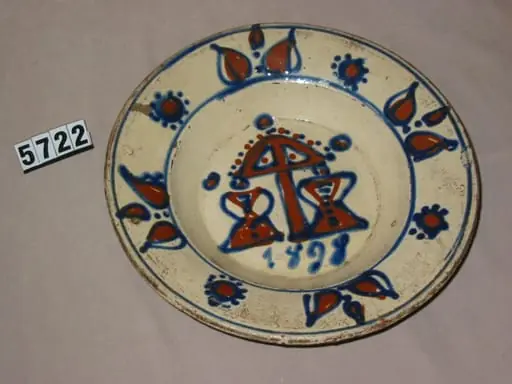 blid cu toarte
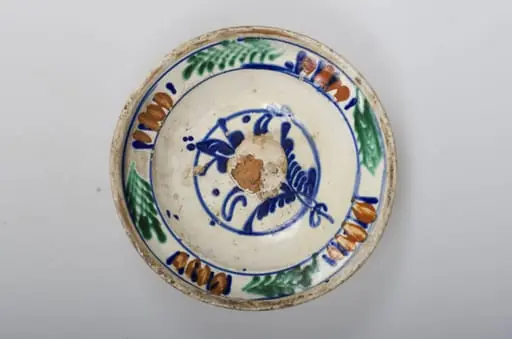 Vas de formă tronconică adâncit, smălțuit în interior cu buză profilată spre exterior. Este decorat în interior cu motive vegetale și florale (motivul brăduțului) dispuse într-un registru circular pictat pe în zona diametrului maxim al vasului. Cromatică: fond cărămiziu (exterior) cu scurgeri de smalț alb spre baza vasului; fond crem (interior); albastru; maro; verde; galben.