Artwork
Blidul de formă tronconică este adânc, smălțuit pe interior. Acesta este ornamentat cu motive florale și curbilinii, având buza înaltă, neornamentată. Obiectul este smălțuit la exterior doar pe buză. Pe exteriorul buzei sunt incizate două linii. Fundul vasului este circular, fiind prevăzut cu două orificii pentru prindere. Cromatică: fond: cărămiziu; decor: alb; verde; negru.
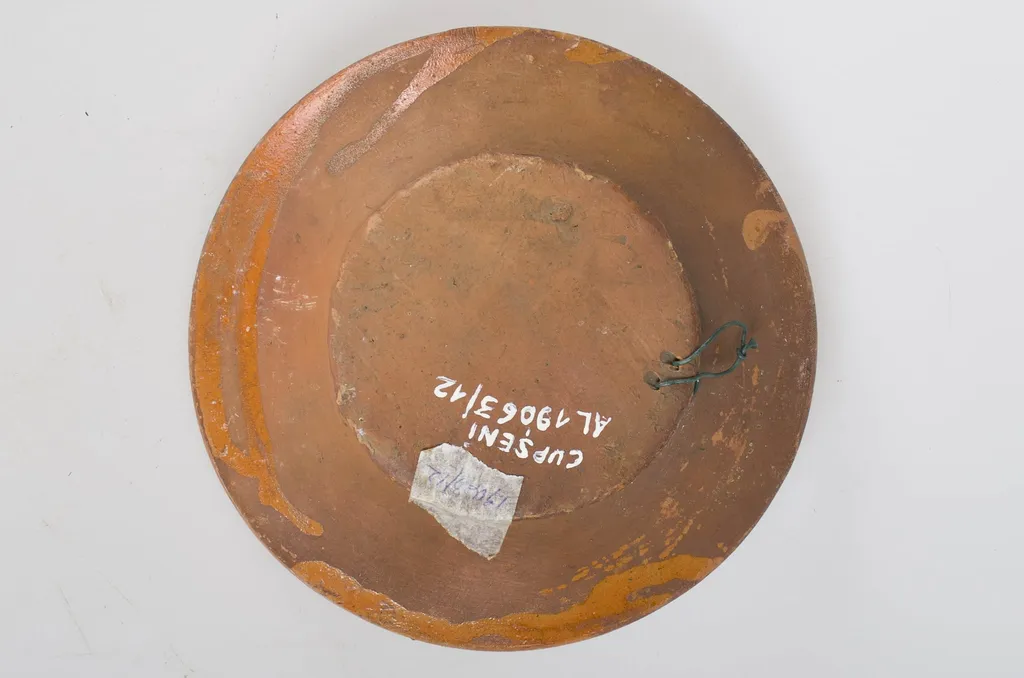
Blidul de formă tronconică este adânc, smălțuit pe interior. Acesta este ornamentat cu motive florale și curbilinii, având buza înaltă, neornamentată. Obiectul este smălțuit la exterior doar pe buză. Pe exteriorul buzei sunt incizate două linii. Fundul vasului este circular, fiind prevăzut cu două orificii pentru prindere. Cromatică: fond: cărămiziu; decor: alb; verde; negru. is a photography by Unknown. It dates from 1850 and is held in the collection of the ASTRA National Museum Complex.
About this work
Overview
A conical-shaped ceramic vessel with a deep interior, this object features a glazed inner surface adorned with faint floral and curvilinear motifs.
A conical-shaped ceramic vessel with a deep interior, this object features a glazed inner surface adorned with faint floral and curvilinear motifs. The exterior is minimally treated, with glaze applied only along the upper rim. Two incised lines encircle the lip, while two small perforations near the edge suggest a method of suspension or securing. The surface bears signs of age, with uneven texture and faded pigments indicating prolonged use.
Subject & Meaning
The interior decoration, though worn, implies botanical or organic patterns, possibly reflecting naturalistic symbolism common in utilitarian pottery. The absence of ornamentation on the exterior contrasts with the detailed interior, suggesting the vessel’s visual function was intended for internal use—perhaps during rituals, storage, or display. The holes may have allowed for hanging or lashing, indicating mobility or ceremonial handling.
Technique & Style
The vessel was formed from coarse clay and fired to a reddish-brown hue, with selective glazing confined to the inner surface and rim. Pigments in white, green, and black were applied to create the decorative motifs, now partially faded. The rim’s two incised lines and the punched holes were made post-firing, demonstrating deliberate, hand-executed finishing. The uneven surface and worn glaze point to handmade production and extended use.
History & Provenance
The object shows clear signs of wear, including faded pigments, scratched markings on the rim, and a paper tag affixed inside, likely from a past collection or cataloging effort. Its construction and decoration align with regional ceramic traditions from the late 19th to early 20th century, possibly from Eastern Europe. The presence of a tied string and inscribed text suggests it was preserved or documented in a museum or ethnographic context.
Context
This vessel belongs to a category of utilitarian ceramics that combined practicality with subtle decorative elements. Similar forms appear in rural households and ritual contexts across Southeastern Europe, where internal decoration was often reserved for vessels used in domestic or ceremonial settings. The minimal exterior treatment reflects a focus on function over display, consistent with non-elite material culture of the period.
Legacy
As a preserved example of vernacular pottery, it contributes to understanding everyday material life in pre-industrial communities. Its survival, with original markings and attachments, offers insight into how such objects were handled, stored, and documented. Institutions like the Museum of Ethnography hold comparable pieces, helping to contextualize its place within broader regional craft traditions.
Artist & collection

 Domestic Scene
 Giacomo and Cardinal Marco, investing Andrea, Abbot of San Zeno, with his Benefice
 The Nymph of Fontainebleau
 Portrait of a Woman
 Madonna and Child with Saints in the Enclosed Garden
 Venus and Minerva
 Family Group of Four on Sofa
 Wall painting from Room H of the Villa of P. Fannius Synistor at Boscoreale
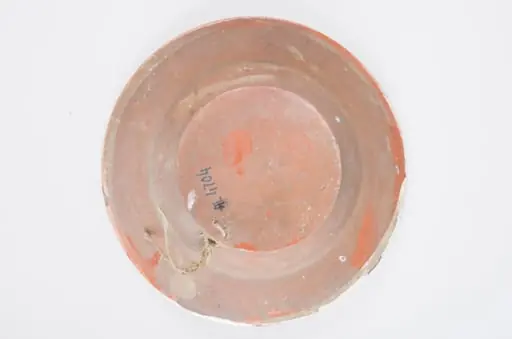 Farfurie cu fundul adâncit și buza evazată. Smălțuită numai în interior și cu scurgeri de smalț sub buză. Prezintă găuri pentru prinderea aței în vederea agățării. Decorată cu motive florale și geometrice: central un buchet de trei flori; pe margine trei linii frânte concentrice. Cromatică: fond: alb; motive: maro; portocaliu; verde; albastru.
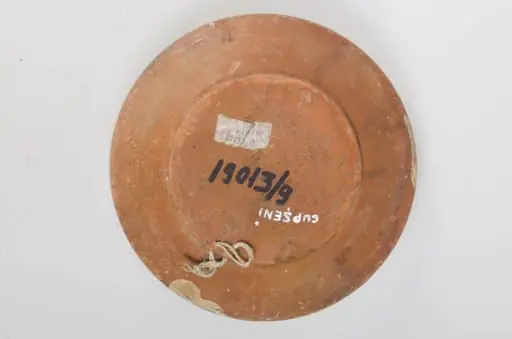 Blid de formă tronconică cu buza îngroșată și ușor răsfrântă, smălțuit (pe interior). Pe zona mediană a vasului, imediat sub buză se identifică un registru continuu format din motive floral-vegetale. De asemenea, pe fundul vasului se identifică un motiv floral-vegetal. Pereții vasului sunt înalți și prezintă un brâu exterior. Se identifică scurgeri de smalț pe exteriorul buzei și degradări ale smalțului în zona buzei. Obiectul este prevăzut cu două orificii pe fundul vasului, pentru agățare. Cromatică: fond: cărămiziu (exterior); alb (interior); motive: alb; verde; maro închis; albastru.
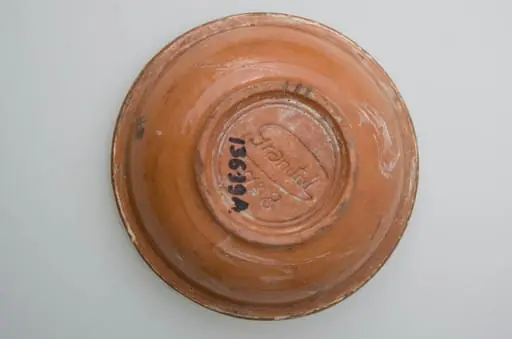 Vas ceramic smălțuit, de formă circulară cu profil tronconic, având pereții ușor evazați, baza plată și buza circulară. Decorat cu motive vegetal-florale și cordiforme pe fundul vasului (două rânduri de frunze, o lalea și o inimă), pictate cu pensula. Fundul vasului este delimitat de pereți printr-o linie subțire, circulară. Gura este pictată în alb și la exterior.Pe fundul vasului găsim marca Granitul No 8 și două cercuri concentrice, incizate. Cromatică: fond alb interior, cărămiziu și alb exterior; motive: albastru, cărămiziu, verde, maro.
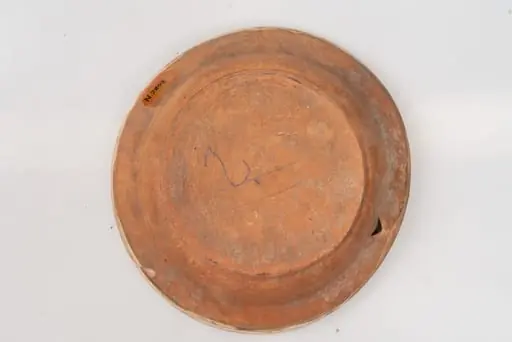 Farfurie adâncă de tip castron, acoperită pe suprafața interioară cu un strat de angobă albă, peste care este pictat cu pensula și cu cornul decorul format din motive avimorfe, vegetale și florale dispuse astfel: pe fundul vasului este pictată o pasăre albastră cu contur albastru, așezată pe o ramură cu frunze și flori, realizată în culorile albastru, verde, maro și roșu, iar peretele farfuriei este decorat cu două tipuri de motive vegetale și florale (dispuse diametral opus), în aceleași culori ca elementele vegetale de pe centrul farfuriei. Suprafața ornamentată a farfuriei este acoperită cu un strat de smalț transparent. Buza farfuriei este decorată cu linii circulare subțiri, de culoare albastră. Cromatica: alb, verde, albastru, maro, roșu.
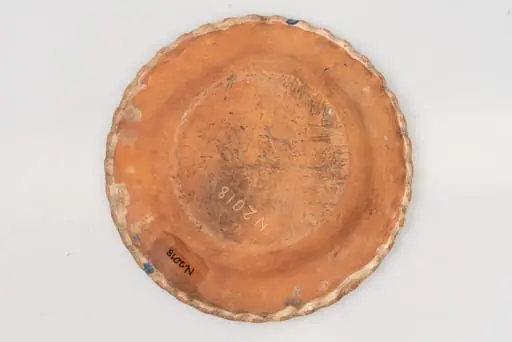 Farfurie de formă aplatizată, cu muchia buzei ușor ondulată. Este acoperită pe suprafața interioară cu un strat de angobă albă peste care este pictat cu pensula monocromatic format din motive geometrice și florale stilizate: registrul central de pe fundul farfuriei conține o tulpină cu trei flori de crin stilizate și două frunze la bază. Registrul decorativ marginal de pe buza farfuriei, înscris între două linii circulare albastre, conține un șir continuu de frunze duble între care se găsesc motive punctate (linii). Suprafața ornamentată a farfuriei este acoperită cu un strat de smalț transparent. Cromatica: alb, albastru.
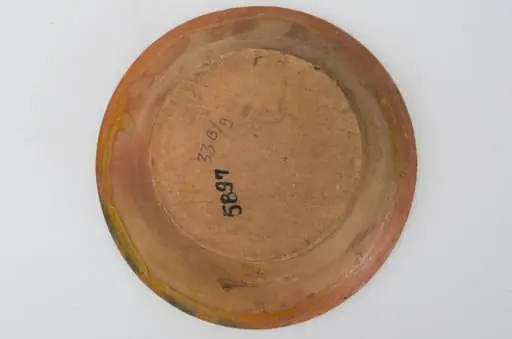 Formă tronconică, adâncită, cu buza evazată; este smălțuit în interior și exterior (buza); este decorat pe margine cu motive geometrice dispuse în 4 registre a câte 3 linii albe; cromatică: cărămiziu, verzui, alb.
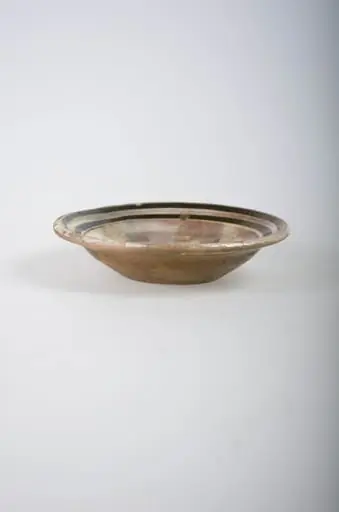 Blid de formă tronconică, smălțuit cu decor amplasat pe toată suprafața. Decor cu motive geometrice, circulare, în zona buzei și motive florale, plasate pe fundul vasului. Cromatică: fond: crem; decor: maro; verde; albastru.
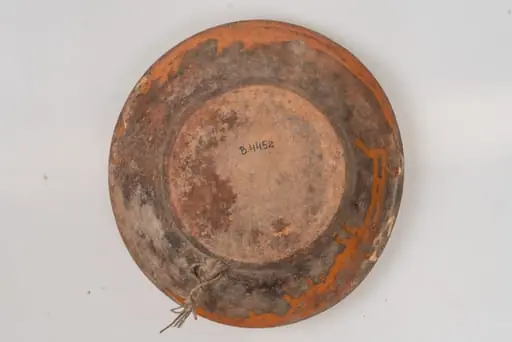 Farfurie adâncă de tip castron, cu corp tronconic și buza dreaptă, verticală. Piesa este acoperită pe suprafața interioară și pe exteriorul buzei cu un strat de angobă albă, peste care este pictat cu cornul decorul format din motive vegetale foarte stilizate: decorul de pe fundul farfuriei este păstrat doar parțial (urme de culoare maro), peretele farfuriei fiind decorat cu patru flori de culoare albastru-deschis, intercalate cu patru motive formate din linii hașurate intersectat de culoare verde, sugerând niște frunze. Două linii circulare de culoare maro, neglijent realizate, încadrează acest decor. Suprafața ornamentată a farfuriei este acoperită cu un strat de smalț transparent. Cromatica: alb, verde, maro, albastru-deschis.
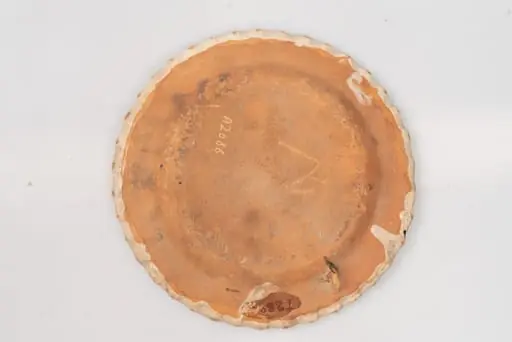 Farfurie de formă aplatizată, cu muchia buzei ușor ondulată; este angobată pe suprafața interioară cu un strat de humă albă peste care este pictat cu cornul și cu pensula decorul monocromatic format din motive florale stilizate și geometrice: pe fundul farfuriei este pictată o tulpină cu frunze și trei flori de crin, ce au centrul format din linii hașurate intersectat. Buza farfuriei este decorată cu un șir continuu de frunze duble. Bordura interioară a farfuriei este marcată cu o linie circulară ușor ondulată iar muchia buzei cu o dungă albastră. Suprafața ornamentată a farfuriei este acoperită cu un strat de smalț transparent. Cromatica: alb, albastru.