Artwork
Farfurie cu fundul adâncit și buza evazată. Smălțuită numai în interior și cu scurgeri de smalț sub buză. Prezintă găuri pentru prinderea aței în vederea agățării. Decorată cu motive florale și geometrice: central un buchet de trei flori; pe margine trei linii frânte concentrice. Cromatică: fond: alb; motive: maro; portocaliu; verde; albastru.
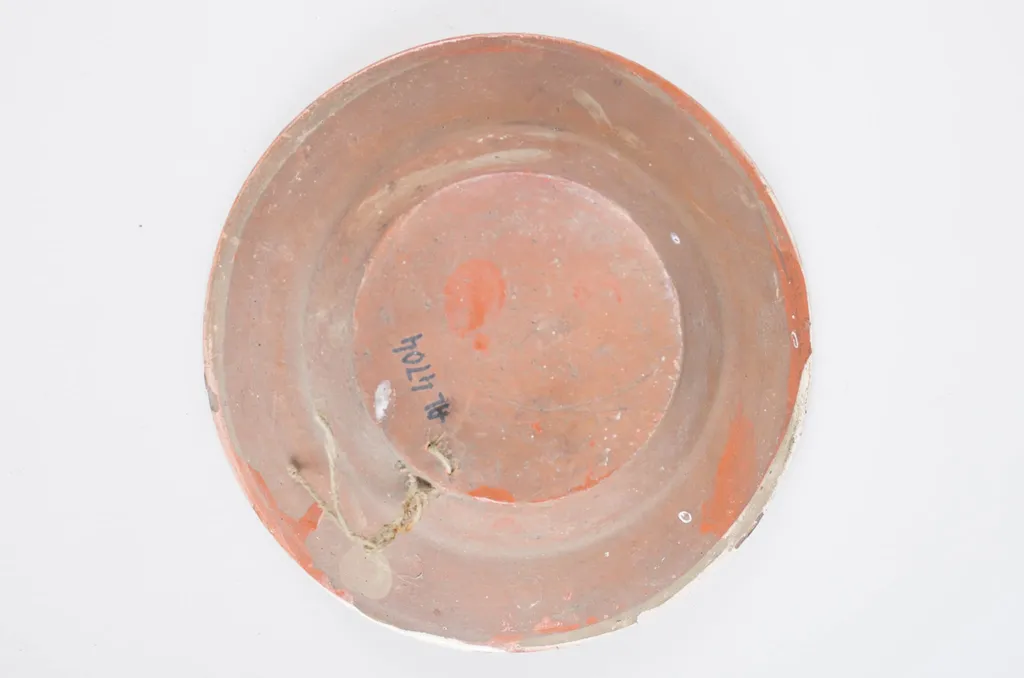
Farfurie cu fundul adâncit și buza evazată. Smălțuită numai în interior și cu scurgeri de smalț sub buză. Prezintă găuri pentru prinderea aței în vederea agățării. Decorată cu motive florale și geometrice: central un buchet de trei flori; pe margine trei linii frânte concentrice. Cromatică: fond: alb; motive: maro; portocaliu; verde; albastru. is a photography by Unknown. It dates from 1850 and is held in the collection of the ASTRA National Museum Complex. This ceramic bowl features a wide, flaring rim and a deeply indented interior, designed for functional use with possible suspension.
About this work
Overview
This ceramic bowl features a wide, flaring rim and a deeply indented interior, designed for functional use with possible suspension.
This ceramic bowl features a wide, flaring rim and a deeply indented interior, designed for functional use with possible suspension. The exterior remains unglazed and rough, while the interior bears traces of slip decoration. Two small perforations near the rim suggest it was intended to be hung, likely for storage or display. Its modest form and partial glazing reflect practical craftsmanship rather than ceremonial use.
Subject & Meaning
The central motif consists of three stylized flowers, arranged symmetrically, surrounded by three concentric broken lines. These floral and geometric patterns are typical of folk ceramic traditions, where repetition and symmetry may have carried symbolic or decorative intent. The absence of figural or narrative elements suggests a focus on ornamentation rooted in local aesthetic norms rather than religious or mythological reference.
Technique & Style
The vessel was formed from coarse clay and fired without external glaze, preserving its natural texture. Interior decoration was applied in mineral-based pigments—brown, orange, green, and blue—painted over a white slip. The paint has faded significantly, with visible drips along the rim indicating uneven application. The brushwork is loose and rhythmic, characteristic of hand-painted, non-industrial production methods.
History & Provenance
The bowl’s form and decoration align with regional pottery traditions from the Balkans or Eastern Europe, likely dating to the late 19th or early 20th century. Its wear and partial pigment loss suggest prolonged domestic use. The presence of suspension holes implies it was not merely utilitarian but possibly displayed or carried in ritual contexts. No documented provenance exists, but similar pieces are found in rural household collections.
Context
This object belongs to a broader category of everyday ceramics produced in small workshops or homes across rural communities. Such vessels were often made for storage or serving, with decoration serving both aesthetic and cultural identity purposes. The use of limited color palettes and repetitive motifs reflects material constraints and inherited design patterns passed through generations of potters.
Legacy
Though unmarked and anonymous, the bowl exemplifies the quiet persistence of vernacular ceramic traditions. Its survival, despite fragility and wear, speaks to the endurance of handmade objects in domestic life. Contemporary collectors and scholars value such pieces not for rarity, but for their testimony to local craftsmanship and the subtle artistry embedded in utilitarian forms.
Artist & collection

 Domestic Scene
 Giacomo and Cardinal Marco, investing Andrea, Abbot of San Zeno, with his Benefice
 The Nymph of Fontainebleau
 Portrait of a Woman
 Madonna and Child with Saints in the Enclosed Garden
 Venus and Minerva
 Family Group of Four on Sofa
 Wall painting from Room H of the Villa of P. Fannius Synistor at Boscoreale
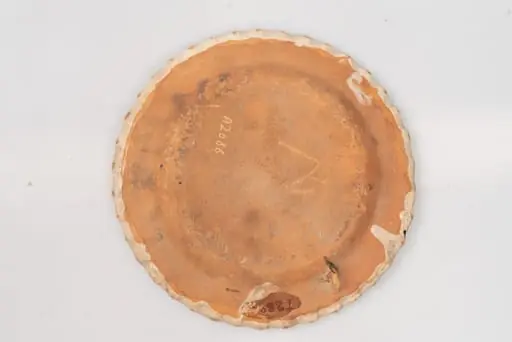 Farfurie de formă aplatizată, cu muchia buzei ușor ondulată; este angobată pe suprafața interioară cu un strat de humă albă peste care este pictat cu cornul și cu pensula decorul monocromatic format din motive florale stilizate și geometrice: pe fundul farfuriei este pictată o tulpină cu frunze și trei flori de crin, ce au centrul format din linii hașurate intersectat. Buza farfuriei este decorată cu un șir continuu de frunze duble. Bordura interioară a farfuriei este marcată cu o linie circulară ușor ondulată iar muchia buzei cu o dungă albastră. Suprafața ornamentată a farfuriei este acoperită cu un strat de smalț transparent. Cromatica: alb, albastru.
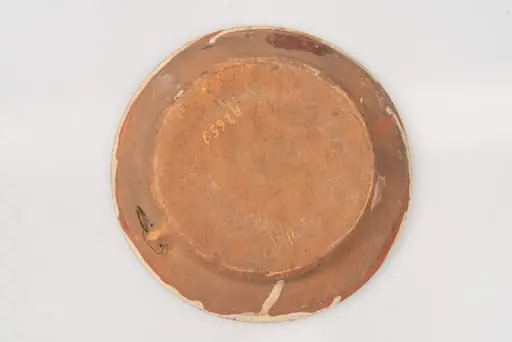 Farfurie de formă aplatizată, angobată cu humă albă pe suprafața interioară și decorată prin pictare cu cornul, cu motive geometrice și vegetale geometrizate, ce acoperă întreaga suprafață a piesei: registrul central de pe fundul farfuriei este decorat cu motivul brăduțului, flori de crin geometrizate și elemente vegetale (vrejuri), iar buza farfuriei cu două linii circulare în formă de zig-zag, intersectate, completate cu puncte albastre mari. Bordura interioară a farfuriei și muchia buzei sunt decorate cu linii circulare simple și linii circulare ondulate. Cromatica: alb, albastru. Suprafața ornamentată a farfuriei este acoperită cu un strat de smalț transparent.
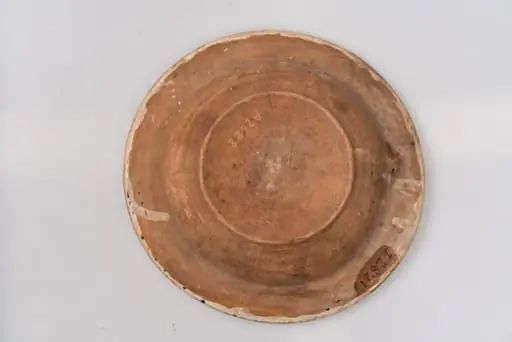 Farfurie adâncă cu buză evazată; este acoperită pe suprafața interioară cu un strat de angobă albă peste care este pictat cu cornul și cu pensula decorul monocromatic format din motive florale și vegetale stilizate: registrul central de pe fundul farfuriei conține un buchet format dintr-o floare de crin și două flori rotunde cu petale formate din linii drepte și patru grupuri de puncte sugerând niște flori mici. De o parte și de alta a florii de crin apare înscris anul fabricării piesei, 1794. Registrul decorativ de pe buza farfuriei, încadrat între două linii circulare, se compune dintr-un șir continuu format din opt flori mici de lalea cu tije în formă de S și frunze, sugerate prin linii paralele și puncte. Muchia buzei este decorată cu mici linii paralele. Suprafața ornamentată a farfuriei este acoperită cu un strat de smalț transparent. Cromatica: alb, albastru.
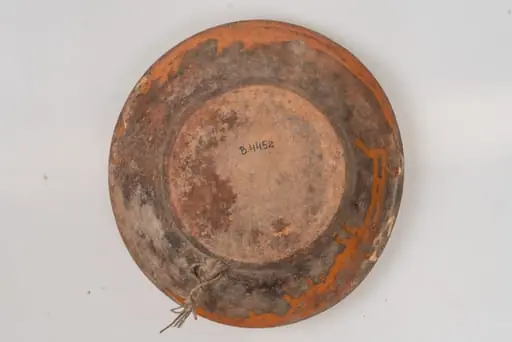 Farfurie adâncă de tip castron, cu corp tronconic și buza dreaptă, verticală. Piesa este acoperită pe suprafața interioară și pe exteriorul buzei cu un strat de angobă albă, peste care este pictat cu cornul decorul format din motive vegetale foarte stilizate: decorul de pe fundul farfuriei este păstrat doar parțial (urme de culoare maro), peretele farfuriei fiind decorat cu patru flori de culoare albastru-deschis, intercalate cu patru motive formate din linii hașurate intersectat de culoare verde, sugerând niște frunze. Două linii circulare de culoare maro, neglijent realizate, încadrează acest decor. Suprafața ornamentată a farfuriei este acoperită cu un strat de smalț transparent. Cromatica: alb, verde, maro, albastru-deschis.
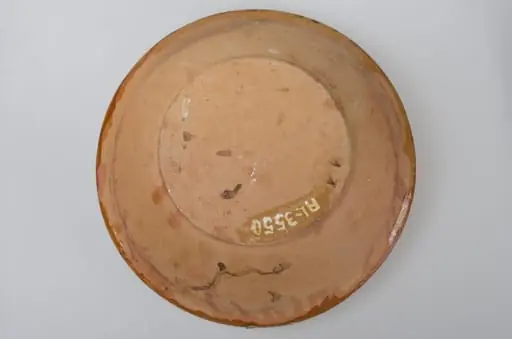 Vas de formă tronconică cu buza dreapta. Decorul este amplasat pe toată suprafața interioară și parțial în exterior, pe buză. Acesta este compus din motive geometrice (val); motive fitomorfe, plasate pe fund (frunza) și motive florale, tot pe fund (pansea). Blidul este smălțuit la interior și pe zona exterioară a buzei. Cromatică: fond: maron; motive: alb, verde.
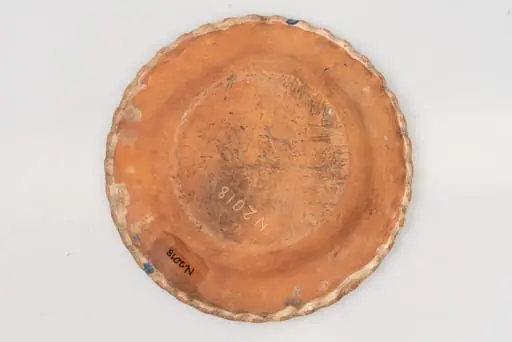 Farfurie de formă aplatizată, cu muchia buzei ușor ondulată. Este acoperită pe suprafața interioară cu un strat de angobă albă peste care este pictat cu pensula monocromatic format din motive geometrice și florale stilizate: registrul central de pe fundul farfuriei conține o tulpină cu trei flori de crin stilizate și două frunze la bază. Registrul decorativ marginal de pe buza farfuriei, înscris între două linii circulare albastre, conține un șir continuu de frunze duble între care se găsesc motive punctate (linii). Suprafața ornamentată a farfuriei este acoperită cu un strat de smalț transparent. Cromatica: alb, albastru.
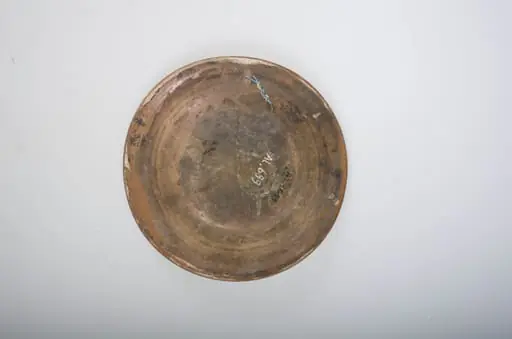 Blid de formă tronconică cu buza evazată și decor amplasat pe întreaga suprafață interioară. Blidul este decorat cu motive geometrice, linie, cerc, spirală, și motive vegetale stilizate. Cromatică: fond: crem; decor: cărămiziu; albastru; verde.
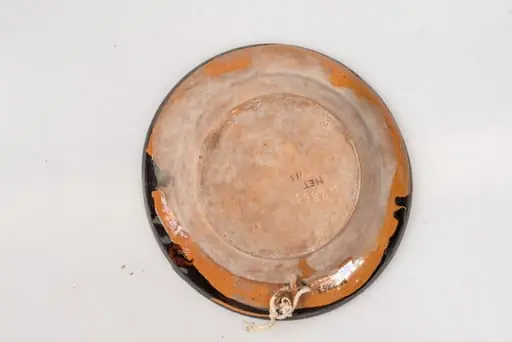 Farfurie adâncă, cu buza evazată și muchia buzei ușor ridicată; este acoperită pe suprafața interioară cu un strat de angobă maro, peste care este pictat cu pensula, cu angobă albă, decorul format din motive vegetale și florale, dispuse sub formă de ghirlandă continuă. Suprafața ornamentată a farfuriei este acoperită cu un strat de smalț transparent. Cromatica: maro, alb.
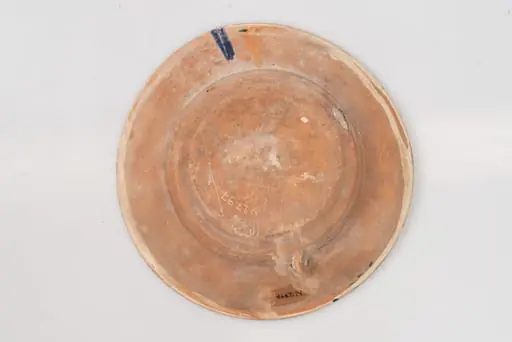 Farfurie semi-adâncă, cu buza lată, evazată; este angobată pe suprafața interioară cu un strat de humă albă, peste care este pictat cu pensula decorul format din motive florale și vegetale stilizate: registrul decorativ central de pe fundul farfuriei conține o floare cu patru petale alungite albastre și patru petale/frunze verzi, încadrată într-un cerc format din două linii ondulate și intersectate, de culoare albastră. Registrul decorativ marginal de pe buza farfuriei este format dintr-o succesiune alternantă a două motive: floarea albastră de lalea și motivul brăduțului, de culoare verde. Suprafața ornamentată a farfuriei este acoperită cu un strat de smalț transparent. Cromatica: alb, verde, albastru.