Artwork
Blossoms
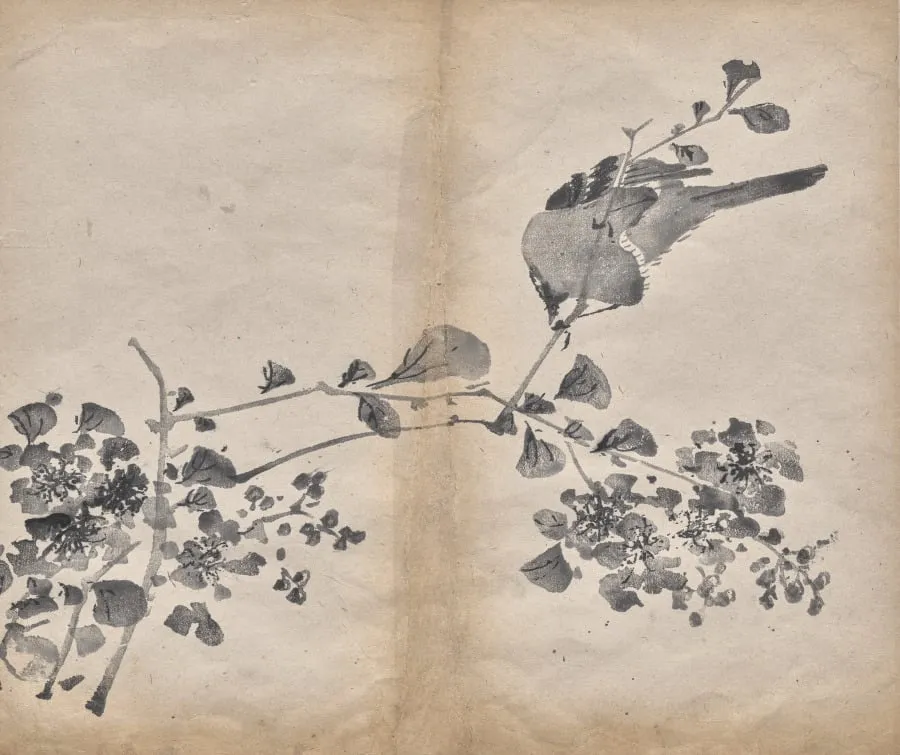
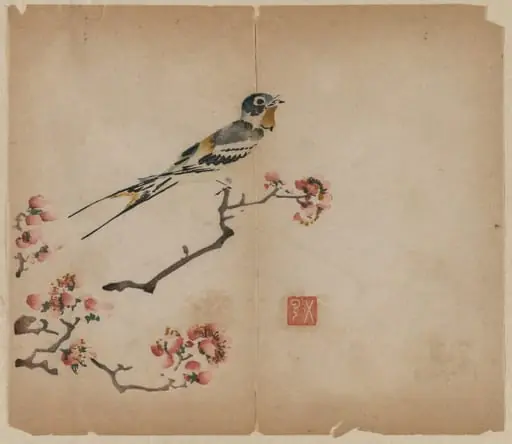
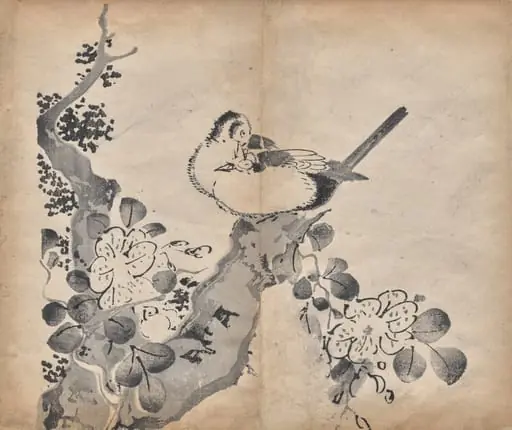
Blossoms is a print by the Baroque artist Unknown. It dates from 1625 and is held in the collection of the Cleveland Museum of Art. This print depicts a solitary bird perched on a slender branch, rendered in a restrained palette of earth tones and white.
About this work
Overview
This print depicts a solitary bird perched on a slender branch, rendered in a restrained palette of earth tones and white.
This print depicts a solitary bird perched on a slender branch, rendered in a restrained palette of earth tones and white. The composition follows a diagonal axis, guiding the eye from the lower left to the upper right. The background is a muted beige, allowing the subject to stand with quiet clarity. The style emphasizes natural forms through deliberate, uncluttered brushwork, avoiding ornamental excess.
Subject & Meaning
The bird, facing right, appears alert yet still, suggesting a moment of pause in nature. The delicate white blossoms and sparse leaves evoke seasonal change, possibly spring or early summer. There is no overt symbolism, but the scene invites contemplation of quiet natural life. The absence of human presence reinforces a focus on the autonomy of the natural world.
Technique & Style
The artist employs bold, confident strokes to define the branch and feathers, contrasting with finer lines for the petals and leaf veins. A limited color scheme—primarily beige, white, and soft browns—enhances the sense of harmony and restraint. The print’s surface suggests ink or watercolor on paper, with subtle gradations that imply texture without detailed rendering.
History & Provenance
The work is attributed to a Baroque-era artist, likely from East Asia, where such intimate natural studies were common in courtly and scholarly circles. Though exact origins are unverified, its format and aesthetic align with 17th-century ink-on-paper traditions. It may have been part of a larger album or scroll, intended for private appreciation rather than public display.
Context
Within the broader Baroque period, this piece diverges from the dramatic intensity typical of European works. Instead, it reflects an East Asian aesthetic of restraint and mindfulness, where nature is observed with quiet reverence. Similar themes appear in Japanese and Chinese ink paintings, where simplicity and suggestion hold greater value than detail or spectacle.
Legacy
This print exemplifies a tradition of naturalistic observation that influenced later generations of artists in East Asia and, indirectly, Western designers drawn to minimalism. Its enduring appeal lies in its calm precision and refusal to embellish. It remains a quiet reference point for those seeking harmony between form, space, and subject in visual art.
Artist & collection

 Domestic Scene
 Giacomo and Cardinal Marco, investing Andrea, Abbot of San Zeno, with his Benefice
 The Nymph of Fontainebleau
 Portrait of a Woman
 Madonna and Child with Saints in the Enclosed Garden
 Venus and Minerva
 Family Group of Four on Sofa
 Wall painting from Room H of the Villa of P. Fannius Synistor at Boscoreale
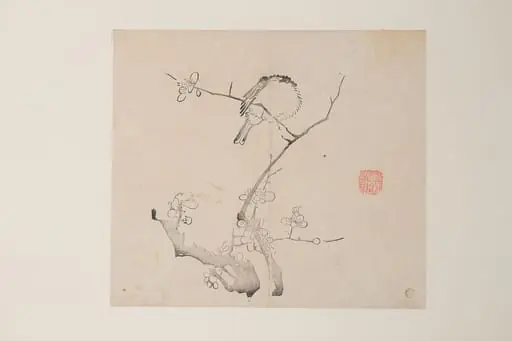 明 十竹齋書畫譜 四開|Leaf from the Ten Bamboo Studio Manual of Painting and Calligraphy
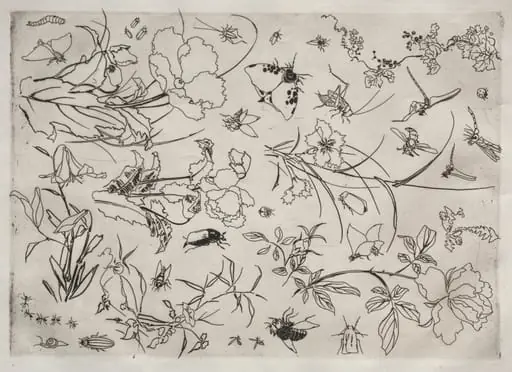 Dinner Service (Rousseau service): Flowers and Insects (no. 15)
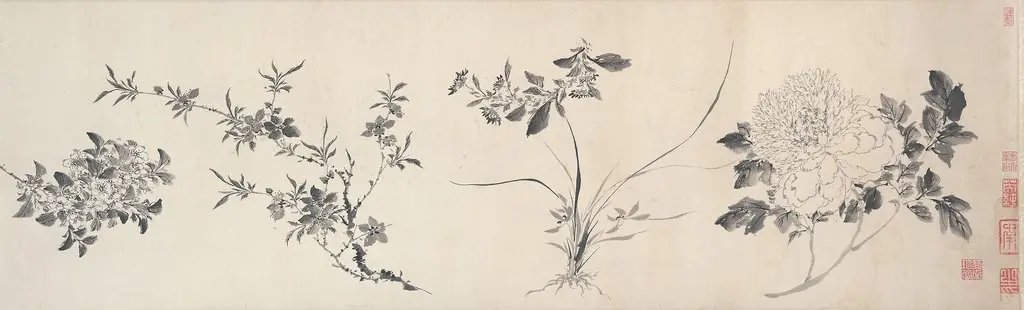 Flowers of the Four Seasons
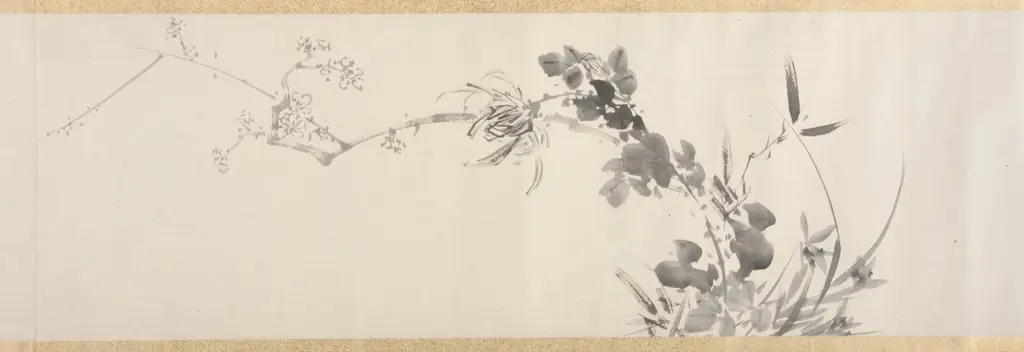 Birds and Flowers
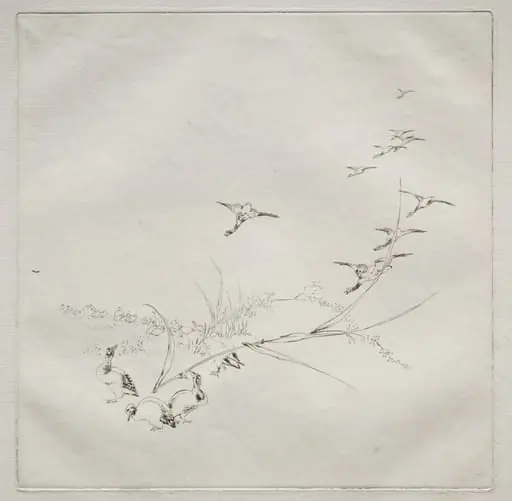 Parisian Service (Haviland service): Right in the sun (no. 9)
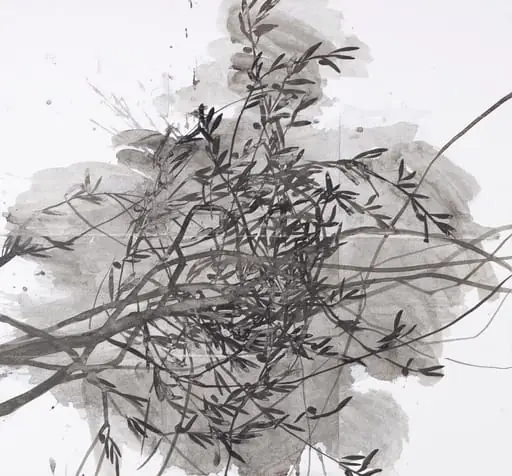 Oil tree
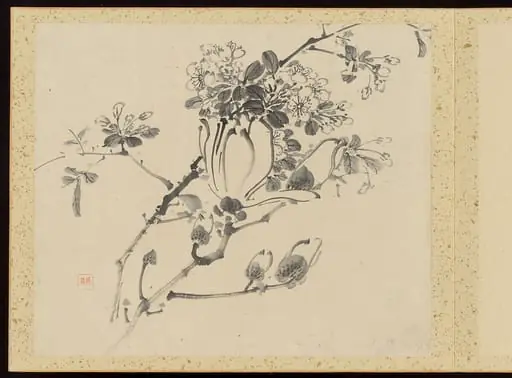 「四時清雅」|"Refined Elegance in the Four Seasons" (Shiji seiga), Album of Flower Paintings
 Swallow on Flowering Peach Branch
 Dinner Service (Rousseau service): Flowers (no. 23)
 Bamboo
 Dinner Service (Rousseau service): Swallow, Rooster and Flowers (no. 8)
 Blossoms and Birds