Artwork
Cabriolet
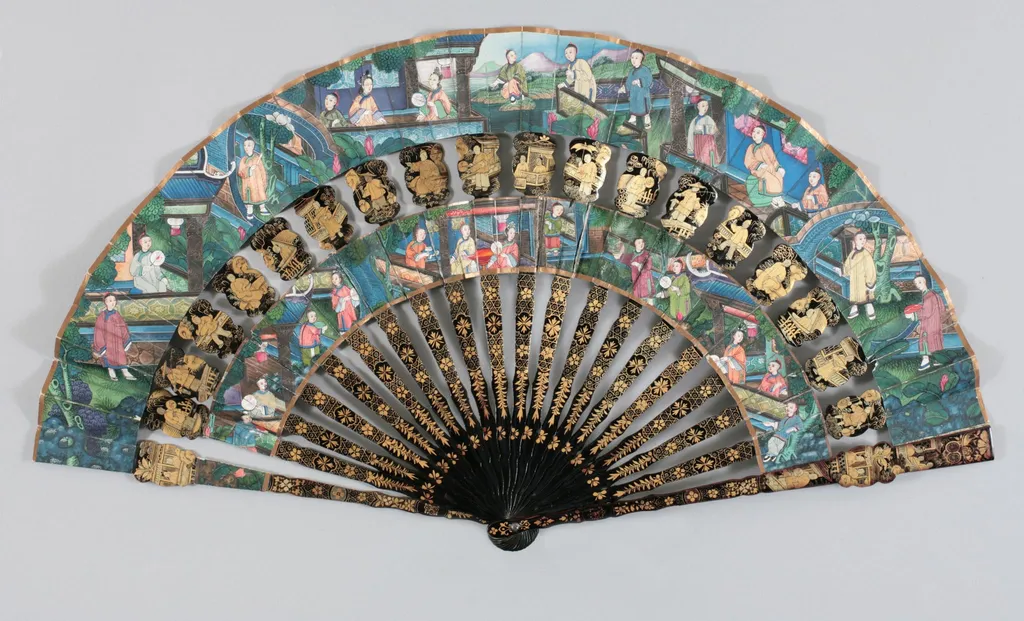
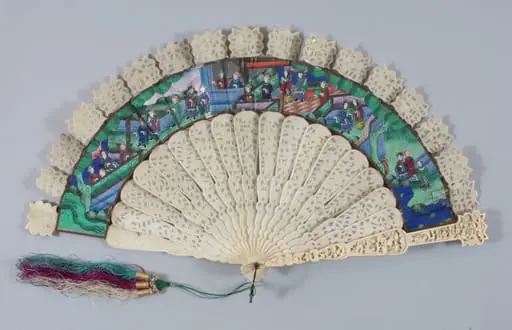
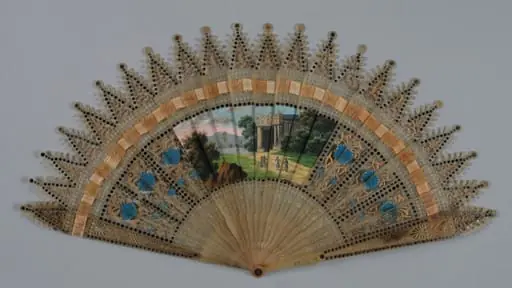
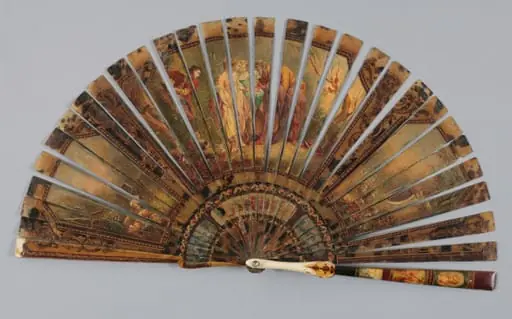
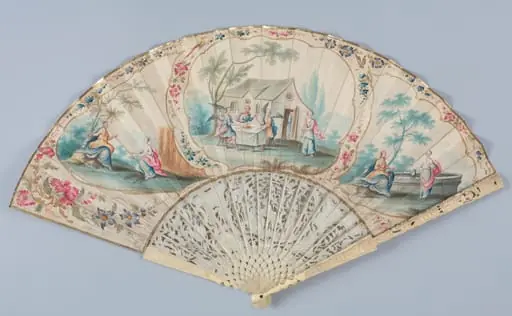
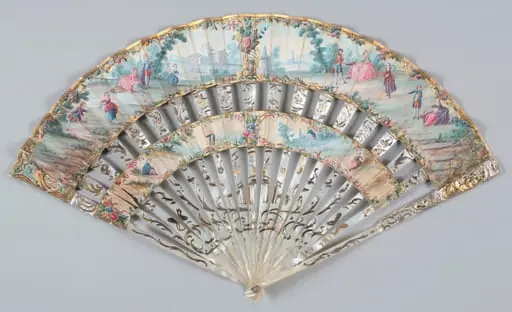
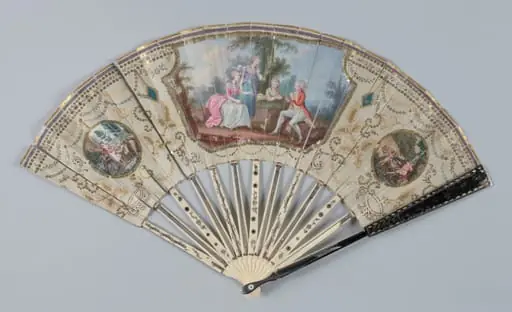
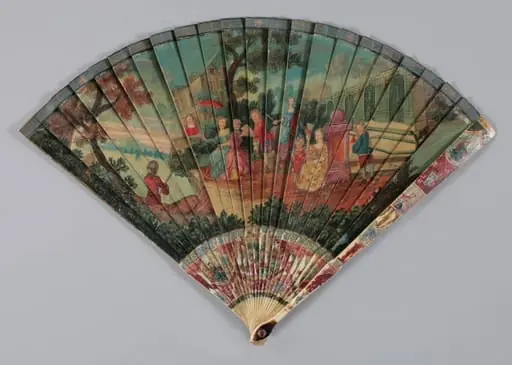
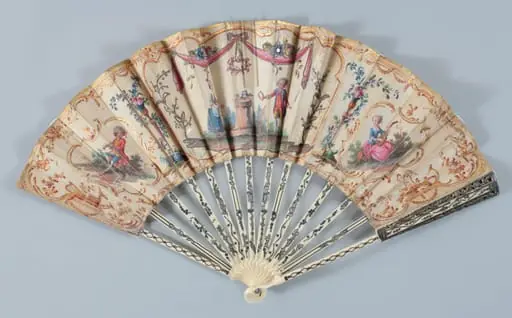
Cabriolet is an unspecified work on paper by the Impressionist artist Unknown. It dates from 1850 and is held in the collection of the Palais Galliera - Musée de la Mode de la Ville de Paris. This hand fan, crafted from ivory, features a painted scene rich in detail and color.
About this work
Overview
This hand fan, crafted from ivory, features a painted scene rich in detail and color. Meant for both utility and display, it reflects the refined artisan traditions of China. The object is part of the Museum of Ethnography’s collection, where it is preserved as an example of material culture from the 18th or 19th century.
Subject & Meaning
The painted surface depicts multiple figures in traditional Chinese attire, engaged in daily or ceremonial activities amid architectural and natural elements. Scenes suggest leisure, social interaction, or seasonal rituals, common themes in decorative arts of the period. The composition conveys harmony between people and their environment, reflecting Confucian ideals of order and balance.
Technique & Style
The imagery is rendered with fine brushwork, using mineral pigments in blues, greens, and reds to create depth and vibrancy. Ivory serves as a smooth, luminous ground, contrasting with the black and gold decorative borders. The precision of detail and layered coloring indicate skilled craftsmanship, likely from a workshop specializing in export or elite domestic goods.
History & Provenance
Produced during a period of active trade between China and Europe, such fans were often made for export or as gifts among the elite. This example entered the Museum of Ethnography’s holdings through documented acquisition, possibly during the late 19th or early 20th century, as part of broader ethnographic collecting efforts.
Context
Similar fans were produced in Guangzhou and other southern Chinese centers, where artisans adapted local aesthetics to meet foreign tastes while preserving traditional motifs. The use of ivory and intricate painting signaled status, and such objects were frequently exchanged in diplomatic or commercial contexts between China and Western markets.
Legacy
As a preserved artifact, the fan offers insight into the intersection of craftsmanship, social custom, and cross-cultural exchange. It remains a tangible record of how decorative arts functioned as both personal items and cultural ambassadors, reflecting the technical skill and visual language of its time.
Artist & collection

Museum
Palais Galliera - Musée de la Mode de la Ville de Paris
Continue through works from the same source collection.
 Domestic Scene
 Giacomo and Cardinal Marco, investing Andrea, Abbot of San Zeno, with his Benefice
 The Nymph of Fontainebleau
 Portrait of a Woman
 Madonna and Child with Saints in the Enclosed Garden
 Venus and Minerva
 Family Group of Four on Sofa
 Wall painting from Room H of the Villa of P. Fannius Synistor at Boscoreale