Artwork
Sugar-Funnel Boat
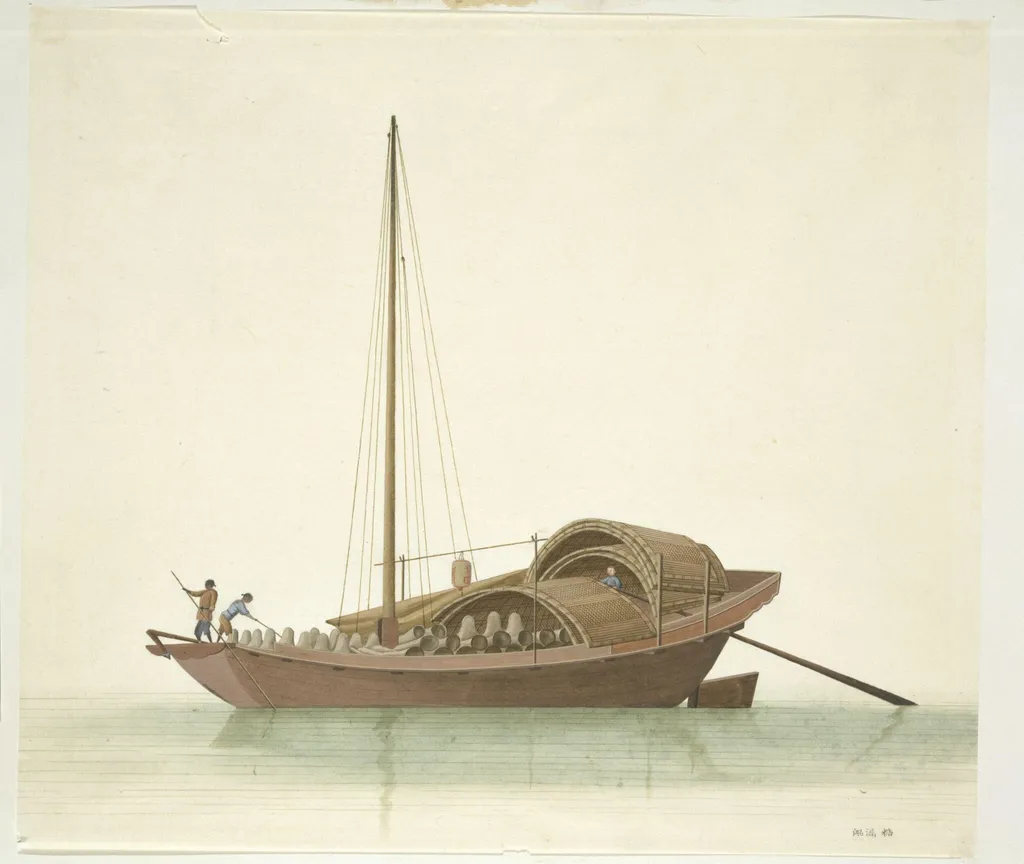
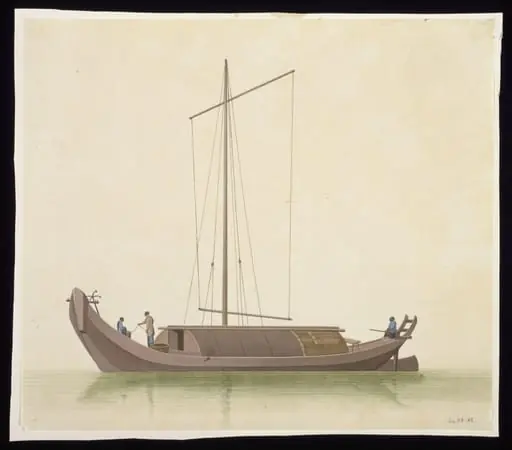
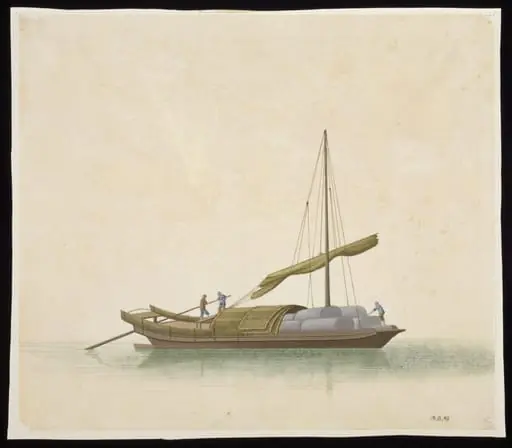
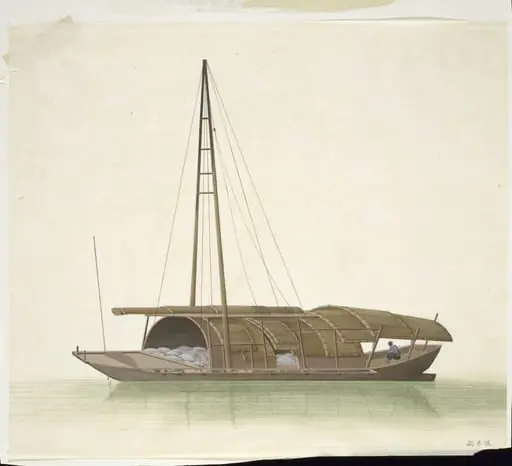
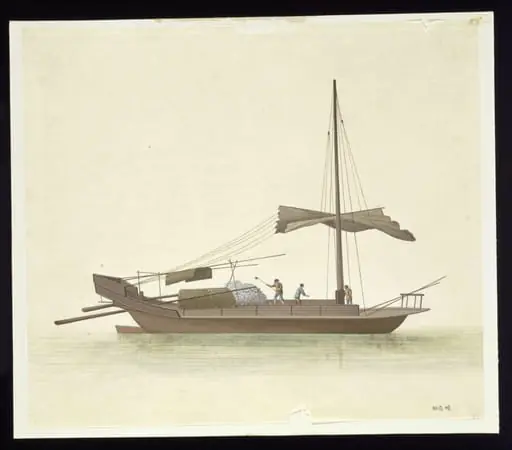
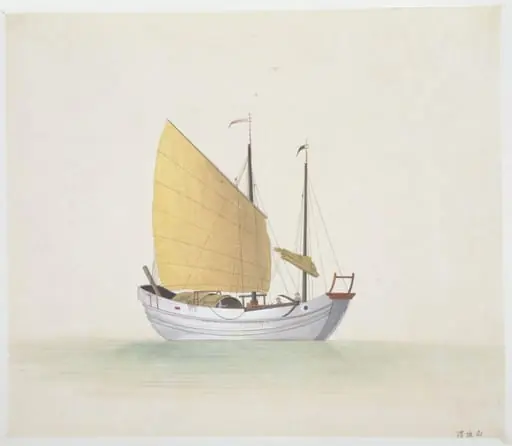
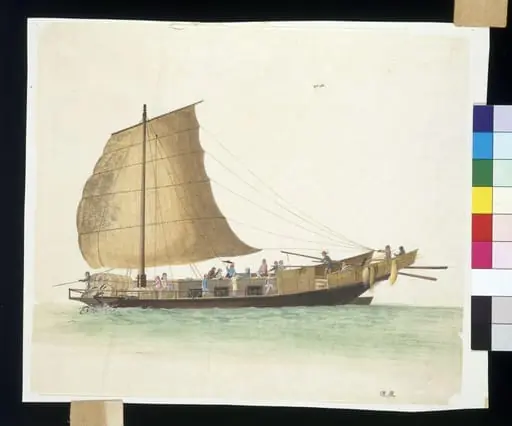
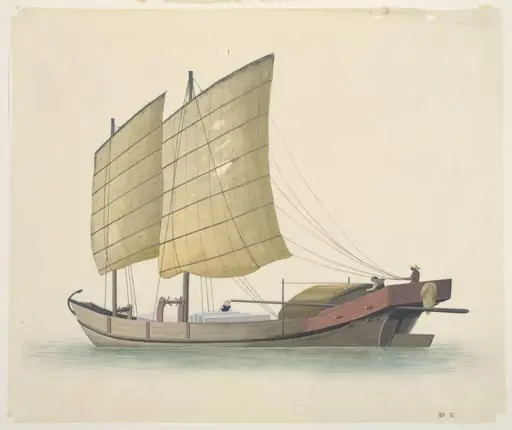
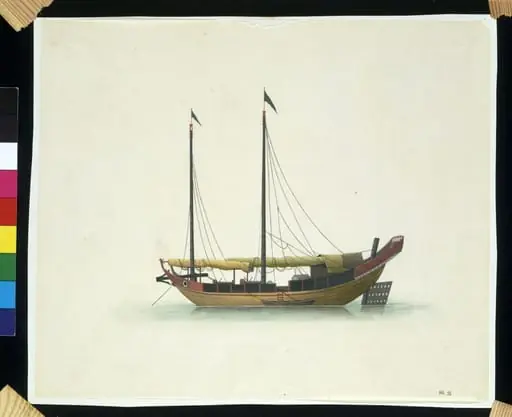
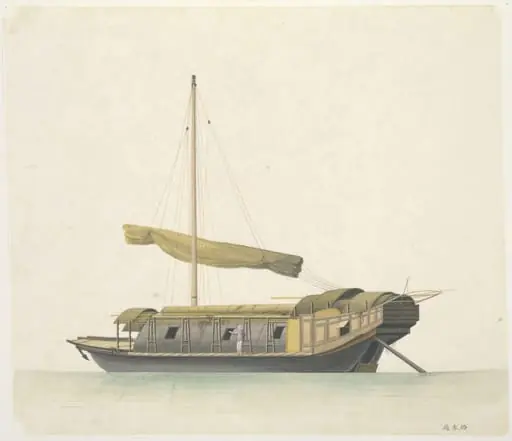
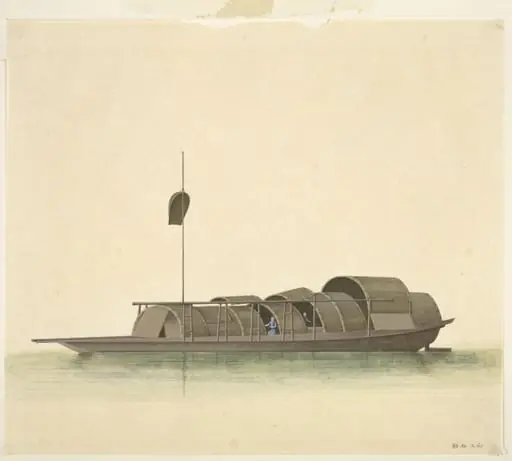
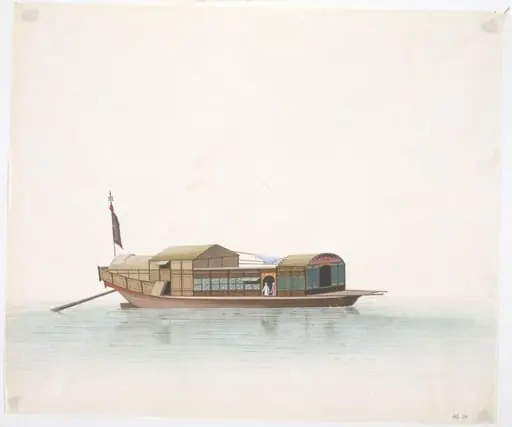
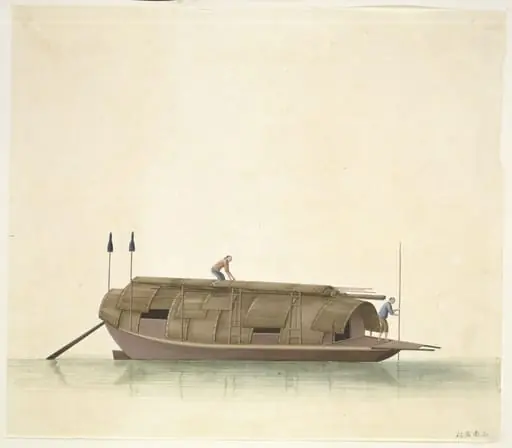
Sugar-Funnel Boat is a paint painting by the Romanticist artist Unknown. It dates from 1810 and is held in the collection of the Victoria and Albert Museum. This painting is one of fifty works documenting river vessels on the Pearl River near Canton.
About this work
Overview
This painting is one of fifty works documenting river vessels on the Pearl River near Canton. Each piece captures a distinct type of boat, here one transporting sugar funnels—cone-shaped molds used in refining raw sugar. Produced for foreign traders and travelers, these images functioned as visual souvenirs, offering a curated glimpse into local commerce and daily life along the waterways.
Subject & Meaning
The boat depicted carries sugar funnels, essential tools in the sugar-making process. Its presence highlights the river’s role as a commercial artery, linking production sites with markets. The crowded river scene reflects the density of maritime activity in 18th-century Canton, where even modest vessels served as homes and workplaces, as noted by contemporary observers like Lord Macartney.
Technique & Style
The painting employs flat, decorative patterning rather than illusionistic depth. Forms are outlined clearly, with minimal shading or perspective, typical of export art designed for quick reproduction. Color is restrained, emphasizing shape and function over atmospheric effects, distinguishing it from European techniques like chiaroscuro.
History & Provenance
Created during the late 18th century, these boat paintings were commissioned by Western merchants and diplomats as mementos of their time in China. Lord Macartney’s diplomatic mission (1792–94) coincided with their production, and his writings corroborate the visual record of the river’s teeming traffic, lending historical context to the series.
Context
Canton’s Pearl River was a hub of international trade under the Canton System, where foreign merchants were restricted to specific quarters. The proliferation of specialized boats—carrying tea, silk, sugar, and more—reflected both local ingenuity and the demands of global commerce. These paintings document a system tightly regulated yet visually vibrant.
Legacy
The series remains a valuable ethnographic record of Qing-era riverine life. Though produced as commercial art, the paintings preserve details of vessel design, cargo, and riverine organization that are otherwise undocumented. They now serve as primary sources for historians studying Sino-Western trade and material culture in the late imperial period.
Artist & collection

 Domestic Scene
 Giacomo and Cardinal Marco, investing Andrea, Abbot of San Zeno, with his Benefice
 The Nymph of Fontainebleau
 Portrait of a Woman
 Madonna and Child with Saints in the Enclosed Garden
 Venus and Minerva
 Family Group of Four on Sofa
 Wall painting from Room H of the Villa of P. Fannius Synistor at Boscoreale