Artwork
Custard-apple plant
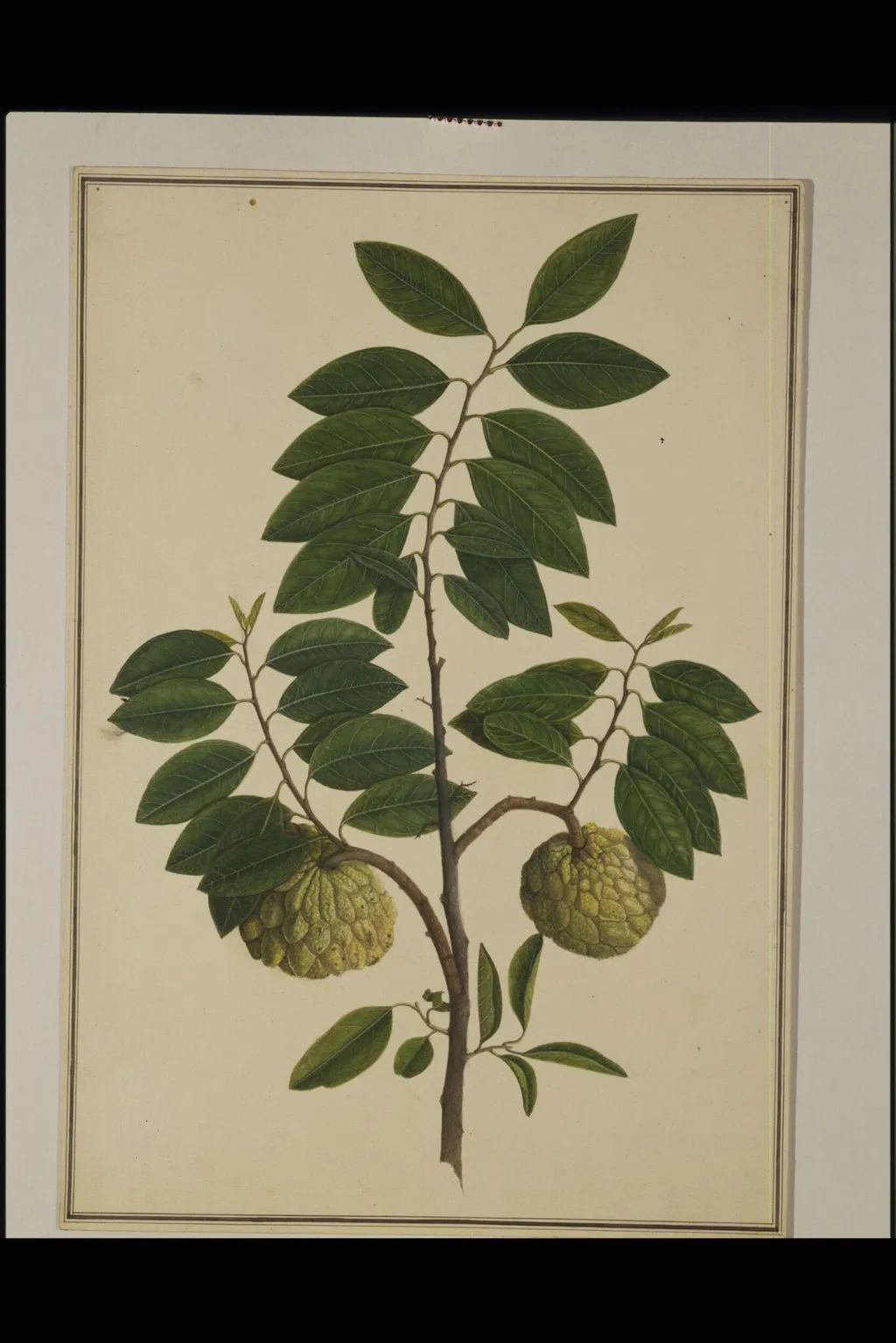
Custard-apple plant is a paint painting by the Patna School of Painting artist Unknown. It dates from 1785 and is held in the collection of the Victoria and Albert Museum. This work belongs to the genre of Company paintings, a body of Indian art produced for British patrons in the late eighteenth century.
About this work
Overview
This work belongs to the genre of Company paintings, a body of Indian art produced for British patrons in the late eighteenth century. Executed around 1785 in Calcutta, the painting depicts a single custard‑apple plant, rendered with meticulous attention to the texture of its spiny leaves and the bumpy surface of the fruit against a light background.
Subject & Meaning
The composition focuses on the botanical specimen, highlighting the plant’s distinctive foliage and fruit. By isolating the custard‑apple, the image serves both as a visual record of Indian flora and as a testament to the collector’s interest in documenting exotic natural objects.
Technique & Style
The artist employed fine linear brushwork to delineate each leaf vein and the irregularities of the fruit’s skin, achieving a high degree of naturalistic detail. The palette is restrained, with muted earth tones that emphasize the plant’s form rather than decorative embellishment, characteristic of the empirical style favored by British patrons.
History & Provenance
The painting was commissioned by Sir Elijah Impey, the first Chief Justice of the Supreme Court at Fort William, and his wife, Lady Impey.
The painting was commissioned by Sir Elijah Impey, the first Chief Justice of the Supreme Court at Fort William, and his wife, Lady Impey. Between 1777 and 1782 the Impeys amassed a private collection of over three hundred such works, documenting the animals and plants kept in their household menagerie. Though the names of most artists remain unknown, this piece is attributed to an unidentified freelance painter active in Calcutta.
Context
Company paintings emerged from the intersection of colonial administration and scientific curiosity, as British officials sought visual documentation of India’s natural world. The Impeys’ patronage reflects a broader trend among colonial elites to employ local artists for the production of natural history illustrations that supported both personal interest and emerging scientific study.
Artist & collection

 Domestic Scene
 Giacomo and Cardinal Marco, investing Andrea, Abbot of San Zeno, with his Benefice
 The Nymph of Fontainebleau
 Portrait of a Woman
 Madonna and Child with Saints in the Enclosed Garden
 Venus and Minerva
 Family Group of Four on Sofa
 Wall painting from Room H of the Villa of P. Fannius Synistor at Boscoreale
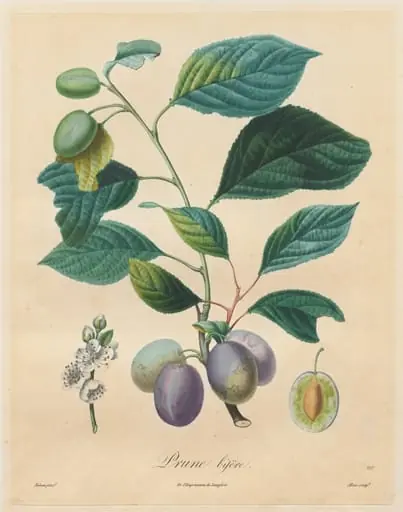 Traité des arbres fruitiers: Prune bifère
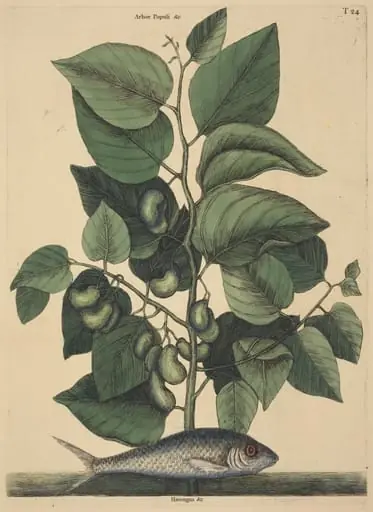 The Pilchard (Argentina carolina)
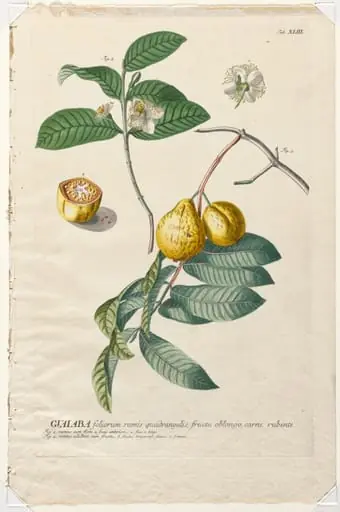 Plantae Selectae: No. 43 - Guaiaba
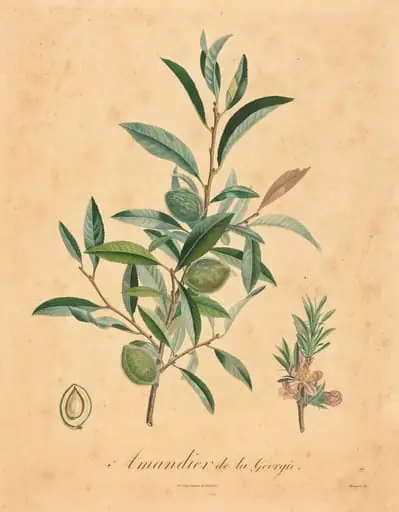 Amandier de la Georgie
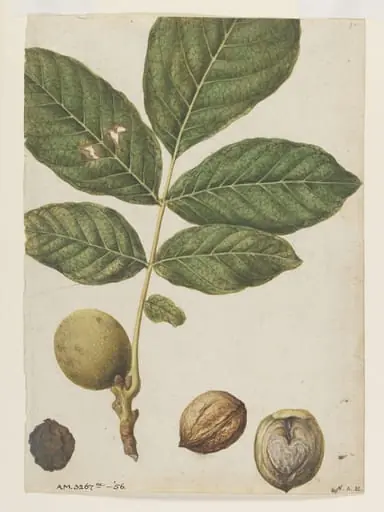 Walnuts
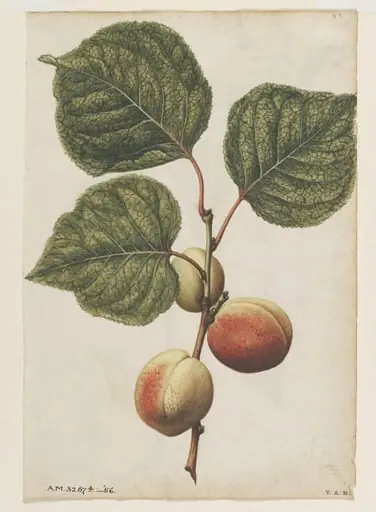 Apricots; Cherries
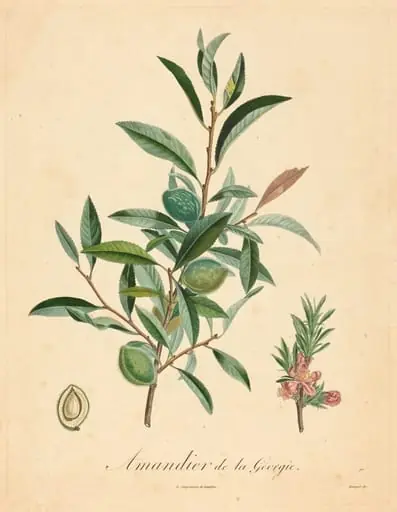 Amandier de la Georgie
 Collection des fleurs et des fruits: Branches de rousselet, pêche, prune et raisin
 Solanum pseudocapsicum (jerusalem-koralbær)