Artwork
Depictions of Common (or grey) quail and a Black partridge of Northern India
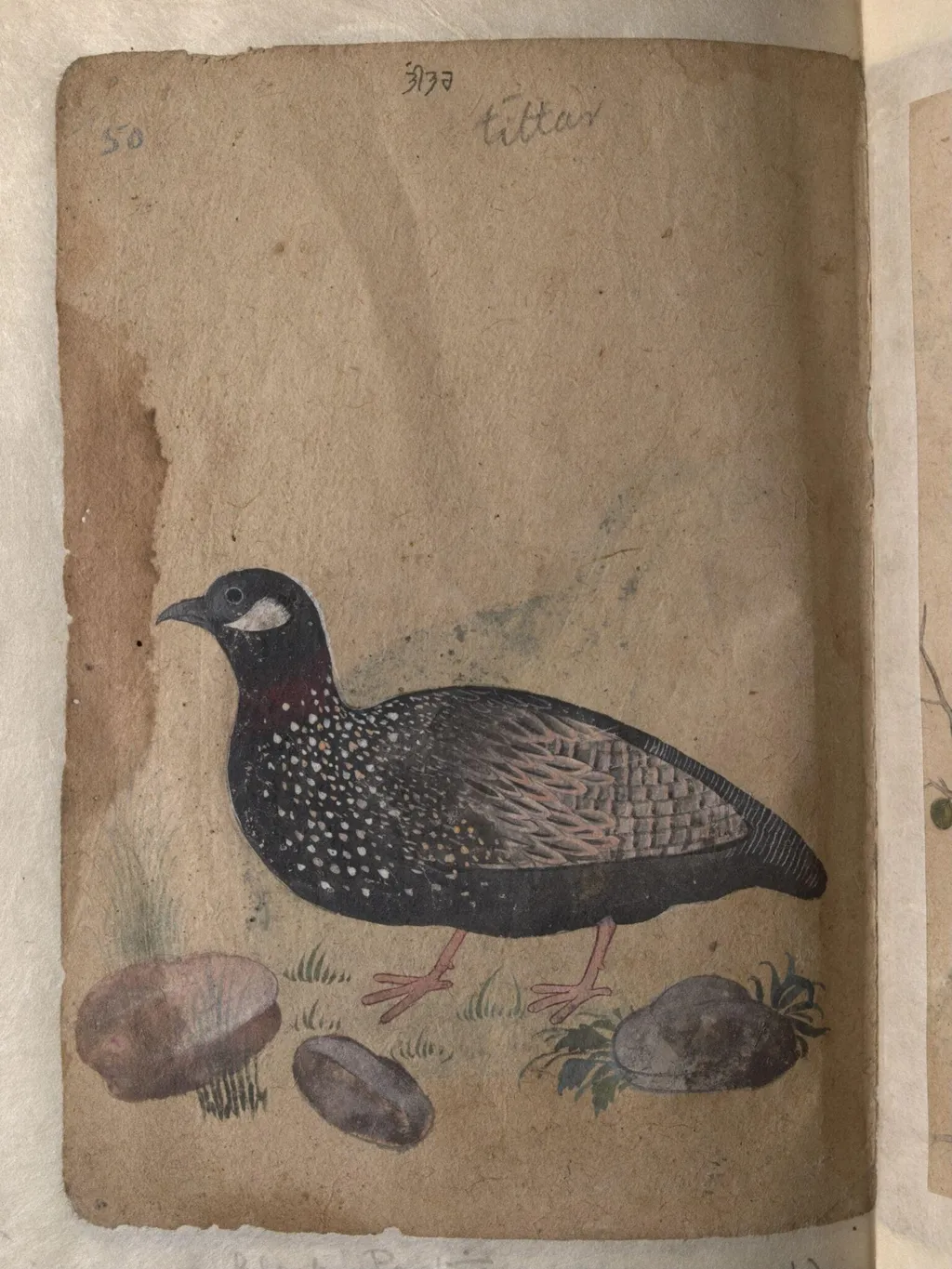
Depictions of Common (or grey) quail and a Black partridge of Northern India is a paint painting by the Patna School of Painting artist Unknown. It dates from 1820 and is held in the collection of the Victoria and Albert Museum.
About this work
Overview
Created in 1820, this pair of watercolour studies portrays two avian subjects: a Common, or grey, quail and a black partridge native to the northern regions of India. Executed in a modest format, the works focus on the birds in a naturalistic setting, rendered with restrained colour and composition.
Subject & Meaning
The composition centers on a dark-feathered partridge, its chest marked by white spotting and a long, fanned tail, standing amid a sparse arrangement of rocks and low vegetation. Adjacent, the grey quail is rendered with subtle tonal variations, emphasizing the everyday appearance of these species rather than allegorical symbolism.
Technique & Style
Both pieces employ transparent watercolour washes, allowing the underlying paper to convey a light brown ground that suggests earth. The birds' plumage is built up in layered strokes of black, gray and white, while the legs are hinted with pink tones. The surrounding flora and stone are suggested with minimal, earthy brushwork, producing a calm, unembellished visual effect.
History & Provenance
The watercolours entered public view in 1929 when they were bequeathed by Robert Scott Greenshields, a former officer of the Indian Civil Service who served in Bengal and Assam between 1879 and 1910. Greenshields' donation linked the works to the broader collection of colonial-era natural history art.
Artist & collection

 Domestic Scene
 Giacomo and Cardinal Marco, investing Andrea, Abbot of San Zeno, with his Benefice
 The Nymph of Fontainebleau
 Portrait of a Woman
 Madonna and Child with Saints in the Enclosed Garden
 Venus and Minerva
 Family Group of Four on Sofa
 Wall painting from Room H of the Villa of P. Fannius Synistor at Boscoreale
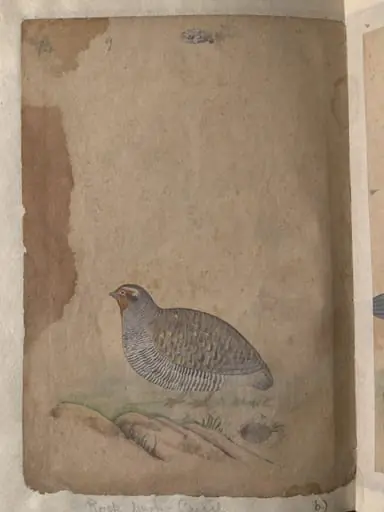 Depictions of a (unfinished drawing) and a Rock bush-quail of Northern India
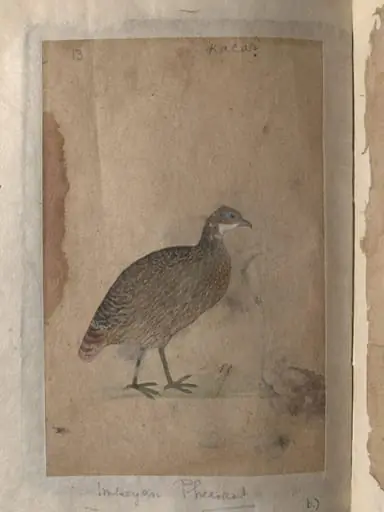 Depictions of Chukor partridge and Impeyan pheasant of Northern India
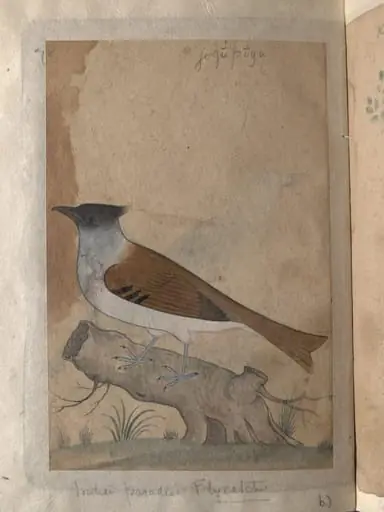 Depictions of Indian house crow and a Indian paradise flycatcher of Northern India
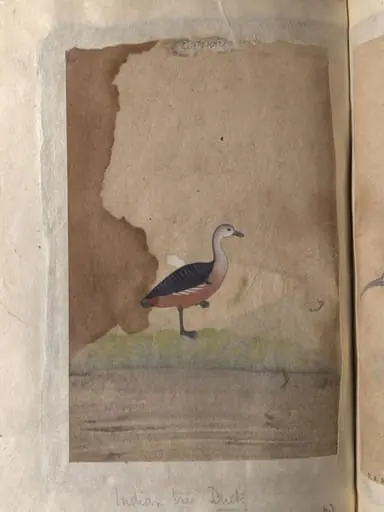 Depictions of a spot-bill duck and an Indian tree duck of Northern India
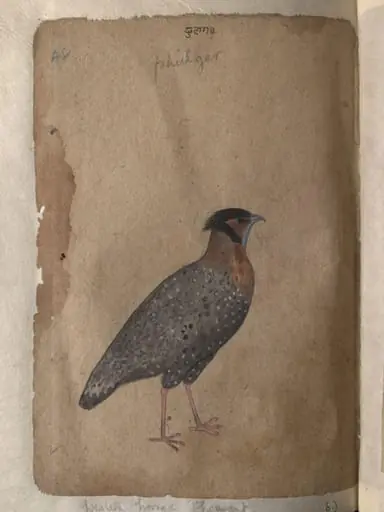 Depictions of Impeyan pheasant (male) and a Western horned pheasant of Northern India
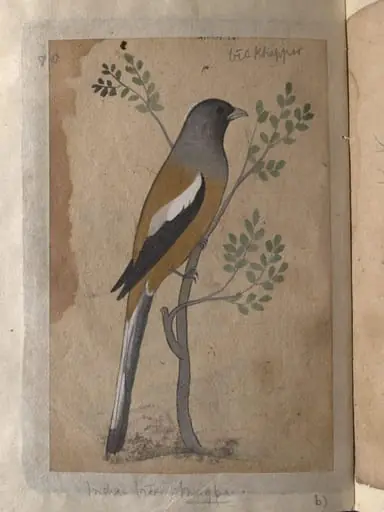 Depictions of a Grey partridge and a Indian tree-pie of Northern India
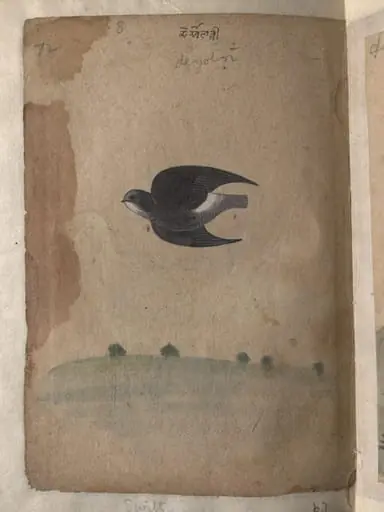 Depictions of a Green pigeon (?) and a Common house-swift of Northern India
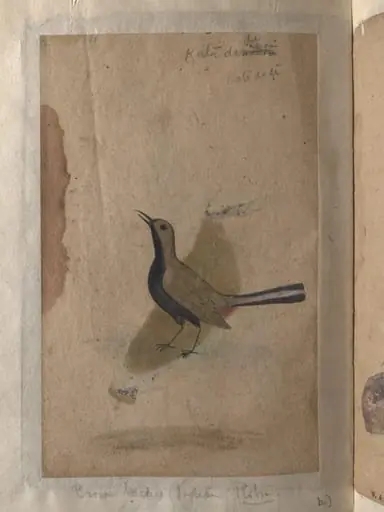 Depictions of a India pitta and Brown-backed Indian robin of Northern India
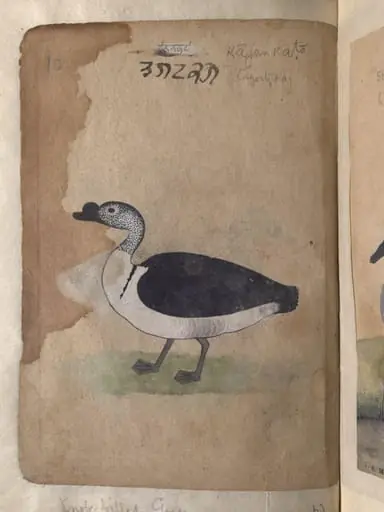 Depictions of a Grey lag goose and Knob-billed goose, of Northern India
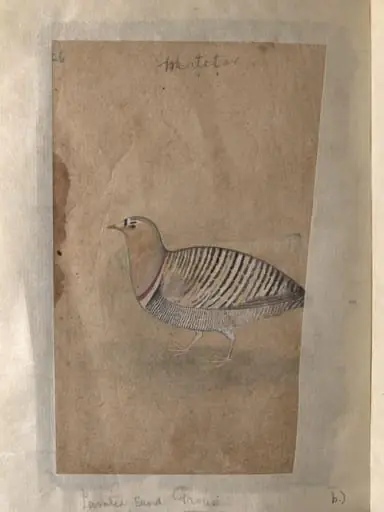 Depictions of a Indian house-sparrow and a Painted sand-grouse (male) of Northern India
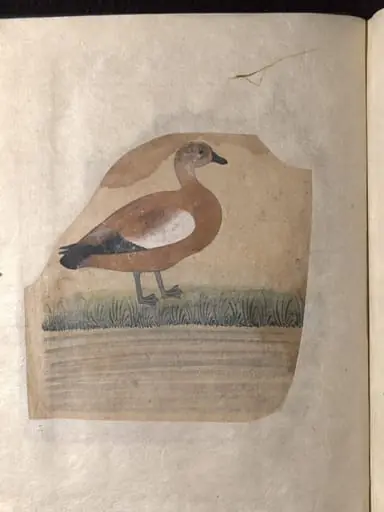 Depictions of a White wagtail and a Brahminy duck of Northern India