Artwork
Digging China Clay
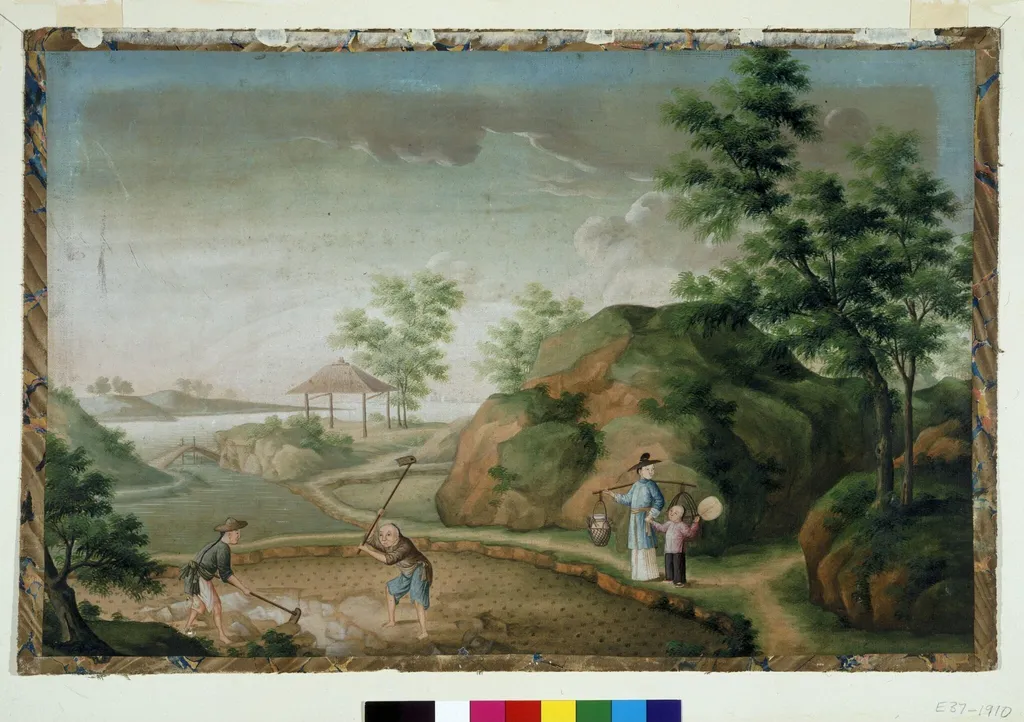
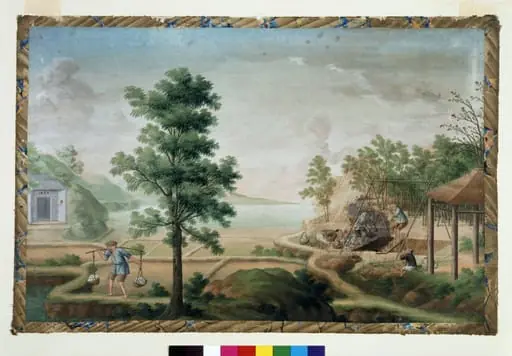
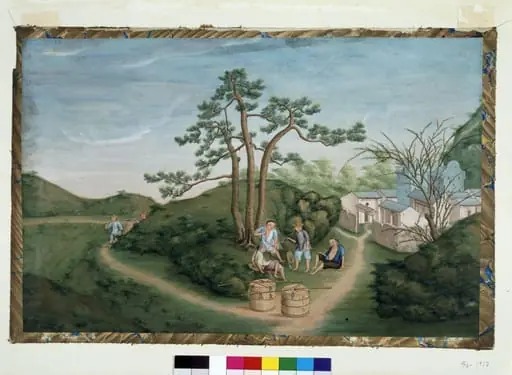
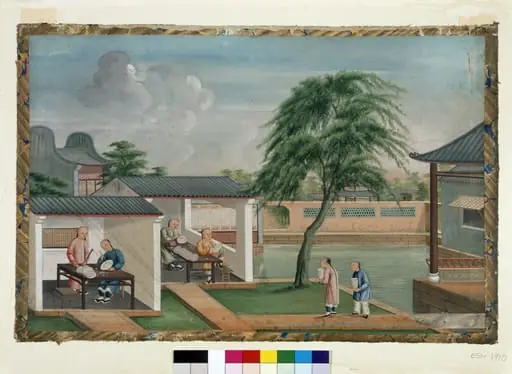
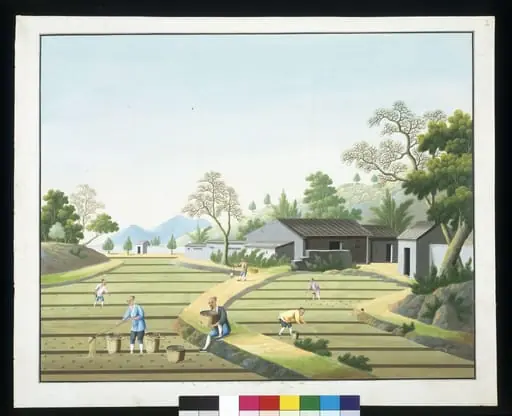
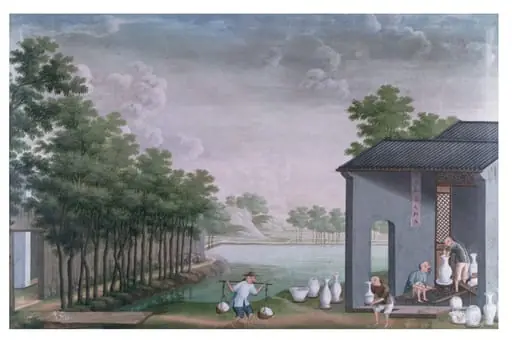
Digging China Clay is a paint painting by the Rococo painting artist Unknown. It dates from 1780 and is held in the collection of the Victoria and Albert Museum.
About this work
Overview
It focuses on the extraction of china clay, a critical raw material, from a muddy pit.
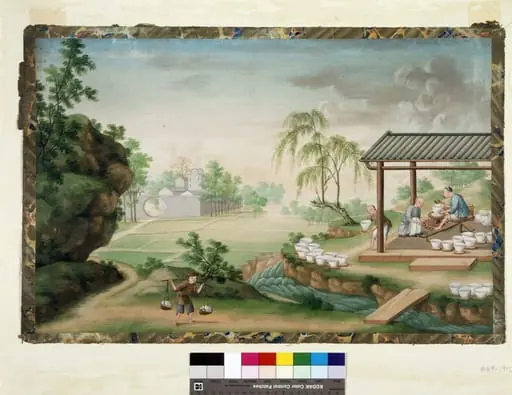
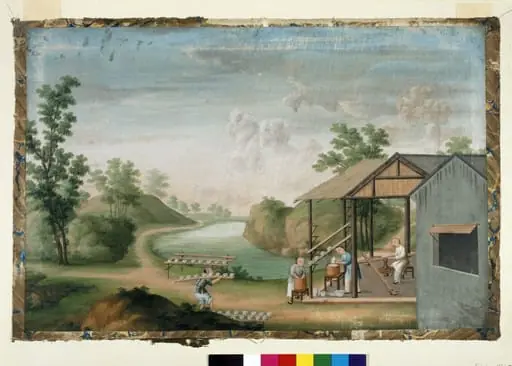
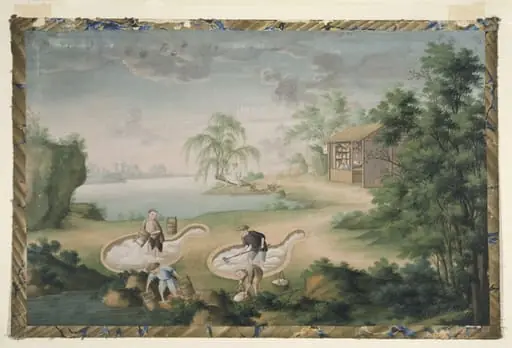
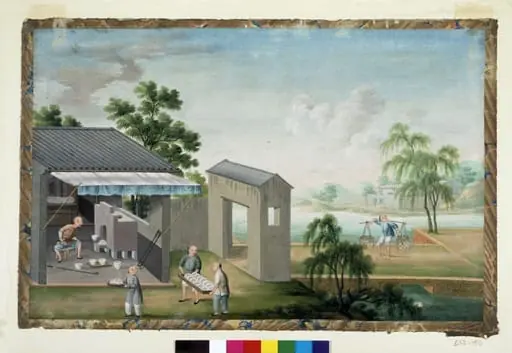
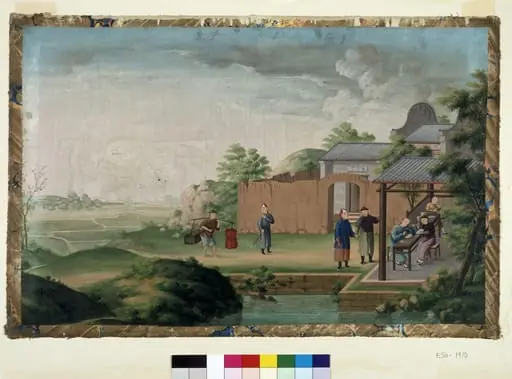
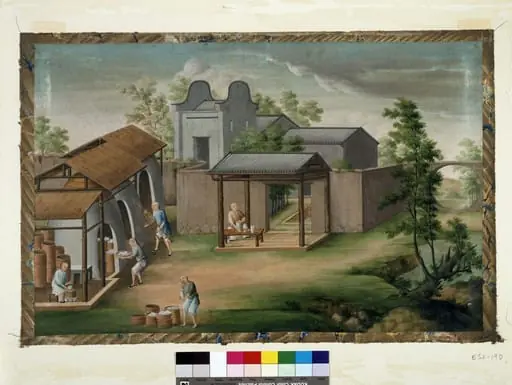
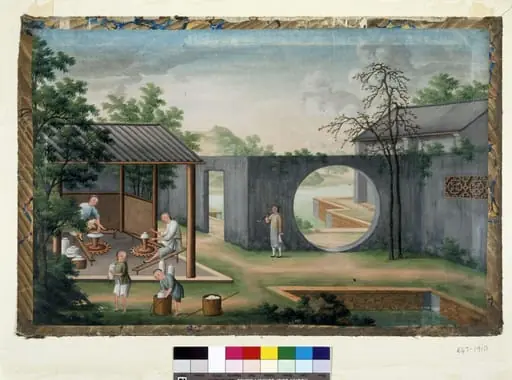
This painting is one of twenty-four works documenting the porcelain-making process in China, commissioned to reveal the technical secrets of Chinese ceramics to European audiences. It focuses on the extraction of china clay, a critical raw material, from a muddy pit. The scene was created during a period when European manufacturers struggled to replicate true porcelain, making such visual records highly valuable for industrial curiosity and imitation.
Subject & Meaning
The painting depicts laborers wading through mud to dig white clay, a key component in porcelain production. One figure observes the workers, suggesting supervision or assessment. The image does not idealize labor but presents it as a practical, physical task. Its purpose was educational: to demystify Chinese ceramic technology for European viewers who sought to replicate the material, revealing the labor behind an object of global desire.
Technique & Style
The artist uses naturalistic lighting to emphasize the texture of the clay and the weathered faces of the workers, grounding the scene in observable reality. Brushwork is precise yet unembellished, avoiding romanticism. The composition directs attention to the muddy pit and the act of digging, with minimal background detail. This restrained approach enhances the documentary quality, aligning with the paintings’ function as technical references rather than artistic expressions.
History & Provenance
Created in the 18th century, the set of twenty-four paintings was likely produced for export to Europe, possibly commissioned by British traders or manufacturers. They circulated among porcelain makers seeking to decode Chinese methods. The series eventually entered the collection of the Victoria and Albert Museum, where it remains as a rare visual archive of pre-industrial ceramic production in China and its influence on European industry.
Context
Before the 1700s, European potters could not produce hard-paste porcelain, which required china clay and china stone—materials unknown outside China. As demand for Chinese ceramics grew, European industries turned to visual documentation to reverse-engineer the process. These paintings emerged from a broader cultural and commercial interest in Asian manufacturing, reflecting both fascination and the drive for technological self-sufficiency.
Legacy
The series contributed to the eventual success of European porcelain factories, particularly in England and Germany, by providing detailed insight into raw material sourcing and preparation. Though not widely exhibited at the time, the paintings preserved a record of labor and technique otherwise undocumented. Today, they serve as historical evidence of cross-cultural knowledge transfer and the global reach of ceramic production networks.
Artist & collection

 Domestic Scene
 Giacomo and Cardinal Marco, investing Andrea, Abbot of San Zeno, with his Benefice
 The Nymph of Fontainebleau
 Portrait of a Woman
 Madonna and Child with Saints in the Enclosed Garden
 Venus and Minerva
 Family Group of Four on Sofa
 Wall painting from Room H of the Villa of P. Fannius Synistor at Boscoreale