Artwork
Farfurie de formă tronconică ce prezintă două registre ornamentale, unul plasat de jur împrejurul buzei cu motive florale. Al doilea registru plasat în centru cu motive deasemenea florale. La posterior, baza inelară perforată pentru atârnare. Cromatică: fond: crem; motive: verde; albastru.
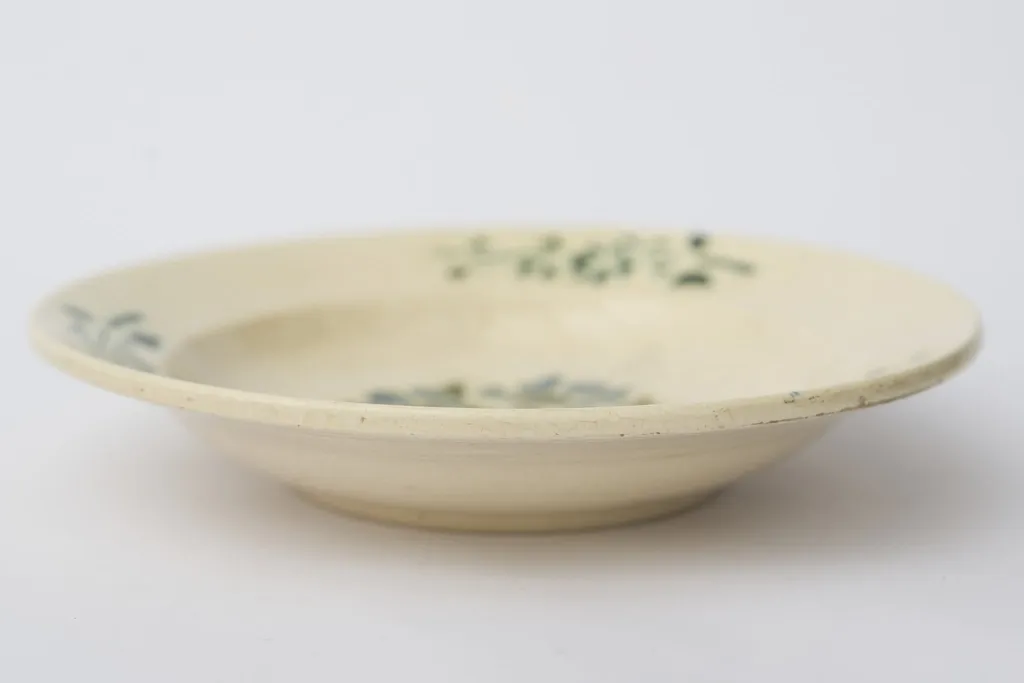
Farfurie de formă tronconică ce prezintă două registre ornamentale, unul plasat de jur împrejurul buzei cu motive florale. Al doilea registru plasat în centru cu motive deasemenea florale. La posterior, baza inelară perforată pentru atârnare. Cromatică: fond: crem; motive: verde; albastru. is an unspecified painting by Unknown. It dates from 1850 and is held in the collection of the ASTRA National Museum Complex. This shallow, conical dish features a cream‑colored background adorned with two concentric ornamental bands.
About this work
Overview
This shallow, conical dish features a cream‑colored background adorned with two concentric ornamental bands. A narrow rim band displays small green and blue floral motifs, while a broader central band repeats the same simplified leaf‑and‑bud designs in slightly larger scale. A perforated circular base at the underside suggests the piece was intended for hanging.
Subject & Meaning
The decorative program consists exclusively of stylised botanical elements—leaf shapes and budding flowers rendered in muted green and blue. Such motifs, common in folk ceramic traditions, often symbolise fertility and the renewal of nature, serving both aesthetic and protective functions on everyday objects.
Technique & Style
The dish is executed in a low‑relief painting technique, with pigments applied thinly over a light‑toned ceramic slip. The colour palette is restrained, relying on softened earth tones and pastel greens and blues that have faded with age. The overall form and decorative scheme align with traditional Romanian folk pottery, characterised by modest, repetitive patterns.
History & Provenance
The presence of a hanging hole indicates the piece was likely used as a wall‑mounted plate for offerings or decorative display in a domestic setting. Its worn rim and patina suggest prolonged use, typical of utilitarian objects in rural households. No specific maker’s mark is evident, placing it within an anonymous folk production context.
Context
Conical, shallow dishes of this type were common in the Balkans during the 19th and early 20th centuries, serving both practical and ceremonial purposes. The dual ornamental registers reflect a visual hierarchy often employed in regional ceramic workshops, where the outer band frames the central motif.
Legacy
While modest in scale, such pieces illustrate the continuity of vernacular ceramic traditions and their role in everyday visual culture. They provide insight into regional aesthetic preferences and the transmission of decorative motifs across generations.
Artist & collection

 Domestic Scene
 Giacomo and Cardinal Marco, investing Andrea, Abbot of San Zeno, with his Benefice
 The Nymph of Fontainebleau
 Portrait of a Woman
 Madonna and Child with Saints in the Enclosed Garden
 Venus and Minerva
 Family Group of Four on Sofa
 Wall painting from Room H of the Villa of P. Fannius Synistor at Boscoreale
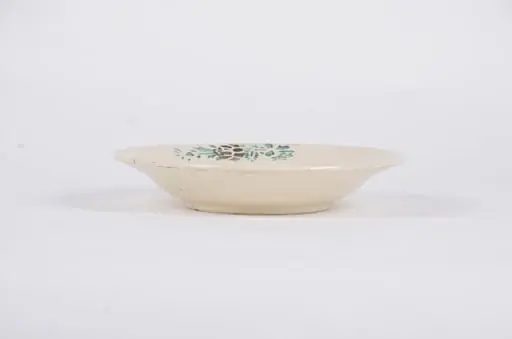 Farfuria este de formă tronconică fiind decorată cu motive florale dispuse central sub forma unui buchet de flori. Pe marginea piesei sunt dispuse într-un registru circular motive floral-vegetale pe un fond alb. Farfuria este smălțuită. Cromatică: fond: alb; motive: verde; maro.
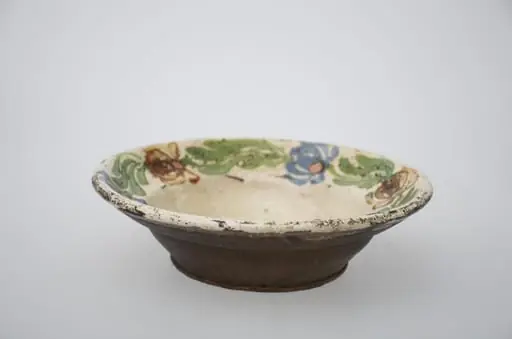 Farfurie de formă tronconică adâncă cu buza largă și decor pe fund, spre margini. Ornamentat cu motive florale. Cromatică: fond: alb; motive: maro; verde; albastru.
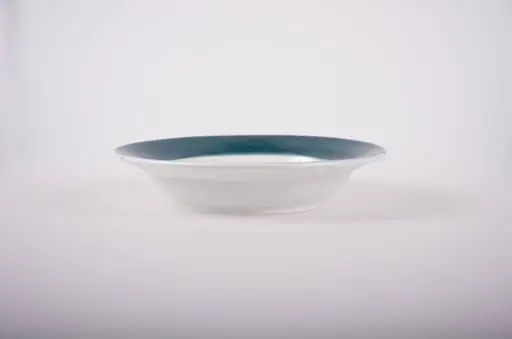 Farfurie de formă tronconică, adâncită; pe fund are găuri pentru agățare. În centru este decorată cu motive florale; marginea este pictată verde; pe fund are trei cercuri concentrice. Cromatică: fond: alb; motive: verde; vișiniu; albastru; galben.
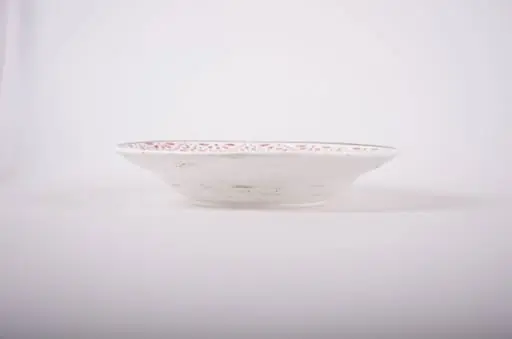 Farfurie de formă tronconică, adâncită; pe fund are găuri pentru agățare. Pe margine este decorat cu motive florale, despărțite de șiruri de puncte și încadrate de două cercuri concentrice; în centru are o cruce mare cu capete treflate încadrată de doi trandafiri (în lateral) și o floare la bază. Pe exterior are urme de pictură (probabil a fost așezată pe o altă farfurie proaspăt pictată). Cromatică: fond: alb; motive: roșu; verde; albastru; galben.
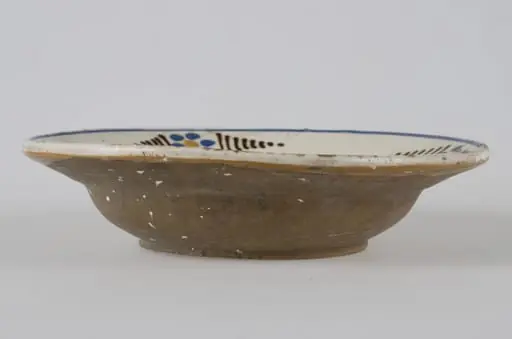 Vas adânc din lut, de formă tronconică, cu marginea evazată. Pe fundalul de culoare albă este decorat cu motive geometrice: linie circulară, linii curbe, puncte pe buza vasului; motive vegetale și florale, pe centrul vasului. Cromatică: fond: alb; motive: albastru; verde; maro; cărămiziu.
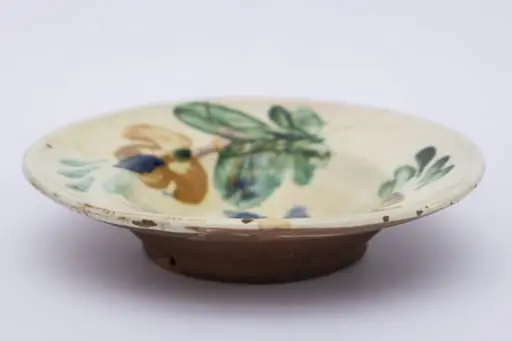 Farfurie de formă tronconică cu fundul adâncit și marginea evazată; smălțuită în interior. Ornament prin pictare ilustrând în plan central, pe fundul vasului, o floare albastră; pe margine chenar floral, reprezentat de două flori cărămizii cu frunze verzi. Pentru atârnare baza este perforată. Cromatică: fond: alb; motive: cărămiziu; verde; albastru; brun.
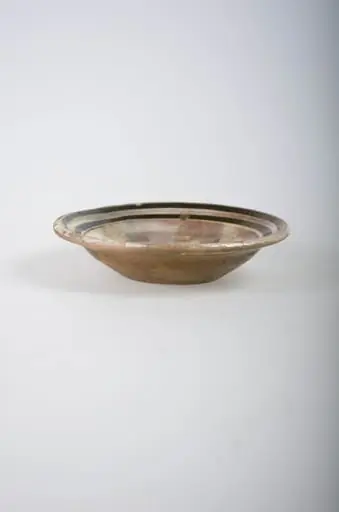 Blid de formă tronconică, smălțuit cu decor amplasat pe toată suprafața. Decor cu motive geometrice, circulare, în zona buzei și motive florale, plasate pe fundul vasului. Cromatică: fond: crem; decor: maro; verde; albastru.
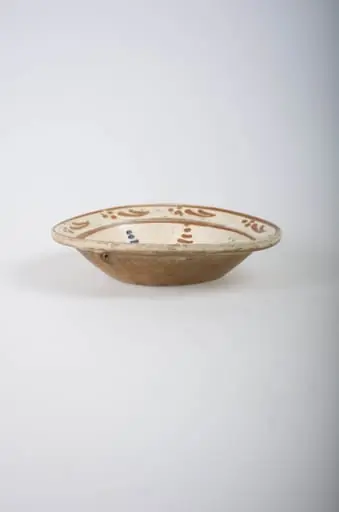 Blid de formă tronconică, smălțuit cu decor amplasat pe toată suprafața, format din motive astrale: stea și motive vegetale. Cromatica: fond: crem; decor: cărămiziu, albastru, verde.
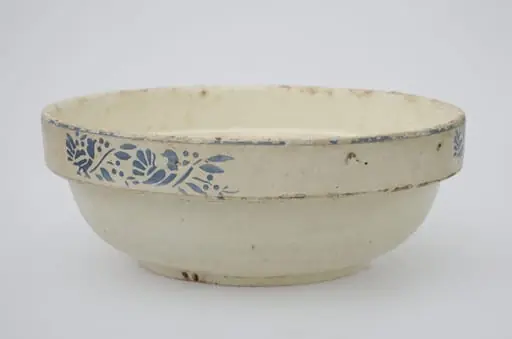 Strachină de lut de formă tronconică, cu buza ușor evazată, smălțuită în interior și la exterior. Decorată cu motive liniare, vegetale, florale și avimorfe (porumbel și porumbiță) motivele avimorfe se regăsesc pe exterior în trei registre, iar pe interior într-o casetă. Cromatică: fond: alb-bej: motive: albastru.
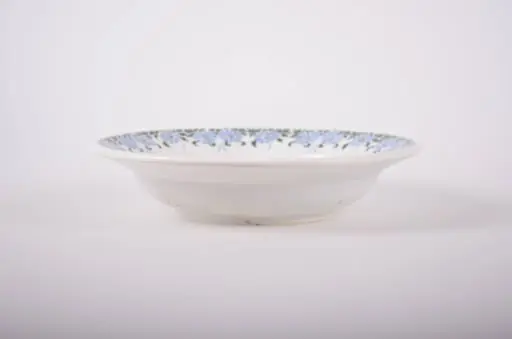 Farfurie de formă tronconică, adâncită; pe fund are găuri pentru agățare. Pe toată marginea este decorată cu motive florale, iar pe fund are trei cercuri concentrice. Cromatică: fond: alb; motive: albastru; verde.