Artwork
Farfurie de formă tronconică, de dimensiuni mai mici cu pereții ușor curbați și marginea evazată; Smălțuită în interior. Decorat cu motiv avimorf, central un cocoș, iar pe margine două cercuri încadrează un chenar floral. Cromatică: fond: alb; motive: verde; albastru; brun; negru.
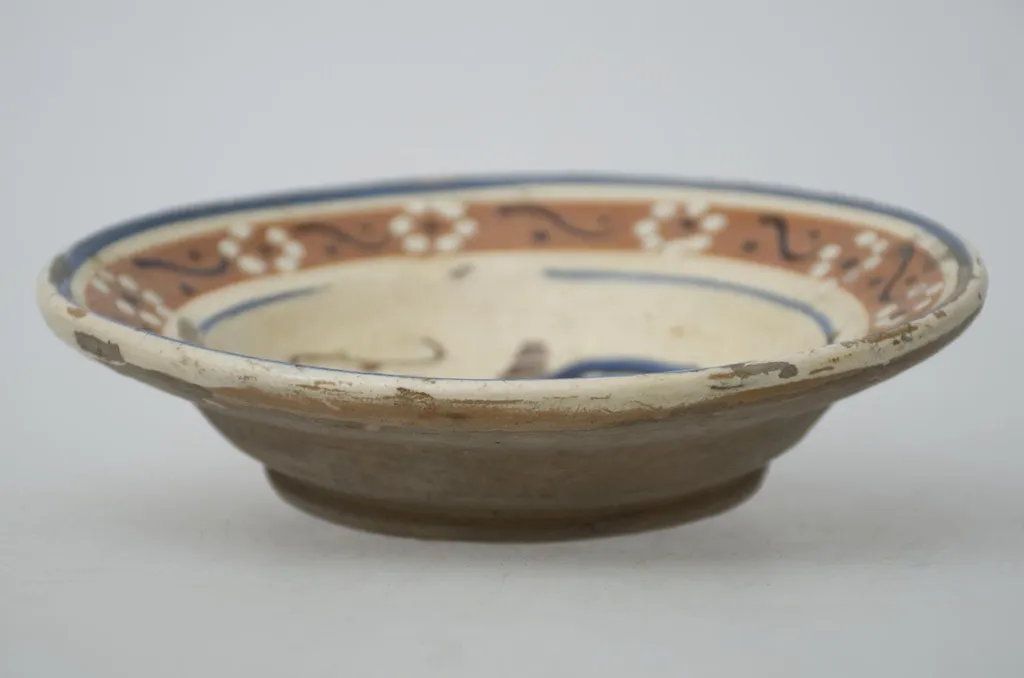
Farfurie de formă tronconică, de dimensiuni mai mici cu pereții ușor curbați și marginea evazată; Smălțuită în interior. Decorat cu motiv avimorf, central un cocoș, iar pe margine două cercuri încadrează un chenar floral. Cromatică: fond: alb; motive: verde; albastru; brun; negru. is a print by Unknown. It dates from 1850 and is held in the collection of the ASTRA National Museum Complex. A small, conical clay bowl with gently flared edges and a smooth, glazed interior.
About this work
Overview
The vessel’s form suggests utilitarian use, likely for storage or serving, while its painted motifs indicate symbolic or decorative intent.
A small, conical clay bowl with gently flared edges and a smooth, glazed interior. The exterior surface is unglazed and retains a muted brown tone, contrasting with the painted decoration inside the rim. The vessel’s form suggests utilitarian use, likely for storage or serving, while its painted motifs indicate symbolic or decorative intent. The overall size and construction point to a domestic or regional context rather than ceremonial grandeur.
Subject & Meaning
The central motif is a stylized rooster, rendered in outline against the white interior. Flanking it are two concentric circles enclosing a floral band in blue, green, and brown. The rooster, a recurring symbol in agrarian societies, may signify vigilance, fertility, or the passage of time. Its placement at the bowl’s heart suggests it held cultural significance, possibly linked to daily rituals or seasonal cycles, though no explicit religious context is evident.
Technique & Style
The vessel was formed from coiled clay and fired to a low temperature, then glazed internally for waterproofing. Decoration was applied with mineral pigments before firing, resulting in a palette of faded green, blue, brown, and black. The rooster is rendered with minimal detail, emphasizing silhouette over realism. The floral border follows a repetitive, rhythmic pattern, typical of folk traditions where motifs are passed down through generations rather than invented anew.
History & Provenance
The object likely originated in a rural settlement where pottery was made for household use. Its wear patterns and faded pigments suggest prolonged use before being discarded or buried. No documented excavation record exists, but its form and decoration align with ceramic traditions from the Balkans or Eastern Europe during the late medieval or early modern period. Its survival implies it was preserved as a fragment rather than a curated artifact.
Context
This bowl reflects a broader tradition of utilitarian ceramics adorned with symbolic animal and plant motifs in pre-industrial communities. Similar rooster imagery appears in folk art across Southeastern Europe, often associated with domestic life, protection, or the calendar. The use of limited pigments and repetitive patterns indicates local production, with materials sourced nearby and techniques learned through practice rather than formal training.
Legacy
Though not part of a major artistic movement, the bowl contributes to the understanding of everyday visual culture in historical rural societies. Its survival offers insight into how ordinary objects carried meaning beyond function. Modern collectors and scholars value it not for rarity, but as a quiet testament to the aesthetic choices of non-elite communities, preserving a voice often absent from formal art histories.
Artist & collection

 Domestic Scene
 Giacomo and Cardinal Marco, investing Andrea, Abbot of San Zeno, with his Benefice
 The Nymph of Fontainebleau
 Portrait of a Woman
 Madonna and Child with Saints in the Enclosed Garden
 Venus and Minerva
 Family Group of Four on Sofa
 Wall painting from Room H of the Villa of P. Fannius Synistor at Boscoreale
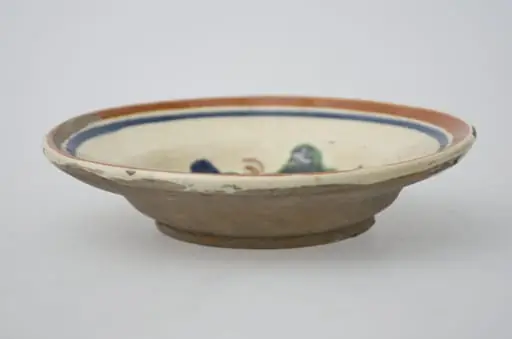 Farfurie tronconică, de dimensiuni mai mici cu pereții ușor curbați și marginea evazată. Prezintă un motiv central de tip floral; pe margine două cercuri colorate. Smălțuită numai în interior. Cromatică: fond: alb; motive; verde; albastru; brun; negru.
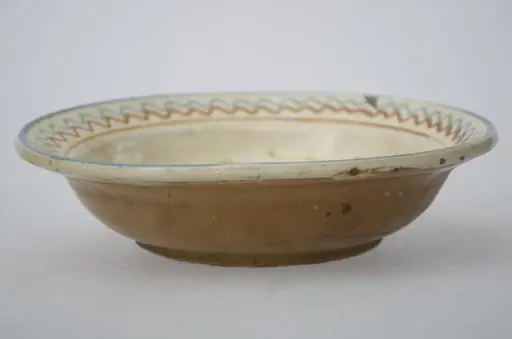 Farfurie de formă tronconică, mult adâncită cu marginile evazate. Smălțuită pe ambele fețe. Central decor floral cu "floarea soarelui" și "nu mă uita"; pe margine două cercuri ce încadrează două linii în val. Cromatică: fond: alb; motive: verde, albastru, bej, maro, brun, galben.
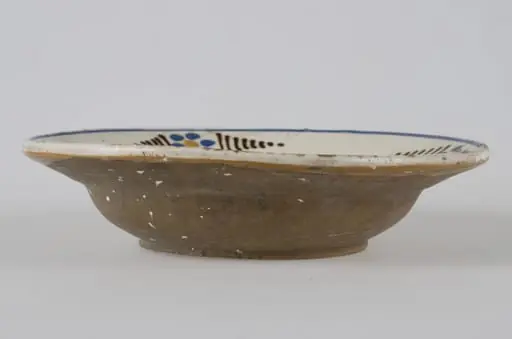 Vas adânc din lut, de formă tronconică, cu marginea evazată. Pe fundalul de culoare albă este decorat cu motive geometrice: linie circulară, linii curbe, puncte pe buza vasului; motive vegetale și florale, pe centrul vasului. Cromatică: fond: alb; motive: albastru; verde; maro; cărămiziu.
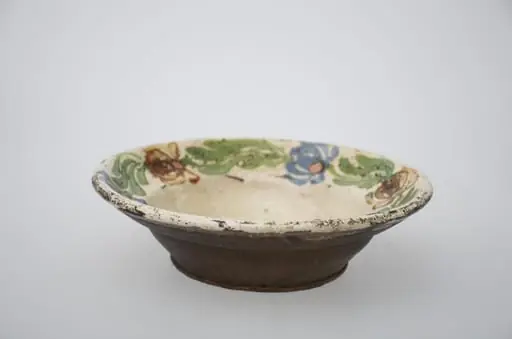 Farfurie de formă tronconică adâncă cu buza largă și decor pe fund, spre margini. Ornamentat cu motive florale. Cromatică: fond: alb; motive: maro; verde; albastru.
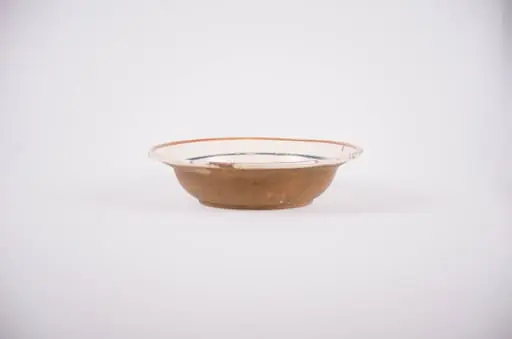 Farfurie de formă tronconică cu smalț in interior, Decorul este plasat astfel: central - floral; pe buză două linii circulare; decor geometric: cercuri. Cromatică: fond alb; motive: maro; verde; albastru.
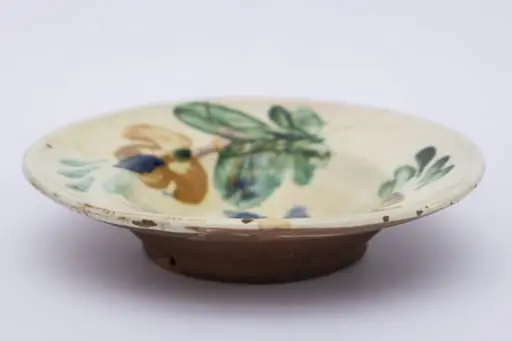 Farfurie de formă tronconică cu fundul adâncit și marginea evazată; smălțuită în interior. Ornament prin pictare ilustrând în plan central, pe fundul vasului, o floare albastră; pe margine chenar floral, reprezentat de două flori cărămizii cu frunze verzi. Pentru atârnare baza este perforată. Cromatică: fond: alb; motive: cărămiziu; verde; albastru; brun.
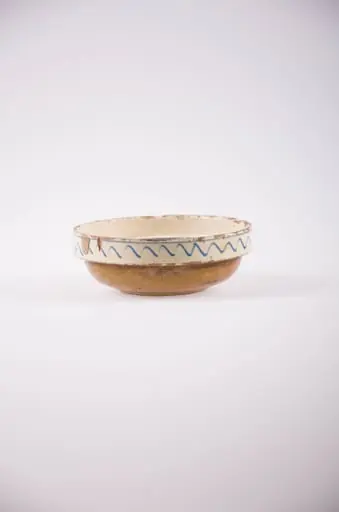 Vas de formă tronconică cu fundul ușor profilat, buza dreaptă și evazată. Smălțuit în interior și în exterior. Motiv ornamental central este floral. În exteriorul buzei avem motiv geometric în formă de val. Cromatică: fond: alb; motive: alb; verde; albastru; maro.
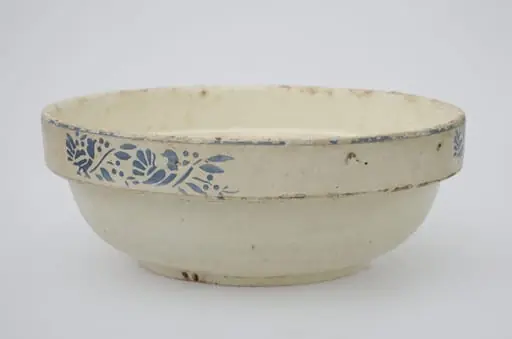 Strachină de lut de formă tronconică, cu buza ușor evazată, smălțuită în interior și la exterior. Decorată cu motive liniare, vegetale, florale și avimorfe (porumbel și porumbiță) motivele avimorfe se regăsesc pe exterior în trei registre, iar pe interior într-o casetă. Cromatică: fond: alb-bej: motive: albastru.
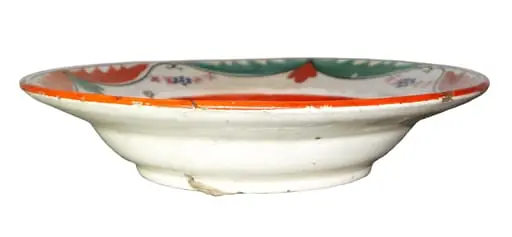 Obiectul are o formă tronconică cu baza mică în partea inferioară; pe spatele farfuriei se găsește o gaură pentru sfoara cu ajutorul căreia se atârnă pe perete. Piesa dispune de motive decorative vegetale, florale și geometrice realizate prin pictare, situate între două cercuri concentrice, unul la buza farfuriei, celălalt câțiva centrimetri mai jos; pe fundul farfuriei avem, de asemenea, motive decorative florale și vegetale. Motivele decorative (din partea superioară) reprezintă frunze, flori, "X"-uri și linii curbe asemănătoare acoladelor sau cârceilor de viță de vie, fiind pictate de jur-împrejurul suprafeței respective. Fundul farfuriei este decorat cu un trandafir mare cu frunze, plus alte două flori mai mici. Culoarea (fondul) piesei este albă iar pictura este realizată cu verde deschis, albastru, ocru, roz, galben și negru
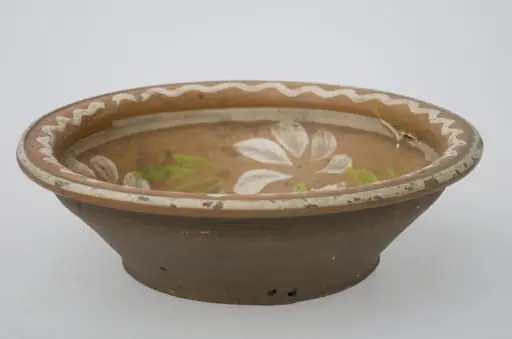 Vas adânc de formă tronconică, cu marginea bombată și evazată marcată de o linie în relief. Smălțuit numai în interior. Prezintă decor floral, iar pe margine două cercuri încadrează o linie frântâ. Cromatică: fond: cărămiziu; motive: alb, verde.