Artwork
Farfurie tronconică, de dimensiuni mai mici cu pereții ușor curbați și marginea evazată. Prezintă un motiv central de tip floral; pe margine două cercuri colorate. Smălțuită numai în interior. Cromatică: fond: alb; motive; verde; albastru; brun; negru.
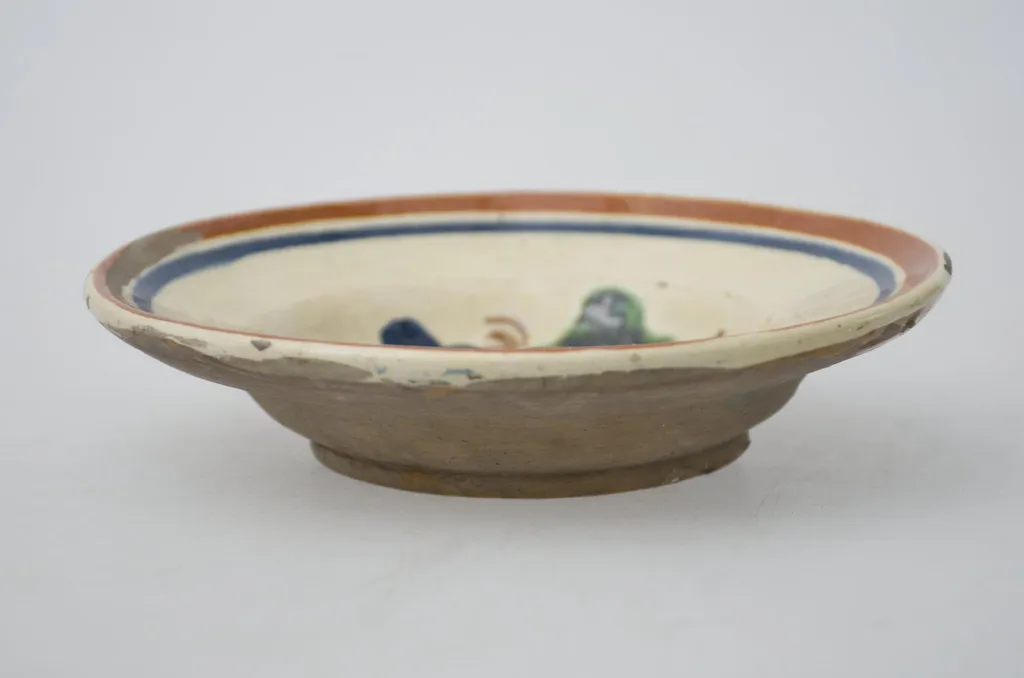
Farfurie tronconică, de dimensiuni mai mici cu pereții ușor curbați și marginea evazată. Prezintă un motiv central de tip floral; pe margine două cercuri colorate. Smălțuită numai în interior. Cromatică: fond: alb; motive; verde; albastru; brun; negru. is a photography by Unknown. It dates from 1850 and is held in the collection of the ASTRA National Museum Complex. The object is a shallow, conical bowl with gently curved walls and an evanescent rim.
About this work
Overview
The object is a shallow, conical bowl with gently curved walls and an evanescent rim. Its interior is coated in a white ground that bears a modest floral motif rendered in blue, green and brown. The rim is accented by two narrow colored bands, one blue and one reddish, forming a simple decorative border.
Subject & Meaning
The central design consists of a stylized flower, a common decorative element in folk pottery that often symbolizes fertility or seasonal cycles. The surrounding colored circles on the rim serve as a visual frame, emphasizing the central motif without adding narrative content.
Technique & Style
The bowl appears hand‑formed, evident in the slightly irregular edge and the uneven thickness of the walls. The interior glaze is applied only to the inner surface, leaving the exterior unglazed. Pigments in green, blue, brown and black are applied over the white base, showing signs of wear and fading from use.
History & Provenance
The piece is typical of utilitarian painted ceramics produced in rural workshops, where local materials and traditional motifs were employed. Its worn brown base and faded interior suggest prolonged functional use before entering a collection.
Context
Such shallow bowls were commonly used for serving food or liquids in domestic settings, often passed down through generations. The decorative scheme aligns with regional folk aesthetics that favored modest, geometric embellishments combined with natural motifs.
Artist & collection

 Domestic Scene
 Giacomo and Cardinal Marco, investing Andrea, Abbot of San Zeno, with his Benefice
 The Nymph of Fontainebleau
 Portrait of a Woman
 Madonna and Child with Saints in the Enclosed Garden
 Venus and Minerva
 Family Group of Four on Sofa
 Wall painting from Room H of the Villa of P. Fannius Synistor at Boscoreale
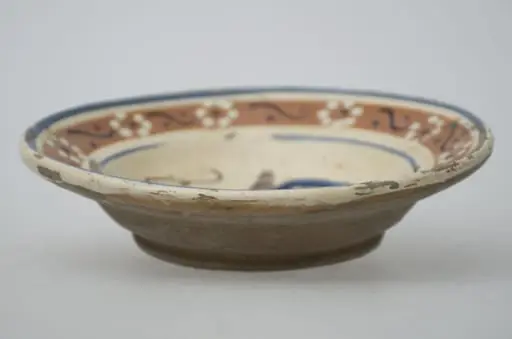 Farfurie de formă tronconică, de dimensiuni mai mici cu pereții ușor curbați și marginea evazată; Smălțuită în interior. Decorat cu motiv avimorf, central un cocoș, iar pe margine două cercuri încadrează un chenar floral. Cromatică: fond: alb; motive: verde; albastru; brun; negru.
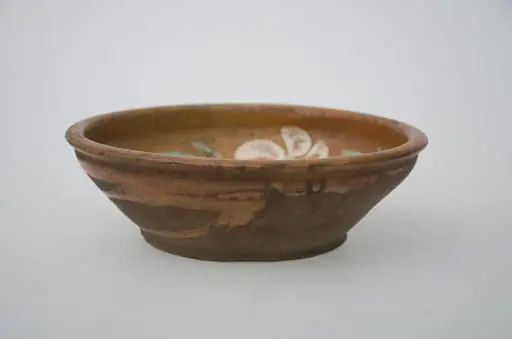 Blid de formă tronconică, smălțuit în interior cu buza larg rasfrântă. Prezintă decor floral fundul șu corpul vasului. Cromatică: fond: maro; motive: alb; verde; albastru.
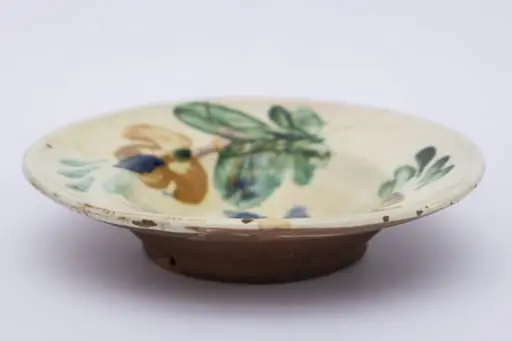 Farfurie de formă tronconică cu fundul adâncit și marginea evazată; smălțuită în interior. Ornament prin pictare ilustrând în plan central, pe fundul vasului, o floare albastră; pe margine chenar floral, reprezentat de două flori cărămizii cu frunze verzi. Pentru atârnare baza este perforată. Cromatică: fond: alb; motive: cărămiziu; verde; albastru; brun.
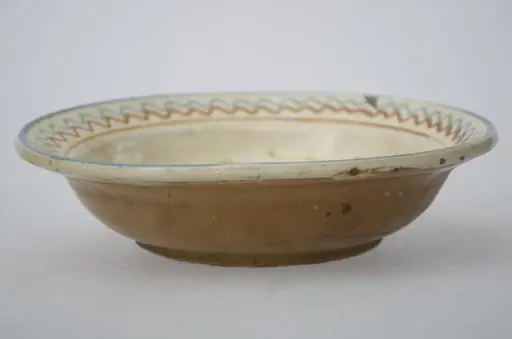 Farfurie de formă tronconică, mult adâncită cu marginile evazate. Smălțuită pe ambele fețe. Central decor floral cu "floarea soarelui" și "nu mă uita"; pe margine două cercuri ce încadrează două linii în val. Cromatică: fond: alb; motive: verde, albastru, bej, maro, brun, galben.
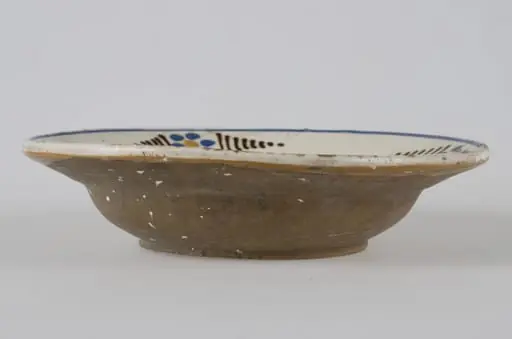 Vas adânc din lut, de formă tronconică, cu marginea evazată. Pe fundalul de culoare albă este decorat cu motive geometrice: linie circulară, linii curbe, puncte pe buza vasului; motive vegetale și florale, pe centrul vasului. Cromatică: fond: alb; motive: albastru; verde; maro; cărămiziu.
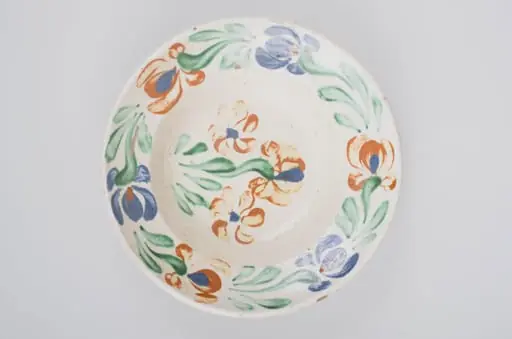 Farfurie cu fundul adâncit și buza evazată. Smălțuită numai în interior și scurgeri de smalț sub buză. Prezintă găuri pentru prinderea aței în vederea agățării. Decorată cu motive florale: central are trei flori iar pe margine un chenar floral. Cromatică: fond: alb; motive: maro; verde; albastru.
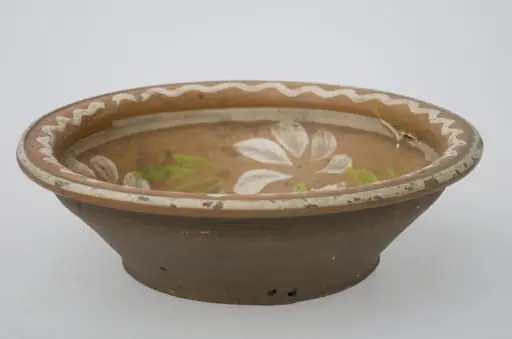 Vas adânc de formă tronconică, cu marginea bombată și evazată marcată de o linie în relief. Smălțuit numai în interior. Prezintă decor floral, iar pe margine două cercuri încadrează o linie frântâ. Cromatică: fond: cărămiziu; motive: alb, verde.
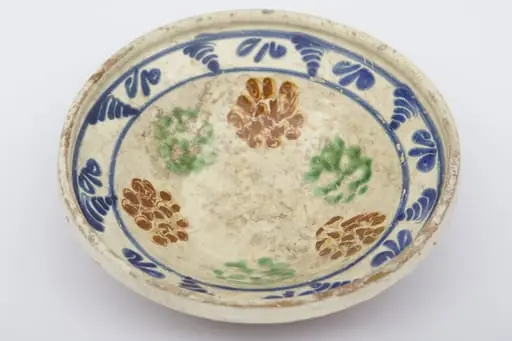 Vas ceramic de dimensiuni medii, smălțuit la interior, având formă tronconică. Blidul a fost decorat cu motive geometrizante și fitomorfe stilizate. Primul registru, dispus pe fundul piesei este format din șase flori verzi și maro, intercalate. Marginal, pe buza profilată a fost realizat cel de-al doilea registru, fiind trasate două linii circulare, care încadrează motive vegetale albastre, succesive. Blidul era folosit pentru servirea hranei. Prezintă uzură funcțională. Cromatică: fond: cărămiziu; crem; motive: albastru; maro; verde.
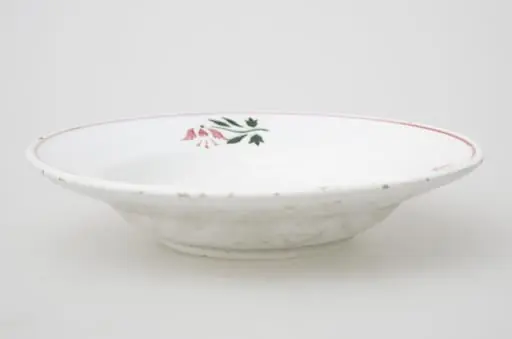 Farfurie din porțelan tronconică, de uz casnic, întrebuințată în gospodărie la decorarea pereților casei. Formă circulară, adâncită; În interioriul vasului se identifică un decor fitomorf; motive vegetale și florale și decor geometric. Decorul este dispus pe margine și în centru: are trei flori pe margine, ce sunt marginite de un cerc roșu; în centru este decorat cu trei flori. Pe fund prezintă găuri pentru agățare și o ștanță cu inscripția: HOLLOHAZA. Cromatică: fond alb; motive: verde, roșu.
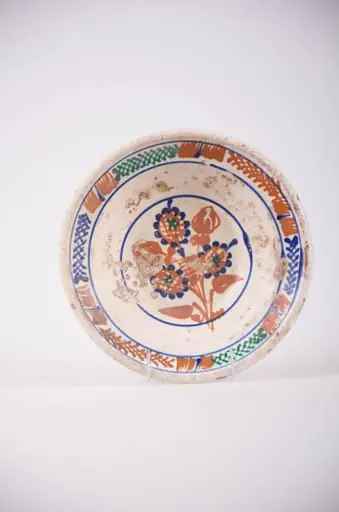 Farfurie de formă tronconică cu deschidere mare. Smălțuit în interior și ornamentat cu motive geometrice: cercuri; motive florale, pete de culoare și motiv vegetal: brăduț. Motivul floral se află pe fundul vasului și este înscris într-un cerc. Motivele vegetale și petele de culoare sunt amplasate pe marginea farfuriei și sunt încadrate de două cercuri. Cromatică: fond: alb; motive: maro; verde; albastru.