Artwork
Farfurie de formă tronconică, ușor adâncită. Există două registre ornamentale, unul plasat de jur împrejurul buzei cu motive florale. Al doilea registru plasat în centru tot cu motive florale. Smălțuită. Cromatică: fond: alb; motive: albastru; verde; roșu; galben.
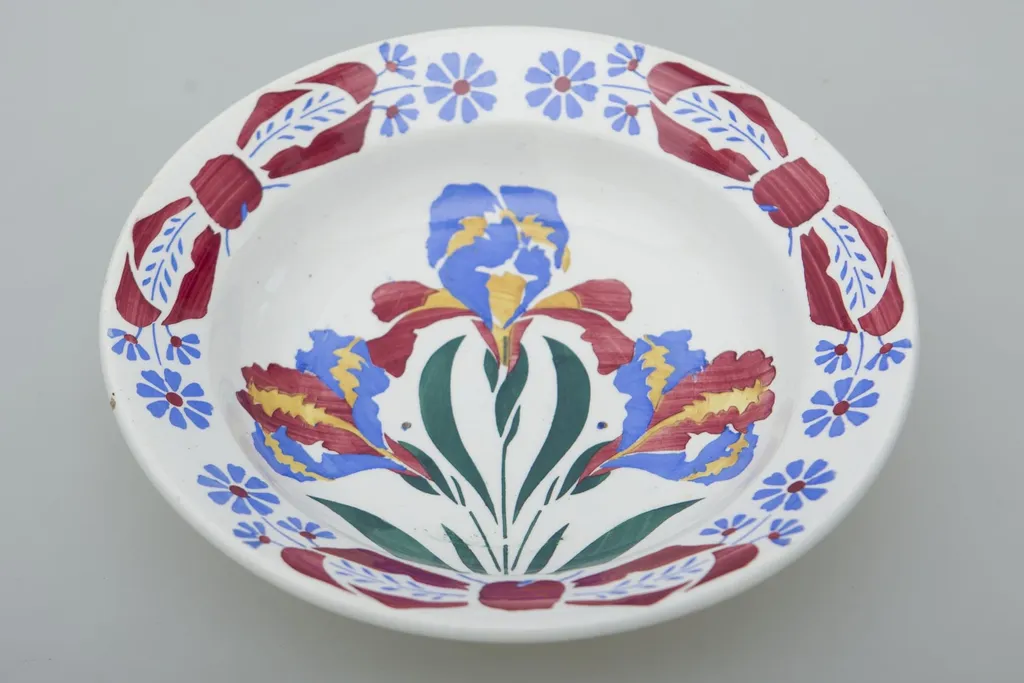
Farfurie de formă tronconică, ușor adâncită. Există două registre ornamentale, unul plasat de jur împrejurul buzei cu motive florale. Al doilea registru plasat în centru tot cu motive florale. Smălțuită. Cromatică: fond: alb; motive: albastru; verde; roșu; galben. is an unspecified painting by Unknown. It dates from 1850 and is held in the collection of the ASTRA National Museum Complex.
About this work
Overview
A shallow, conical ceramic bowl with a slightly indented interior, this piece is coated in a white glaze and decorated with two horizontal bands of floral motifs. The design is symmetrical and non-naturalistic, using flat areas of color without shading or depth. The palette includes blue, green, red, and yellow, contrasting sharply against the pale ground.
Subject & Meaning
Floral patterns dominate the decoration, arranged in two distinct registers: one encircling the rim and another centered on the base. The motifs are stylized, not botanically accurate, suggesting symbolic or decorative intent rather than naturalistic representation. Flowers may signify abundance, seasonal cycles, or cultural ideals of beauty, common in ceramic traditions across regions.
Technique & Style
The vessel is glazed and painted with bold, unmodulated colors applied in simple outlines and solid fills. There is no attempt at perspective, shadow, or realism. The brushwork is deliberate and economical, emphasizing clarity and repetition. The composition relies on balance and contrast, with bright hues standing out against the white background.
History & Provenance
Though specific origin and date are not documented, the form and decoration align with ceramic traditions from regions where glazed earthenware flourished between the medieval and early modern periods. Similar vessels appear in Eastern European and Near Eastern archaeological contexts, often associated with domestic or ceremonial use.
Context
This bowl reflects a widespread aesthetic in pre-industrial ceramics where floral ornamentation served both decorative and cultural functions. Its simplicity and repetition suggest mass production or standardized design, possibly for everyday use. The use of limited colors indicates accessible pigments and a focus on visual impact over technical complexity.
Legacy
The piece exemplifies how floral motifs were adapted across cultures into utilitarian objects, preserving symbolic meaning through repetition and stylization. Its enduring visual clarity highlights a shared human tendency to adorn functional items with nature-inspired patterns, independent of realistic representation.
Artist & collection

 Domestic Scene
 Giacomo and Cardinal Marco, investing Andrea, Abbot of San Zeno, with his Benefice
 The Nymph of Fontainebleau
 Portrait of a Woman
 Madonna and Child with Saints in the Enclosed Garden
 Venus and Minerva
 Family Group of Four on Sofa
 Wall painting from Room H of the Villa of P. Fannius Synistor at Boscoreale
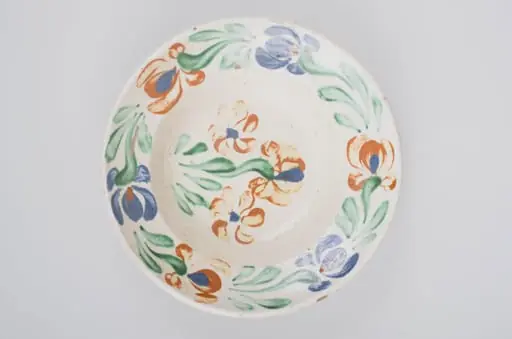 Farfurie cu fundul adâncit și buza evazată. Smălțuită numai în interior și scurgeri de smalț sub buză. Prezintă găuri pentru prinderea aței în vederea agățării. Decorată cu motive florale: central are trei flori iar pe margine un chenar floral. Cromatică: fond: alb; motive: maro; verde; albastru.
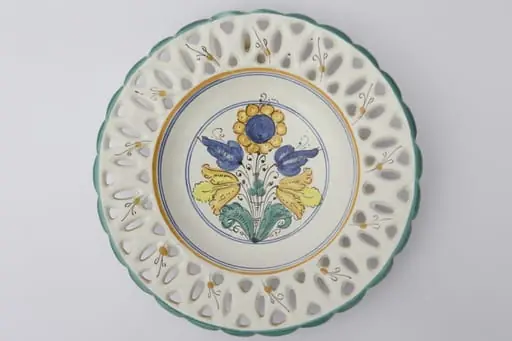 Farfurie ornamentală ce prezintă găurele între buză și partea adâncită obținute prin ștanțare. Buza este vălurită și prezintă un contur de culoare verde. Registrul central are motive florale și geometrice: cercuri galbene și albastre ce încadrează motivele florale. La posterior, baza inelară perforată pentru atârnare. Cromatică: fond: alb; motive: verde; galben; albastru; negru.
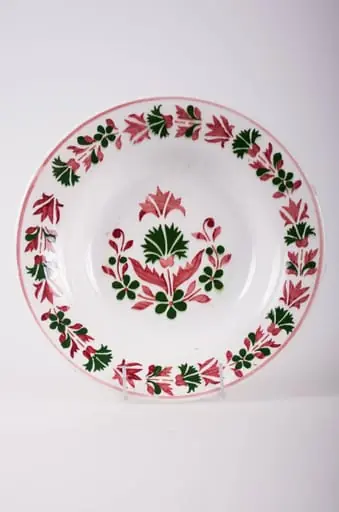 Farfurie de formă tronconică, adâncită; pe fund are găuri pentru agățare, Este decorată cu motive florale și geometrice; pe margine este decorat cu flori încadrate la exterior de o linie; în centru are mai multe flori. Pe fund are o marcă indescifrabilă. Cromatică: fond: alb; motive: vișiniu; verde.
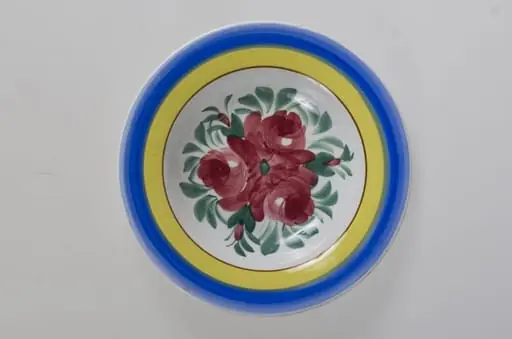 Farfurie de formă tronconică, adâncită; motive florale în centru (trandafiri); pe margine este decorat cu trei cercuri concentrice. Pe fund este o ștanță: o casă cu o pasăre pe acoperiș cu inscripție deasupra: ”MAGYAR” și dedesubt: ”1971” și un cuvânt indescifrabil. Pe fundul vasului sunt două incizii în care este introdus un șnur folosit la agățarea vasului pe perete. Vasul este smălțuit interior-exterior. Decor obținut prin pictare. Cromatică: fond: alb, motive: roșu; verde; albastru; galben.
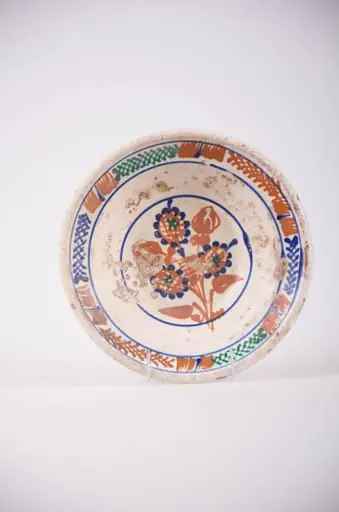 Farfurie de formă tronconică cu deschidere mare. Smălțuit în interior și ornamentat cu motive geometrice: cercuri; motive florale, pete de culoare și motiv vegetal: brăduț. Motivul floral se află pe fundul vasului și este înscris într-un cerc. Motivele vegetale și petele de culoare sunt amplasate pe marginea farfuriei și sunt încadrate de două cercuri. Cromatică: fond: alb; motive: maro; verde; albastru.
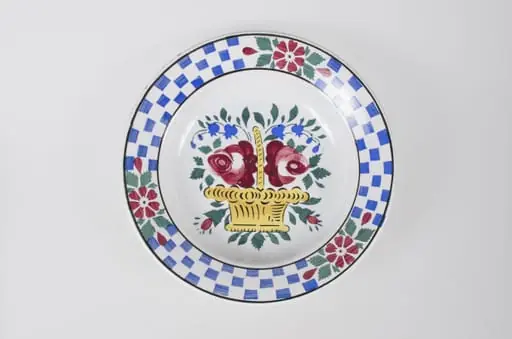 Vas de formă tronconică, adâncă. Pe fundul farfuriei se află un ornament format din: un coș de flori (trandafiri și clopoței). Pe marginea farfuriei între două cercuri concentrice apar trei flori despărțite de trei registre în formă de tablă de șah realizate din dreptunghiuri albastre. Cromatică: fond: alb; motive: galben; roșu; verde; albastru; negru.
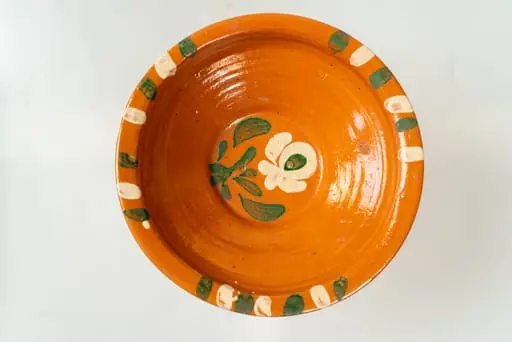 Farfurie adâncă, corpul de formă tronconică, cu buză îngustă, răsfrântă. Piesa este modelată la roata olarului, nefiind angobată. Decorul este realizat prin pictare cu pensula și constă în motive decorative florale (o floare cu frunze), dispuse central, pe fundul farfuriei și motive geometrice (linii groase, paralele), dispuse în trei registre, pe buza acesteia. Cromatica decorului: alb, verde. Farfuria este smălțuită pe interior, cu smalț transparent.