Artwork
Grapes
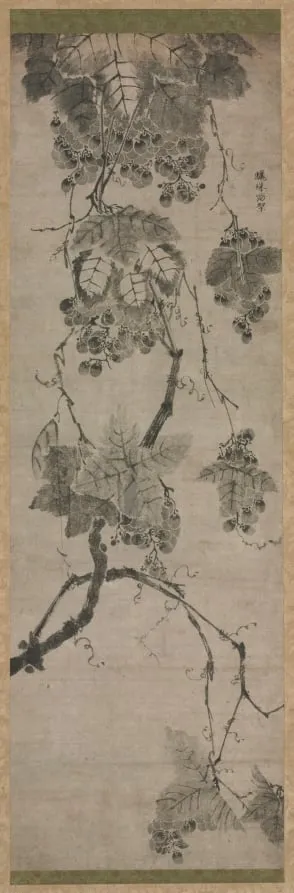
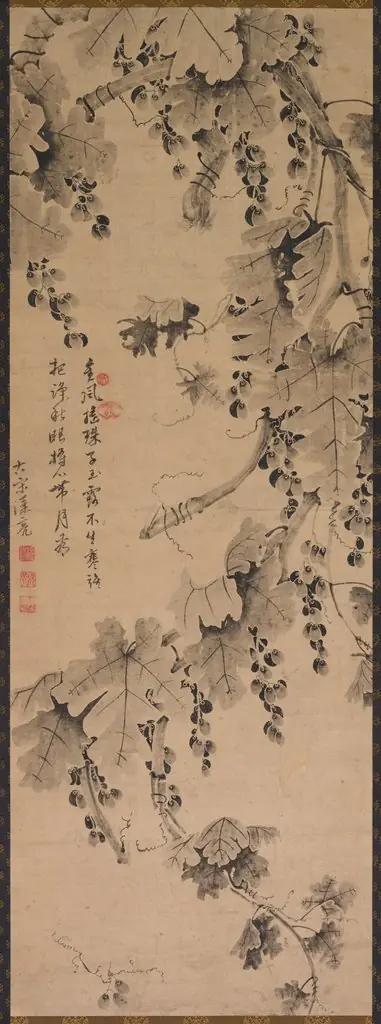
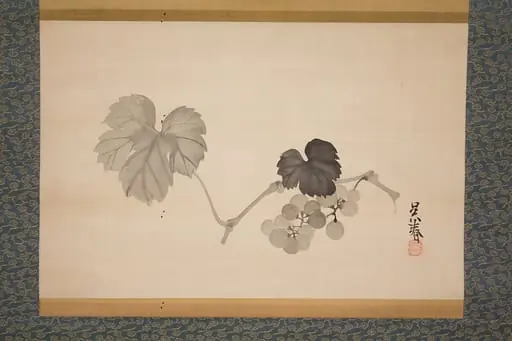
Grapes is an unspecified painting by the Baroque artist Unknown. It dates from 1742 and is held in the collection of the Cleveland Museum of Art.
About this work
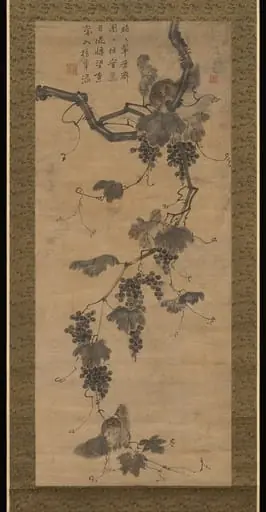
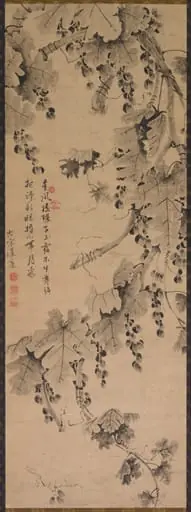
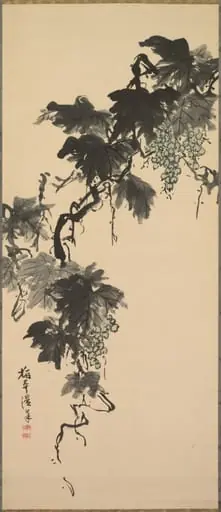
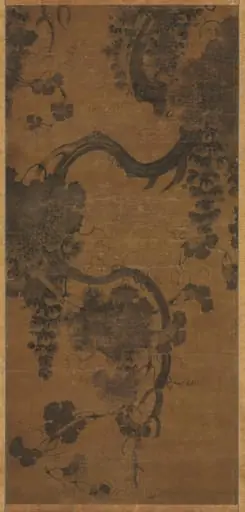
You see a single bunch of grapes on a plain background, painted with tiny brushstrokes that make the fruit look almost real.
You see a single bunch of grapes on a plain background, painted with tiny brushstrokes that make the fruit look almost real.
This painting comes from Japan’s Edo period, when artists often worked in small formats for private collectors. The grapes aren’t idealized—they’re slightly uneven, with one leaf curling at the edge. It’s a quiet study, not a grand statement.
To see more work from this time, look up the subject japan, edo period (1615–1868).
Overview
This small-scale painting depicts a single bunch of grapes rendered with meticulous detail on a plain background. Created during Japan’s Edo period, it reflects the era’s preference for intimate, private artworks rather than large public commissions. The composition is restrained, emphasizing observation over symbolism, and the size suggests it was meant for personal contemplation in domestic settings.
Subject & Meaning
The grapes are portrayed without idealization—irregular in shape, with a single leaf curled at the edge. This unembellished realism suggests a quiet appreciation for natural imperfection, aligning with Edo-period aesthetics that valued subtlety and direct observation. The subject holds no overt narrative or religious meaning; instead, it invites attention to the quiet dignity of ordinary things.
Technique & Style
The artist used fine brushwork to build the grapes’ surface through layered, delicate strokes, creating a convincing sense of texture and light. The background is left unadorned, focusing all attention on the fruit. This approach reflects the influence of naturalist traditions in Edo painting, where precision and restraint replaced dramatic flourish in favor of quiet authenticity.
History & Provenance
The painting originates from the Edo period (1615–1868), a time when urban merchants and private collectors commissioned small-format works for personal collections. Artists often specialized in still-life subjects like fruit, flowers, or insects, valued for their technical skill and meditative quality. This piece likely passed through private hands before entering institutional care.
Context
During the Edo period, Japan’s isolation and stable social order fostered a flourishing of secular art. Artists turned to nature for inspiration, producing intimate studies that reflected a cultivated sensitivity to detail. Such works were displayed in alcoves or scroll formats, meant for close viewing rather than public display, embodying a culture of quiet connoisseurship.
Legacy
This painting exemplifies a tradition of Japanese naturalism that influenced later generations of artists and collectors. Its emphasis on modest subject matter and technical precision helped define a distinctly Japanese approach to still life, distinct from Western traditions. Today, it stands as a quiet testament to the artistic values of its time.
Artist & collection

 Domestic Scene
 Giacomo and Cardinal Marco, investing Andrea, Abbot of San Zeno, with his Benefice
 The Nymph of Fontainebleau
 Portrait of a Woman
 Madonna and Child with Saints in the Enclosed Garden
 Venus and Minerva
 Family Group of Four on Sofa
 Wall painting from Room H of the Villa of P. Fannius Synistor at Boscoreale