Artwork
Joseph and Child (recto); Fragment of Two Figures (verso)
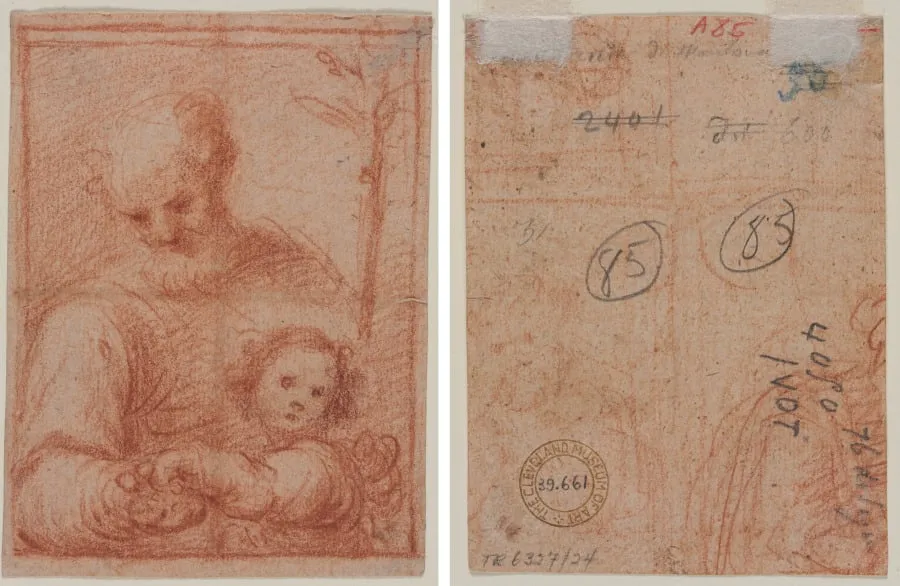
Joseph and Child (recto); Fragment of Two Figures (verso) is a drawing by the Renaissance artist Unknown. It dates from 1550 and is held in the collection of the Cleveland Museum of Art. This double-sided drawing features a tender depiction of a man and child on the front, with a separate study of two figures on the reverse.
About this work
Overview
This double-sided drawing features a tender depiction of a man and child on the front, with a separate study of two figures on the reverse.
This double-sided drawing features a tender depiction of a man and child on the front, with a separate study of two figures on the reverse. Executed in a Renaissance-influenced manner, the work employs subtle modeling and a restrained palette to emphasize emotional intimacy. The absence of a detailed background directs focus to the physical and psychological connection between the figures. Its dual-sided format suggests it may have been a preparatory sketch or a reused support, common in early modern artistic practice.
Subject & Meaning
The recto likely portrays Joseph cradling the infant Jesus, a subject rooted in devotional imagery of the Holy Family. The gentle posture and tender gaze between the figures convey quiet affection rather than grandeur, reflecting a humanized interpretation of sacred themes. The child’s upward look suggests curiosity or recognition, reinforcing a narrative of care and continuity. The absence of traditional iconographic symbols invites a more personal, contemplative reading of the scene.
Technique & Style
The drawing uses soft chalk or charcoal with delicate hatching to model form, creating volume through subtle gradations of tone. Lines are rounded and fluid, avoiding sharp contours, which enhances the sense of warmth and tenderness. The muted earth tones—ochres, umbers, and grays—contribute to a restrained, intimate atmosphere. The verso’s fragmentary figures indicate the artist’s practice of reusing materials, common among draftsmen working under resource constraints.
History & Provenance
The drawing entered the collection of the Cleveland Museum of Art with no documented prior ownership history prior to the 20th century. Its anonymous authorship and lack of signature or inscription suggest it was not intended for public display but rather as a private study or workshop exercise. The condition and material indicate it was preserved as a working drawing, possibly from a southern European atelier in the late 15th or early 16th century.
Context
Created during a period when devotional imagery was increasingly rendered with emotional realism, this drawing aligns with trends in Italian and Flemish workshops that prioritized human expression over symbolic grandeur. The reuse of the support reflects the economic realities of artistic production, where parchment or paper was often repurposed. Similar studies survive in collections from Tuscany and the Veneto, pointing to a broader practice among lesser-known draftsmen.
Legacy
Though unsigned and unattributed, the drawing contributes to understanding the informal, experimental side of Renaissance draftsmanship. Its quiet intimacy offers insight into how sacred subjects were internalized and rendered by artists beyond the most celebrated names. Preserved in a major public collection, it serves as a quiet testament to the everyday labor behind religious imagery, valued for its sincerity rather than its fame.
Artist & collection

 Domestic Scene
 Giacomo and Cardinal Marco, investing Andrea, Abbot of San Zeno, with his Benefice
 The Nymph of Fontainebleau
 Portrait of a Woman
 Madonna and Child with Saints in the Enclosed Garden
 Venus and Minerva
 Family Group of Four on Sofa
 Wall painting from Room H of the Villa of P. Fannius Synistor at Boscoreale
 The Transfiguration (recto); Study of Hands (verso)
 Extreme Unction (recto); Three Heads and Other Sketches (verso)
 Study of Heads (recto); Crenelated Fortress (verso)
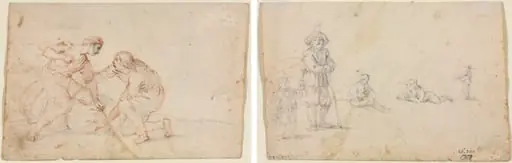 Two Men Tying a Bundle (recto) Five Figure Studies (verso)
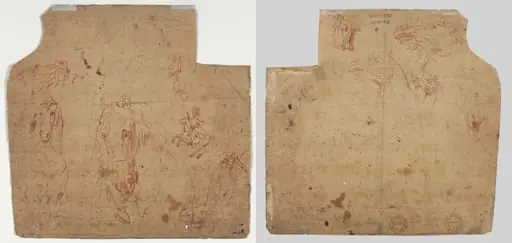 Sketches of Horses and Riders (recto); Sketches of Horses (verso)
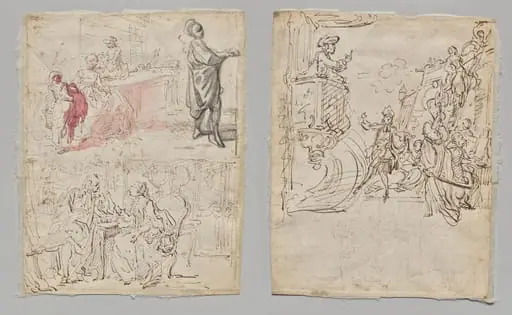 Theatre Scene (recto); Lingerie Boutique and Conversation (verso)
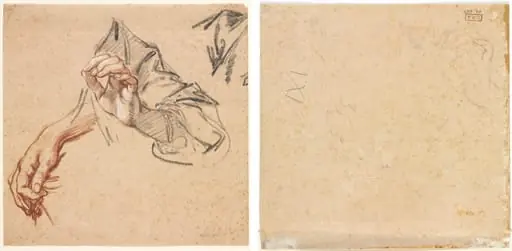 Study of Hands (recto); Sketch of a Hand (verso)