Artwork
Love in a Village
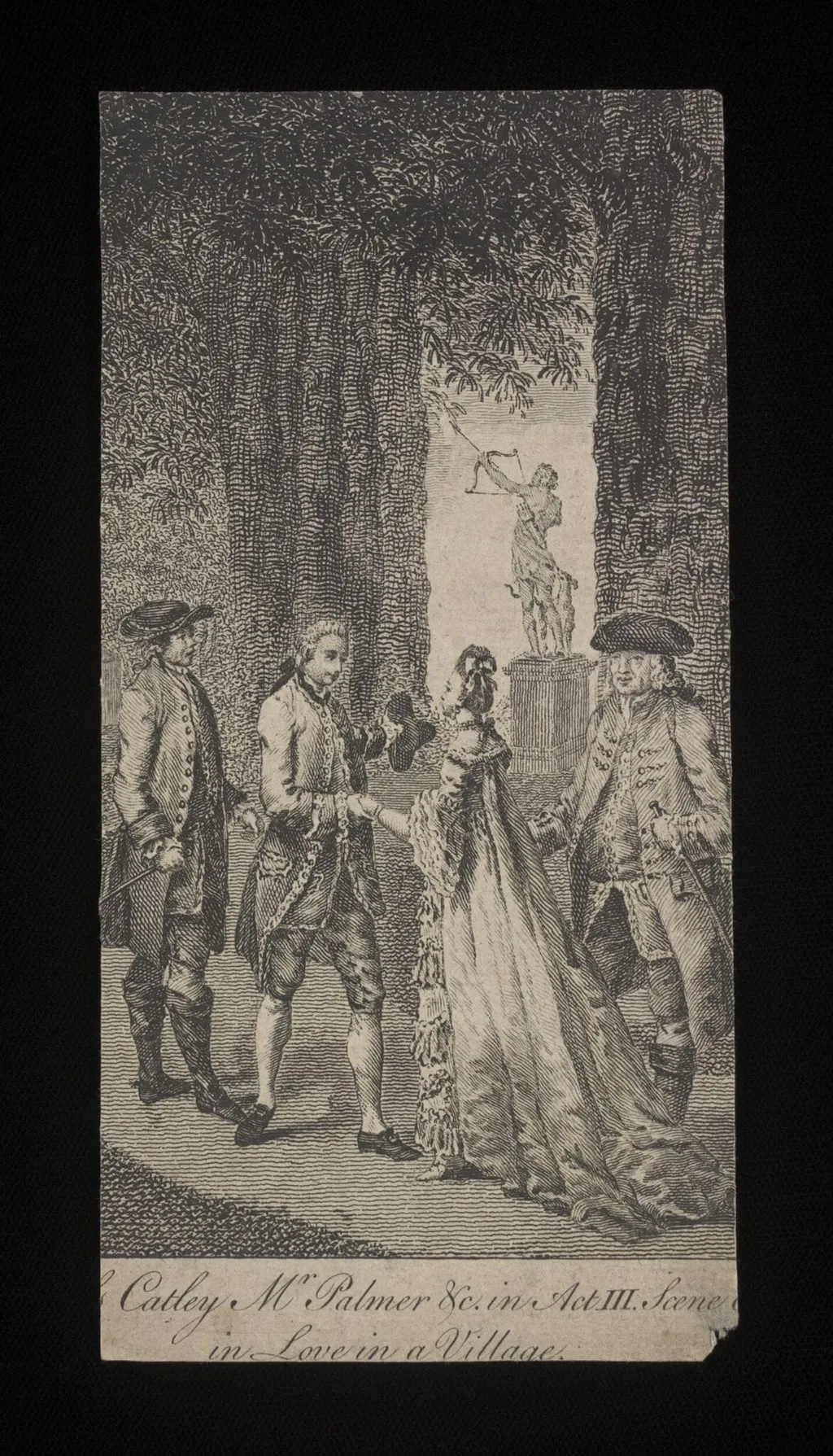
Love in a Village is a print by Unknown. It dates from 1750 and is held in the collection of the Victoria and Albert Museum.
About this work
This painting shows a scene from a story.
It's a print from the late 18th century. The story it's from, "Love in a Village", is a play.
The print is part of the Harry Beard Collection, which suggests it was collected for its interest in theater scenes.
You can find more prints like this one by learning about the technique of chiaroscuro.
Overview
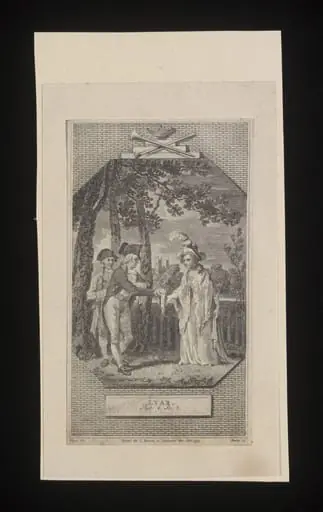
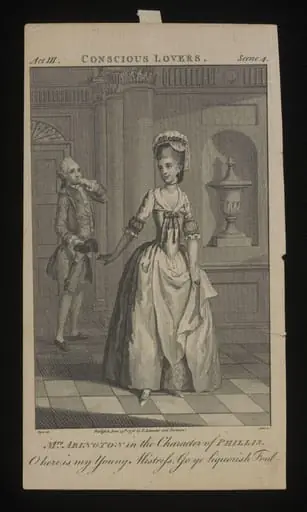
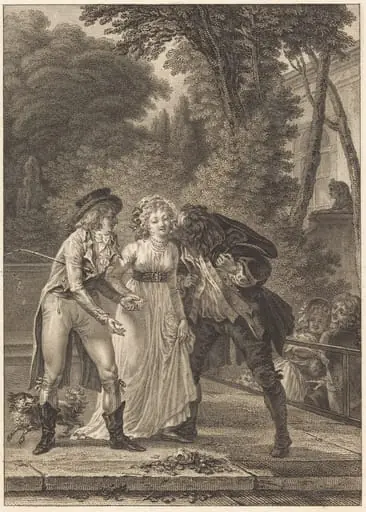
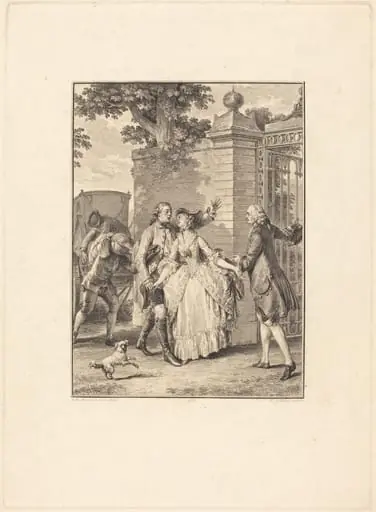
This late 18th-century print captures a moment from the comic opera Love in a Village, a popular theatrical work of the period. Produced as a reproductive print, it was likely intended for domestic display among theater enthusiasts. Part of the Harry Beard Collection, it reflects a broader 18th-century interest in preserving visual records of stage performances for private appreciation.
Subject & Meaning
Rather than depicting grand drama, the print emphasizes domestic intimacy and social nuance, aligning with the opera’s gentle satire of class and courtship.
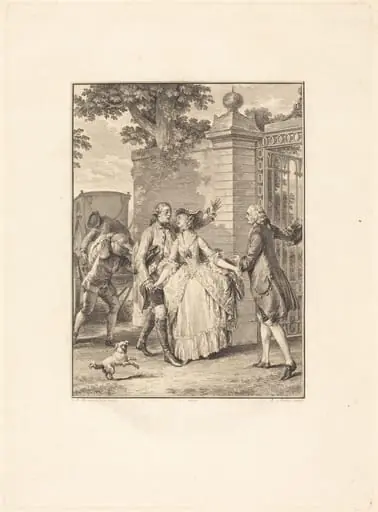
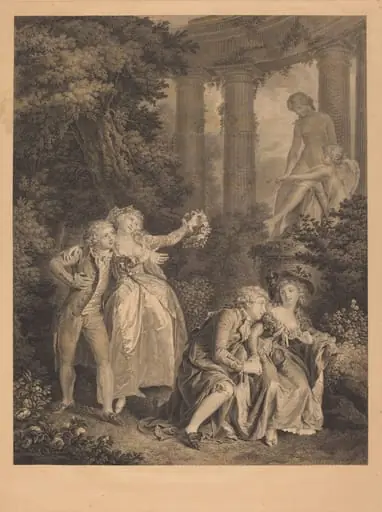
The scene illustrates a moment from the opera’s plot, which centers on romantic entanglements among rural characters of varying social standings. Rather than depicting grand drama, the print emphasizes domestic intimacy and social nuance, aligning with the opera’s gentle satire of class and courtship. Its focus on everyday gestures suggests an appeal to middle-class audiences seeking relatable narratives.
Technique & Style
Rendered in a linear, tonal style typical of reproductive prints of the era, the image relies on fine engraving to define figures and setting. While not using chiaroscuro in the Baroque sense, it employs subtle gradations of line and shading to suggest depth and volume. The composition is carefully framed to mimic theatrical staging, reinforcing its connection to live performance.
History & Provenance
The print belongs to the Harry Beard Collection, assembled by a 19th-century theater historian and collector who sought to document British stage history through visual materials. Its inclusion in this collection indicates its value as a record of performance practice rather than as fine art. The print’s survival reflects early efforts to archive ephemeral theatrical culture.
Context
Love in a Village, first performed in 1762, was one of the most enduring English comic operas of the century, blending pastoral themes with social commentary. Prints like this one circulated widely, allowing audiences who could not attend performances to engage with the story. Such images helped bridge the gap between elite theater and popular culture in Georgian Britain.
Legacy
As part of the Beard Collection, this print contributes to the historical record of 18th-century British theater, offering insight into how performances were visualized and remembered. Though not widely known today, such works were instrumental in shaping public engagement with drama. They remain valuable resources for scholars studying the material culture of performance.
Artist & collection

 Domestic Scene
 Giacomo and Cardinal Marco, investing Andrea, Abbot of San Zeno, with his Benefice
 The Nymph of Fontainebleau
 Portrait of a Woman
 Madonna and Child with Saints in the Enclosed Garden
 Venus and Minerva
 Family Group of Four on Sofa
 Wall painting from Room H of the Villa of P. Fannius Synistor at Boscoreale