Artwork
Mântuitorul Iisus Hristos, fiind răstignit pe Cruce, având în dreapta pe Maica Domnului Îndurerată și în stânga pe ucenicul cel iubit Sfântul Apostol și Evanghelist Ioan. Mântuitorul Iisus Hristos Răstignit pe Cruce are o țesătură verde-forest în jurul mijlocului și a coapselor. Crucea este orange. În registrul superior sunt elementele astrale: Soarele și Luna. Fondul icoanei este cerul albastru ultramarin bleumarin întunecat de noapte și tristețe și galben-solar în spatele Crucii, prefigurând Lumina Învierii Domnului Iisus Hristos. Cerul este bogat ornamentat cu elemente astrale - soarele și luna, stilizate floral. În spațiul inferior, este un câmp galben solar de lumină. Cromatica este armonioasă: roșu vermillon, orange, albastru ultramarin bleumarin, gri antracit, galben solar, brun, crem, bej, bronziu, alb, negru. Icoana este din Nordul Transilvaniei, Nicula.
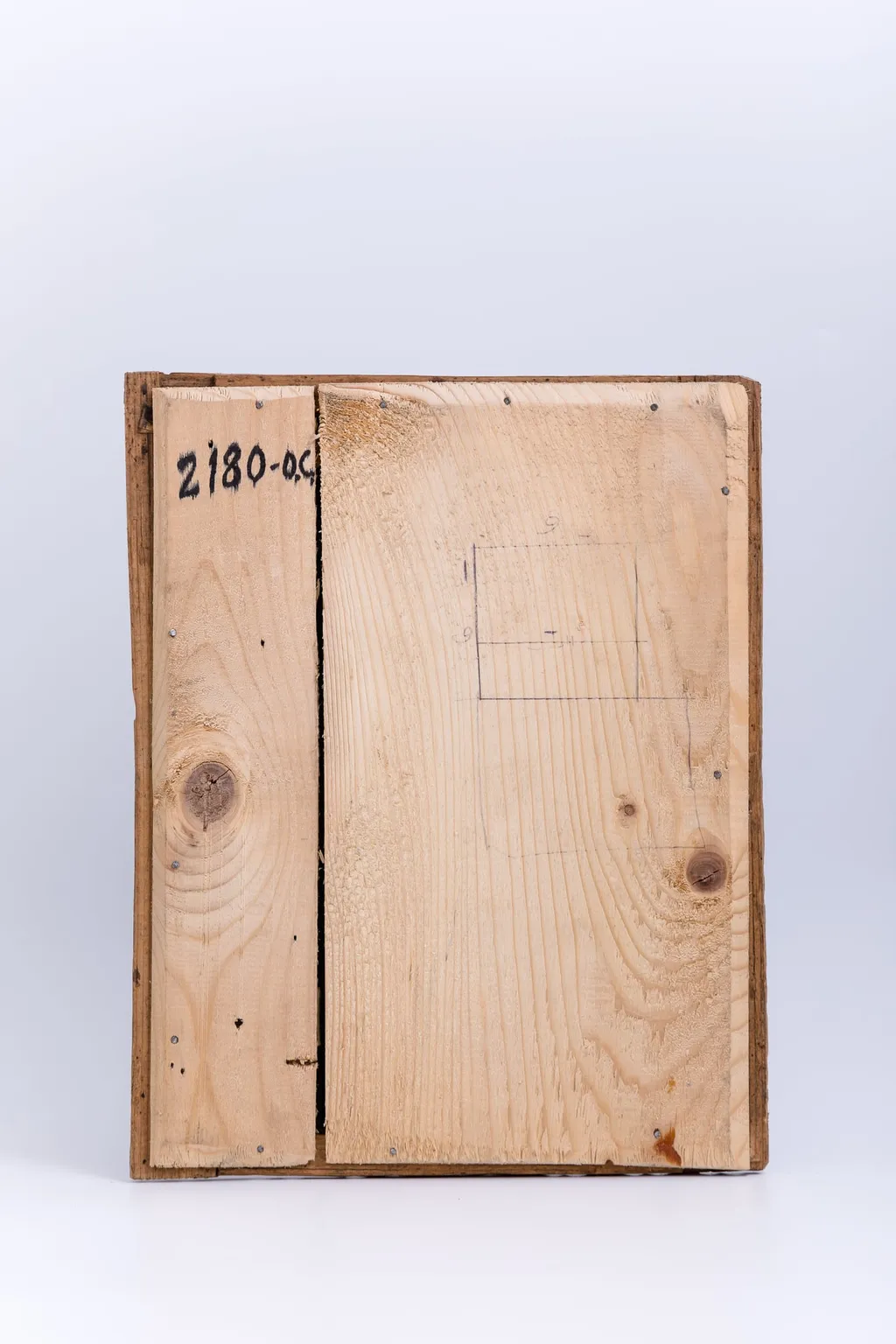
Mântuitorul Iisus Hristos, fiind răstignit pe Cruce, având în dreapta pe Maica Domnului Îndurerată și în stânga pe ucenicul cel iubit Sfântul Apostol și Evanghelist Ioan. Mântuitorul Iisus Hristos Răstignit pe Cruce are o țesătură verde-forest în jurul mijlocului și a coapselor. Crucea este orange. În registrul superior sunt elementele astrale: Soarele și Luna. Fondul icoanei este cerul albastru ultramarin bleumarin întunecat de noapte și tristețe și galben-solar în spatele Crucii, prefigurând Lumina Învierii Domnului Iisus Hristos. Cerul este bogat ornamentat cu elemente astrale - soarele și luna, stilizate floral. În spațiul inferior, este un câmp galben solar de lumină. Cromatica este armonioasă: roșu vermillon, orange, albastru ultramarin bleumarin, gri antracit, galben solar, brun, crem, bej, bronziu, alb, negru. Icoana este din Nordul Transilvaniei, Nicula. is a drawing by Unknown. It dates from 1850 and is held in the collection of the ASTRA National Museum Complex. This is an image of an icon depicting the Crucifixion, stored or transported in a wooden box.
About this work
The handwritten text on the top-left corner suggests that the box may have been used for storage or shipping purposes.
This image shows the back of a wooden box, likely used to store or transport an item. The box is made of light-colored wood and has a simple design with a flat top and bottom. There are two vertical pieces of wood on the left side, with a gap in between them. On the top-left corner, there is some handwritten text that reads "2180-0C" in black marker.
The box appears to be well-made, with sturdy construction and a smooth finish. The wood grain is visible, giving the box a natural and rustic look. The handwritten text on the top-left corner suggests that the box may have been used for storage or shipping purposes.
If you're interested in learning more about art and history, you might want to explore the Museum of Ethnography.
Overview
This is an image of an icon depicting the Crucifixion, stored or transported in a wooden box. The icon's details and the box's characteristics are visible.
Subject & Meaning
The icon shows Jesus Christ on the Cross, flanked by the Virgin Mary and Saint John the Evangelist. The scene includes astral elements like the Sun and Moon, symbolizing the significance of the event.
Technique & Style
The icon features a harmonious color palette, including ultramarine blue, orange, and golden yellow, with stylized floral elements in the sky. The artwork is characteristic of the Nicula style from Northern Transylvania.
History & Provenance
The icon originates from Nicula in Northern Transylvania. A handwritten code '2180-0C' on the box suggests it may have been cataloged or stored in a collection.
Artist & collection

 Domestic Scene
 Giacomo and Cardinal Marco, investing Andrea, Abbot of San Zeno, with his Benefice
 The Nymph of Fontainebleau
 Portrait of a Woman
 Madonna and Child with Saints in the Enclosed Garden
 Venus and Minerva
 Family Group of Four on Sofa
 Wall painting from Room H of the Villa of P. Fannius Synistor at Boscoreale
 Mântuitorul Iisus Hristos, fiind răstignit pe Cruce, are în dreapta Crucii o scară, aducându-ne aminte de Scara Raiului. Mântuitorul Iisus Hristos Răstignit pe Cruce are o țesătură roz putred în jurul mijlocului și a coapselor. Crucea este brună. În registrul inferior sunt sulița, buretele îmbibat în oțet, uneltele și instrumentele de tortură mucenicească. Icoana are și elemente antropomorfe - craniul lui Adam. Fondul icoanei este cerul albastru regal și bronziu în spatele Crucii, prefigurând Lumina Învierii Domnului Iisus Hristos. Cerul este bogat ornamentat cu elemente astrale - soarele și luna, stilizate floral. În spațiul inferior, este un câmp galben solar de lumină. Cromatica este armonioasă: roz putred, albastru ceruleum, regal, gri antracit, galben solar, brun, crem, bej, bronziu, alb, negru. Icoana este din Nordul Transilvaniei, Nicula.
 Mântuitorul Iisus Hristos, fiind răstignit pe Cruce, are în stânga și în dreapta pe cei doi tâlhari răstigniți. Mântuitorul Iisus Hristos Răstignit pe Cruce are o țesătură verde-gri-antracit în jurul mijlocului și a coapselor. De asemenea și cei doi tâlhari au astfel mijlocul acoperit. Mântuitorul Iisus Hristos are aureola de lumină. Fondul icoanei este bicrom: cerul albastru bleu-ciel-regal senin, în registrul superior și în registrul inferior, în spatele Crucii este un spațiu galben-chihlimbar, prefigurând Lumina Învierii Domnului Iisus Hristos. Întreaga tematică iconografică este încadrată de un chenar decorativ fitomorf, format dintr-o ghirlandă bogată de bujori și trandafiri, 16 ruje, care împresoară întreaga compoziție. Cele trei cruci sunt roșii-vermillon-cărămizii. Cromatica este armonioasă: roșu vermillon, albastru ceruleum, cobalt și bleu-ciel, gri antracit, verde forest, galben chihlimbar alb, negru. Inscripția din româno-chirilică se traduce INRI Iisus Nazarieneanul Regele iudeilor. Icoana este mai rară, datorită abordării tematicii iconografice. Icoana este din Nordul Transilvaniei, Gherla.
 Icoana reprezintă Învierea Domnului Iisus Hristos. Mântuitorul Iisus Hristos, ieșind din mormânt, Înviind, Binecuvântând zdrobește ușile iadului. Mântuitorul este înfășurat cu o țesătură verde kaki-gri în mijlocul coapselor și a mijlocului și cu mantia roșie vermillon pe umeri. În dreapta mormântului gri, deschis, sunt doi ostași romani, uimiți. Icoana de Nicula are o cromatică armonioasă: galben-solar, roșu vermillon, alb, albastru cobalt, verde brad-pădure, negru, gri cenușiu. Fondul icoanei este cerul albastru cobalt-ceruleum, în registrul superior și un câmp galben-ocru, cu brun-maro cu pete crem, în registrul inferior, realizându-se, astfel sugestiv, intrarea și ieșirea din pământul morții și a păcatului. Întreaga compoziție iconografică este încadrată de un chenar decorativ geometrizant roșu vermillon și de unul fitomorf, format dintr-o ghirlandă cu două flori-narcise cu frunze unduitoare. Cromatica este armonioasă: roșu vermillon, galben chihlimbar, albastru cobalt-ceruleum, brun, maro, bej, verde smarald, kaki, negru, gri, alb. Inscripția în româno-chirilică se traduce IC XC Iisus Hristos. Icoana este din Nordul Transilvaniei, Nicula.
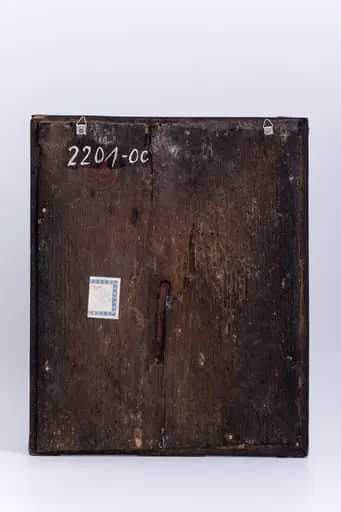 Mântuitorul Iisus Hristos, fiind răstignit pe Cruce, are în stânga în locul ucenicului cel iubit, care a stat lipit de pieptul Învățătorului, la Cina cea de Taină, mai precis, în locul Sfântului Apostol și Evanghelist Ioan Teologul, Evanghelistul Iubirii și în dreapta în locul Maicii Domnului Îndurerate, Jalnice și Plângătoare câte o ramură înaltă de trandafiri, cu boboci și frunze. Mântuitorul Iisus Hristos Răstignit pe Cruce are o țesătură verde în jurul mijlocului și a coapselor. Crucea este brună. Fondul icoanei brun-negru întunecat, iar în spatele Crucii, este un spațiu galben-chihlimbar, prefigurând Lumina Învierii Domnului Iisus Hristos. Întreaga tematică iconografică este încadrată de un chenar decorativ geometrizant, alb-roșu vermillon-acajou. Cromatica este armonioasă: roșu vermillon-acajou, brun-maro, verde brad, galben chihlimbar, bronziu, alb, negru. Inscripția din româno-chirilică se traduce Restignirea Lui IC XC Iisus Hristos. Icoana este din Nordul Transilvaniei, Nicula.
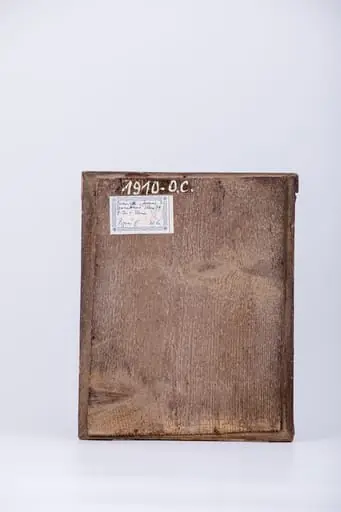 Mântuitorul Iisus Hristos, fiind răstignit pe Cruce, are în stânga pe Sfântul Împărat Constantin cel Mare, în locul uceniculuil cel iubit, care a stat lipit de pieptul Învățătorului, la Cina cea de Taină, mai precis, în locul Sfântului Apostol și Evanghelist Ioan Teologul, Evanghelistul Iubirii și în dreapta pe Sfânta Împărăteasă Elena, mama Sfântului Constantin, în locul Maicii Domnului Îndurerate, Jalnică și Plângătoare. Veșmintele Sfinților Împărați sunt sacosuri albastre cobalt și mantii roșii vermillon. Mântuitorul Iisus Hristos Răstignit pe Cruce are o țesătură verde-gri-antracit în jurul mijlocului și a coapselor. Fondul icoanei este cerul albastru bleu-ciel senin și în registrul inferior, în spatele Crucii este un spațiu galben-chihlimbar, prefigurând Lumina Învierii Domnului Iisus Hristos. Întreaga tematică iconografică este încadrată de un chenar decorativ fitomorf, format dintr-o ghirlandă de bujori și trandafiri, 4 ruje. Cromatica este armonioasă: roșu vermillon, albastru ceruleum, cobalt și bleu-ciel, gri antracit, verde forest, galben chihlimbar alb, negru. Inscripția din româno-chirilică se traduce Constantin cu Elena. Icoana este mai rară, datorită abordării tematicii iconografice. Icoana este din Nordul Transilvaniei, Nicula.
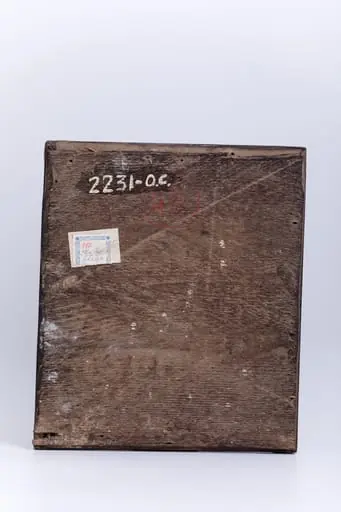 În centrul icoanei este Crucea brun-bronzie, nisipie, cu aripi din elemente vegetale - frunze de finic verzi-corai și bej. În dreapta crucii este Sfânta Împărăteasă Elena, și în stânga este Împăratul Constantin, invers inscripției. Veșmintele sfinților împărați sunt pictate cu roșu vermillon-cărămiziu-corai, verde-smarald. Poartă coroane împărătești și aureole de sfinți, mantiiile de împărați le au prinse la gât cu fibulă. Crucea este bronzie și are capetele brațelor cu elemente decorative trilobate albe-verzi cu cruce neagră. Fondul este cerul albastru cobalt, cu un câmp galben-solar, în registrul din sptaele Crucii, amintind de Soarele Dreptății - Mântuitorul Iisus Hristos. Prin Acest Semn vei învinge! In Hoc signo vinces! Compoziția iconografică este încadrată de un chenar decorativ geometrizant - ramă de fereastră, de culoare nisipie-bej, sable, cu linia albă șerpuitoare. Inscripția din româno-chirilică se traduce Constantin Elena. Cromatica este armonioasă: roșe vermillon, cărămiziu, corai, albastru cobalt, verde smarald, forest, bej, crem, bronziu, galben solar, alb, negru. Icoana este din Nordul Transilvaniei, Nicula.
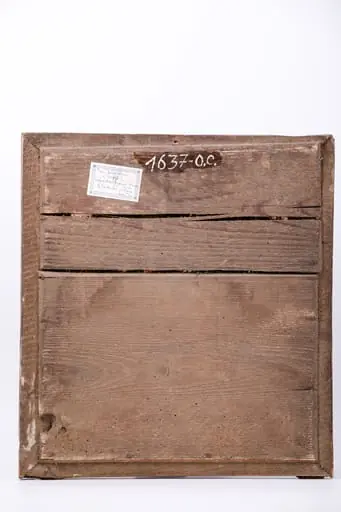 În centrul icoanei este Crucea aurie, cu vrejul de ramificații fitomorfe orange, iar în stânga crucii este Sfântul Împărat Constantin și în dreapta este Împărăteasa Elena, mama sa. Crucea găsită este susținută cu bucurie de cei doi sfinți. Veșmintele Sfinților Constantin și Elena sunt într-o combinație de roșu vermillon, galben și orange. Spațiul albastru senin, din cerul din fondul icoanei, duce cu gândul la Crucea de lumină apărută pe cer In hoc signo vinces - prin acest semn vei învinge. În registrul inferior, este un câmp decorativ geometrizant alternativ de roșu-orange-roz-gri. În registrul superior, în colțurile stânga-dreapta sunt 2 îngeri serafimi. Cromatica este armonioasă: roșu vermillon, roz, galben-ocru, albastru cobalt, ceruleum, alb, negru. Icoana este de Țara Oltului. Inscripția din româno-chirilică se traduce Sf Constantin Elena.