Artwork
Mântuitorul Iisus Hristos, fiind răstignit pe Cruce, are în stânga în locul ucenicului cel iubit, care a stat lipit de pieptul Învățătorului, la Cina cea de Taină, mai precis, în locul Sfântului Apostol și Evanghelist Ioan Teologul, Evanghelistul Iubirii și în dreapta în locul Maicii Domnului Îndurerate, Jalnice și Plângătoare câte o ramură înaltă de trandafiri, cu boboci și frunze. Mântuitorul Iisus Hristos Răstignit pe Cruce are o țesătură verde în jurul mijlocului și a coapselor. Crucea este brună. Fondul icoanei brun-negru întunecat, iar în spatele Crucii, este un spațiu galben-chihlimbar, prefigurând Lumina Învierii Domnului Iisus Hristos. Întreaga tematică iconografică este încadrată de un chenar decorativ geometrizant, alb-roșu vermillon-acajou. Cromatica este armonioasă: roșu vermillon-acajou, brun-maro, verde brad, galben chihlimbar, bronziu, alb, negru. Inscripția din româno-chirilică se traduce Restignirea Lui IC XC Iisus Hristos. Icoana este din Nordul Transilvaniei, Nicula.
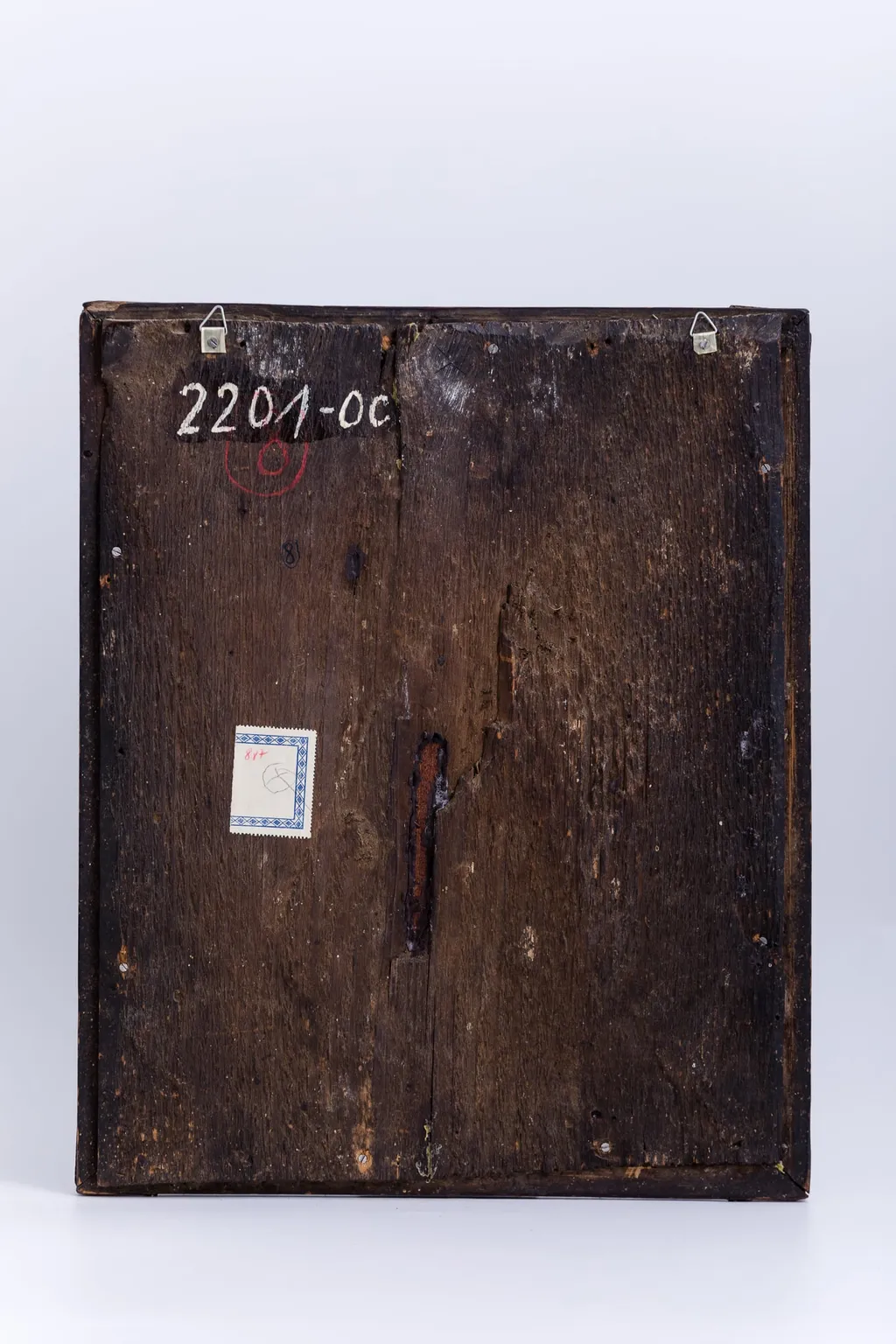
Mântuitorul Iisus Hristos, fiind răstignit pe Cruce, are în stânga în locul ucenicului cel iubit, care a stat lipit de pieptul Învățătorului, la Cina cea de Taină, mai precis, în locul Sfântului Apostol și Evanghelist Ioan Teologul, Evanghelistul Iubirii și în dreapta în locul Maicii Domnului Îndurerate, Jalnice și Plângătoare câte o ramură înaltă de trandafiri, cu boboci și frunze. Mântuitorul Iisus Hristos Răstignit pe Cruce are o țesătură verde în jurul mijlocului și a coapselor. Crucea este brună. Fondul icoanei brun-negru întunecat, iar în spatele Crucii, este un spațiu galben-chihlimbar, prefigurând Lumina Învierii Domnului Iisus Hristos. Întreaga tematică iconografică este încadrată de un chenar decorativ geometrizant, alb-roșu vermillon-acajou. Cromatica este armonioasă: roșu vermillon-acajou, brun-maro, verde brad, galben chihlimbar, bronziu, alb, negru. Inscripția din româno-chirilică se traduce Restignirea Lui IC XC Iisus Hristos. Icoana este din Nordul Transilvaniei, Nicula. is a drawing by Unknown. It dates from 1850 and is held in the collection of the ASTRA National Museum Complex. This wooden icon depicts Christ crucified, rendered in the traditional Eastern Orthodox style.
About this work
A faded label with a number (2201-00) and a small sticker are stuck near the center.
This is the back of a wooden panel. The surface is dark, worn, and split down the middle. A faded label with a number (2201-00) and a small sticker are stuck near the center. Two small metal hooks hang from the top corners.
The cracks and age marks show this panel has a long history. The label suggests it’s part of a museum collection.
Next, look up what an inscription in religious art usually means.
Overview
This wooden icon depicts Christ crucified, rendered in the traditional Eastern Orthodox style. It originates from Nicula in northern Transylvania and bears a Cyrillic inscription identifying it as the Crucifixion of Jesus Christ. The panel shows signs of age—cracks, wear, and a faded museum label—indicating prolonged use and later preservation. Metal hooks at the top suggest it was once hung for veneration.
Subject & Meaning
Christ is shown on a brown cross, flanked not by the Virgin Mary and John the Evangelist, but by tall rose branches symbolizing divine love and resurrection. The absence of human figures shifts focus to Christ’s sacrifice and the promise of new life. The rosebuds and leaves imply spiritual renewal, while the golden-hued background behind the cross prefigures the light of the Resurrection, a common eschatological motif in Orthodox iconography.
Technique & Style
The icon employs tempera or oil on wood, with a restrained palette of vermilion, brown, forest green, amber, bronze, white, and black. The figures are stylized, lacking naturalistic depth, consistent with Byzantine-derived traditions. The geometric border in red and white frames the scene with symbolic order. The dark, worn surface and visible wood grain reflect both age and the tactile nature of devotional objects made for intimate worship.
History & Provenance
Produced in the Nicula region, known for its religious art and pilgrimage site, the icon likely served in a local church or household altar. Its current condition—cracked, faded, and labeled with a museum inventory number—suggests it was collected in the 20th century, possibly during efforts to preserve regional religious artifacts. The presence of metal hooks confirms its liturgical function before entering institutional care.
Context
In Transylvanian Orthodox communities, icons like this blended Byzantine iconographic norms with local symbolism. Replacing the traditional figures of Mary and John with roses reflects a regional emphasis on Marian devotion and the symbolism of the rose as a Marian emblem. The use of Cyrillic script points to the cultural and linguistic context of Romanian-speaking Orthodox believers under Habsburg rule, where religious expression remained tied to older traditions.
Legacy
This icon represents a quiet but persistent continuity in Transylvanian religious art, where symbolic substitution and regional aesthetics preserved spiritual meaning amid political and cultural change. Its survival, despite damage and displacement, speaks to the endurance of devotional practices. Today, it stands as a material witness to the intersection of faith, craft, and regional identity in Eastern European Orthodoxy.
Artist & collection

 Domestic Scene
 Giacomo and Cardinal Marco, investing Andrea, Abbot of San Zeno, with his Benefice
 The Nymph of Fontainebleau
 Portrait of a Woman
 Madonna and Child with Saints in the Enclosed Garden
 Venus and Minerva
 Family Group of Four on Sofa
 Wall painting from Room H of the Villa of P. Fannius Synistor at Boscoreale
 Icoana îi reprezintă alături, față în față, ca într-o oglindă, pe Pruncul Iisus Hristos și Pruncul Ioan, cel care avea să fie Sfântul Ioan Botezătorul și Înaintemergătorul Domnului nostru Iisus Hristos. Cei doi copilași erau veri, cu o diferență de șase luni între ei. Pruncul Iisus Hristos are în mânuțe globul pământesc cu o cruce deasupra, asemenea unui chivot sfințit, iar Pruncul Ioan are în brațe un mieluț, arătând către Mântuitorul Iisus Hristos: „Iată mielul!”. Sunt înfășurați amândoi cu câte o țesătură roșie-cărămizie-roz, culoarea pătimirii și a jertfei. În interiorul icoanei este un composit de albastru ultramarin bleu-marin și galben luminos. Întreaga tematică iconografică este încadrată de un chenar decorativ fitomorf, format dintr-o ghirlandă de trandafiri, 5 duble și 4 ruje roșii, bobocei de trandafirași, În centru icoanei, între cei doi copilași este un fruct de măceș. Icoana este de Nicula, având o cromatică luminoasă: roșu vermillon-cărămiziu-roz, albastru ultramarin și bleumarin, bleu ciel și ceruleum, galben chihlimbar, verde brad, alb, negru. Inscripția din româno-chirilică se traduce: Ioan IC XC Iisus Hristos. Icoana este din Nordul Transilvaniei, Nicula.
 Icoana reprezintă Învierea Domnului Iisus Hristos. Mântuitorul Iisus Hristos, ieșind din mormânt, Înviind, Binecuvântând zdrobește ușile iadului. Mântuitorul este înfășurat cu o țesătură verde kaki-gri în mijlocul coapselor și a mijlocului și cu mantia roșie vermillon pe umeri. În dreapta mormântului gri, deschis, sunt doi ostași romani, uimiți. Icoana de Nicula are o cromatică armonioasă: galben-solar, roșu vermillon, alb, albastru cobalt, verde brad-pădure, negru, gri cenușiu. Fondul icoanei este cerul albastru cobalt-ceruleum, în registrul superior și un câmp galben-ocru, cu brun-maro cu pete crem, în registrul inferior, realizându-se, astfel sugestiv, intrarea și ieșirea din pământul morții și a păcatului. Întreaga compoziție iconografică este încadrată de un chenar decorativ geometrizant roșu vermillon și de unul fitomorf, format dintr-o ghirlandă cu două flori-narcise cu frunze unduitoare. Cromatica este armonioasă: roșu vermillon, galben chihlimbar, albastru cobalt-ceruleum, brun, maro, bej, verde smarald, kaki, negru, gri, alb. Inscripția în româno-chirilică se traduce IC XC Iisus Hristos. Icoana este din Nordul Transilvaniei, Nicula.
 Maica Domnului ține în brațe Pruncul Iisus Hristos care are în mâna stângă un hrisov înfășurat și Binecuvântează cu mâna dreaptă. Maica Domnului arată calea cu mâna dreaptă, deci este Hodighitria. Maica Domnului este înveșmântată în mantie cu maforion roșu vermillon cu interiorul verde și sacos galben, are aureolă. Pruncul Iisus Hristos este înveșmântat în galben-bronziu și alb crem-ivoriu, are aureolă. Întreaga icoană este încadrată de un chenar decorativ geometrizant vișiniu-acajou-sracojiu cu linia albă șerpuită, specifică centrului de la Nicula. Fondul icoanei este cerul albastru ultramarin bleumarin. Cromatica este armonioasă, luminoasă, bizantină și foarte picturală: roșu vermillon, verde spanac-avocado, kaki, galben chihlimbar, albastru ultramarin bleumarin, vișiniu, stacojiu-acajou, bronziu, alb, negru. Icoana este de Nicula. Inscripția din româno-chirilică se traduce MP IC XC Maica Domnului Iisus Hristos.
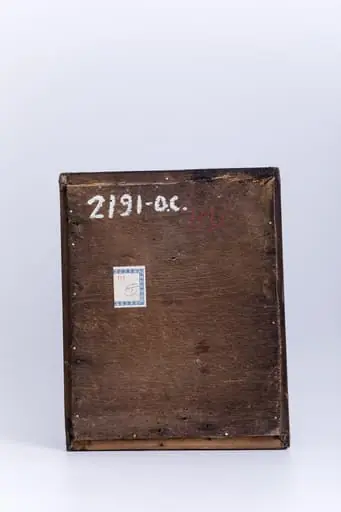 Sfânta Mare Cuvioasă Parascheva de la Iași are crucea în mâna stângă și ramură de finic verde brad în mâna dreaptă. Este îmbrăcată în veșmânt roșu vermillon, cu interiorul căptușit cu verde forest-gri antracit, alb ivoriu și galben-solar. Sacosul este albastru cobalt cu dungi albe subțiri, cu danteluță și guleraș galben. Sfânta Cuvioasă are părul negru lung, lăsat pe umeri, coroană roșie-albastră și aureolă. Fondul icoanei este cerul albastru bleu-ciel înspre alburiu, în registrul superior și un câmp înalt luminos de grâu galben-copt, de nuanță chihlimbar închis, în registrul mediu și inferior. Întreaga compoziție iconografică este încadrată de un chenar decorativ fitomorf, format dintr-o ghirlandă de 4 ruje - trandafiri roșii și bujori roșii. Inscripția din româno-chirilică se traduce Paraschiva. Cromatica este armonioasă: roșu vermillon, albastru bleu-ciel, alburiu, cobalt, verde forest, bej-crem, negru, galben chihlimbar, ocru, muștar, negru, alb. Icoana este din Nordul Transilvaniei, Nicula.
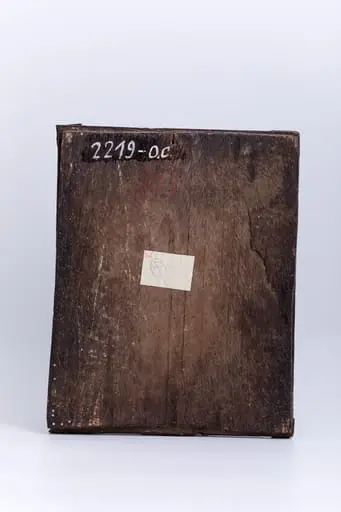 Sfânta Mare Cuvioasă Parascheva de la Iași are o cruce și ramură de finic verde, nuanța algelor în mâna dreaptă. Este îmbrăcată în veșmânt roșu vermillon-corai cu interiorul căptușit cu verde-mușchi de pădure și bordură galbenă-chihlimbar. Sacosul este alb-crem cu danteluță, guleraș și dungi. Sfânta Cuvioasă are părul negru lung, lăsat pe umeri, coroană roșie-roz cu verde-brad și aureolă brun-bronzie. Fondul icoanei este cerul albastru cobalt în registrul superior-mijloc și un câmp alb-crem, ancadrator întregii compoziții. Întreaga compoziție iconografică este încadrată de un chenar decorativ fitomorf, format dintr-o ghirlandă de 5 ruje mari orange-cărămizii cu frunze verzi. Cromatica este armonioasă: roșu vermillon-orange, corai, albastru cobalt-ceruleum, verde alge, mușchi de pădure, bej-crem, bronziu, galben-solar, negru, alb zinc. Icoana este din Nordul Transilvaniei, Nicula.
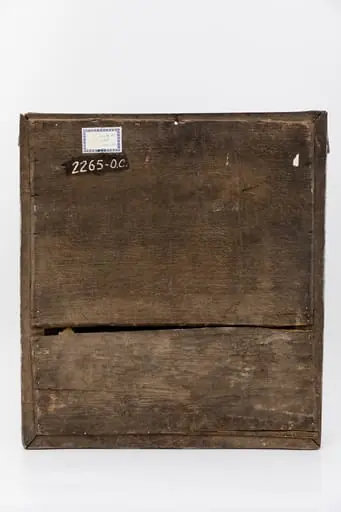 Cei Trei Sfinți Ierarhi Vasile cel Mare, Ioan Gură-de-Aur și Sfântul Grigorie Cuvântătorul de Dumnezeu slujesc și săvârșesc Sfânta Liturghie împreună. Sunt înveșmântați în veșminte liturgice: sacos, felon și epitrahil. Sfântul Vasile cel Mare binecuvântează cu crucea în mâna stângă și ține în mâna dreaptă Sfânta Evanghelie. Sfântul Ioan Gură-de-Aur și Sfântul Grigorie binecuvântează cu mâna stângă și ține în mâna dreaptă Sfânta Evanghelie. Fondul este văzduhul verde văratic, bogat ornamentat cu elemente astrale albe și roșii, în registrul superior, în registrul inferior este un câmp galben-chihlimbar. Inscripția din româno-chirilică se traduce Sf Vasile Sf Ioan Sf Grigorie. Cromatica este armonioasă și luminos-pastelată: roșu vermillon, roz, corai, gri, albastru ceruleum, cobalt, verde văratic, galben chihlimbar, alb, negru. Icoana este din Țara Oltului, Șcheii Brașovului.
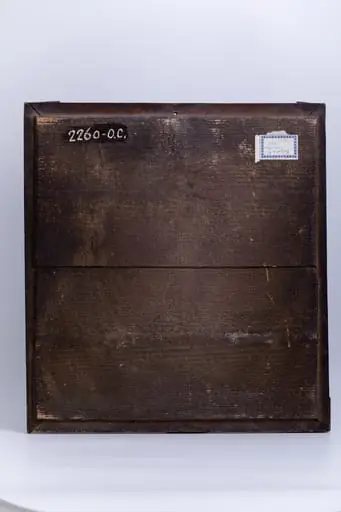 Icoana îi reprezintă pe cei doisprezece Apostoli cu Sfinții Apostoli Petru și Pavel, Petru cu cheile Împărăției Cerești în mână și pe Pavel cu sabia Cuvântului în mână. Sfinții Apostoli au mantiile roșii vermillon, înspre trandafiriu, și veșmintele în combinație de crem-rozaliu și ocru-orange, cu liniuțe albe-roșii. Toți cei 12 Apostoli țin chivotul Bisericii creștin-ortodoxe și sobornicești cu mânilie dimpreună. În registrul superior, dintr-o mandorlă este Dumnezeu-Tatăl Binecuvântând. Fondul icoanei este cerul albastru regal-cobalt. În registrul îndepărtat elementul de arhitectură reprezintă simbolic Biserica ortodoxă-creștină apostolică, pe care o poartă, ca pe un chivot, Sfinții Apostoli Petru și Pavel, propovăduind-o. Biserica, cheile și crucea sunt simboluri puternice. Compoziția este rezistentă și cromatica armonioasă: roșu vermillon-trandafiriu, albastru regal, cobalt și ceruleum, galben chihlimbar, ocru, brun, gri, alb zinc, negru, auriu. Inscripția din româno-chirilică se traduce Petru și Pavel. Icoana este din Țara Oltului, Șcheii Brașovului.