Artwork
Împărăteasa Maria Tereza
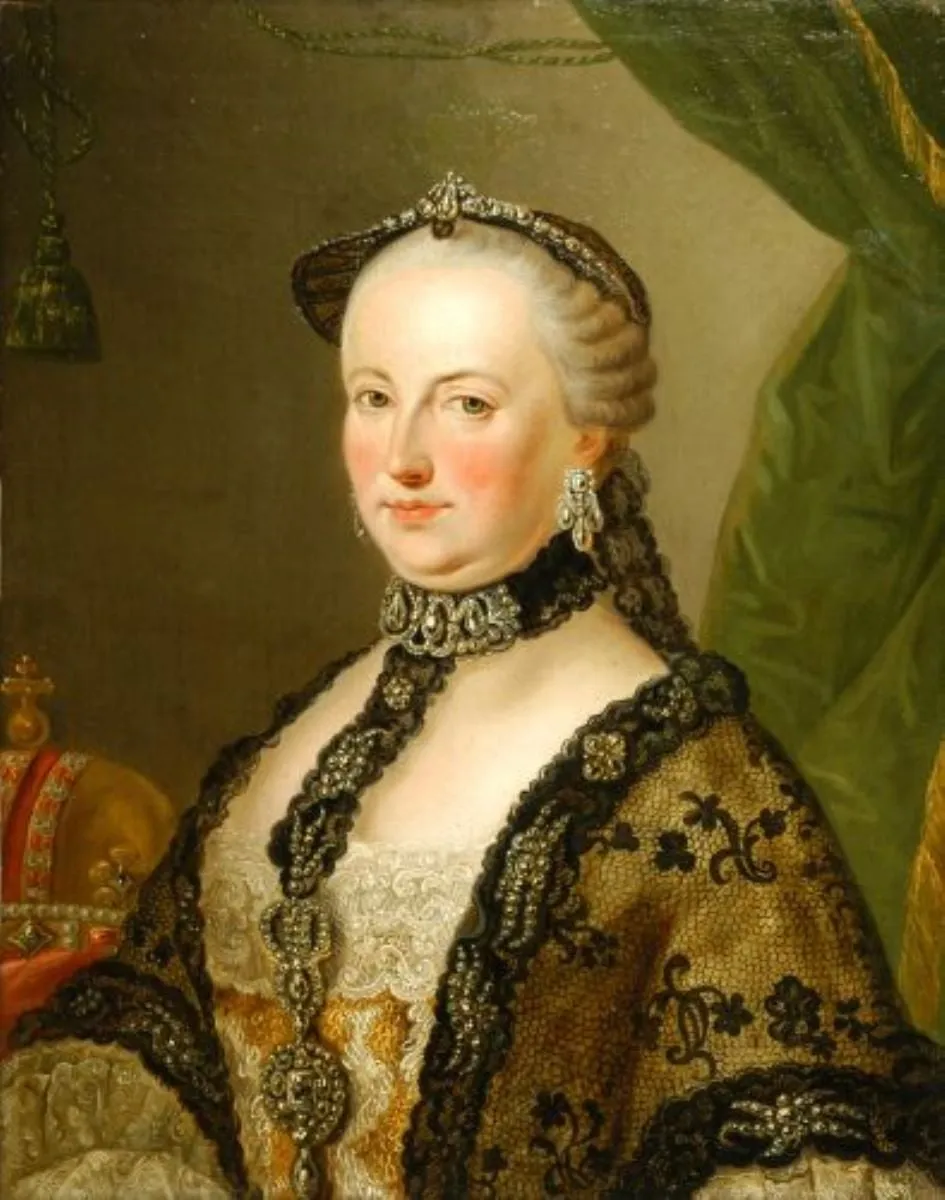
Împărăteasa Maria Tereza is an unspecified painting by Unknown. It dates from 1850 and is held in the collection of the Țării Crișurilor Museum. This portrait depicts Empress Maria Theresa of Austria, ruler of the Habsburg dominions in the 18th century.
About this work
Overview
This portrait depicts Empress Maria Theresa of Austria, ruler of the Habsburg dominions in the 18th century. Rendered in oil on canvas, the work emphasizes her imperial status through formal attire and composed demeanor. The composition isolates her figure against a muted background, directing attention to her presence and regal bearing without distraction.
Subject & Meaning
Maria Theresa is portrayed not as a decorative figure but as a sovereign. Her restrained expression and upright posture convey authority and duty. The elaborate dress and jeweled headdress signify her rank, while the absence of symbolic objects like crowns or scepters suggests a focus on personal dignity rather than ceremonial power.
Technique & Style
The artist employs chiaroscuro to model the empress’s face and neckline with subtle gradations of light and shadow. Soft transitions between illuminated skin and dark surroundings enhance three-dimensionality. Fine brushwork captures the texture of lace and metallic embroidery, while the blurred background isolates her form, a hallmark of court portraiture of the period.
History & Provenance
Commissioned during Maria Theresa’s reign, the portrait likely served as a diplomatic gift or state image to affirm her authority across the Habsburg territories. It was probably painted by a court artist in Vienna, though the exact hand remains unconfirmed. The work remained in imperial collections until the 20th century.
Context
In mid-18th century Europe, royal portraiture functioned as political tool and public record. Maria Theresa’s image was carefully managed to project stability amid wars and succession disputes. This portrait aligns with broader trends in Habsburg visual culture, favoring restrained elegance over Baroque flamboyance to reflect enlightened absolutism.
Legacy
The portrait endures as a representative example of Habsburg court imagery, valued for its quiet dignity and technical precision. It contributes to historical understanding of how female rulers were visually constructed in an era dominated by male political narratives, offering insight into the visual language of authority beyond overt symbolism.
Artist & collection

 Domestic Scene
 Giacomo and Cardinal Marco, investing Andrea, Abbot of San Zeno, with his Benefice
 The Nymph of Fontainebleau
 Portrait of a Woman
 Madonna and Child with Saints in the Enclosed Garden
 Venus and Minerva
 Family Group of Four on Sofa
 Wall painting from Room H of the Villa of P. Fannius Synistor at Boscoreale
 Portrait of a Woman
 Queen Maria Amalia of Saxony
 Johanna van Rijswijk (b. 1715), Wife of Jan Hendrik van Rijswijk
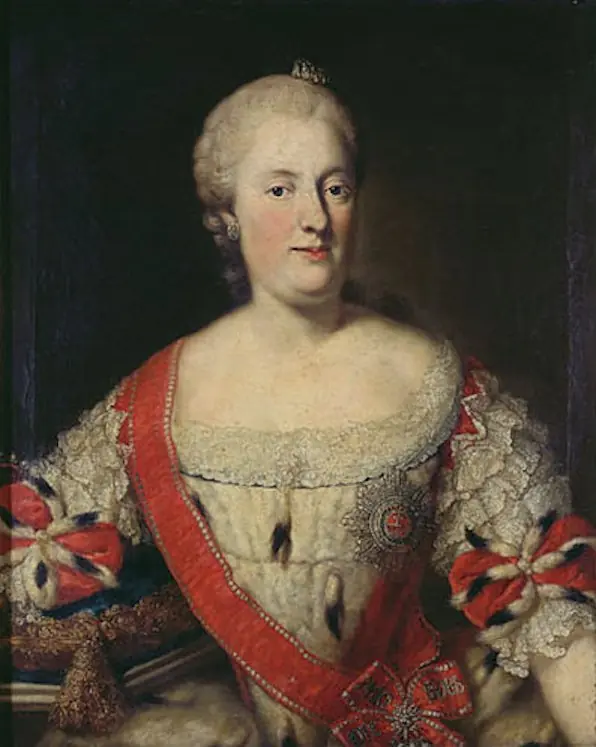 Bildnis der Maria Anna, Gemahlin des Kurfürsten Max III. Joseph von Bayern (Werkstatt)
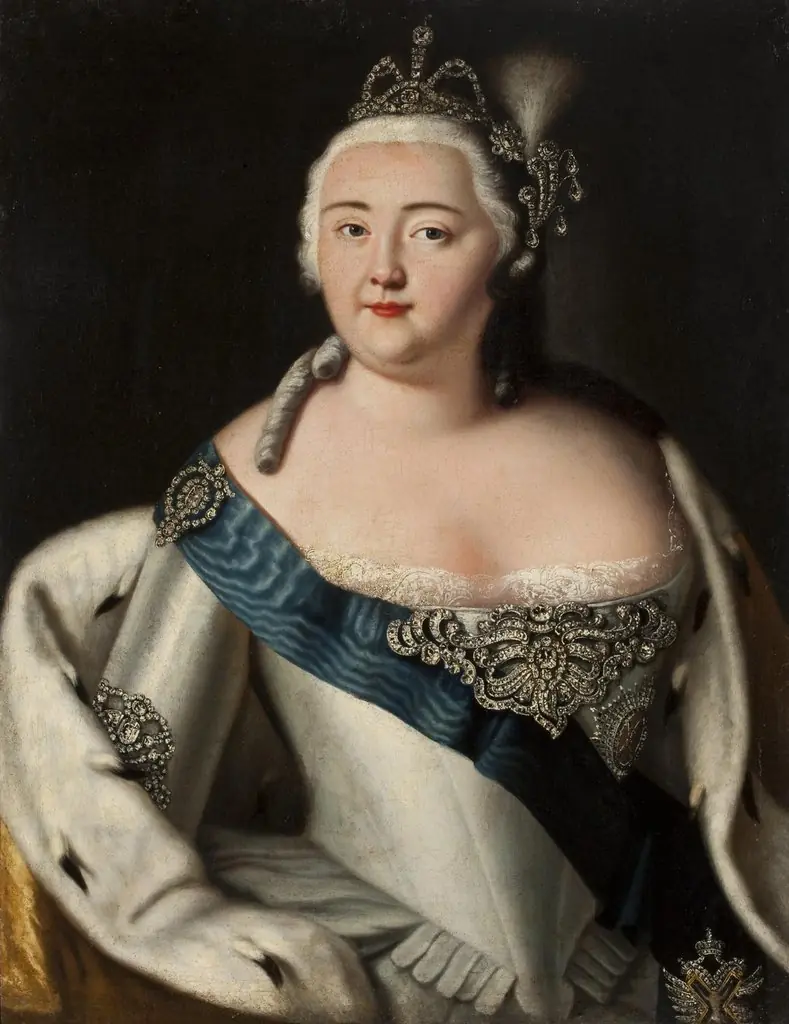 Portrait of Elizaveta Petrovna
 Carl Peter Ulricks gemalinde, Sofia Augusta. Katharina II af Rusland
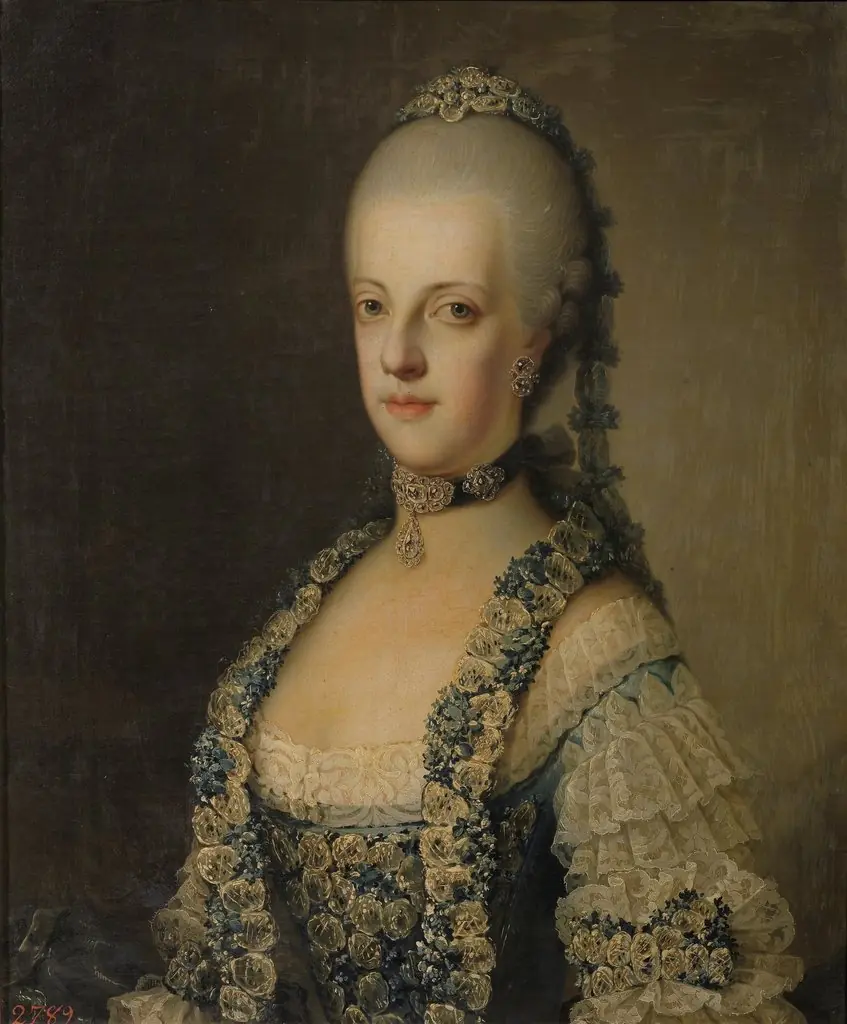 Maria Carolina of Habsburg-Lorraine, Queen of Naples
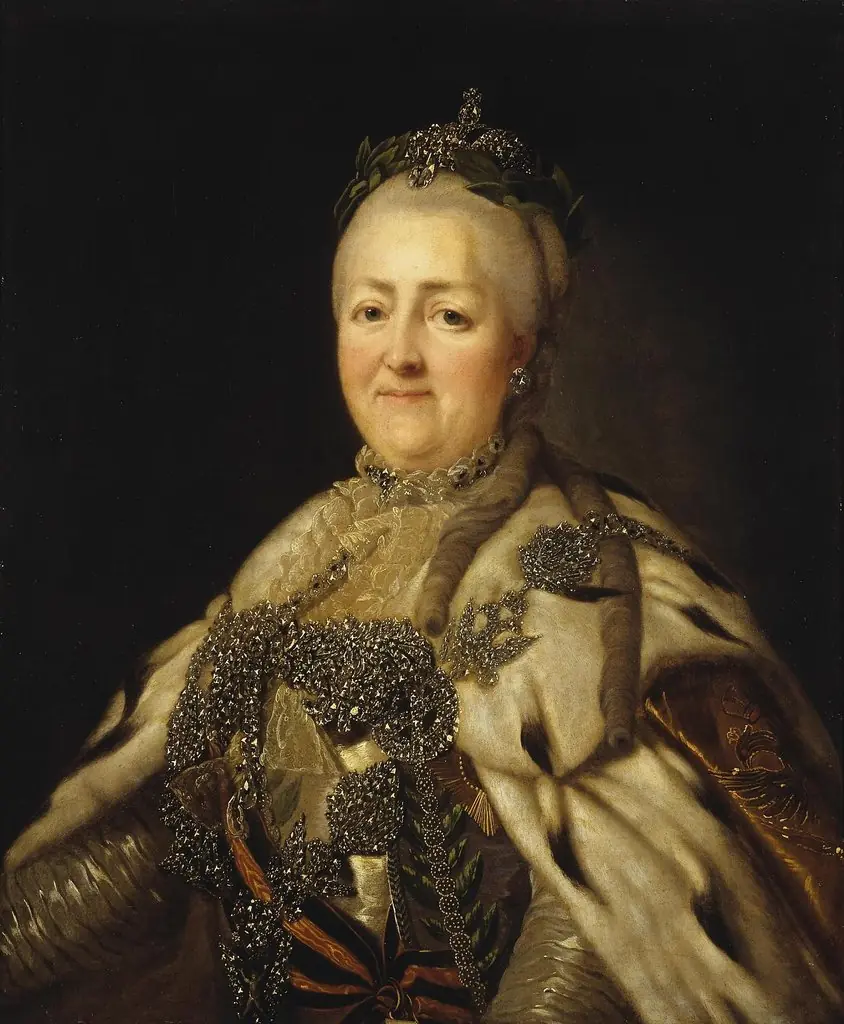 Portrait of Empress Catherine the Great
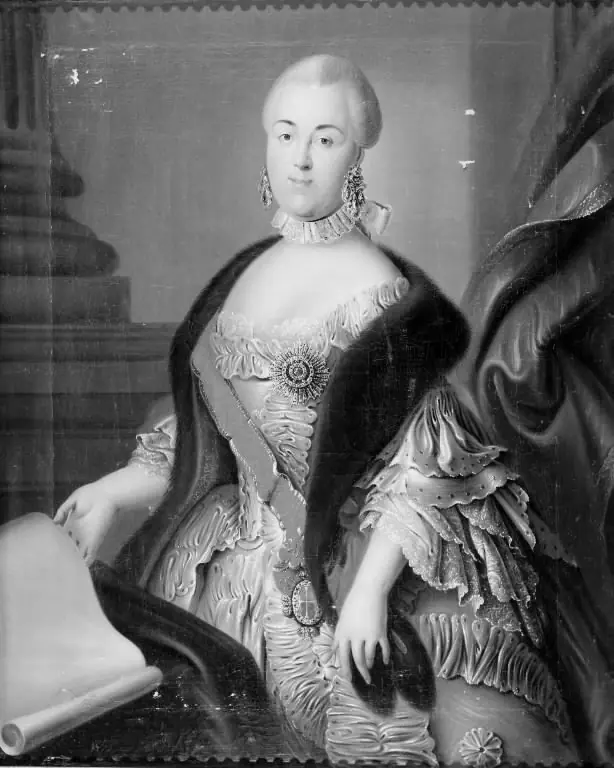 Carl Peter Ulricks gemalinde, Sofia Augusta. Katharina II af Rusland
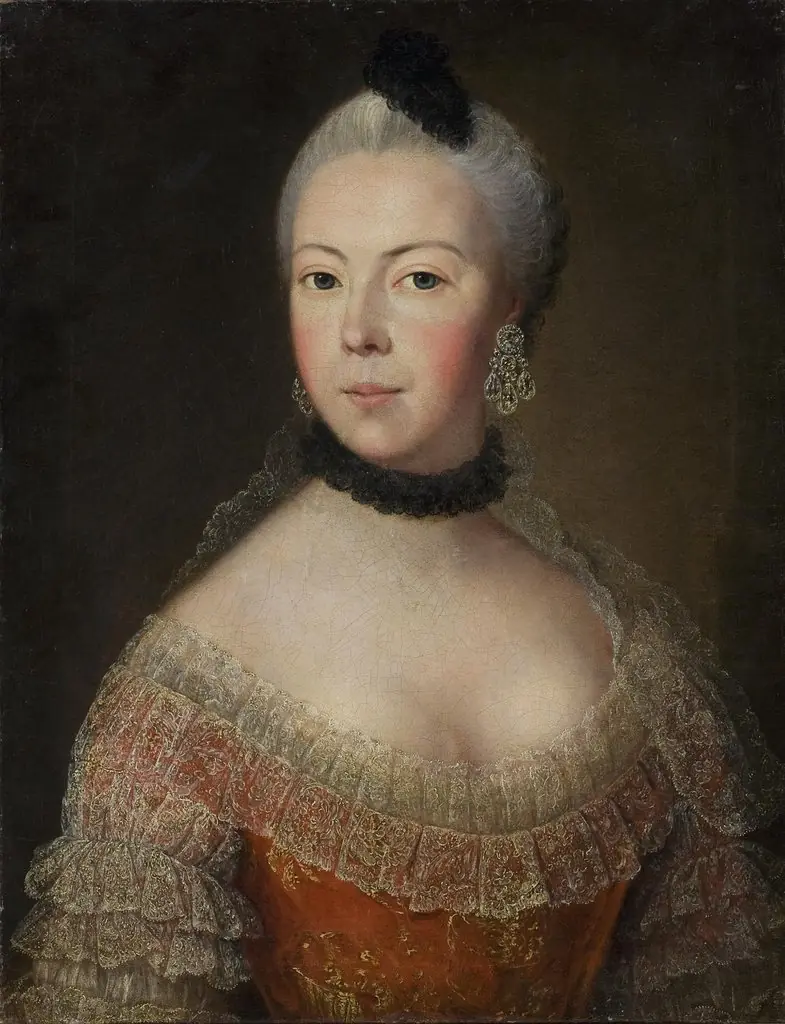 Portrait of Princess Anastasia Dolgorukaya, née Lodyzhenskaya (1736-1828)